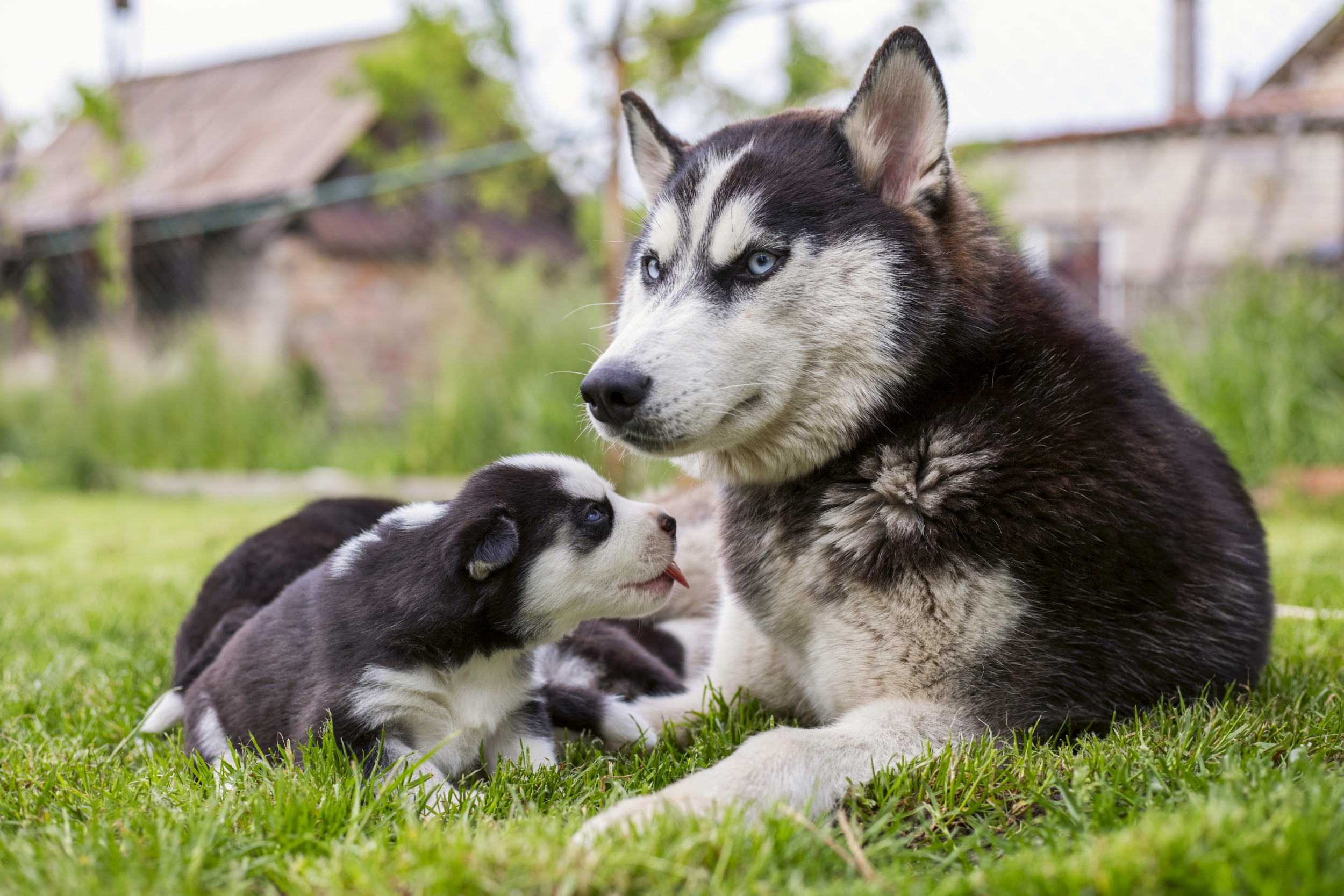
When Can You Separate A Puppy From Its Mother

Hey there, coffee buddy! So, you're thinking about getting a puppy, huh? Exciting stuff! But before you start dreaming about those tiny paws and slobbery kisses, there's a really important question we need to chat about. It’s a bit of a sensitive topic, but super crucial for your future furry friend’s well-being. I'm talking about, when exactly is it okay to separate a brand-new puppy from its mama? It’s not just a random number we pluck out of the air, you know. There are some real reasons behind it.
Think of it like this: imagine you're a tiny little human, just born into the world. Everything is new, a bit scary, and you’re totally reliant on your mom for… well, everything! Food, warmth, comfort, learning the ropes. Puppies are no different. They’re little balls of fluff, and their mom is their entire universe for those first few weeks. So, when can we, as humans, decide it's time for them to venture out? It’s a big decision, and we want to get it right, don't we?
So, let's dive in, grab another sip of your latte, and break it all down. No need to stress, we're just having a friendly chat. And trust me, understanding this will make your puppy's transition so much smoother. Plus, you'll be the most informed puppy parent on the block! How cool is that?
Must Read
The Golden Rule: Minimum Age
Alright, let’s get straight to it. The absolute, non-negotiable minimum age most reputable breeders and veterinarians will tell you to wait is around eight weeks. Not seven, not six and a half. Eight weeks. Why eight? Well, it’s like puppy kindergarten, but with their actual mom!
Think about it. At eight weeks, a puppy has gone through some pretty significant developmental stages. They're starting to become more independent, a little less reliant on mom for constant feeding, and crucially, they've had a chance to learn some vital social skills from their littermates and their mother. Skipping this crucial window can have some serious consequences down the line. It's like trying to build a house without a solid foundation. You wouldn't do that, would you?
Some people, bless their eager hearts, might be tempted to take a puppy home earlier. Maybe they found a "deal" or just can't resist those impossibly cute puppy eyes. But seriously, resist the urge! Those extra couple of weeks are gold. They're packed with learning and growth that you can't replicate, no matter how many chew toys you buy. It's all about setting them up for success, both physically and mentally.
And honestly, for the mama dog, it's also important. She needs time to recover after giving birth and nursing. She's been through a lot! So, for both mother and offspring, eight weeks is generally the sweet spot. It’s the earliest they can safely start exploring the world without their mom.
Why the Wait? The Crucial Development Stages
Okay, so we know when, but why? What exactly is happening in those first eight weeks that makes it so vital for a puppy to stay with its mom? It’s a fascinating process, really. Nature has this all figured out, and we're just trying to work with it.
Socialization, Socialization, Socialization! This is the big one, folks. From birth, puppies are observing and interacting with their mother and siblings. They learn how to communicate with other dogs, how to play appropriately (think gentle nips versus hard bites!), and how to read social cues. Mom teaches them boundaries. If they get too rough during play, she might give them a little growl or a gentle nudge to let them know they’ve gone too far. This is incredibly important for their future interactions with other dogs and even people.

Imagine a puppy that never learned these crucial social lessons. They might grow up to be overly shy, fearful, or even aggressive because they don't understand how to interact with the canine world. It’s like sending a kid to school without teaching them how to share or take turns. Chaos, right?
Learning Bite Inhibition: This is directly related to socialization. Puppies explore the world with their mouths. They nibble, they chew, they play-bite. When they play with their littermates, if one puppy bites too hard, the other might yelp and stop playing. This teaches the biter that their actions have consequences and helps them learn to control the pressure of their bites. Mom also plays a role here. If a puppy gets too mouthy with her, she might withdraw or even give a firm correction. Without this early learning, a puppy might grow up to be a nipper, which can be a real problem for owners, especially those with young children.
Weaning and Independence: While puppies start nibbling at solid food around three to four weeks, they’re still getting a lot of nourishment and comfort from their mother’s milk. Between six and eight weeks, they’re gradually weaned off milk and become more adept at eating solid food. This transition helps them develop their digestive system and become more independent eaters.
Building Confidence: Being with their mother and siblings provides a safe and secure environment for puppies to explore and learn. Mom offers reassurance and protection, allowing them to gain confidence in their surroundings. This early confidence-building is essential for them to adapt well to new environments and experiences later in life.
Immunity Boost: Puppies receive antibodies from their mother’s milk, which provides them with some initial protection against diseases. While they will need vaccinations, this passive immunity is crucial in the early weeks.
Beyond the Eight-Week Mark: When Mom Needs a Break
So, we've established that eight weeks is the minimum. But sometimes, it’s even better to wait a little longer, especially if circumstances allow. It’s not a race to get the puppy out the door, you know. Sometimes, a few extra days or even a week can make a world of difference.
Think about it from the mother dog’s perspective. She’s been nursing, cleaning, and keeping a watchful eye on a whole litter of demanding puppies. She’s probably exhausted, though she’d never admit it! Giving her a little extra time with her puppies can also be beneficial for her. She can continue to reinforce those lessons and bond with them.

Some breeders will actually keep puppies until they are 10 or even 12 weeks old. Why? Because they are dedicated to ensuring their puppies are as well-adjusted and prepared as possible. They might use this extra time for more advanced socialization, introducing the puppies to different sights, sounds, and even people. They might also start basic house-training or crate-training. It’s all about giving that puppy the best possible start.
And let's be honest, sometimes puppies themselves aren't quite ready at eight weeks. Some might be a little more timid, or still a bit too reliant on their mother. A good breeder will be able to assess each individual puppy and their readiness for a new home. They’re not just selling puppies; they’re making sure they go to the right homes.
So, if you have the flexibility, waiting a little longer than the strict eight-week minimum isn’t a bad thing at all. It shows you’re prioritizing the puppy's welfare. It’s like waiting for a cake to bake perfectly instead of taking it out too early and ending up with a gooey mess. Patience is a virtue, especially when it comes to our furry friends!
What Happens If a Puppy is Separated Too Early? (The Not-So-Fun Stuff)
Okay, now for the less cheerful part. What are the potential consequences if a puppy is taken away from its mother and siblings before that crucial eight-week mark? It's not just a little inconvenience; it can lead to some genuine behavioral and health issues. And nobody wants that for their adorable fluffball, right?
Behavioral Problems: This is probably the most common issue. Without adequate socialization and learning from their mom and littermates, these puppies can develop a range of behavioral issues. They might be overly dependent on their new owners, exhibiting separation anxiety when left alone. They might also be fearful of new people, places, or other dogs, as they haven't learned how to navigate the world confidently.
And as we talked about, the lack of bite inhibition can be a real struggle. These puppies might be more prone to nipping and mouthing their owners, sometimes quite hard, because they haven't learned to control their bites. This can be frustrating and even painful, and it requires dedicated training to correct.

They can also struggle with understanding dog-to-dog communication. This can lead to misunderstandings and potential conflicts when they do encounter other dogs, potentially resulting in aggressive behavior. It’s like trying to learn a new language without a teacher – you’re going to make a lot of mistakes!
Health Concerns: While not always directly linked to early separation, puppies removed too soon might not have benefited fully from their mother's colostrum (the first milk, packed with antibodies). This can leave them more vulnerable to illnesses. They also miss out on the consistent nursing that helps their digestive systems mature.
Furthermore, if the puppies were taken from a less-than-reputable breeder or pet store, they might not have received adequate veterinary care, vaccinations, or deworming, making them even more susceptible to health problems. It's a whole package deal, you see.
Difficulty Adjusting: Imagine being suddenly ripped away from your comfort, your family, and everything you know. It can be a really stressful and disorienting experience for a puppy. They might be more prone to stress-related illnesses and have a harder time settling into their new home. They’ll miss that constant reassurance and guidance that their mother provided.
It's like moving to a new country without knowing the language or having any friends. It's a tough adjustment! So, that’s why the eight-week rule isn't just a suggestion; it's a fundamental guideline for ensuring a puppy’s healthy development.
What to Look for in a Breeder
Given all this, it's super important to be mindful of where you get your puppy from. Not all sources are created equal, unfortunately. Finding a responsible breeder is key to ensuring you’re getting a healthy, well-socialized puppy.
A good breeder will be passionate about their dogs and their breed. They won't be churning out puppies like a factory. They'll know their dogs' health histories and will be able to answer all your questions with confidence. They should also be willing to let you meet the puppy’s mother, and sometimes even the father. Seeing the parents can tell you a lot about the temperament and health of the puppies.

Crucially, a responsible breeder will never let you take a puppy before eight weeks of age. They will insist on it, and if you push, they’ll probably say no. That’s a good sign! It means they prioritize the puppies' well-being over a quick sale. They’ll also have started basic vaccinations and deworming, and will provide you with all the relevant paperwork.
Avoid anyone who is cagey about the puppy’s history, who won't let you see the mother, or who is eager to sell you a puppy younger than eight weeks. Those are red flags, big ones! They might be from a puppy mill or an irresponsible backyard breeder, and you want to steer clear of those situations.
Doing your homework on the breeder is just as important as choosing the right puppy. It's an investment in your future best friend's happiness and health.
The Takeaway: Patience is a Puppy's Best Friend
So, there you have it, my friend! The scoop on when you can welcome a new puppy into your home. It all boils down to one simple, yet incredibly important, concept: patience.
Those first eight weeks are like puppy boot camp, a crucial period of learning, bonding, and development. Mom and siblings are their first teachers, and they are doing an irreplaceable job. Skipping this time can lead to a lifetime of challenges for both the puppy and the owner.
When you’re looking for your new furry family member, always prioritize their well-being. Look for reputable breeders who understand and respect the importance of this waiting period. And if you can wait a little longer than eight weeks, even better! You’ll be rewarded with a more confident, well-adjusted, and happy dog.
Getting a puppy is a huge commitment, a joyful one, but a commitment nonetheless. By understanding and respecting the timeline for separation, you’re setting your puppy up for a fulfilling life, and you’re setting yourself up for a wonderful, lifelong companionship. Now, go forth and be an informed, responsible, and super-duper puppy parent! You’ve got this!