When A Muslim Dies What To Say

In the tapestry of life, we often find ourselves seeking comfort and guidance during moments of significant transition. One such profound and deeply human experience is navigating the passing of a loved one, particularly within the context of the Muslim faith. While the topic might seem somber, understanding what to say and do when a Muslim dies is not about dwelling on sadness, but rather about offering meaningful support, expressing sincere condolences, and respecting deeply held traditions. It's an act of compassion that can bring solace to grieving families and foster a sense of community during difficult times.
The purpose behind knowing what to say when a Muslim dies is multifaceted. Primarily, it's about demonstrating empathy and acknowledging the profound loss experienced by the bereaved. Offering the right words, even simple ones, can be a powerful gesture that communicates, "I am here for you" and "I understand this is difficult." For those observing Islamic traditions, specific phrases hold particular significance, connecting the mourners to their faith and to the promise of the hereafter. These phrases often invoke God's mercy and patience, providing a framework for enduring grief and finding strength in spirituality. It allows individuals to participate respectfully in a cultural and religious practice, showing that you value their beliefs and customs.
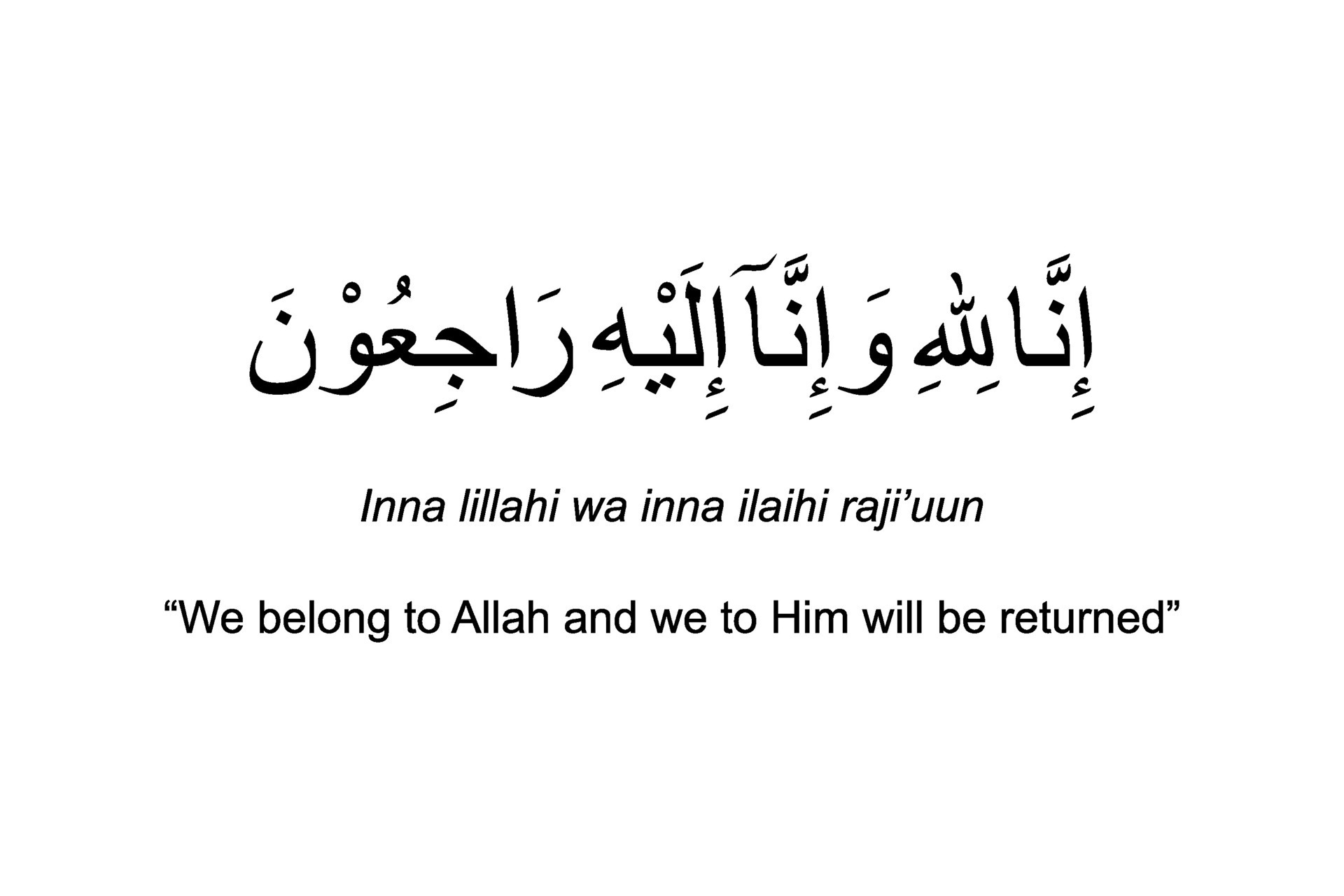
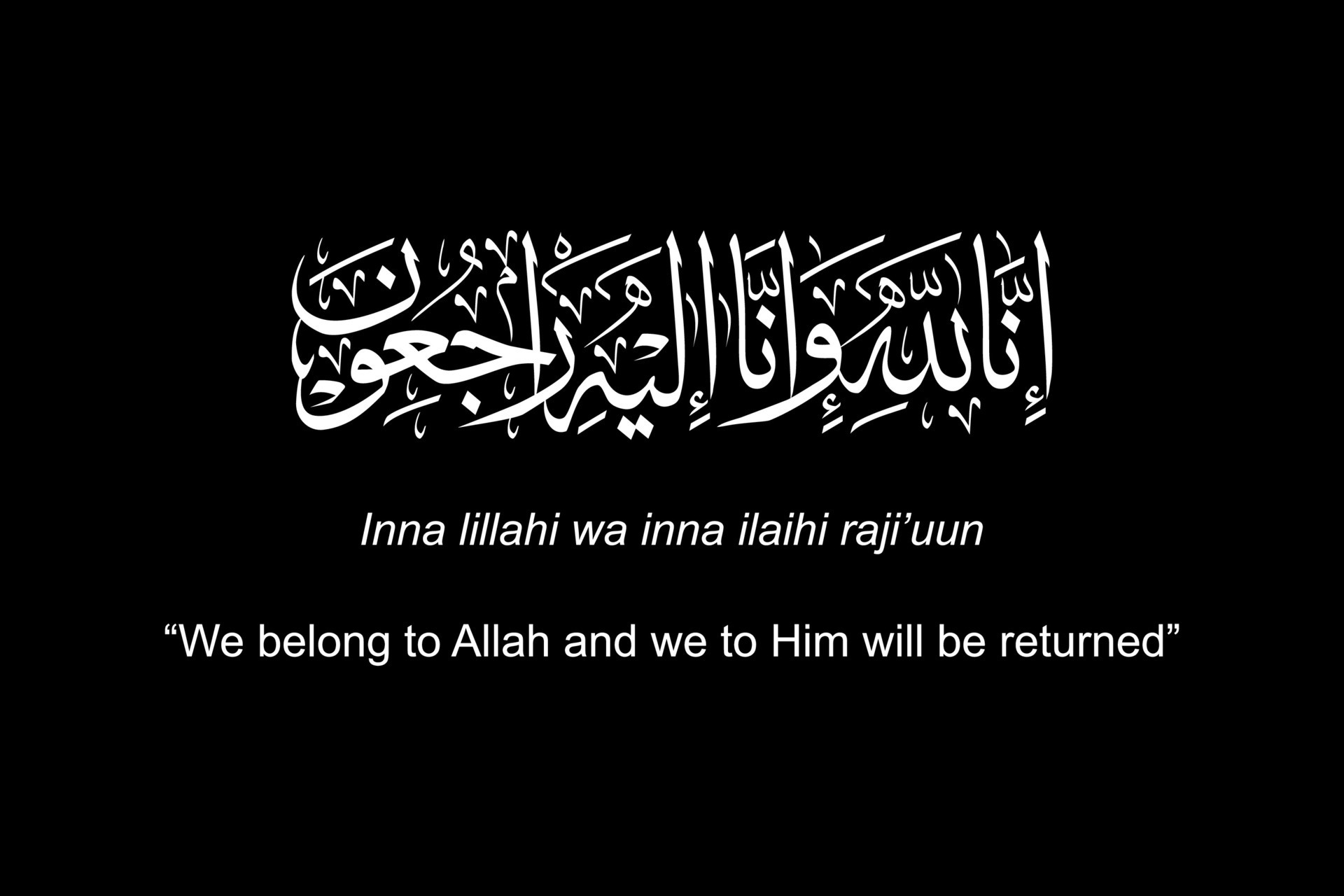
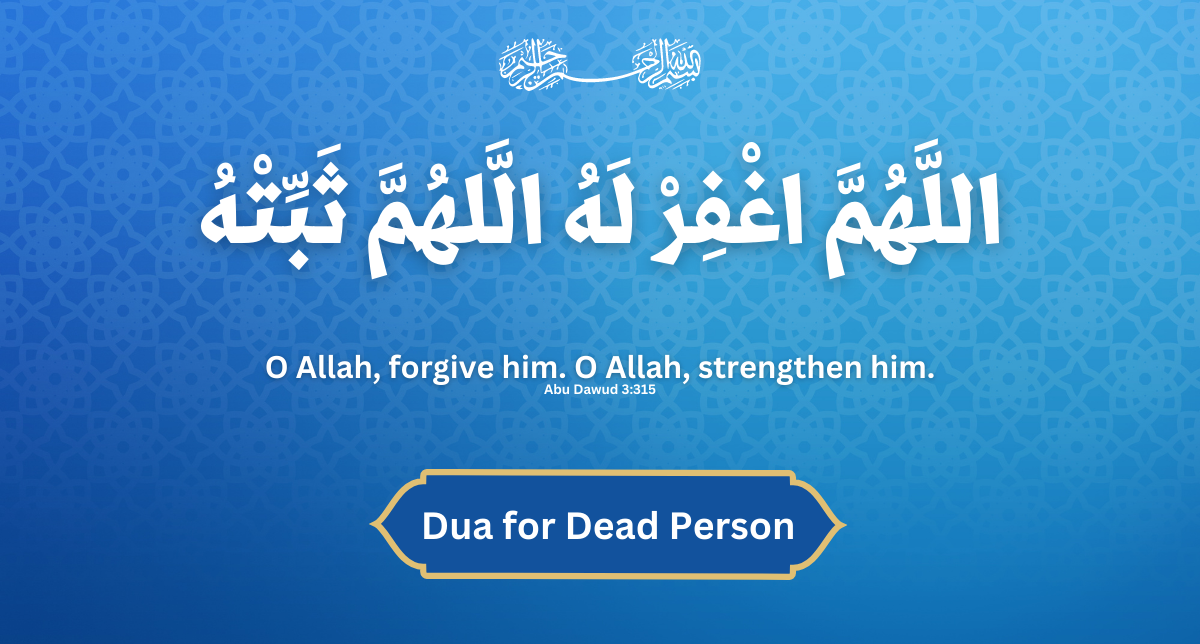
Common examples of what to say when a Muslim dies often revolve around acknowledging God's will and offering prayers for the deceased. A widely used and profoundly comforting phrase is "Inna lillahi wa inna ilayhi raji'un," which translates to "Indeed, we belong to Allah, and indeed to Him we will return." This declaration of faith is central to Islamic belief, reminding everyone of the transient nature of life and the ultimate return to the Creator. Another common expression is "Allah yerhamuh" (may Allah have mercy on him/her), or "Jannatul Firdaus" (Paradise), a prayer for the deceased to be granted the highest level of paradise.
Must Read
Beyond specific phrases, the tone and intention behind your words are crucial. It's about offering genuine comfort and support, not platitudes. When speaking to a grieving family, focus on expressing your sadness for their loss and offering practical assistance if appropriate. Simply being present, listening attentively, and offering a gentle hand can be more impactful than a lengthy speech. If you are unsure, it's perfectly acceptable to say, "I am so sorry for your loss," or "My deepest condolences to you and your family." The key is to be sincere and respectful.
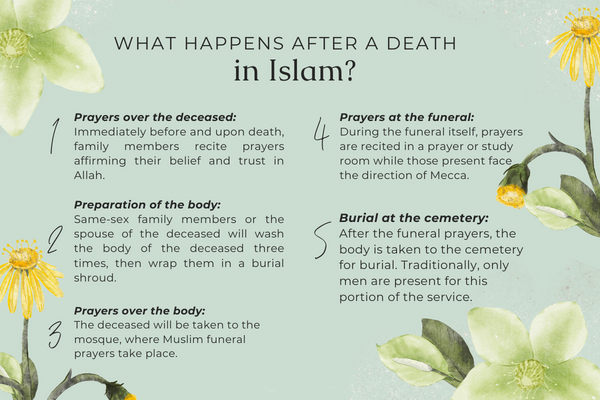
To truly appreciate and effectively engage in this practice, consider the following tips. Educate yourself on the basic Islamic customs surrounding death and mourning. This isn't about becoming an expert, but about understanding the general principles. For instance, knowing that swift burial is customary can help you understand the timeline of events. Listen more than you speak. The bereaved often need an ear to listen to their memories and feelings. If you are close to the family, offer concrete help like preparing meals, running errands, or assisting with childcare. This practical support can be a lifesaver during a time of overwhelming emotional burden. Finally, remember that kindness and compassion are universal languages. By approaching this situation with a heart full of empathy, you can offer meaningful comfort and support to those navigating one of life's most challenging journeys.