What Way Should A Ceiling Fan Turn In Winter
Ah, the humble ceiling fan! For many of us, it's the unsung hero of comfort, a whirring guardian against sweltering summer days. But have you ever stopped to think about its winter duties? While we often associate ceiling fans with cool breezes, they actually have a secret identity as a winter warmer, and knowing how to employ it can make a world of difference in your cozy abode.
The primary purpose of a ceiling fan, beyond its obvious cooling capabilities in warmer months, is to circulate air. In the winter, the magic lies in reversing this circulation. When you’re heating your home, warm air naturally rises and tends to get trapped near the ceiling. This leaves the lower, living areas feeling cooler and can lead to your heating system working overtime. A ceiling fan, set to spin in the opposite direction, gently pushes this warm air downwards, creating a more even and comfortable temperature throughout the room. It’s like giving your heating system a helpful nudge, making your home feel toastier without having to crank up the thermostat.
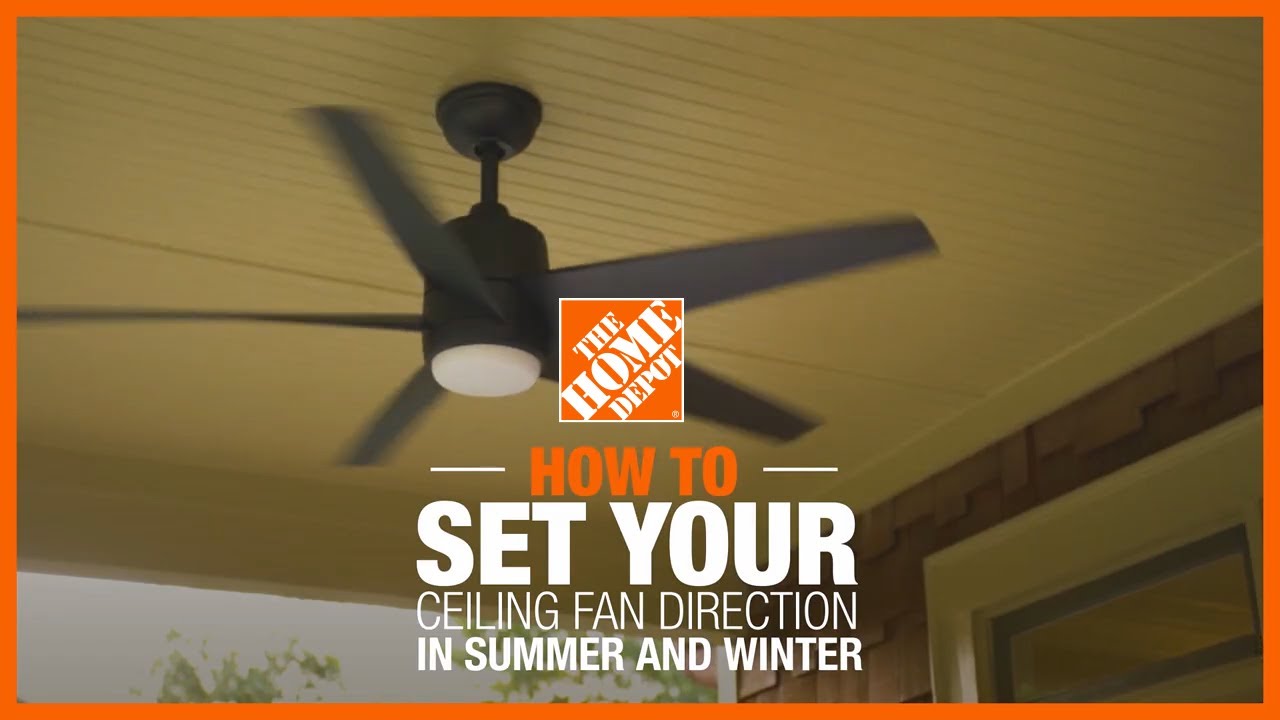
You might be thinking, "But I just use my fan in summer!" That's the beauty of it – it’s a dual-purpose appliance! You've likely seen the little switch on the side of your fan. That's your ticket to winter comfort. Most fans have two settings: clockwise and counter-clockwise rotation. In summer, you want the fan to spin counter-clockwise, pushing air directly down to create a cooling breeze. For winter, you'll want to switch it to spin clockwise.
Must Read
So, how do you enjoy this winter wonder more effectively? Firstly, make sure your fan is clean. Dust buildup can affect its efficiency and even cause it to wobble. A quick dusting of the blades will do wonders. Secondly, the fan should spin at its lowest speed setting in winter. You’re not aiming for a noticeable breeze, but rather a gentle, continuous circulation of air. The goal is to displace the warm air, not to create a draft that makes you shiver. You might even find that by using your fan correctly in winter, you can lower your energy bills because your heating system won't have to work as hard.
Experiment with the speed. Start at the lowest setting and see how it feels. You might be surprised by how much more comfortable your living space becomes. It’s a simple adjustment with a significant impact on your home's warmth and your overall comfort. So, this winter, don't let your ceiling fan sit idle! Give it a new job, embrace its warming capabilities, and enjoy a cozier, more energy-efficient home. It’s a small change that can make a big difference in how you experience the colder months.