
What Veg Can You Plant In July
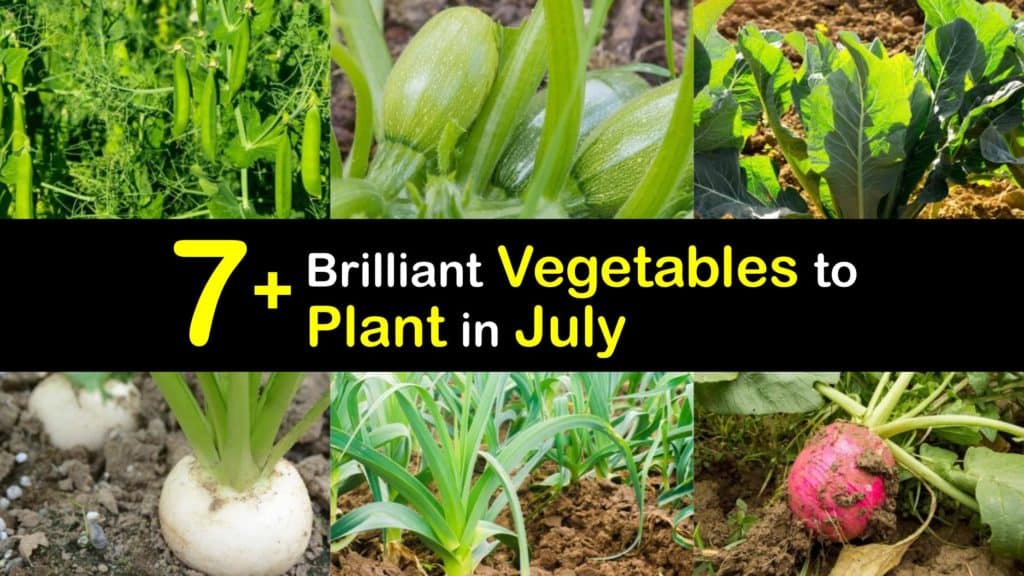
The other day, I was staring out at my garden, a patch of earth that usually looks like a well-tended chaos of greens and the occasional defiant weed. It was early July, and the heat was already doing its thing, making my usual enthusiastic weeding sessions feel more like a sweaty, slow-motion wrestling match with Mother Nature. My tomatoes were doing their superhero pose, all upright and loaded with fruit, and my zucchini, bless its prolific heart, was threatening to take over the entire universe. Everything was… fine. Almost too fine. It was then, amidst the hum of bees and the scent of ripening basil, that a thought struck me, a tiny seed of discontent: what else could I be doing with this precious garden space right now?
Because let’s be honest, July can feel like the peak of the summer garden, but it can also be a bit of a lull. The spring planting frenzy is long over, and the autumn bounty feels ages away. It’s that awkward in-between phase, where you might be tempted to just sit back, sip iced tea, and admire your handiwork. But if you’re anything like me, that feeling of untapped potential, of more, starts to niggle at you. Can we sneak in another round of something delicious? Can we jazz up this mid-summer doldrums with a bit of proactive planting?
The answer, my friends, is a resounding YES! July might not be the prime time for starting a whole new vegetable garden from scratch, but it’s a surprisingly excellent month for certain types of planting, especially if you’re looking for a late-season harvest or to fill in those inevitable gaps. It’s all about choosing the right crops, the ones that are a little more laid-back about the heat or are fast growers. So, grab your gardening gloves (or at least your metaphorical ones for now) and let’s dive into the wonderful world of July planting. You might be surprised at what you can still get into the ground and enjoy later this year.
Must Read
So, What Exactly Can You Plant in July?
The golden rule for July planting is to think about crops that can tolerate heat, are quick to mature, or are destined for a cooler autumn harvest. It’s a bit of a balancing act, really. You don’t want to set delicate seedlings up for a heatstroke, nor do you want to plant something that needs six months to ripen when you’ve only got a couple of months of decent weather left.
Let’s break it down into a few categories, shall we? Think of it as your July planting cheat sheet. No need for extensive crop rotation charts or complex soil analyses just yet. This is about getting your hands dirty and enjoying the fruits (and veggies!) of your labor, even when the sun is blazing.
The Quick & The Heat-Tolerant: Salad Stars and Speedy Growers
This is where July truly shines for many of us. If you’re craving fresh greens and don’t want to wait until next spring, July is your chance. Many leafy greens, particularly those that bolt (go to seed) in intense heat, can be coaxed into a late-season harvest if you give them a little strategic care. And some veggies are just naturally speedy Gonzales.
Lettuce: Ah, lettuce. The cornerstone of any good salad. Now, planting lettuce in the height of summer might sound like a recipe for disappointment, with those tempting heads turning bitter and shooting up flower stalks faster than you can say "harvest." But here’s the secret sauce: choose heat-tolerant varieties! Look for loose-leaf types or romaine varieties that have been bred for heat resistance. Planting them in a spot that gets some afternoon shade can also be a game-changer. Imagine, a fresh, crisp salad in late August or September, grown by you! Talk about a win.
Spinach: Similar to lettuce, spinach can be a bit fussy in the heat. However, just like its salad cousin, there are heat-tolerant spinach varieties out there. You can also sow seeds in a partially shaded area. Another trick? You can grow spinach for its baby leaves, which mature much faster and are less prone to bolting. Imagine snipping tender baby spinach for a quick sauté or a fresh addition to your sandwiches. It’s surprisingly rewarding!
Arugula (Rocket): This peppery delight is a super-fast grower. If you sow arugula in July, you can be harvesting its zesty leaves within a month. It’s fantastic for adding a bit of a kick to salads or topping pizzas. Just a heads-up, it can get a bit spicy in very hot weather, so again, a touch of afternoon shade is your friend here. Your taste buds will thank you.

Radishes: These little red (or white, or pink!) gems are the epitome of speedy. You can sow radish seeds in July and be pulling up their crisp, peppery roots in as little as three to four weeks. They’re perfect for filling in small gaps in your garden or for a quick succession planting. Plus, they’re a great crop to get kids involved with – the instant gratification is unparalleled!
Bush Beans: Unlike their pole bean cousins, bush beans are generally quicker to mature and don’t require trellising. If you plant them in early to mid-July, you can often get a decent harvest before the first frost. They’re relatively drought-tolerant once established and are pretty forgiving. Plus, who doesn't love the satisfaction of picking your own crunchy beans?
Carrots: While many people think of spring for carrots, you can absolutely sow carrot seeds in July for a fall harvest. Choose quick-maturing varieties (they’ll often be labeled as such). Ensure your soil is loose and free of rocks to allow those roots to grow straight and true. A good depth of soil is key here, so don't skimp!
Beets: Beets are another root vegetable that can be sown in July for a fall harvest. You can harvest the roots, and don’t forget the greens! Beet greens are incredibly nutritious and delicious, often overlooked but just as valuable as the root itself. You can even harvest baby beets for a more tender treat.
The Cool-Season Champions: Setting Up for Autumn
This is where the real forward-thinking gardener shines. July is the perfect time to start seeds for crops that prefer cooler weather and will mature in the crisp air of autumn. Think of it as planning your Thanksgiving dinner… in July. It requires a bit of foresight, but the payoff is immense.
Broccoli: Starting broccoli seeds in July is a classic move for a fall harvest. You’ll typically start them indoors or in a protected seedbed to give them a head start, and then transplant the seedlings out into the garden in late July or early August. They’ll grow through the warmer months and then really take off as the temperatures start to drop, producing those glorious heads.
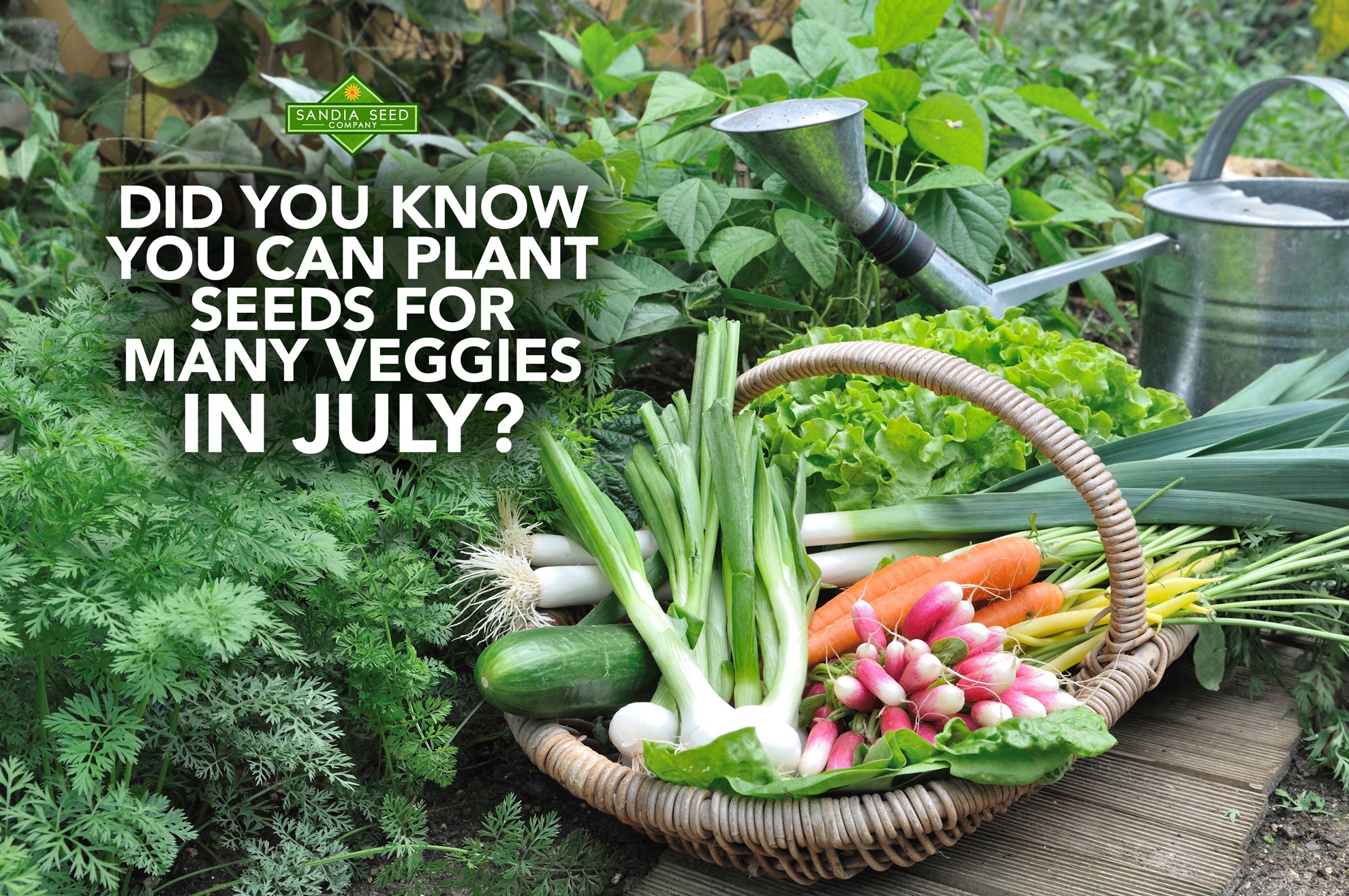
Cauliflower: Similar to broccoli, cauliflower is a cool-season crop best sown in July for an autumn crop. It can be a bit more finicky than broccoli, but the satisfaction of harvesting your own perfect white curds is totally worth the effort. Again, starting them as seedlings is often the way to go.
Cabbage: Whether you’re growing tight, round heads or loose, leafy varieties, cabbage can be sown in July for fall. It’s a robust vegetable that can handle cooler temperatures well. Imagine making your own coleslaw with homegrown cabbage in October! Dreamy, right?
Kohlrabi: This is a fun one! Kohlrabi, with its alien-like appearance, is a cool-season crop that can be sown in July for a fall harvest. It matures relatively quickly once the weather cools down, offering a crunchy, slightly sweet bulb that can be eaten raw or cooked.
Kale: Kale is a superhero of the garden, and it loves the cooler weather of fall. Sowing kale seeds in July will give it plenty of time to establish before the really cold weather hits. In fact, many kale varieties become even sweeter and more tender after a light frost. So, planting now means you’ll be enjoying kale well into the late autumn and possibly even winter!
Swiss Chard: While chard is a bit more tolerant of heat than some other leafy greens, it truly excels as the weather cools. Sowing chard in July will give you a beautiful, productive crop for late summer and fall. The colorful stems add a real visual pop to the garden, making it as ornamental as it is edible.
Asian Greens (Bok Choy, Tatsoi, etc.): These greens are often fast-growing and appreciate cooler temperatures. Sow them in July for a succession of harvests throughout the fall. They’re fantastic for stir-fries and add a unique flavor to many dishes. They’re also less prone to bolting in the heat than some of their Western cousins.

The Patient Ones: Crops Requiring a Bit More Time
These are the veggies that might seem a bit ambitious for July, but with the right timing and a bit of planning, you can still get them in the ground. They require a longer growing season, but if your climate has a decent autumn, they're definitely worth considering.
Peas: Okay, this one is a bit of a gamble depending on where you live, but if you have a longer growing season and a mild autumn, you can try planting certain varieties of peas in early July for a late fall harvest. You'll want to choose varieties known for their cold hardiness and quick maturity. This is definitely a more advanced July planting strategy, so do a little research on varieties suitable for your region and climate.
Parsnips: These sweet, earthy root vegetables are notoriously slow growers, often taking 120 days or more to mature. For this reason, planting parsnips in July is usually for gardeners in regions with very long growing seasons. If you have one, you’ll be rewarded with parsnips that sweeten even further after a frost, making them a true winter delight. Most of us will be planting these in spring, but it’s worth mentioning for the ambitious!
A Few Tips for Your July Planting Adventures
Planting in July, especially when it’s hot, requires a slightly different approach than spring planting. Don’t be discouraged if you need to adapt your usual methods. A little extra TLC can make all the difference.
Water Wisely: This is arguably the most important factor for July planting. Young seedlings and actively growing plants will need consistent moisture. Water deeply and less frequently rather than shallowly and often, encouraging roots to grow deeper into the soil. Early morning watering is best, as it allows the plants to hydrate before the heat of the day sets in and reduces evaporation. Seriously, don’t let those little guys dry out!
Provide Shade: For heat-sensitive seedlings, especially those leafy greens, a little shade can be a lifesaver. You can use shade cloth, create a temporary structure with netting, or even strategically plant taller crops to cast shade on your new sowings. Think of it as a spa day for your veggies.

Amend Your Soil: While you might not be starting a whole new garden bed, ensure the soil where you’re planting is rich and well-draining. Adding compost or other organic matter will help retain moisture and provide essential nutrients, giving your new crops the best possible start.
Succession Planting: This is your best friend in July. Don’t plant all your quick-growing crops at once. Sow a small batch of lettuce or radishes every week or two, and you’ll have a continuous harvest instead of a glut. Think of it as a never-ending salad bar.
Pest Patrol: July can bring out all sorts of unwelcome guests. Keep an eye on your new plantings and deal with pests promptly. The sooner you catch a problem, the easier it is to manage. Organic pest control methods are often the most effective and environmentally friendly.
Read the Seed Packet: This sounds so obvious, doesn't it? But seed packets are goldmines of information. They’ll tell you the days to maturity, planting depth, spacing, and often offer specific advice for different planting times. Don’t underestimate the humble seed packet!
Know Your Frost Dates: This is crucial for those planning for fall harvests. Make sure you know your average first frost date so you can calculate whether your chosen crops will have enough time to mature. There are plenty of online resources that can help you find this information for your specific location. Being aware of your frost date is like having a secret weapon.
So, there you have it. July planting isn't just about admiring what you’ve already grown; it's about actively cultivating more deliciousness. Whether you're aiming for a late-season salad boost or planning a robust autumn harvest, there are plenty of options to keep your garden producing and your taste buds happy. Go forth and plant, my friends!

![What Vegetables to Plant in July [Succession Sowing & Planting]](https://letsgrowcook.co.uk/wp-content/uploads/2020/06/vegetables-to-plant-in-july.jpg)