What Veg Can I Plant In July

Hey there, fellow garden gurus and wannabe green thumbs! So, the sun is blazing, the ice cream is melting at an alarming rate, and you're probably thinking, "Is it too late to plant anything in July?" Spoiler alert: Nope! You’re not out of luck, my friend. July is actually a fantastic month to get some more goodies growing, especially if you live in a place that enjoys a nice long growing season. Think of it as a cheeky second wind for your garden. We’re not talking about starting your prize-winning pumpkins from scratch, but we can definitely sneak in some delicious veggies before the autumn chill sets in. Let’s dive into what you can sow and grow this month, shall we?
First off, let’s acknowledge the obvious: it’s HOT. When you're heading out to plant, make sure you’re prepared. Hydrate yourself (with something other than just garden hose water, please!) and your new seedlings. Early mornings or late evenings are your best friends for any planting endeavors. Nobody wants to see their tender little sprouts wilt like a forgotten party balloon in the midday sun. It’s a sad sight, and frankly, a bit dramatic.
The Speedy Gonzales of July Planting: Quick-Growing Greens
If you’re looking for almost instant gratification (and who isn’t?), then greens are your absolute jam. These guys are practically built for speed. You sow them, you water them, and poof, you've got salad potential in no time.
Must Read
Leafy Lettuce: Your Salad Bar in Waiting
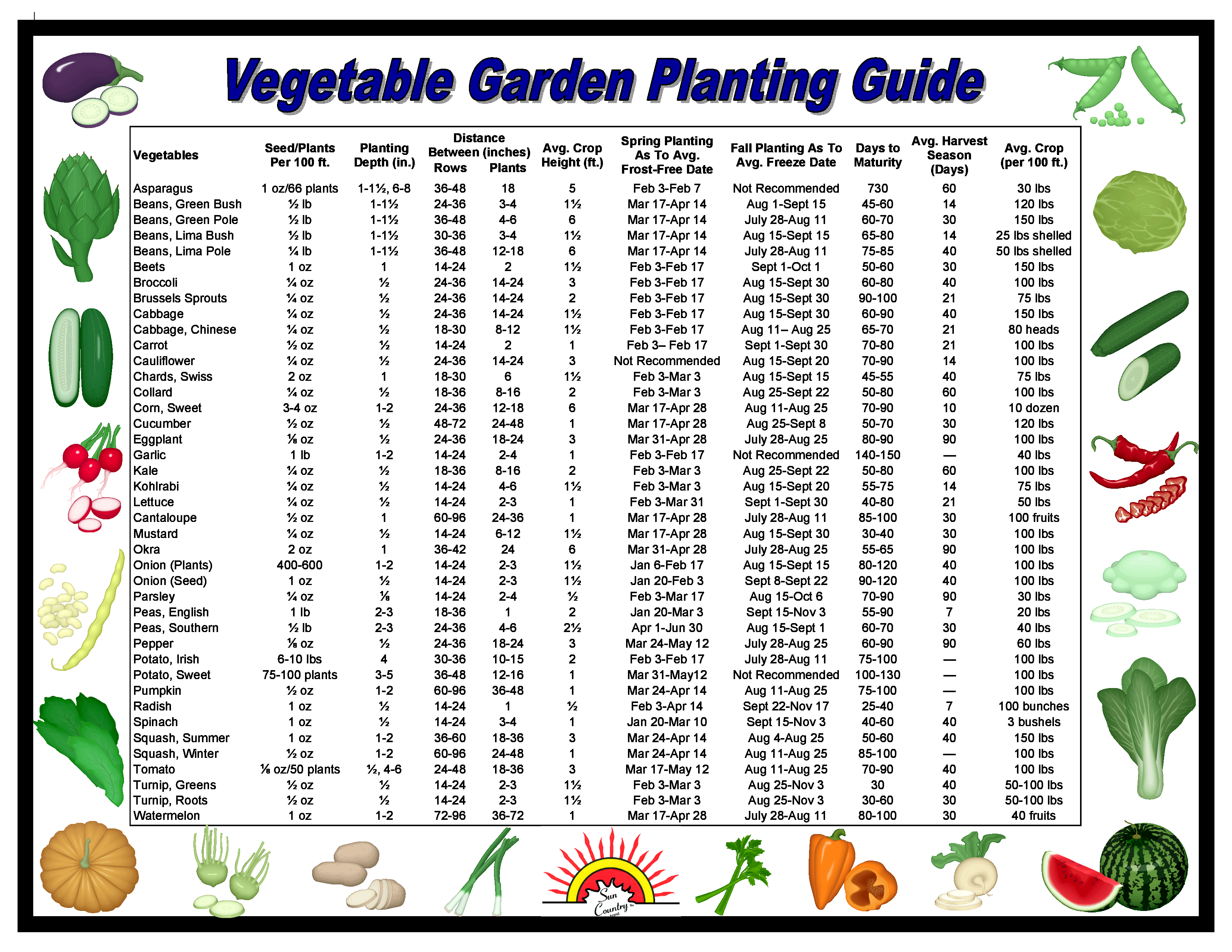
Lettuce is a champion for a reason. Many varieties can be sown in July and will be ready for harvest in as little as 3-4 weeks. Yes, you read that right. Think of all the delicious, fresh salads you can have! We’re talking crisp romaine, peppery arugula, tender butterhead, and the ever-popular loose-leaf varieties. Just sow them directly into well-drained soil, keep them consistently watered, and offer them a little bit of shade during the hottest part of the day. A bit of afternoon shade can be the difference between a happy, thriving lettuce patch and a bunch of sad, sun-scorched leaves.
You can even do a "cut-and-come-again" harvesting method. Just snip off the outer leaves, and the plant will keep on producing more from the center. It’s like having a perpetual salad machine in your backyard! How’s that for sustainable snacking? Just try not to eat it all in one sitting; that would be a rookie mistake. We’ve all been there, staring mournfully at an empty patch, wondering where all those lovely leaves went. Narrator: They were eaten.
Spinach: The Popeye Powerhouse
Spinach is another fantastic option for a quick summer harvest. While it prefers cooler weather, there are now plenty of heat-tolerant varieties available. Look for names like 'Tyee', 'Reddy', or 'Bloomsdale Long Standing'. These bad boys can handle a bit more sun and still give you that lovely, nutritious spinach goodness. Again, direct sowing is the way to go. Keep the soil moist, and you'll be enjoying your own homegrown Popeye fuel in no time. Just imagine the compliments you'll get when you serve up dishes with your own fresh spinach. "Oh, this old thing? Just something I whipped up from my garden," you’ll say, with a modest wink. Perfect.
Radishes: The Zingy Little Surprises
Radishes are the definition of "blink and you'll miss them." Some varieties can be ready to pull in as little as 20-25 days! They add a delightful crunch and a peppery kick to salads. Just sow the seeds thinly about half an inch deep, give them consistent water, and don't let them dry out. If they get too dry, they can become woody and unpleasant. We're aiming for delightful crunch, not a jaw workout. Cherry Belle, French Breakfast, and Icicle are all great choices. Plus, the leaves are edible too! A little extra bonus for your efforts. So, not only do you get tasty roots, but you get to use the whole plant. Talk about a garden MVP!
Asian Greens: Go Beyond the Usual Salad
Feeling a bit adventurous? Why not try some Asian greens? Varieties like bok choy, tatsoi, and mizuna are fast growers and offer a slightly different flavor profile. They’re fantastic in stir-fries, soups, or even lightly sautéed. Sow them directly into the ground, keep them watered, and enjoy their unique textures and tastes. They can handle a bit of heat, especially if you provide some partial shade. Don’t be intimidated; they’re just as easy to grow as lettuce, but they’ll make your meals feel a little more exotic. Impress your friends with your "fusion cuisine" skills, all thanks to your humble garden. Bam!
The Mid-Season Marvellous: Root Veggies with Grit
While the super-fast growers are tempting, July is also a great time to sow some root vegetables that need a bit more time but will reward you handsomely. These are the workhorses of the vegetable patch, the ones that store well and keep you fed through the cooler months.
Carrots: Sweetness from the Soil
Don’t despair if you missed the spring carrot window! Many carrot varieties can still be sown in July for a fall harvest. Look for shorter, faster-maturing varieties if you're in a region with a shorter growing season or just want quicker results. Sow them directly into well-dug, stone-free soil. This is crucial, folks. If you have rocky soil, your carrots will grow wonky and misshapen, like little vegetable rejects. And who wants reject carrots? So, a bit of soil prep goes a long way here. Keep the soil consistently moist, especially during germination. Patience is key; they can be a bit slow to sprout, but oh-so-worth-it when those sweet roots start to form.
Think of the satisfaction of pulling up a bright orange, perfectly formed carrot. It’s a simple pleasure, but a profound one. And don't forget to try different colors! Purple, yellow, and white carrots are not only delicious but also add a stunning visual element to your dishes. They’re like the disco dancers of the carrot world – fun, vibrant, and unexpected.
Beets: Double the Deliciousness
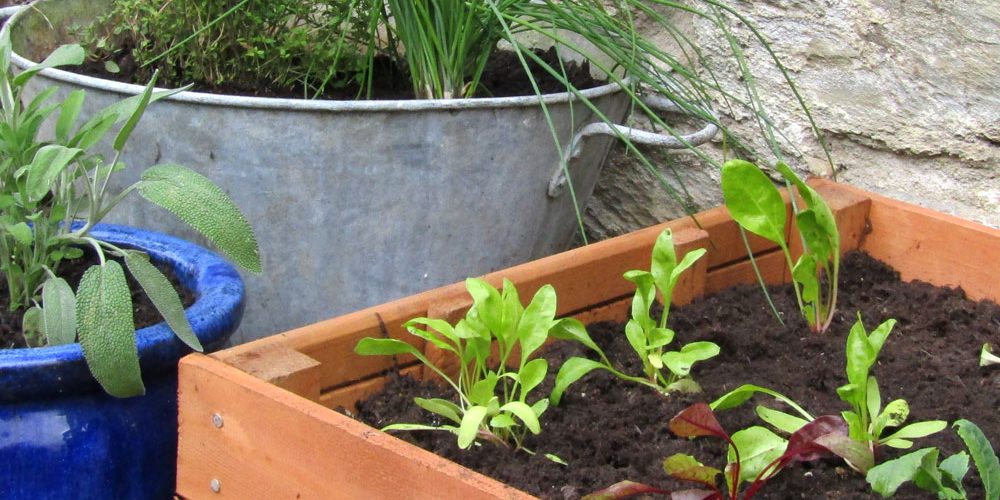
Beets are another fantastic July planting option. You get not only the delicious roots but also the tender, nutritious beet greens. Sow them directly about half an inch deep, with about 2-3 inches between seeds. Like carrots, they prefer well-drained soil. Keep them watered, and you'll be harvesting both roots and greens in about 50-60 days. They’re quite hardy and can tolerate a bit of cooler weather as they mature, making them ideal for a fall crop. Imagine beet salads, roasted beets, and beet greens sautéed with garlic. Mmm, deliciousness!
Beets are surprisingly versatile. You can roast them until sweet and tender, pickle them for a tangy treat, or even add them to smoothies for a healthy boost. And the greens? Don't even get me started! They’re like a superfood power-up. So, don't underestimate the humble beet; it’s a garden superstar in disguise.
The Bushy Beauties: Beans and Peas for the Win
If you've got a bit of space and some support structures, beans and peas are a classic summer planting choice that can extend your harvest well into the fall.
Bush Beans: Easy-Peasy, Lemon Squeezy
Bush beans are incredibly easy to grow and are perfect for beginners. They don’t need any support, which is a win in my book. Sow them directly into the ground after the last frost (which, by July, is long gone!). Give them about an inch of soil and plenty of sunshine. They love the heat, so July is prime time for them. Keep them watered, and you’ll be harvesting pods in about 50-60 days. Varieties like 'Blue Lake 274', 'Provider', and 'Contender' are all reliable choices. Imagine a warm summer evening, picking fresh green beans straight from the plant. Pure garden bliss.
When it comes to harvesting, pick them regularly. This encourages the plant to produce more. If you leave them on the plant, they’ll mature into large beans, which are great for drying, but you’ll miss out on those tender, young pods. So, keep picking! It's a tough job, but somebody's gotta do it, right?
Peas: A Little Cooler, But Still Possible
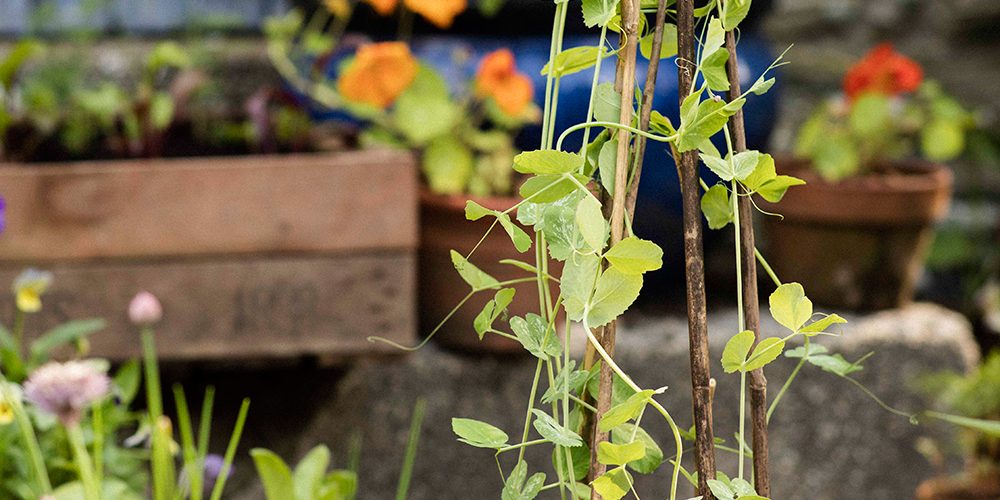
While peas generally prefer cooler weather, in many regions, you can still get a decent fall crop by sowing them in early to mid-July. Look for heat-tolerant varieties or opt for those that mature quickly. You’ll want to provide them with some support, like a trellis or netting, as they are climbers. Sow them about an inch deep. They’ll need consistent watering, and if the summer heat is particularly brutal, a bit of partial shade can help. The sweet reward of fresh peas, popped right out of their pods, is a summertime (and early fall-time) treat that’s hard to beat.
The satisfaction of picking your own peas is immense. It’s like unlocking a tiny treasure chest with every pod you open. And if you're lucky enough to have a squirrel that doesn't get to them first, you're in for a real treat. They are remarkably quick to mature once they get going, so keep an eye on them.
Herbs: The Flavor Boosters
Okay, technically not vegetables, but herbs are essential for turning those veggies into culinary masterpieces! Many herbs can be sown from seed in July or, even easier, purchased as small plants and transplanted. Basil, cilantro, parsley, dill, mint – the gang’s all here!
Basil absolutely thrives in the summer heat. Sow it directly or transplant. Keep it watered and pinch off the flowering tops to encourage bushier growth and more leaves. Cilantro can bolt (go to seed) quickly in hot weather, so consider sowing it in a shadier spot or opting for more heat-tolerant varieties. Parsley is a bit more forgiving and can tolerate a range of conditions. And dill? Well, dill is just happy to be there, adding its feathery charm to everything.
Don’t forget about mint! Just be warned: mint is like the tenacious teenager of the herb world. It will spread like wildfire if you give it an inch. Plant it in its own container or a contained bed unless you want your entire garden to be taken over by minty goodness. You’ve been warned!
A Few More Tips for Your July Planting Success
Water Wisely: This is probably the most important tip for July planting. Keep your soil consistently moist, but not waterlogged. Water deeply in the morning or evening to minimize evaporation and heat stress on your plants. A good watering can or a soaker hose is your best friend.

Mulch, Mulch, Mulch!: A layer of mulch around your plants is a lifesaver in the summer. It helps retain moisture, suppress weeds (hallelujah!), and keep the soil temperature more even. Straw, shredded leaves, or compost all work wonders.
Feed Your Friends: While not strictly necessary for all these quick growers, a little bit of organic fertilizer or compost can give your plants a boost, especially in the heat. Happy plants are more resilient plants!
Pest Patrol: Keep an eye out for common garden pests. Aphids love tender new growth, and slugs can be a nuisance. A quick spray of soapy water can often do the trick for aphids. For slugs, well, you might have to get creative (or just accept a few nibbles – it’s nature, after all).
Succession Planting: This is the fancy term for sowing small batches of seeds every few weeks. For things like lettuce and radishes, this means you'll have a continuous harvest instead of a giant glut all at once. It’s like having a never-ending buffet of fresh produce. Genius, I tell you!
So there you have it! July isn't a time to hang up your gardening gloves; it’s a time to get creative and sow some more goodness. You can still fill your basket with delicious, homegrown vegetables. Even if you only have a small balcony or a tiny patch of earth, there's always something you can plant. The joy of nurturing something from a tiny seed to a bountiful harvest is one of life's simple pleasures. And in a world that often feels a bit chaotic, there’s something incredibly grounding and uplifting about getting your hands in the soil and watching life flourish. So go forth, plant something, water it, and get ready to enjoy the delicious fruits (or rather, vegetables!) of your labor. Your taste buds, your stomach, and your soul will thank you. Happy planting!