What To Use In Place Of Thyme
So, you're humming along, chopping away, feeling like a culinary wizard in your own kitchen. The recipe calls for thyme, that little herb with the big personality. You reach for your trusty spice rack, ready to sprinkle that magic dust, and BAM! Empty jar. Panic, right? Absolutely not! Think of this as an exciting detour, a culinary plot twist, a chance to discover a whole new world of deliciousness. It's like realizing your favorite superhero has a secret twin who's even cooler.
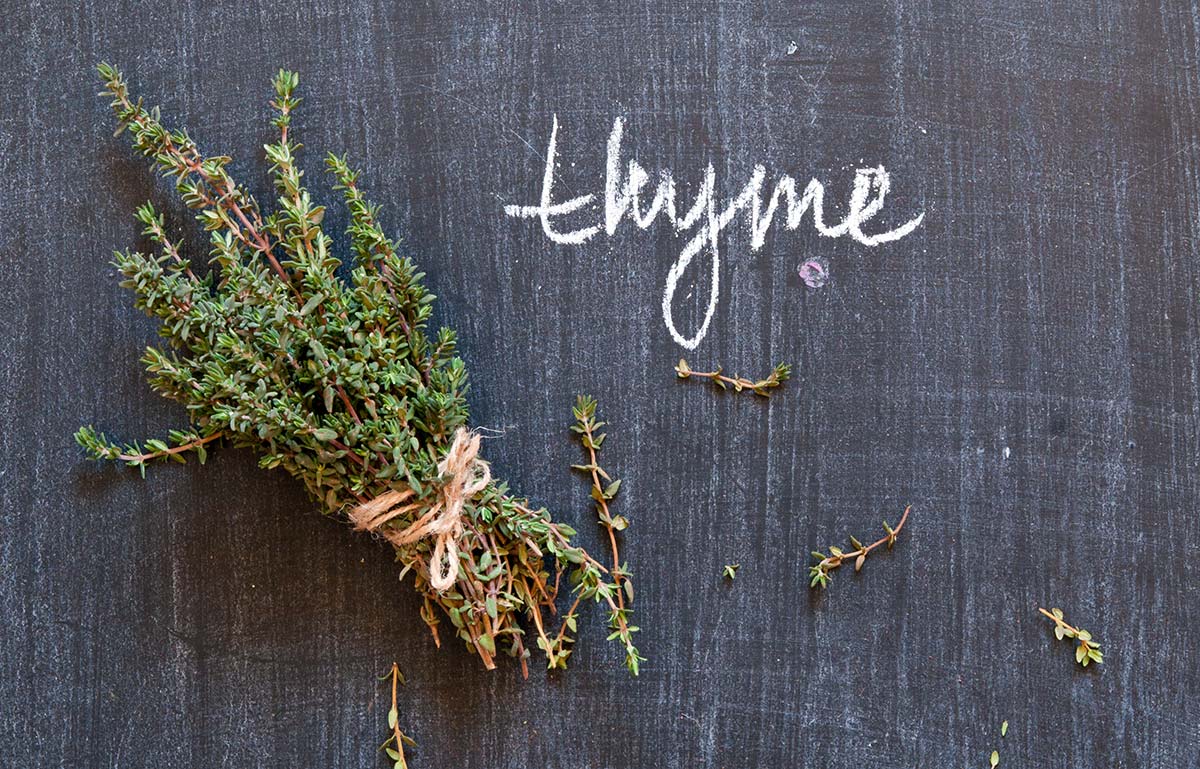
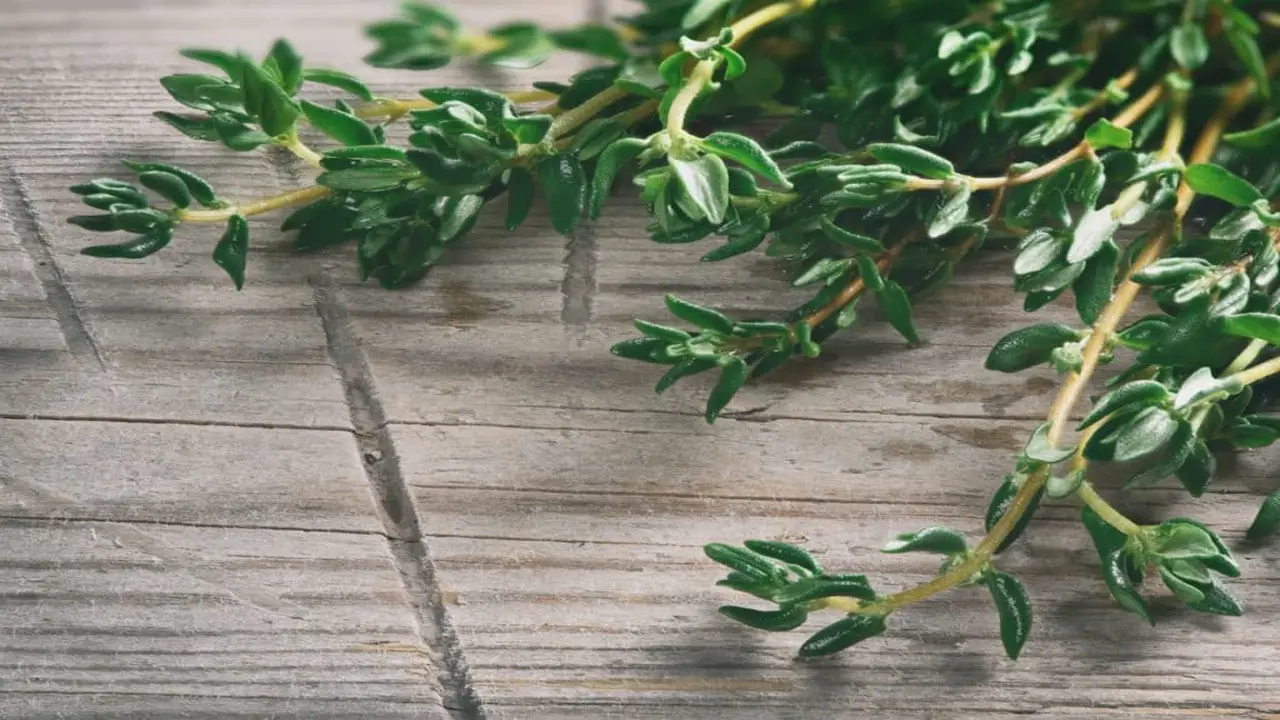
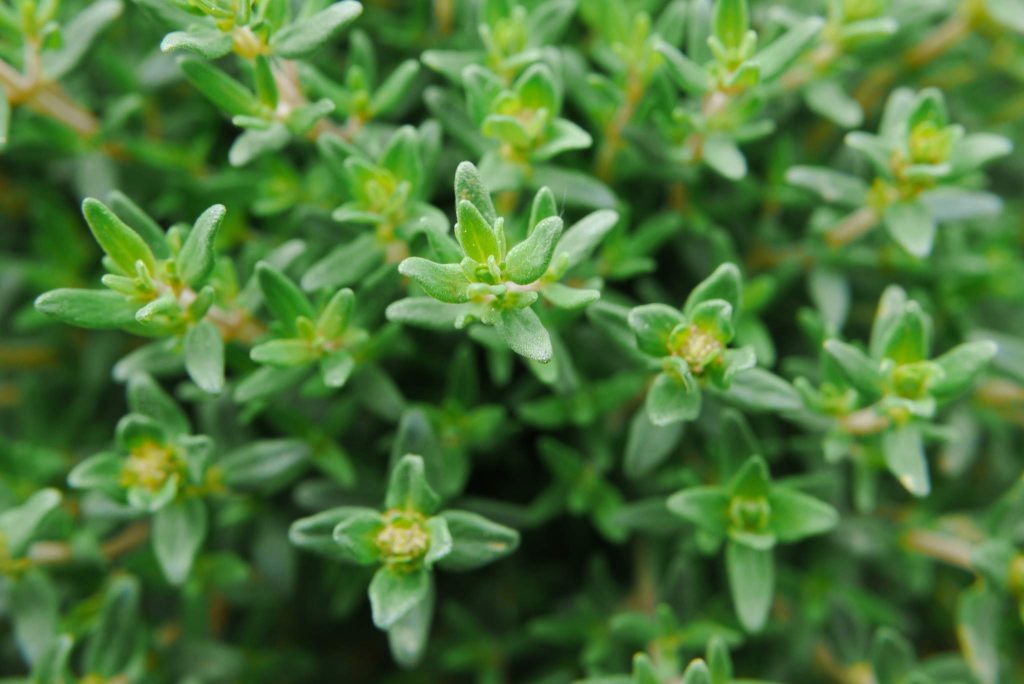
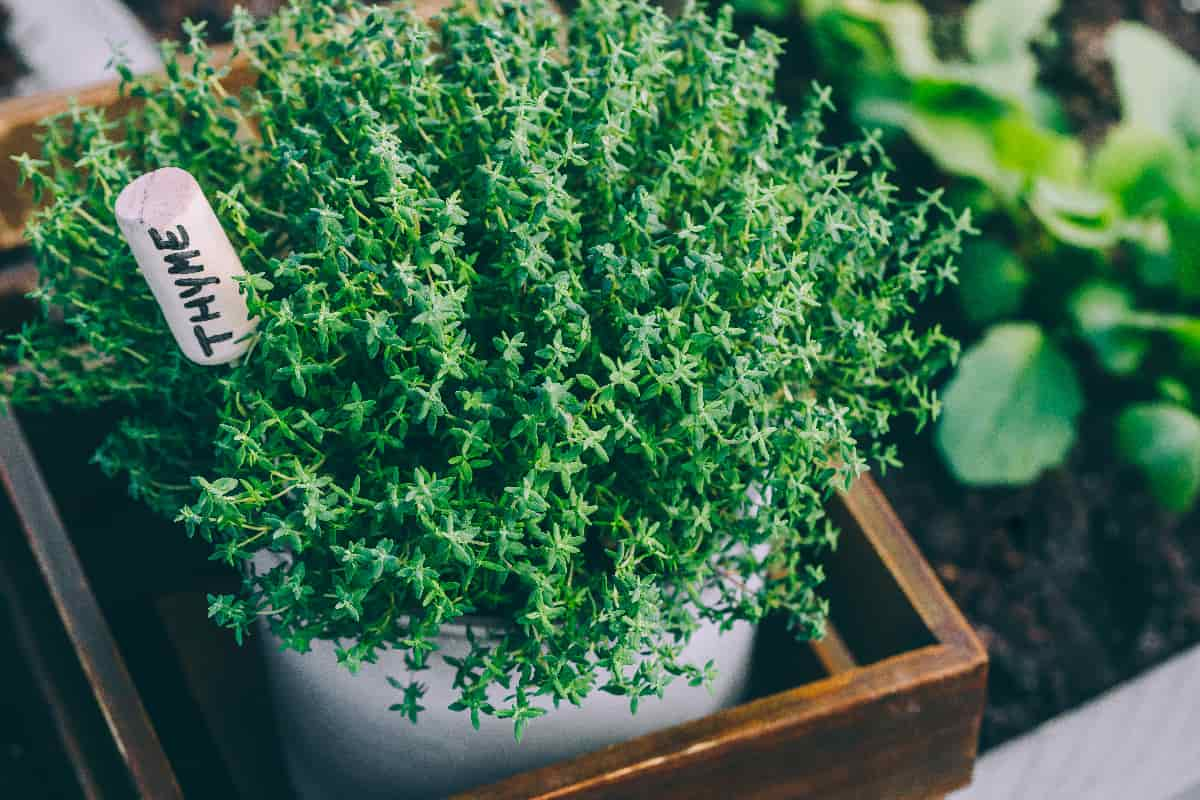
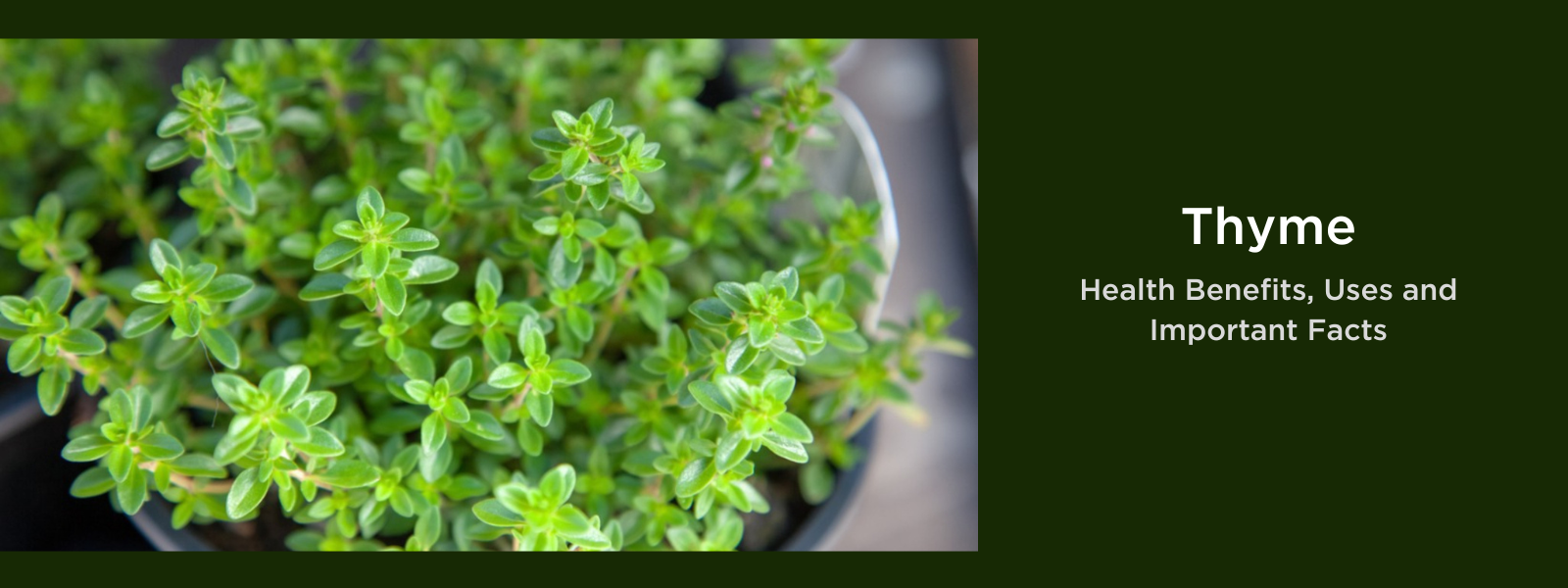
Now, before you start imagining a sad, flavorless meal, let's chat about what makes thyme, well, thyme. It’s that warm, slightly earthy, a little bit minty, with a whisper of lemon vibe. It plays nice with almost everything, from roasted chickens that sing praises to hearty stews that hug you from the inside. But guess what? Many other herbs and spices are practically thyme's best friends, just waiting for their moment in the spotlight. They've been hanging out backstage, practicing their solos, and are ready to knock your socks off.
First up, let’s talk about our trusty sidekick, Rosemary. If thyme is the quiet, wise sage of the herb world, rosemary is the flamboyant rockstar. It’s got a piney punch, a fragrant perfume that fills your kitchen, and it just loves to hang out with meats. Think of it as thyme's slightly more boisterous cousin who always brings the best stories to family gatherings. When you need that robust, aromatic kick that thyme often provides, rosemary is your go-to. It’s fantastic with roasted potatoes, lamb, and even in bread. Just remember, a little goes a long way, so start slow and let its bold flavor woo you.
Must Read
Then there's Sage. Ah, sage. This herb has a history as rich as its flavor. It’s earthy, peppery, and has a wonderfully comforting aroma. Sage is the herb you want when you’re feeling a bit nostalgic, maybe thinking of grandma's kitchen or a cozy autumn evening. It’s brilliant with poultry, especially turkey, and shines in dishes like stuffing. It’s also surprisingly good with pork. If you're aiming for that deep, grounding flavor that thyme offers, sage will absolutely deliver. It’s like finding a forgotten lullaby that instantly soothes your soul.
Let's not forget our little green wonders: Oregano and Marjoram. These two are practically twins, but with slightly different personalities. Oregano is the zesty, slightly pungent one. It’s the life of the party, especially in Mediterranean dishes. Think pizzas, pastas, and grilled vegetables. Marjoram, on the other hand, is a bit milder, sweeter, and more delicate. It’s like oregano’s shy but equally charming sibling. Both can offer a warm, herbaceous note that, while not an exact clone of thyme, brings a similar comforting complexity. If your dish is leaning towards Italian or Greek, these are your superstars.
Now, for something a little unexpected. Ever considered Savory? There are two types: summer and winter. Summer savory is a bit brighter, with a peppery, minty note. Winter savory is more robust and earthy, with a hint of thyme itself! It's like discovering thyme's secret mentor. Both can add a fantastic depth to bean dishes, roasts, and stews. It's one of those "aha!" moments in the kitchen, realizing a less common herb can be an absolute game-changer.
And what about those little dried flakes of magic? Dried Marjoram can be a fantastic substitute. Since dried herbs are more concentrated, you might want to use a bit less than you would fresh thyme, but it offers a similar warmth and sweetness. Think of it as a concentrated hug of flavor.
Sometimes, the simplest solutions are the best. Have you ever thought about a little pinch of Lemon Zest? While it doesn’t replicate the earthy notes of thyme, it can bring that bright, citrusy lift that thyme often contributes to a dish, especially when paired with other herbs. It's like a wink and a smile, adding a bit of unexpected sunshine.
And if you're really in a pinch and have a well-stocked pantry, a tiny touch of Fennel Seed can sometimes lend a subtle anise-like sweetness and warmth that, in certain contexts, can echo some of thyme's more complex notes. It’s a daring move, but one that can lead to delightful discoveries.
The beauty of cooking is its adaptability. It's not about rigid rules; it's about understanding flavors and how they dance together. So, the next time you're staring into an empty thyme jar, don't sigh. Smile! It's an invitation to experiment, to be a little bit brave, and to discover new favorites. You might just find that your "accident" leads you to a culinary revelation, a flavor combination so good, you'll wonder why you ever stuck to just one herb. Happy cooking, and may your kitchen always be filled with delicious surprises!