What Temperature Is Too Hot For A Dog
Let's talk about our furry best friends! We all love taking our canine companions on adventures, whether it's a sunny park day, a hike through the woods, or even just a leisurely stroll around the neighborhood. But as the mercury rises, so does our concern for their well-being. Understanding just how hot is too hot for our dogs isn't just a good idea; it's a vital part of being a responsible pet parent. This is a topic that pops up every summer, and for good reason – it’s incredibly useful information that can literally save lives!
Why This Matters More Than You Think
Our dogs are amazing creatures, but they don't have the same sophisticated cooling systems as we humans do. We sweat all over our bodies to regulate our temperature. Dogs, on the other hand, primarily rely on panting to get rid of excess heat. This method is efficient, but it has its limits, especially when temperatures soar. When the environment gets hotter than their bodies can manage through panting, they can quickly overheat, leading to a dangerous condition known as heatstroke. This isn't just about discomfort; it's a serious medical emergency that can cause significant organ damage and, sadly, be fatal if not treated promptly.
Knowing the signs and understanding safe temperature ranges allows us to make informed decisions. It means knowing when to skip that midday walk, when to seek out shady spots, and when it’s simply too dangerous for your pup to be outside for extended periods. It’s about planning ahead, adapting our routines, and ensuring our dogs can enjoy the warmer months without putting their health at risk. Plus, it gives you peace of mind knowing you're doing everything you can to keep your beloved companion safe and happy!
Must Read
The Magic (and Danger) Zone: What Temperature Is Too Hot?
So, what's the magic number? The truth is, there isn't one single temperature that applies to every dog. It's a bit more nuanced, influenced by several factors. However, general guidelines can help us stay on the safe side. As a rule of thumb, when the ambient temperature reaches around 75-80 degrees Fahrenheit (24-27 degrees Celsius), you should start paying extra attention to your dog's well-being. Above 80°F (27°C), the risk significantly increases, especially for certain breeds and individuals.
The absolute danger zone, where heatstroke becomes a very real and immediate threat, is generally considered to be above 90°F (32°C), particularly when combined with high humidity. But remember, this is a general guideline. Factors like:

- Breed: Brachycephalic (short-nosed) breeds like Pugs, Bulldogs, and Boxers have a harder time breathing and panting efficiently, making them much more susceptible to heat. So, for these pups, even 70°F (21°C) might feel quite warm!
- Coat Type and Color: Dogs with thick, dark coats absorb more heat than those with lighter, thinner fur.
- Age and Health: Puppies and senior dogs have less developed or compromised thermoregulation. Dogs with underlying health conditions, especially heart or respiratory issues, are also at higher risk.
- Activity Level: An energetic dog sprinting around will overheat much faster than a dog resting in the shade.
- Humidity: High humidity makes it harder for dogs to cool down through panting because the air is already saturated with moisture. So, 85°F (29°C) with 80% humidity is far more dangerous than 85°F (29°C) with 20% humidity.
Therefore, it's crucial to observe your individual dog. If you’re seeing signs of overheating, it's already too hot for them, regardless of the thermometer reading.
Recognizing the Warning Signs
This is where being a vigilant pet parent really shines! Knowing the subtle (and not-so-subtle) signs of heat stress can help you intervene before things get serious. Keep an eye out for:
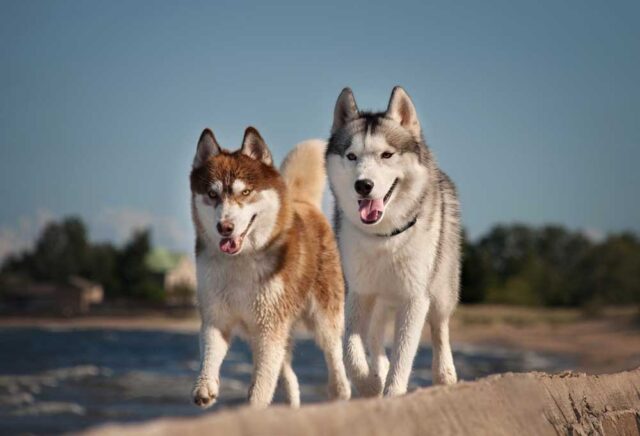
- Excessive Panting: While panting is normal, excessive or heavy panting, especially when your dog isn't actively exercising, is a major red flag.
- Drooling: Thick, ropey saliva is another sign of distress.
- Red Gums and Tongue: Bright red gums and tongue can indicate increased blood flow as the body tries to cool itself.
- Lethargy and Weakness: If your dog suddenly becomes unusually tired, reluctant to move, or seems weak, it's time to get them to a cooler place.
- Dizziness or Stumbling: Loss of coordination is a serious sign.
- Vomiting or Diarrhea: These can occur as heatstroke progresses.
- Glazed Eyes: Their eyes might appear unfocused or glassy.
If you notice any of these symptoms, it's imperative to act immediately. Get your dog into a cool environment (air conditioning is ideal), offer small amounts of cool (not ice-cold) water, and use cool water to wet their body, especially their belly and paws. Never use ice-cold water, as this can cause shock. If symptoms are severe or don't improve quickly, contact your veterinarian immediately.
Keeping Your Cool Canine Companion Safe
The good news is, with a little planning, you can help your dog enjoy the summer safely. Here are some essential tips:
- Avoid Peak Heat Hours: Schedule walks and outdoor play for the cooler parts of the day – early morning and late evening.
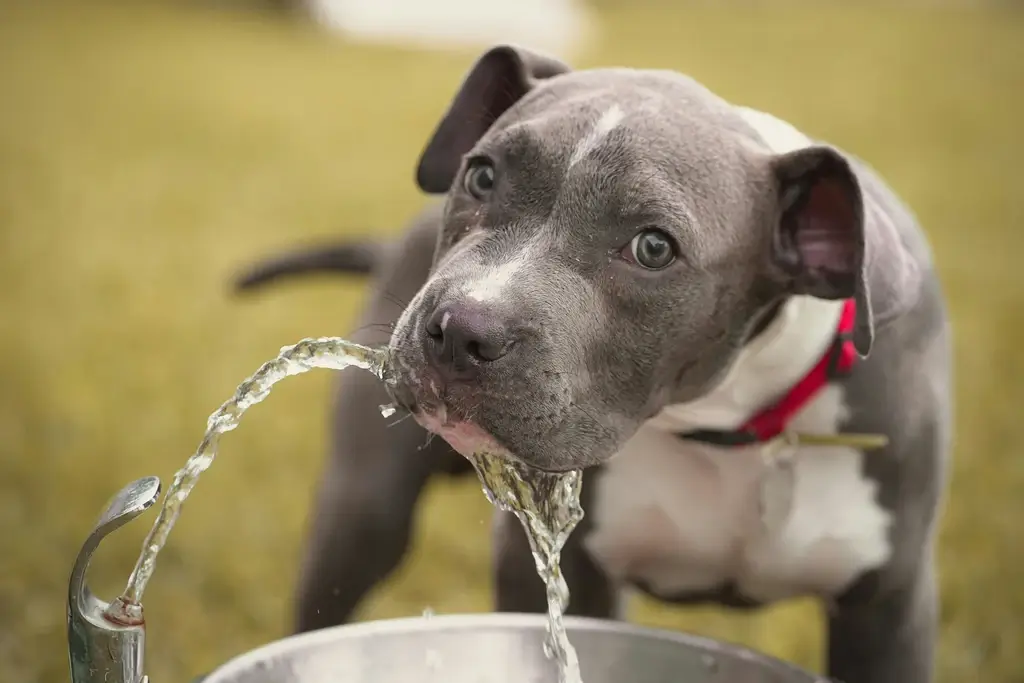
- Hydration is Key: Always ensure your dog has access to plenty of fresh, cool water. Carry a portable water bowl on outings.
- Seek Shade: If you're out and about, find shady spots for your dog to rest.
- Never Leave in a Parked Car: This cannot be stressed enough. Even on a mild day, a car can become a deadly oven in minutes. Temperatures inside can rise dramatically, and leaving your dog unattended is extremely dangerous.
- Cooling Gear: Consider cooling mats, vests, or bandanas for extra relief.
- Water Fun: Many dogs love playing in sprinklers, kiddie pools, or even just wading in shallow water.
- Know When to Stay In: On exceptionally hot days, it's best to keep your dog indoors in a cool, air-conditioned environment.
By understanding what temperatures are too hot for our dogs, recognizing the signs of distress, and taking proactive steps to keep them cool, we can ensure they stay healthy, happy, and safe all season long. Happy tails and cool breezes!