What Is The Slowest Healing Part Of The Body
Hey there, curious minds! Ever wondered what part of your amazing body is a bit of a laid-back learner when it comes to bouncing back? We all heal, right? That little scrape on your knee? Poof, gone in a few days. That papercut that stings like crazy? Eventually, it fades away. But there's one hero in the healing Olympics that takes its sweet time, a true champion of patience.
So, what is this master of mending, this slow-poke superstar? Drumroll, please... it's your cartilage!
Yep, that's right! Cartilage. You might know it as that smooth, tough stuff in your ears that keeps them perky, or the bouncy bits between your ribs that let you take a deep breath. It's also a key player in your joints, acting like a secret lubricant that lets your bones glide happily against each other. Pretty important, huh?
Must Read
Now, why is cartilage such a chill healer? Think about it this way: most of your body's tissues are like bustling cities with lots of roads and highways for nutrients and repair crews to zoom around. Your skin, for example, is crisscrossed with tiny blood vessels, like little delivery trucks constantly bringing in supplies. Your muscles are packed with them too.
But cartilage? It's more like a serene, quiet village. It has very few blood vessels. In fact, some types of cartilage have no blood vessels at all! It's like trying to run a busy construction site with only a bicycle for deliveries. Things are going to move a whole lot slower.

This lack of a robust blood supply means that when cartilage gets injured, the repair materials – all the good stuff your body needs to fix things – have to travel a much longer, more complicated route to get there. It's like trying to send a package across the country with only one bus route. It takes time, and the delivery might not be as speedy as you'd like.
Imagine a tiny tear in your knee cartilage. Instead of a swift squad of blood cells rushing to the scene, they have to slowly diffuse through the surrounding tissues. It's a bit like waiting for your favorite pizza delivery to arrive after a major traffic jam. Delicious, eventually, but a long wait!

This is why cartilage injuries can be so frustrating. That little twinge in your knee from a sports mishap? It might not heal up as quickly as you’d hope. It’s like the body is saying, “Okay, I see the problem, but I’m going to take my time and do this properly.” It’s not being lazy; it’s just working with the resources it has.
Think of your cartilage as a really old, wise library. New books (fresh cells) are added very slowly, and damaged books (injured cells) are repaired with a meticulous, unhurried process. No rush, just careful restoration.
And here’s where it gets really interesting and kind of charming. Because cartilage heals so slowly, it’s also incredibly durable and lasts a long time when it’s healthy. It’s built for endurance, not for speed. It’s the marathon runner of your body, not the sprinter.
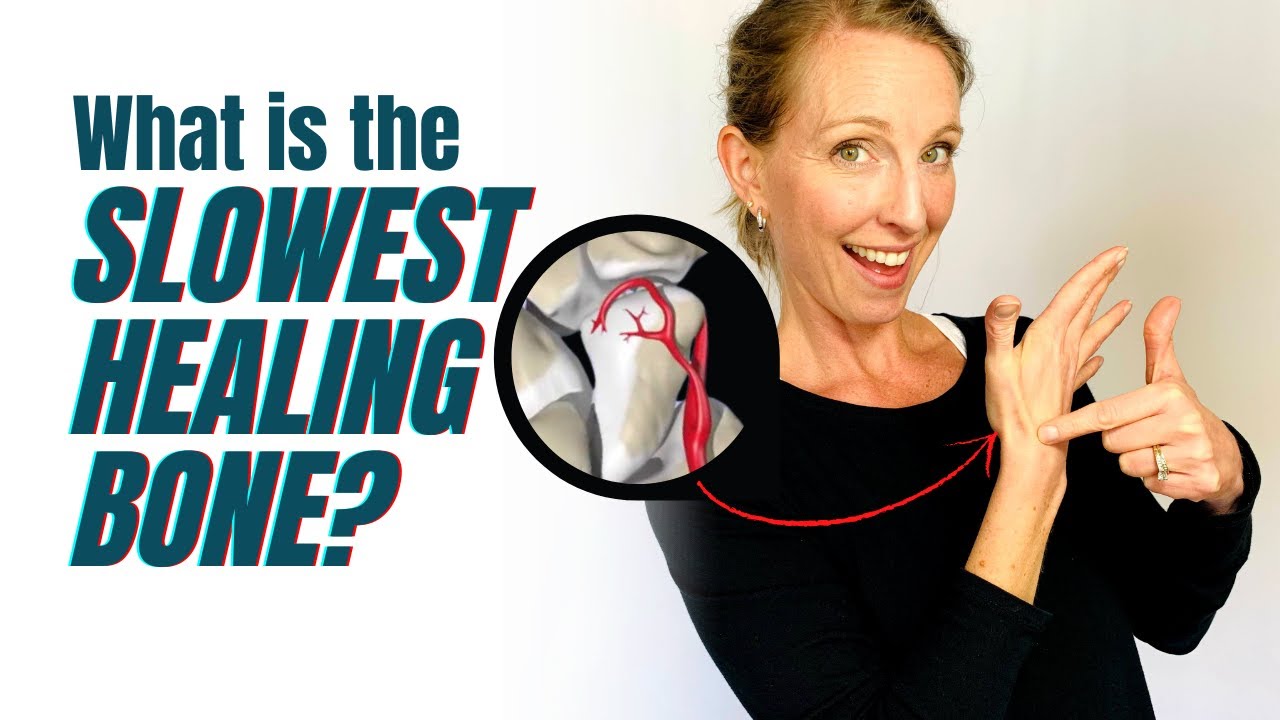
It's a fascinating trade-off, isn't it? It gives us the ability to move smoothly for decades, but when something goes wrong, it's a slow road to recovery. It’s a reminder of how intricate and sometimes peculiar our bodies are. We're full of surprises, aren't we?
So, the next time you bend your knee, or feel the flexibility in your joints, give a little nod to your hardworking, albeit slow-moving, cartilage. It’s doing its best, one slow, steady step at a time. It’s not about being broken; it’s about being built differently, with a focus on longevity and resilience. It’s a true testament to the body’s ability to adapt and survive, even if it takes a little longer to patch things up.
Isn't that kind of cool? This unhurried hero within us, silently working away, giving us our range of motion, and reminding us that sometimes, the best things take their sweet time. It’s a little piece of bodily wonder that deserves a bit of appreciation, even if it’s for its patience rather than its speed.
So, remember your cartilage next time you feel that creak or pop. It's not always a sign of doom, but often a reminder of its unique, slow-burn healing process. It’s a testament to the body's quiet resilience.
It’s like finding a vintage treasure; it might have a few marks of age, but it’s sturdy and tells a story. Your cartilage is doing just that, supporting your adventures, one joint movement at a time. And its slow healing? Well, that's just part of its incredibly special character. It’s a reminder that even in the hustle and bustle of life, some things are worth waiting for, and some parts of us are built to last, with a little extra time for recovery.