What Is The Role Of An Mp
Ever find yourself glued to the news, wondering who’s making the big decisions that affect your everyday life? Or maybe you’ve had a brilliant idea about how your local park could be improved, or you’re frustrated about a particular policy. Well, there’s a whole team of people whose job it is to hear you out and try to make things happen: the Members of Parliament, or MPs. Think of them as your personal representatives in the grand, sometimes complicated, world of government. It’s a role that’s not only incredibly important but also surprisingly dynamic and, dare we say, quite fascinating!
So, what exactly does an MP do? It’s a question that might sound straightforward, but the answer is a rich tapestry of responsibilities, all woven together to serve the people they represent. At its heart, the role of an MP is about being a bridge between the community they represent and the national government. They are elected by the people in their specific area, known as a constituency, to go to the big national parliament building and speak on their behalf. This means they’re not just talking about abstract ideas; they’re bringing the voices, concerns, and aspirations of their local community to the forefront of political discussion.
One of the most visible and crucial aspects of an MP’s job is scrutinising the government. Imagine a massive team working on projects, and then another team constantly checking if those projects are being done well, fairly, and efficiently. That’s a bit like what MPs do. They attend parliamentary debates, asking tough questions of government ministers and holding them accountable for their decisions and actions. They examine new laws, known as legislation, looking for potential problems or suggesting improvements. This process of questioning and debating is absolutely vital for a healthy democracy, ensuring that power isn’t unchecked and that policies are for the benefit of everyone.
Must Read
Beyond scrutinising, MPs are also involved in making laws. When a new law is proposed, it has to go through several stages in parliament. MPs get to debate the proposed law, suggest amendments (changes), and vote on whether it should become law. This is where their role as representatives really shines. They’re meant to consider the impact of these laws on their constituents and vote in a way that reflects their community’s best interests. Sometimes this means voting with their political party, but often it means making difficult decisions based on their conscience and the needs of the people who elected them.
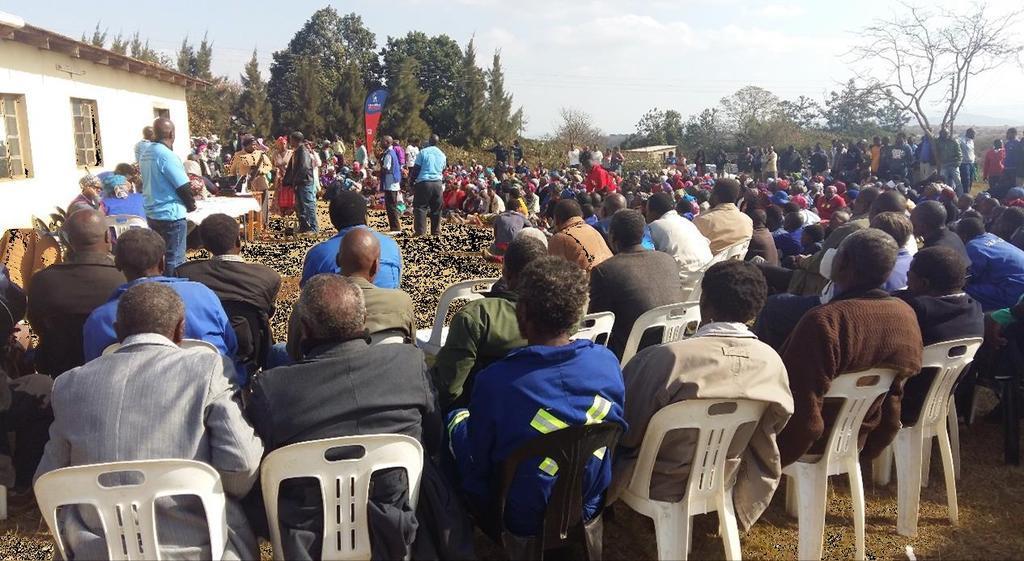
But being an MP isn’t just about sitting in parliament and debating. A huge part of their work happens back in their constituency. They hold constituency surgeries, which are like open-door sessions where anyone can come and talk to them about any issue, big or small. Whether it’s a problem with housing, a concern about local services, or a feeling that something needs to change, people can speak directly to their MP. The MP then uses this information to advocate for their constituents, whether that’s by writing letters to government departments, raising issues in parliament, or working with local authorities to find solutions. This direct engagement is incredibly valuable, ensuring that the government stays connected to the realities of everyday life.
"The role of an MP is essentially to be a voice for their people, both in the grand hall of parliament and in the local streets."
Think about it: when you’re facing a complex bureaucratic problem, or when you feel strongly about a local issue, who do you turn to? For many, it’s their local MP. They act as a vital link, helping to navigate the often-confusing systems of government and ensuring that individual voices aren’t lost in the crowd. This can involve everything from helping someone understand their benefits rights to campaigning for better transport links in their area. It’s a hands-on role that requires dedication, empathy, and a genuine desire to serve.

Furthermore, MPs often specialise in certain areas. They might join parliamentary committees that focus on specific subjects, like health, education, or the environment. These committees delve deep into these topics, conducting inquiries, hearing from experts, and producing reports that can influence government policy. By focusing on particular areas, MPs can develop a deep understanding and become influential voices in those fields, contributing expertise to national discussions.
The benefits of having MPs are immense. They provide a crucial layer of accountability, ensuring that those in power are answerable to the public. They give citizens a direct channel to influence policy and law-making, making our democracy more responsive. And through their work in constituencies, they offer practical support and a sense of being heard to individuals and communities. It’s a challenging role, requiring long hours, constant engagement with diverse viewpoints, and the ability to work under public scrutiny. But for those who undertake it, the opportunity to shape society and make a tangible difference is a powerful motivator. So, the next time you hear about an MP, remember they’re more than just a name on a ballot paper; they’re your elected representative, working to ensure your voice is heard in the heart of government.