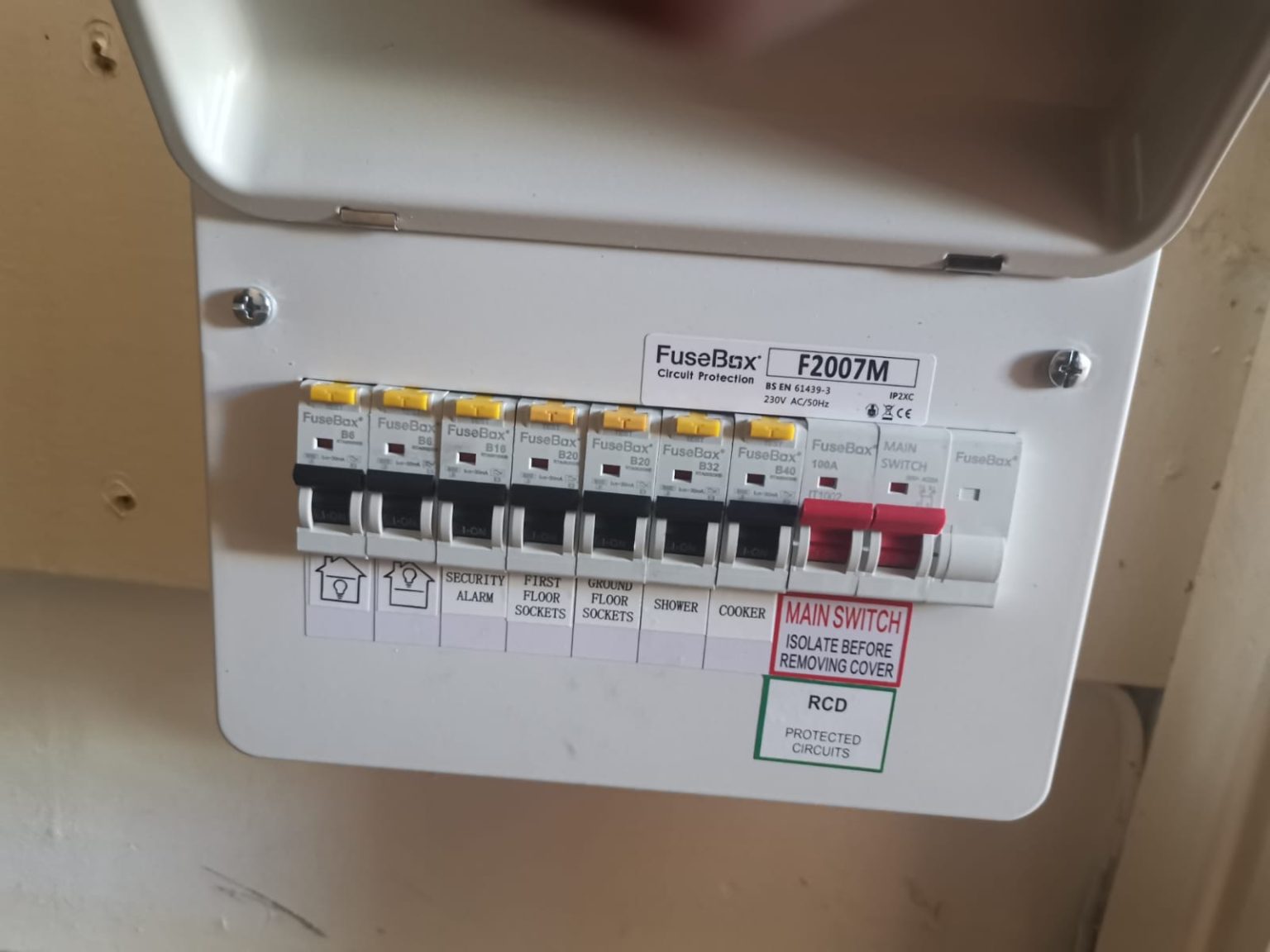
What Is The Rcd In A Fuse Box
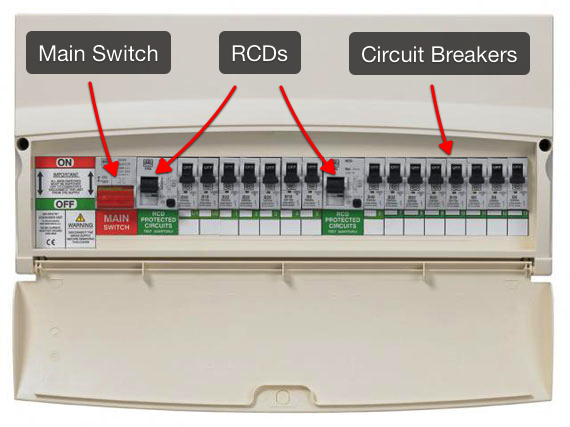
Ever stare at your fuse box, that mysterious metal beast lurking in the hallway or garage, and wonder what all those little switches and levers are about? It’s kind of like looking at a complex car dashboard – you know it does important stuff, but you’re not entirely sure if pressing the wrong button will send you to the moon. Well, today, we’re going to demystify one of its most crucial components, the one that’s basically your home’s personal superhero: the RCD.
Now, RCD. Sounds a bit like a robot name, doesn't it? "Initiating safety protocols. RCD is online." But in reality, it's much friendlier and significantly less likely to develop a sentient AI that wants to take over the world. Think of your RCD as the super-vigilant, slightly jumpy friend who always checks if you’ve locked the door, even if you’re just popping out to grab the mail. It’s constantly looking out for trouble, especially the kind that involves electricity and you.
So, what exactly is an RCD? It stands for Residual Current Device. Catchy, right? But don't let the technical jargon scare you. In plain English, it's a safety switch. Its sole mission in life is to protect you from electric shock. Pretty vital stuff when you think about all the electrical gizmos we’ve surrounded ourselves with, from toasters that seem to have a personal vendetta against your bread to hair dryers that could probably power a small village.
Must Read
Imagine this: you're in the bathroom, mid-blow-dry, perhaps belting out a rendition of your favorite power ballad. You're really feeling it. Suddenly, your hand slips, and that hairdryer, still plugged in, does a little plop into the sink, which, of course, is full of water. Uh oh. Normally, this would be a scene straight out of a slapstick comedy where someone ends up doing a very involuntary jig. But thanks to your RCD, it’s more like a slightly embarrassing anecdote you tell at parties.
The RCD, in this scenario, is like that friend who sees you about to do something spectacularly silly and yanks you back just in time. It detects an imbalance in the electrical current. What does that even mean, you ask? Well, electricity is a bit like a busy highway. Power goes in one way (on the live wire) and has to come back the same way (on the neutral wire). It’s all about a balanced flow. If, for some reason, that electricity decides to take a detour – say, through you and into the sink – the RCD notices that the current coming back isn't the same as the current that went out.
It’s like a bouncer at a club who notices someone sneaking out the fire exit instead of going through the main door. The RCD is all, "Hold up! Something's not right here!" And poof, it cuts off the power in a fraction of a second. Much, much faster than you could ever react, and certainly faster than you could finish your power ballad. This rapid response is what saves lives. It prevents a potentially fatal electric shock.

Think of it like this: your fuse box is a bit like a city’s emergency services. You have the regular police (your fuses or circuit breakers) that deal with everyday issues like power surges or overloads – like a traffic jam or a minor fender-bender. They’re good at their job and keep things running smoothly. But the RCD? That’s your highly specialized, super-speedy response team, like the paramedics or firefighters, ready to tackle the most dangerous situations instantly.
So, where do you usually find these RCDs? They're often integrated into your main fuse box. You might see them as larger switches, sometimes a different color, or they might be labeled specifically. Some older homes might not have them everywhere, but modern regulations require them in areas where the risk of electric shock is higher, like kitchens and bathrooms. And thank goodness for that! I mean, who wants to risk becoming a human conductor of electricity while trying to make toast? Not me, thank you very much.
You might have noticed that sometimes, when something goes a bit haywire – maybe you plug in too many things into one socket, or, heaven forbid, you have that hairdryer incident – a switch in your fuse box flips off. Sometimes it's a regular breaker, and sometimes it's an RCD tripping. When an RCD trips, it’s usually because it’s done its job and detected a fault. It’s like a proud parent saying, "See? I told you I was important!"

Tripping is its way of showing off its skills. It’s a sign that it’s working, which, paradoxically, is a good thing. It means it’s keeping you safe. The annoying part, of course, is when you have to go reset it. You find yourself wrestling with that switch, muttering under your breath about what on earth could have caused it. Was it the kettle? The microwave? The new fancy smart light bulb that probably has its own agenda?
It's often the little things that can cause an RCD to trip. A faulty appliance, a damaged cable, or even a tiny bit of moisture getting somewhere it shouldn't. It’s like your RCD is a professional detective, meticulously investigating every electrical circuit and immediately raising the alarm if it finds anything suspicious. It doesn’t mess around. It sees a potential danger, and bang, it’s off.
Some RCDs are specific to certain circuits, while others might protect a whole group of circuits. It all depends on how your house is wired. It’s a bit like a security guard for different sections of your home. One might be responsible for the kitchen, another for the bedrooms. They’re all working together, under the watchful eye of the main fuse box, to ensure your electrical life is as safe as a kitten napping in a sunbeam.
What’s the difference between an RCD and a regular circuit breaker? Ah, that’s a question that can make even the most seasoned DIYer scratch their head. Think of a circuit breaker as the strongman. It’s all about dealing with overloads and short circuits – too much power, or a direct connection between live and neutral. It’s there to prevent fires by stopping massive amounts of current from flowing.
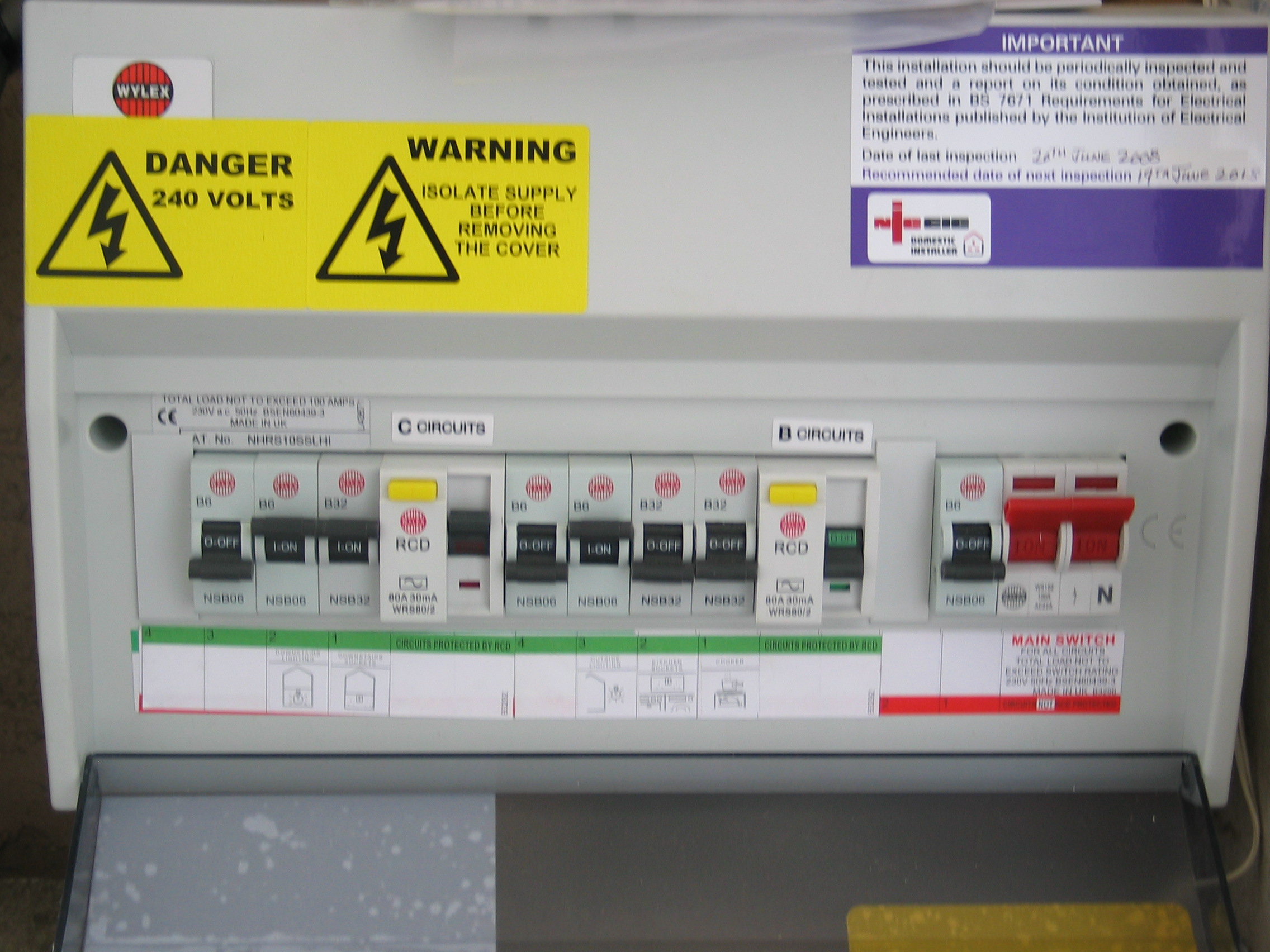
An RCD, on the other hand, is the detective. It’s much more sensitive. It’s not necessarily about huge amounts of current. It’s about tiny leaks of current – the kind that might flow through a person. If even a small amount of electricity decides to take a scenic route where it shouldn't, the RCD is on it. It’s designed to detect those small, dangerous currents that a regular circuit breaker might miss.
So, you need both. They’re like a dynamic duo, each with their own special skills, protecting you from different electrical threats. The circuit breaker is the heavy-duty protection against electrical meltdowns, while the RCD is the nimble guardian against electrocution.
Why are RCDs so important? Let’s go back to that hairdryer incident. Without an RCD, that splash into the sink could have meant a really bad day. You might have experienced muscle contractions, difficulty breathing, or worse. But with an RCD, the power is cut so quickly, the shock is either prevented entirely or is so brief that it’s not life-threatening. It’s the difference between a near-miss and a catastrophe.

They're particularly crucial in homes with children. Little ones are naturally curious and have a knack for finding things they shouldn't. A faulty lamp, a stray plug, or even just exploring with their little fingers can be incredibly dangerous. An RCD acts as an extra layer of protection, a safety net for the most vulnerable. It's like having a vigilant nanny on duty 24/7, constantly making sure no one is getting into electrical trouble.
Testing your RCD is a good idea. Most have a little test button on them. You press it, and if it’s working correctly, it should trip. It’s a simple way to make sure your superhero is still in fighting shape. Think of it as giving your superhero a friendly pat on the back to make sure they’re ready for action. It's a quick check, like seeing if your smoke alarm still beeps when you press the test button. You wouldn’t want to find out it doesn’t work when there’s actually smoke, would you? Same principle applies here.
If you're ever unsure about your RCDs, or if you find yourself constantly tripping them, it's always best to call in a qualified electrician. They’re the wizards of the electrical world, able to diagnose problems and ensure everything is up to scratch. They can tell you if your RCD is doing its job, or if it's time for a replacement.
So, next time you glance at your fuse box, remember the RCD. It’s not just a random switch; it’s your guardian angel of electricity. It’s the quiet protector, the vigilant sentinel, working tirelessly behind the scenes to keep you and your loved ones safe from the unseen dangers of electricity. It’s the unsung hero of your home, and frankly, we should all give it a little nod of appreciation every now and then. Maybe even a virtual high-five. It’s earned it.