What Is The Bezel Of A Watch
Ever found yourself admiring a watch and wondering about that distinctive ring around the face? You're not alone! That, my friends, is the bezel, and it's a surprisingly fascinating part of any timepiece. It's more than just a decorative flourish; it's a functional element that adds character and utility, making watch-gazing and even owning a watch a whole lot more interesting. Understanding the bezel can unlock a new appreciation for the design and engineering that goes into these everyday marvels.
For beginners just starting their watch journey, the bezel is a great place to begin your exploration. It's a visible, tangible feature that helps you identify different types of watches. For instance, a watch with a series of numbers and markers might be a dive watch, designed for timing underwater excursions. A simpler, smoother bezel might belong to a more dressy timepiece, meant to complement formal wear. For families, it can be a fun way to teach kids about different functions. Imagine pointing out a diver's bezel and explaining how it helps someone count their time underwater – it’s like a little story on their wrist! And for the budding watch hobbyist, recognizing different bezel types is like learning a secret language that opens up a world of watch collecting and appreciation.
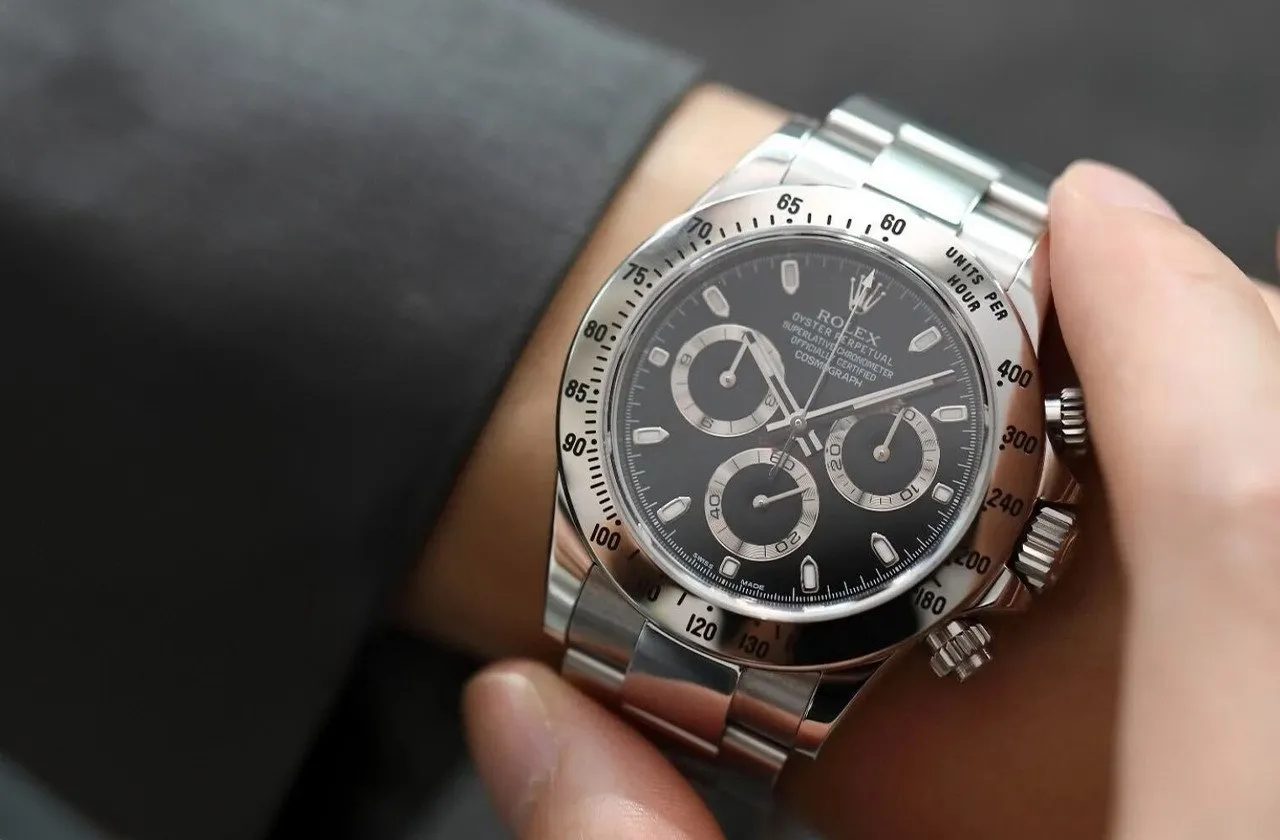
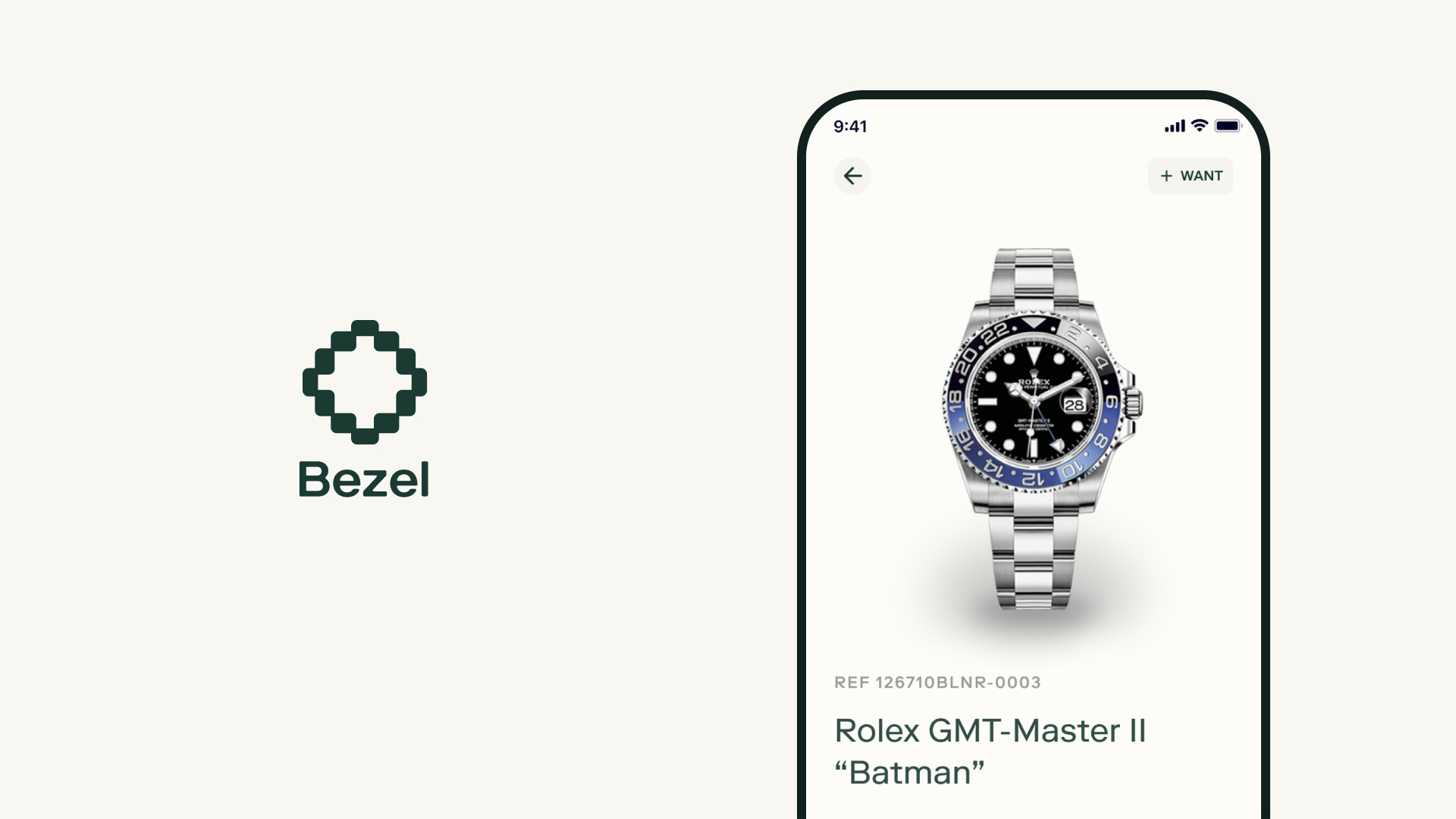
The world of bezels is surprisingly diverse! The most common type you’ll see is a fixed bezel. This one is purely decorative, adding a touch of style and often a slightly different finish to the watch case. Then there are rotating bezels, which are the real workhorses. Dive watches almost always have a unidirectional rotating bezel, typically marked from 0 to 60. This is crucial for divers, allowing them to track their remaining oxygen or the duration of their dive by aligning the "0" marker with the minute hand. Another popular variation is the GMT bezel, which often has 24-hour markings. This allows the wearer to track a second or even third time zone, a fantastic feature for frequent travelers. You might also encounter tachymeter bezels, usually found on chronographs, which are used to calculate speed over a fixed distance.
Must Read
Getting started with understanding bezels is as simple as looking at your own wrist or those around you! Pay attention to the markings and any moving parts. If you have a watch with a rotating bezel, try gently turning it. Does it click? Which direction does it move? You can also do a quick online search for "watch bezel types" and you'll find a wealth of images and explanations. Don't be afraid to visit a local watch shop and ask questions; most enthusiasts and salespeople are happy to share their knowledge. It’s a low-pressure way to learn, and seeing different watches in person really helps solidify what you're reading about.
So, the next time you glance at a watch, take a moment to appreciate its bezel. It’s a small detail that carries a lot of meaning, from its functional purpose to its aesthetic contribution. It's a gateway to understanding the intricate world of watches and can add a layer of enjoyment to your appreciation of these time-telling instruments. It’s a subtle yet significant part of what makes a watch truly special!