Ever looked at a tiny speck of dust and wondered what magnificent, microscopic universe it hides? Or maybe you've marveled at how a chef can slice vegetables with such impossibly thin precision? Well, the magic behind seeing the truly, ridiculously small often boils down to one incredibly important piece of the puzzle: the objective!
Think of your microscope like a super-powered set of eyes, but instead of just making things bigger, it's like giving your eyeballs built-in zoom lenses. And the objective? That’s your primary zoom lens, the one that gets right up close and personal with your subject. It's the gateway to the hidden world, the little hero that bravely dives into the miniature unknown!
Imagine you’re trying to read a microscopic instruction manual left by a fairy for building a ladybug's house. You wouldn't just squint, would you? You'd need a special tool, a powerful magnifier, that could bring those impossibly tiny words into focus. That’s the objective for your specimen. It's the lens closest to whatever it is you're trying to see – a stray hair, a drop of pond water teeming with life (think microscopic water-fights!), or even the intricate patterns on a butterfly's wing. Without a good objective, your microscope is just a fancy, dusty paperweight.
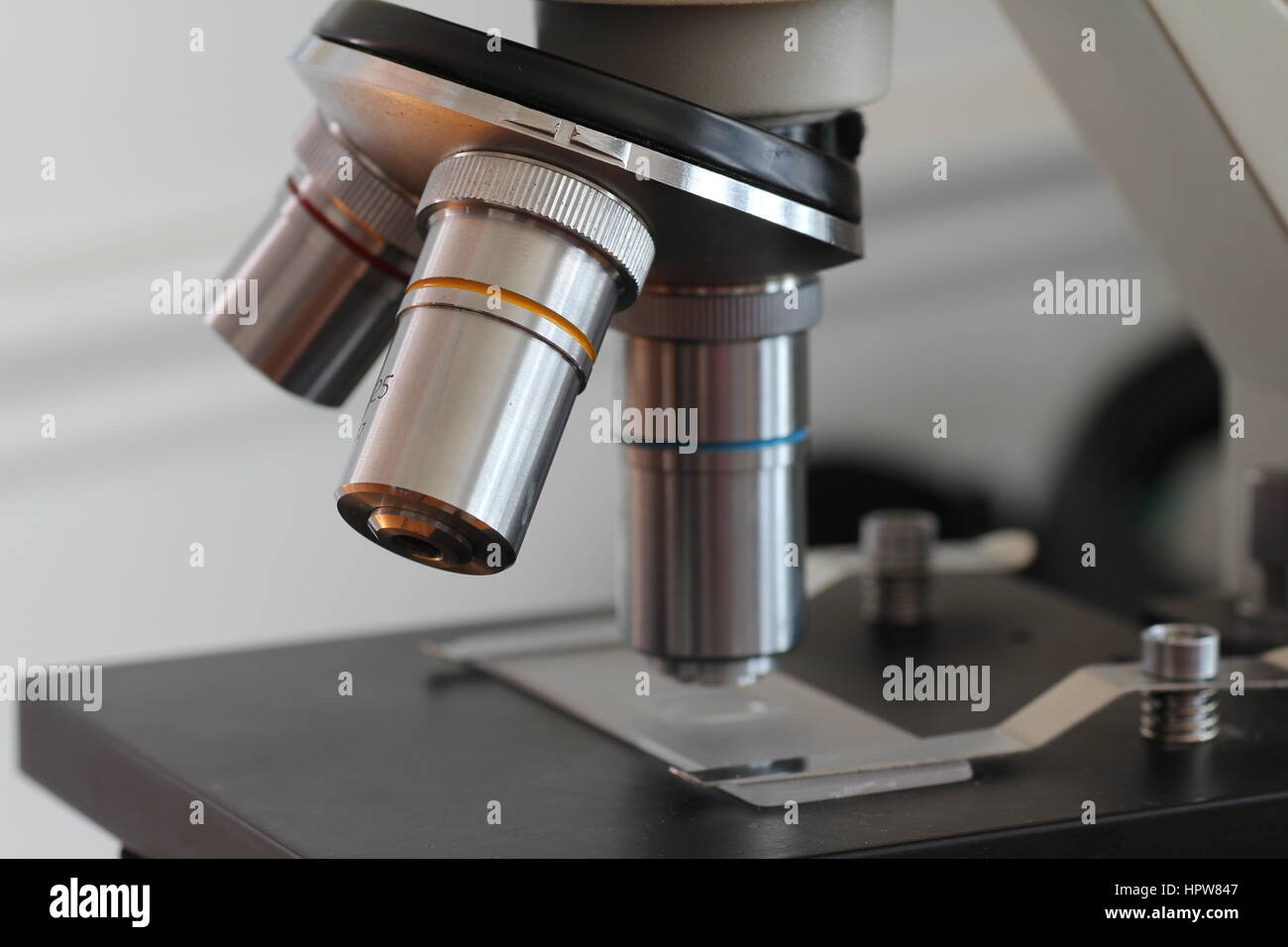
So, what exactly is this heroic objective? It’s a small, cylindrical piece of glass (or a clever arrangement of them) that sits right at the bottom of the microscope's rotating nosepiece. You know that part that spins around, giving you different levels of magnification? Yep, the objectives live there, ready to be deployed!
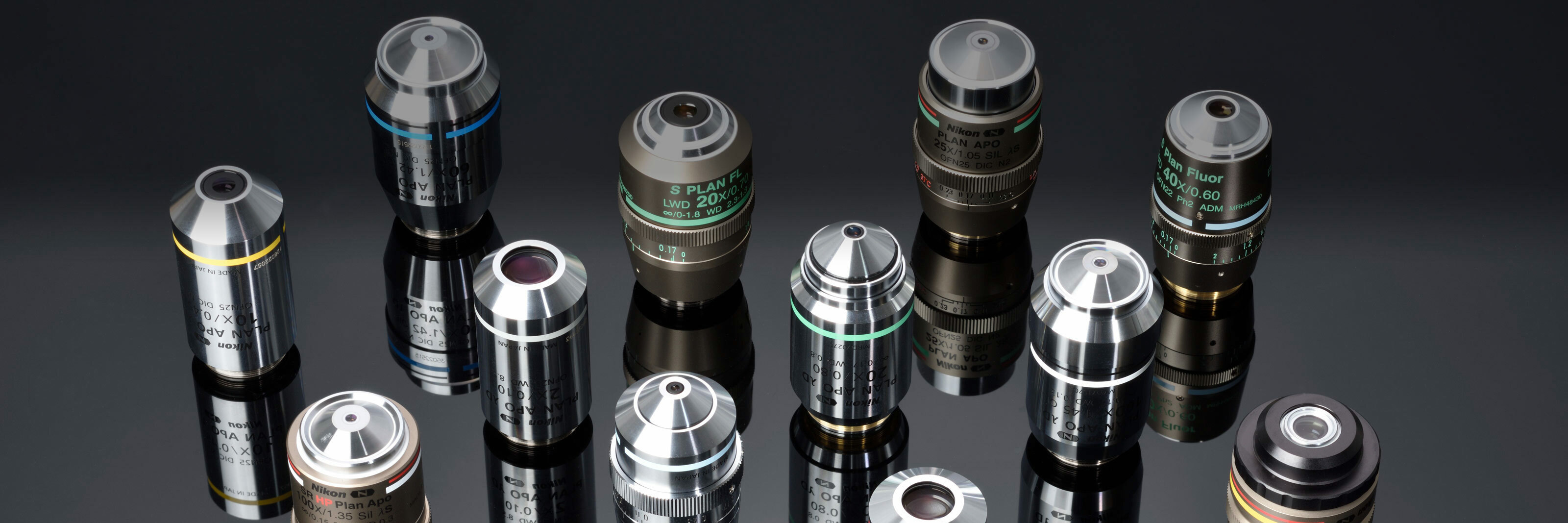
Each objective has a number printed on it, often in a different color too. This number, my friends, tells you how much bigger it’s going to make your tiny world appear. You might see a 4x, a 10x, a 40x, and sometimes even a whopping 100x! Each one is like a different level of zoom on your digital camera, but way, way cooler.
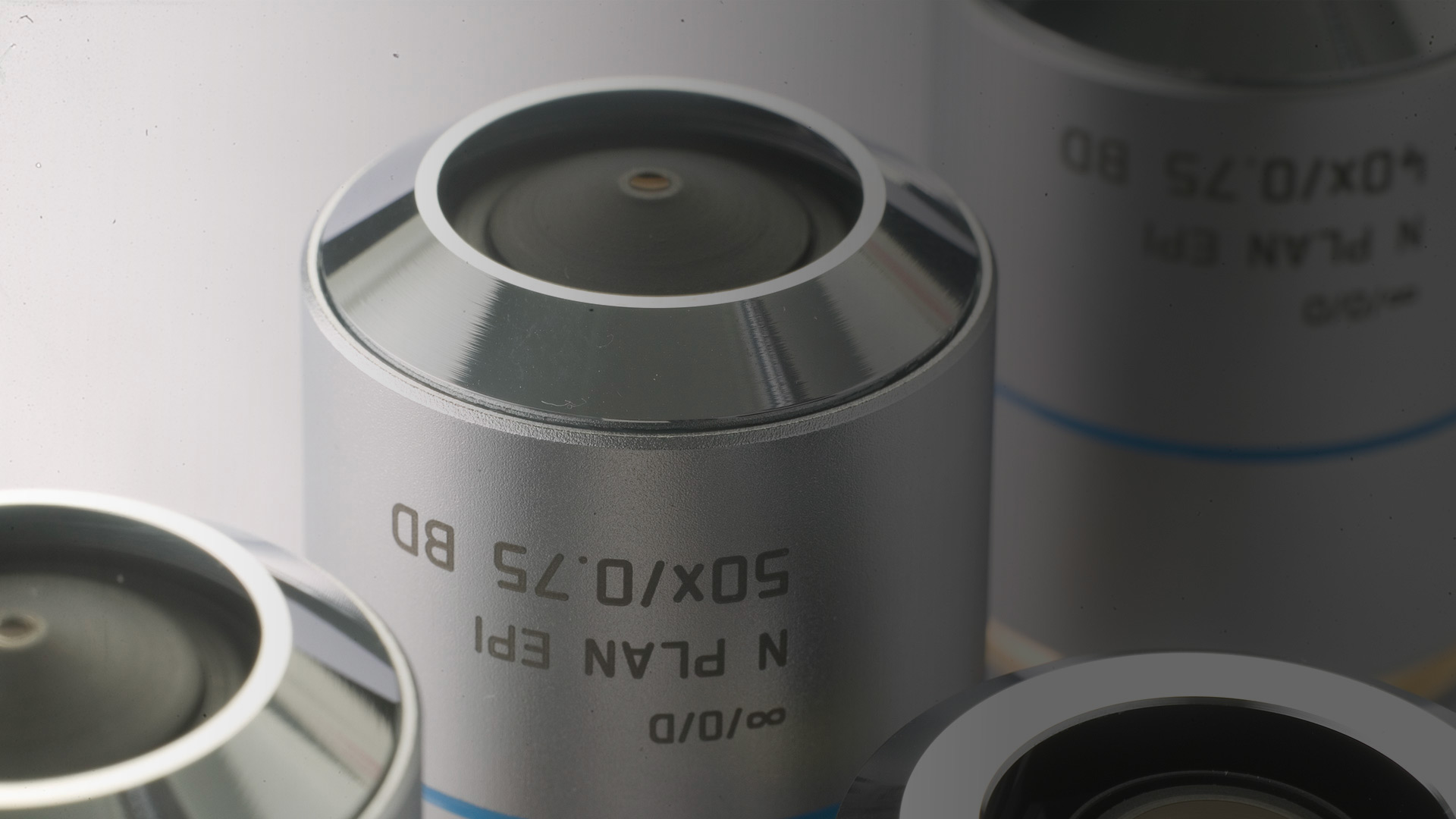
Microscope Objective Lens
Let's break it down with a relatable scenario. You're trying to spot a particularly cheeky ant marching across your picnic blanket.
With your naked eye, it's just a little black dot. You might as well be trying to identify a celebrity from a blurry photo taken from a mile away. But then you grab your microscope, and you choose your objective!
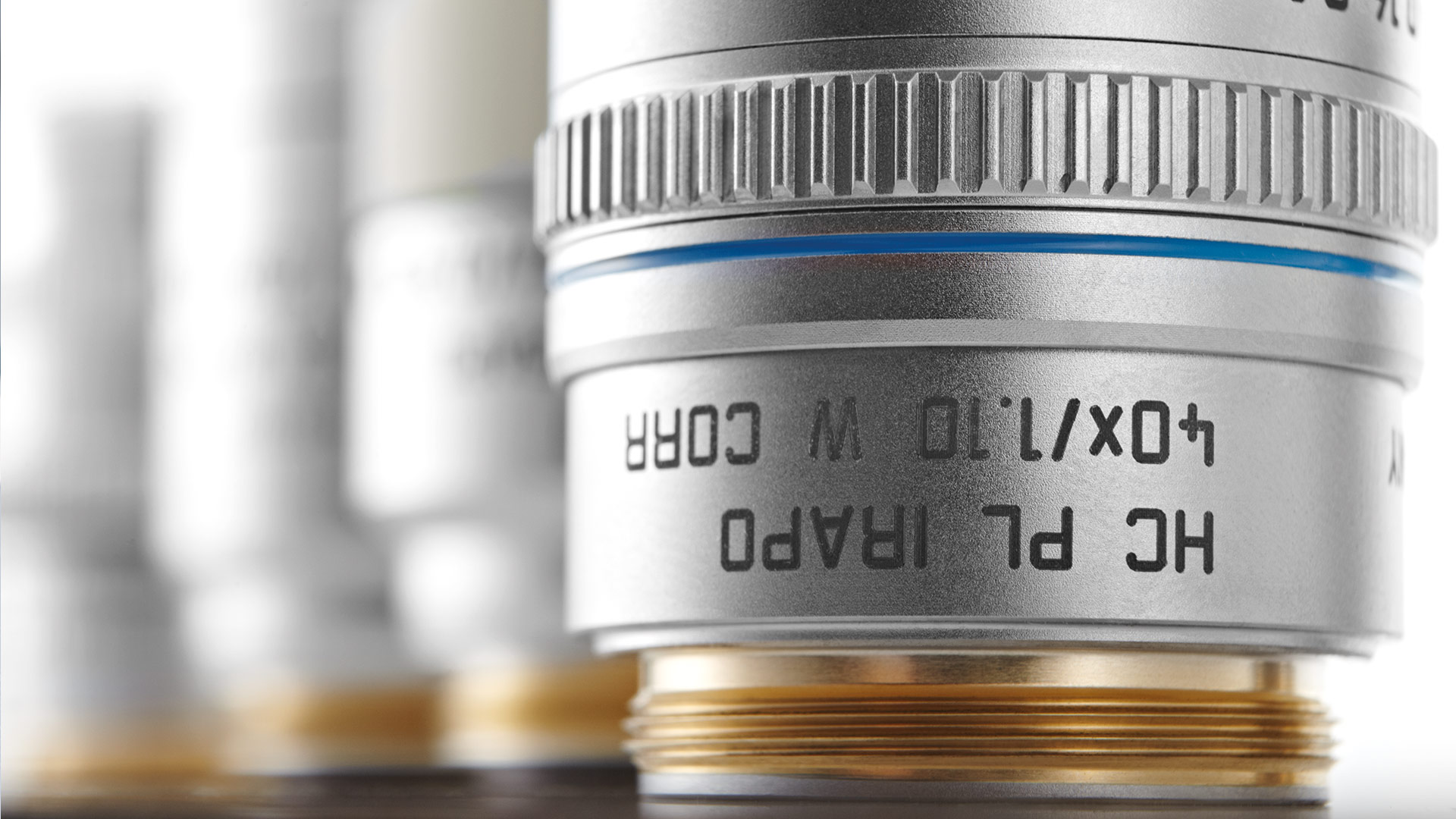
Microscope Objective Magnification
You start with the 4x objective. It’s like putting on reading glasses for the first time. Suddenly, that black dot isn't just a dot anymore. It’s a segmented creature with legs and antennae! You’re like, "Whoa, I can see its tiny ant-pants!" This is your general overview, your "getting acquainted" magnification. It’s perfect for finding your subject and getting a big picture of its surroundings. Think of it as the wide-angle lens of the microscopic world.
Feeling bolder, you spin that nosepiece to the 10x objective. Now, the ant is really starting to strut its stuff! You can see the individual hairs on its legs, the determined look in its tiny ant-eyes (if they had them, of course!), and maybe even the little trail of crumbs it's dragging. It’s like upgrading from a regular TV to a giant, high-definition cinema screen. Everything is clearer, more detailed, and you’re definitely getting closer to understanding its ant-agenda.
Microscope Objective Magnification
The Power Players: Higher Magnification Objectives
But what if you want to know the secrets of the ant? What if you're curious about its minuscule mouthparts or the incredible grip of its tiny feet? That's where the heavy hitters come in – the 40x and the legendary 100x objectives!
The 40x objective is like putting on a pair of super-duper, anti-fog, bug-eye magnifying glasses. The ant is now a giant, awe-inspiring alien. You can see every little groove and bump on its exoskeleton. It’s like getting a VIP backstage pass to the ant’s private life. You might even start naming its body parts: "Look at that magnificent mandible!"
Function of Objectives in a Microscope - Microscope Crew
And then… there's the 100x objective. This is the pinnacle of microscopic exploration, the Everest of magnification! To use this absolute powerhouse, you usually need a special fluid called immersion oil. Don't worry, it's not actual cooking oil! It's a special liquid that helps the light travel more efficiently, allowing for the clearest, most detailed image possible. When you use the 100x objective, the ant is no longer just an ant; it’s a universe of intricate structures. You’re practically peering into its very soul (or at least its incredibly detailed cellular makeup, if ants had easily visible cells to the naked eye through a microscope!).
Think of the objective as your trusty sidekick in the quest for knowledge. Each one offers a different perspective, a new level of detail, and a fresh sense of wonder. Whether you're a budding scientist, a curious kid, or just someone who finds the small stuff utterly fascinating, the objective is your ticket to a world that's always there, just waiting to be discovered. So next time you see a microscope, remember these little heroes sitting at the bottom – they’re the ones making the magic happen, one tiny detail at a time!