What Is An Nie Number In Spain

Hey there, sunshine! So, you’re thinking about diving headfirst into the glorious Spanish lifestyle, huh? Maybe you’re picturing yourself sipping sangria on a sun-drenched balcony, or perhaps mastering the art of the siesta. Whatever your Spanish dream, there’s one little bureaucratic friend you’re going to need to make: the NIE number.
Now, don’t let that slightly intimidating acronym scare you. Think of it like your Spanish VIP pass, your secret handshake, your… well, you get the idea. It’s essentially a foreigner identification number, and without it, navigating life in Spain can be about as easy as trying to explain flamenco to a cat. And trust me, that’s a very difficult conversation.
So, what exactly IS this mystical NIE number? Let’s break it down in plain English, with absolutely no jargon that makes your brain want to do a siesta of its own. Imagine you’re going on an adventure to a new country, right? And that country says, “Okay, welcome! But for official stuff, we need to give you a unique identifier, so we know who you are and can keep track of you.” That, my friends, is the NIE.
Must Read
Your Spanish Social Security Number (Kind Of!)
It’s not exactly a Social Security number like you might have back home, but it’s the closest Spanish equivalent for non-residents. It's a unique identification code assigned to you, the humble foreigner, by the Spanish government.
Why do you need it? Oh, you need it for everything. And I mean everything. It’s like the Spanish equivalent of that one friend who knows everyone and can get you into any party. Want to open a bank account? NIE. Buying a car? NIE. Renting an apartment longer than a few months? You guessed it… NIE. Even signing up for a mobile phone contract might require it. It’s the key that unlocks the door to official Spanish life.
Think of it as your passport’s best friend. Your passport tells them you’re a tourist (for a while, anyway), but your NIE tells them you’re here to do things. It’s how they differentiate between someone on a quick holiday and someone who’s becoming part of the Spanish fabric.
So, What Does it Actually Look Like?
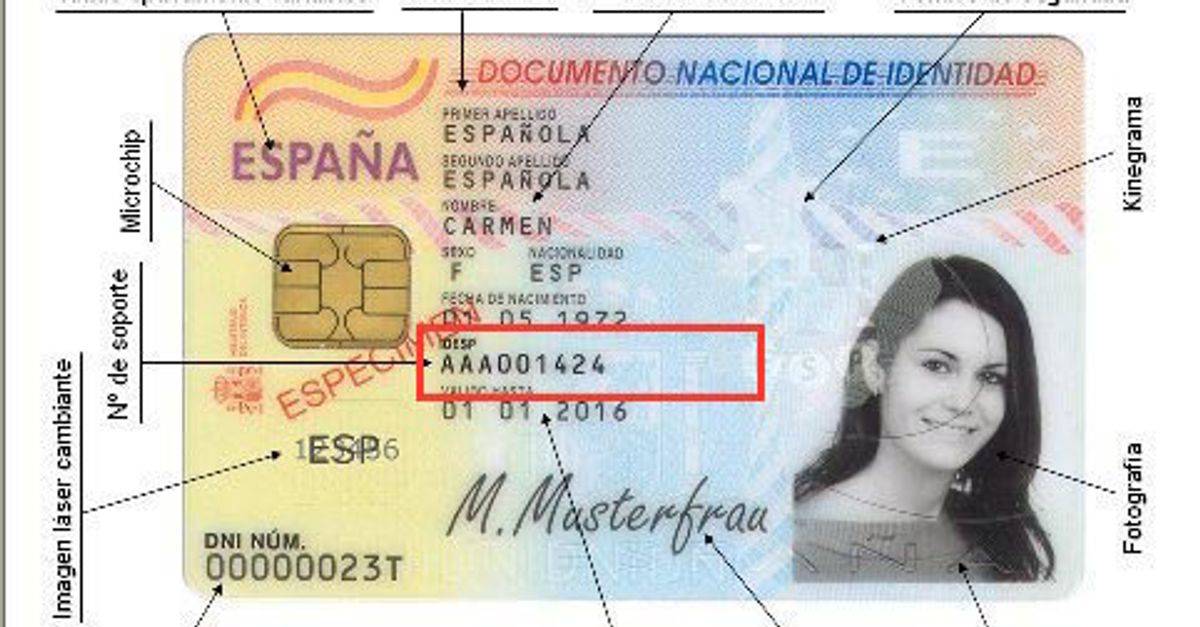
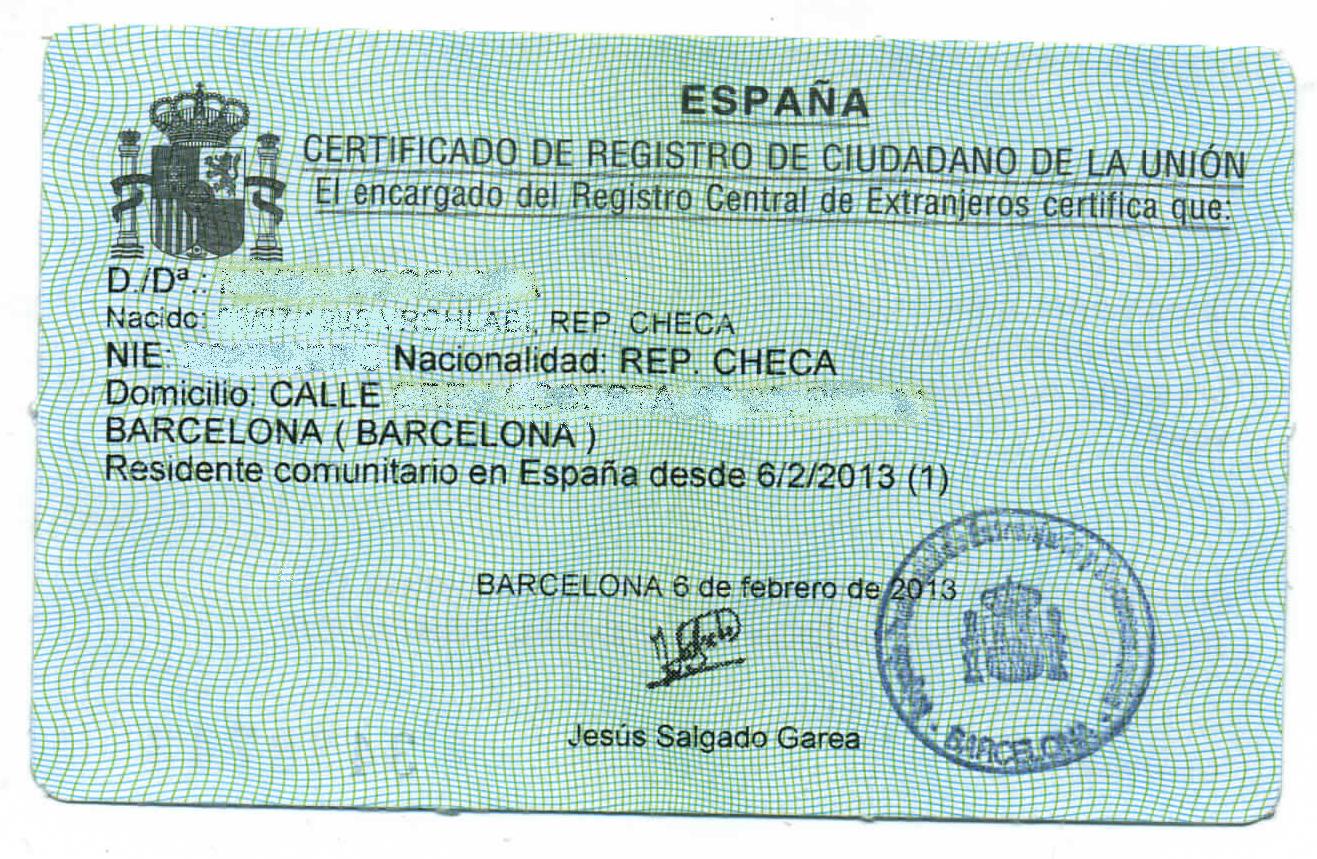
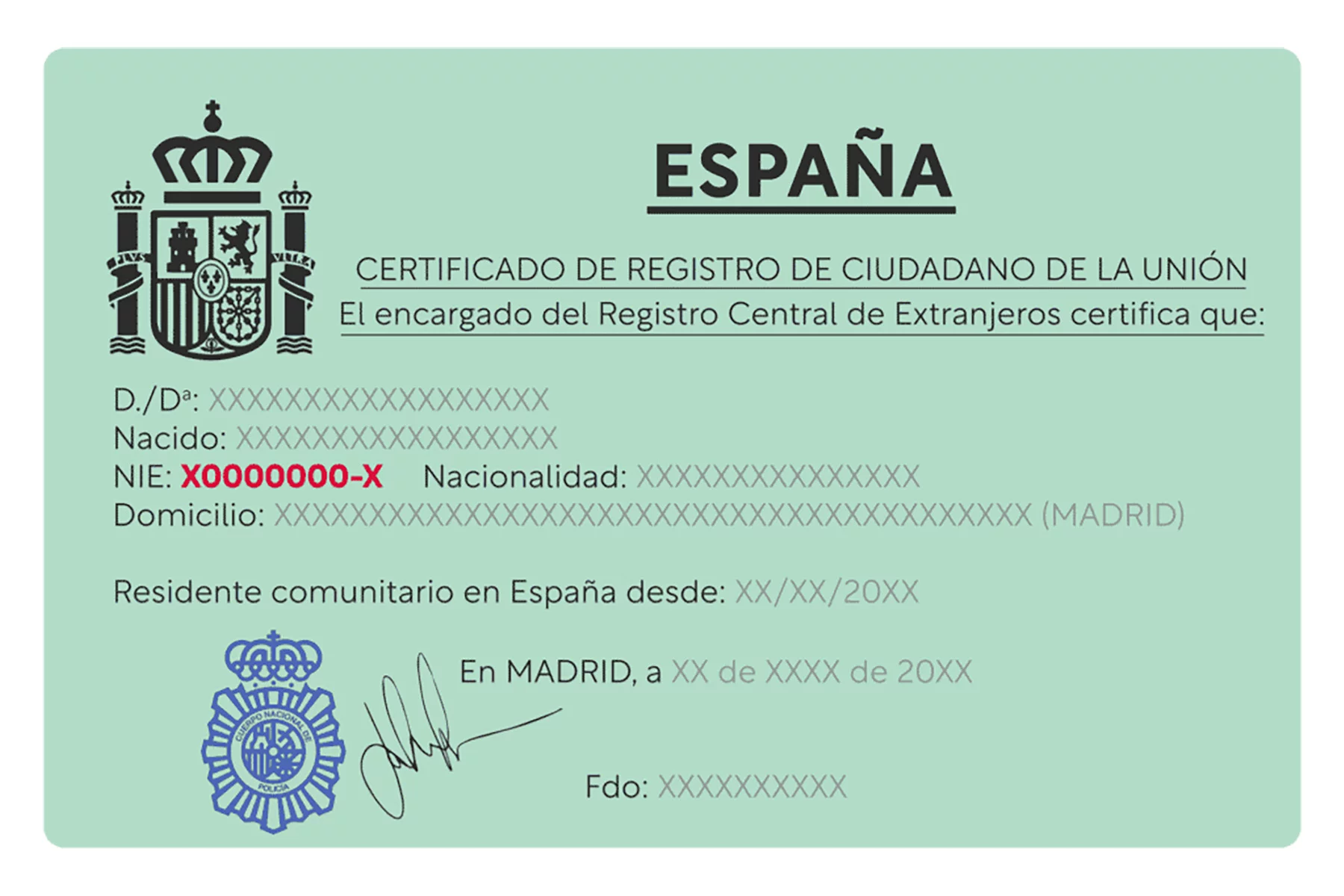
Alright, let’s talk aesthetics. The NIE number itself is a series of letters and numbers. It typically starts with a letter (usually an ‘X’, ‘Y’, or ‘Z’ for foreigners, though this can vary slightly depending on the situation), followed by seven numbers, and ending with another letter. So, it might look something like X1234567A. Pretty official, right? It’s like your own personal, slightly cryptic code.
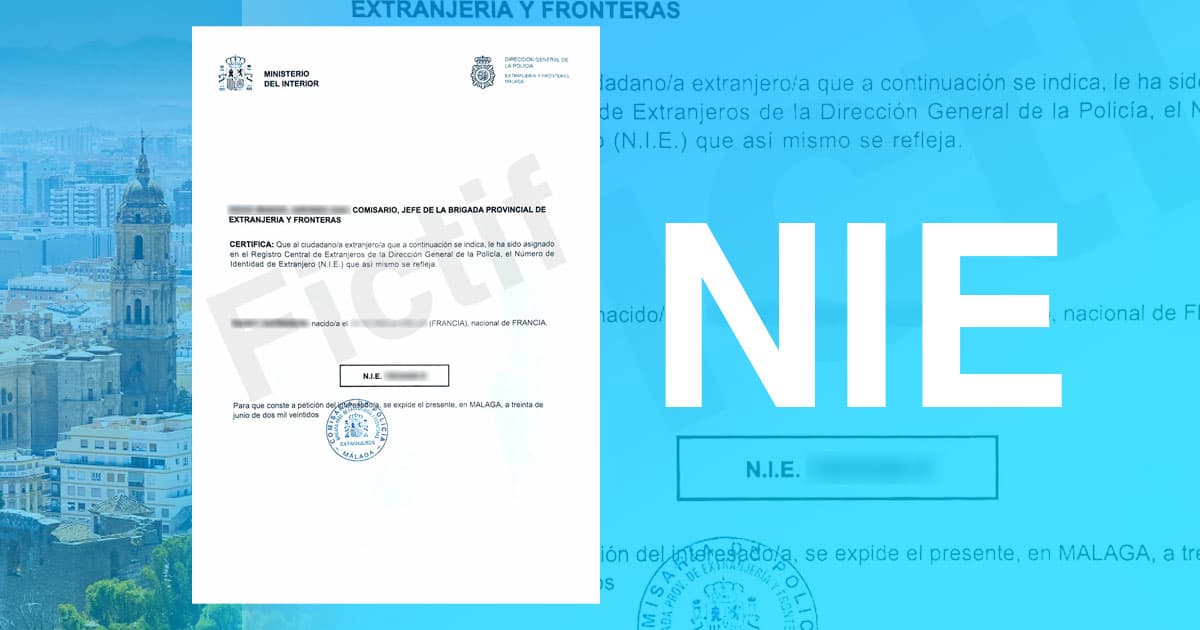
You’ll receive it on an official document. Sometimes it’s printed on a larger certificate, and sometimes it’s a small card. The important thing is that it has your name on it and that magical NIE number. Guard it like it’s the last tapas on earth!
Why the Heck Do I Need This Thing?
As we touched upon, it’s for official business. Imagine trying to buy a house without any identification – a bit tricky, right? The NIE serves as that fundamental identification for any significant financial or legal transaction you might undertake in Spain.
Let’s get specific. If you’re planning to:
- Work in Spain (as an employee or self-employed): You’ll absolutely need an NIE to get a work permit and to be registered for social security.
- Open a Spanish bank account: Banks need to know who they’re dealing with, and your NIE is their confirmation.
- Buy property: Whether it’s a quaint little casita in Andalusia or a chic apartment in Barcelona, the NIE is a non-negotiable.
- Rent a property for more than three months: Long-term rentals require official documentation, and that includes your NIE.
- Get a Spanish driving license: If you’re planning to cruise along the Mediterranean coast, you’ll need it.
- Register for healthcare: While tourists have access to emergency care, for ongoing healthcare, you’ll need to be registered, and that requires an NIE.
- Pay taxes in Spain: Yep, if you’re living and earning here, you’ll be contributing to the Spanish economy, and that’s all tracked through your NIE.
- Set up utilities: Electricity, water, gas – these are all essential, and getting them connected often involves your NIE.
See? It’s not just a fancy number; it’s your ticket to actually living in Spain, not just visiting. It integrates you into the system.
Can I Just Get One When I Need It?
Well, you can, but it’s a bit like trying to find a good paella in a fast-food chain – not ideal. Applying for an NIE can sometimes take time, and if you leave it until the last minute, you might find yourself in a bit of a pickle. For example, if you've already found your dream apartment but can't sign the contract because you don't have your NIE, that dream could float away faster than a seagull with a stolen churro.
So, pro tip: try to get it sorted as soon as you know you’ll be spending a significant amount of time in Spain, or if you have any of the above activities planned. It’s always better to be prepared!
Where on Earth Do I Apply?
This is where things get a little more complicated, but don’t worry, we’ll keep it light. You’ll typically apply for your NIE at the National Police stations (Policía Nacional) that handle immigration matters. These are often called “Oficinas de Extranjería” or “Comisarías de Policía”.
The process can vary slightly depending on your location in Spain. Some places have dedicated offices for foreigners, while others might have a specific department within a regular police station. You might also need to book an appointment, and yes, these can sometimes be as elusive as a unicorn riding a bicycle.
There are also Spanish consulates and embassies in your home country that might be able to help you obtain an NIE before you even arrive in Spain. This can be a fantastic option if you want to get everything sorted in advance. Think of it as pre-gaming your Spanish adventure!
What Do I Need to Bring? The Essential Checklist!
Alright, so you’re ready to brave the Spanish bureaucracy! Here’s what you’ll generally need to have in your backpack (or your stylish Spanish tote bag):
- Your Passport: Your original, valid passport. Make sure it’s not expired and has plenty of pages left for those important Spanish stamps.
- Application Form (EX-15): This is the official form you’ll need to fill out. You can usually download it from the Spanish Ministry of the Interior website. Don’t worry, it’s mostly straightforward. Think of it as a treasure map for your personal details.
- Proof of Payment of the Fee (Form 790-012): There’s a small fee associated with applying for an NIE. You’ll need to fill out another form and pay this fee at a bank before your appointment. It’s like a tiny toll to enter the land of officialdom.
- A Recent Passport-Sized Photograph: Make sure it’s a clear, recent photo that meets standard passport photo requirements. No funny faces or sunglasses, even if you’re already practicing your Spanish smolder!
- A Reason for Needing the NIE: This is important. You’ll need to explain why you need an NIE. This could be a letter from a landlord, a work contract, proof of intent to buy property, or even a declaration of your intention to reside in Spain. Have your documentation ready!
Sometimes, especially if you’re applying for residency, you might need additional documents. It’s always a good idea to check the specific requirements of the office you’re visiting or the consulate in your home country. Think of it as doing your homework before the big exam.
The Appointment: Brace Yourselves!
Once you’ve got your documents, your appointment is booked, and you’re armed with your best Spanish smile, it’s time for the big day. Be punctual! Spanish punctuality can be… flexible for some things, but for official appointments, it’s best to be on time. Or, you know, just slightly early.
The process itself usually involves a brief interview and submission of your documents. The officials are generally used to dealing with foreigners, so don’t be afraid to ask for clarification if you’re unsure about anything. If your Spanish is a bit rusty (or non-existent!), it can be helpful to bring a Spanish-speaking friend or have a translation app handy. Though, trying to explain the complexities of an NIE using Google Translate can sometimes lead to more hilarious misunderstandings than actual clarity!
Can My Friend Get My NIE For Me?
Generally, no. You’ll need to be there in person to apply for your NIE. It’s all about verifying your identity. However, in some very specific circumstances (like if you have a power of attorney), someone else might be able to act on your behalf, but this is rare and comes with a whole new set of paperwork. Best to assume you’re the star of your own NIE application show!
What Happens After I Apply?
After your appointment, you’ll typically be given a receipt or a temporary document. Your actual NIE number will usually be issued shortly after, and you’ll be informed on how to collect it. It could be printed on a certificate or a card.
The processing times can vary. Sometimes it’s a matter of days, other times it can take a few weeks. Patience is a virtue, especially when dealing with officialdom in any country. Think of it as a mini-countdown to your Spanish integration!

Are There Different Types of NIEs?
This is a great question! You might hear about different NIEs. The most common one you’ll get for identification purposes is the “NIE Provisional”, which is valid for a certain period. If you’re planning to live in Spain long-term, you’ll eventually transition to a more permanent residency status, which will also have an associated identification number (often referred to as a “TIE” – Tarjeta de Identidad de Extranjero – which is the physical card that contains your NIE and residency details).
For most people just starting out, the initial NIE you get is perfectly sufficient to get your life rolling. Don’t get too bogged down in the details just yet. Focus on getting that first NIE!
A Word on “Gestores”
If the whole process sounds a bit daunting, or if you’re really pressed for time, you might consider hiring a “gestor”. A gestor is a professional who specializes in navigating Spanish bureaucracy. They can help you with paperwork, appointments, and generally smooth the process for you. It’s an extra cost, of course, but for some, the peace of mind and saved time are well worth it.
Think of them as your personal Spanish bureaucracy sherpa. They’ll guide you up the mountain of paperwork with their trusty alpenstock of knowledge.
The Takeaway: Your Spanish Adventure Awaits!
So there you have it! The NIE number might sound like a bit of a hurdle, but it’s really just a stepping stone. It’s your official permission to play in the Spanish sandbox!
Embrace the process, have a sense of humor about the paperwork, and remember that every step you take, even the bureaucratic ones, is bringing you closer to living your Spanish dream. Whether it’s the vibrant culture, the delicious food, or simply the joy of watching the sunset over the sea, Spain is waiting for you. And with your NIE in hand, you’re one step closer to making it all happen. ¡Vamos! (Let’s go!)