What Is A Tsa Lock On Luggage
Ah, travel. That magical time of year when we cram our lives into colorful suitcases and dream of exotic locales. But before we can sip a fancy cocktail or get lost in a charming European alley, we have to face the dreaded packing ritual. And then, the pièce de résistance: the TSA lock.
You know the one. It’s that little combination lock that proudly boasts the TSA logo. It’s supposed to be our luggage’s guardian angel, protecting our precious socks and questionable souvenirs. But let’s be honest, sometimes it feels more like a polite suggestion than a genuine security measure.
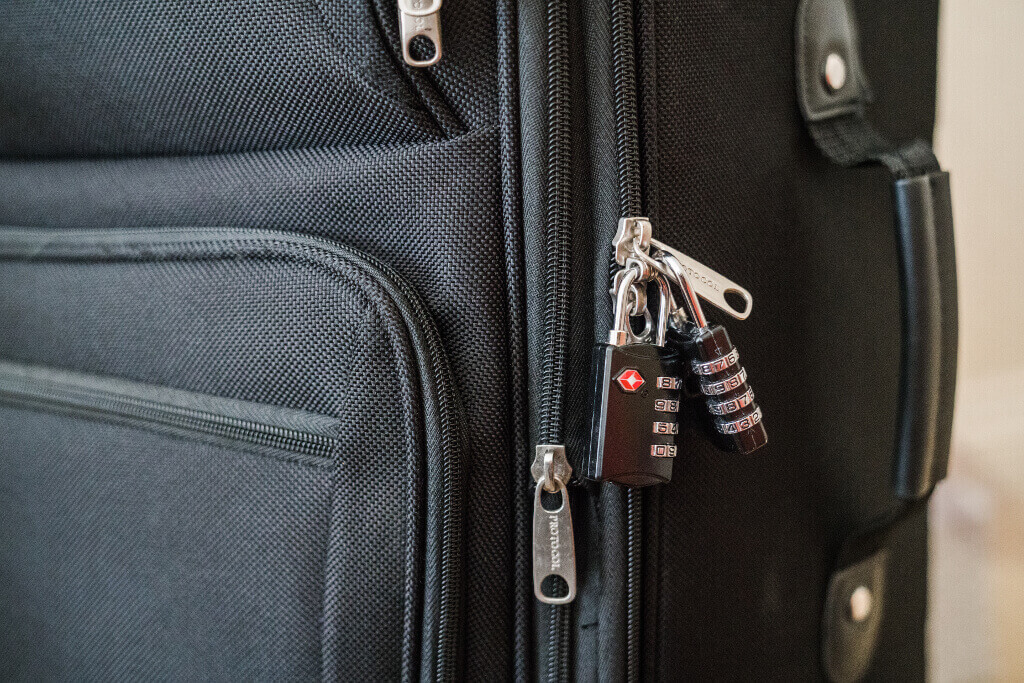
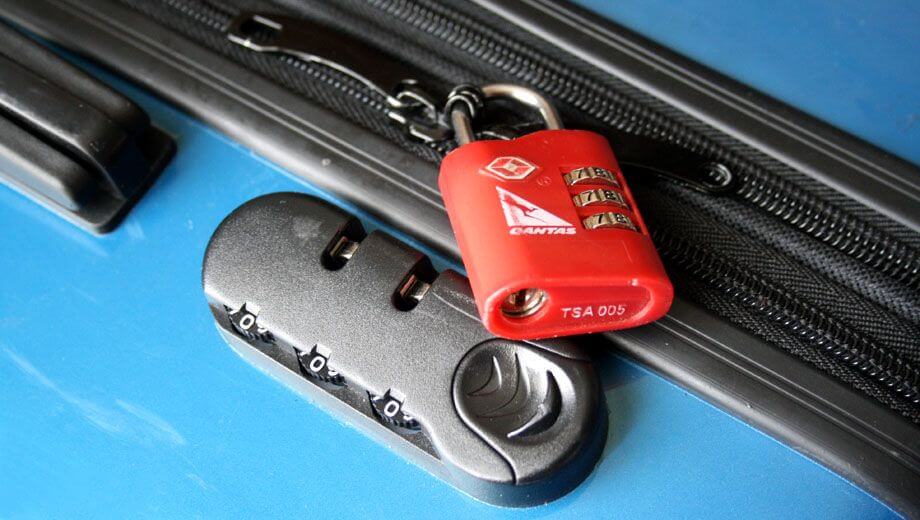
So, what exactly IS a TSA lock on luggage? Think of it as a tiny, metal handshake between you and the Transportation Security Administration. It’s a lock you can set a personal combination for, but it also has a master key that only TSA agents possess. This way, they can peek inside your bag if they need to, without having to resort to brute force (or, heaven forbid, actually break your lock).
Must Read
The Great Lock Debate
Now, I have a slightly unpopular opinion about these locks. While I appreciate the idea behind them, I sometimes wonder if they’re just there to make us feel more secure. We meticulously set our secret code, convinced our belongings are safe from prying eyes. But then we imagine a shadowy figure, armed with the magical TSA master key, casually browsing our collection of travel-sized shampoos.
It’s like having a really polite bouncer at a party. They’re there, they have a list, but you can’t shake the feeling they might just let anyone in if they have the right credentials. And who has the right credentials? That’s right, the folks who are supposed to be keeping things safe in the first place.
Let’s delve a little deeper into the world of TSA-approved locks. They’re typically small, often made of sturdy plastic or metal. You’ll see them attached to the zippers of your suitcase, looking ever so official. They come in a variety of colors, so you can at least match them to your luggage’s aesthetic. Because, let’s face it, if your lock is ugly, how can your vacation truly be fabulous?
The "Security" Theatre
The primary purpose is, of course, security. The TSA screeners need to be able to open your luggage for inspection. If you use a regular padlock, and they need to search your bag, they might have to cut the lock off. And nobody wants a broken lock, especially when it’s on their favorite, slightly-too-full suitcase.
A TSA lock allows them to open it with their universal key, do their business, and then relock it. It’s a streamlined process. Or at least, that’s the theory. In practice, sometimes it feels like they just give it a cursory glance and then shove it back into the abyss of the baggage handling system.
And here's where my "unpopular" opinion really kicks in. I sometimes suspect that the TSA lock is a form of "security theatre." We see the lock, we set the combination, and we feel a sense of accomplishment. It’s like we’ve done our part in the grand scheme of airport security. We’ve been responsible travelers.
But then, the little voice in my head whispers, "What if they just need to check your bag because your toiletries look suspicious? What if they think that oddly shaped souvenir is a potential threat?" And in those moments, the TSA lock feels less like a guardian and more like a polite invitation for inspection.

The Practicalities of TSA Locks
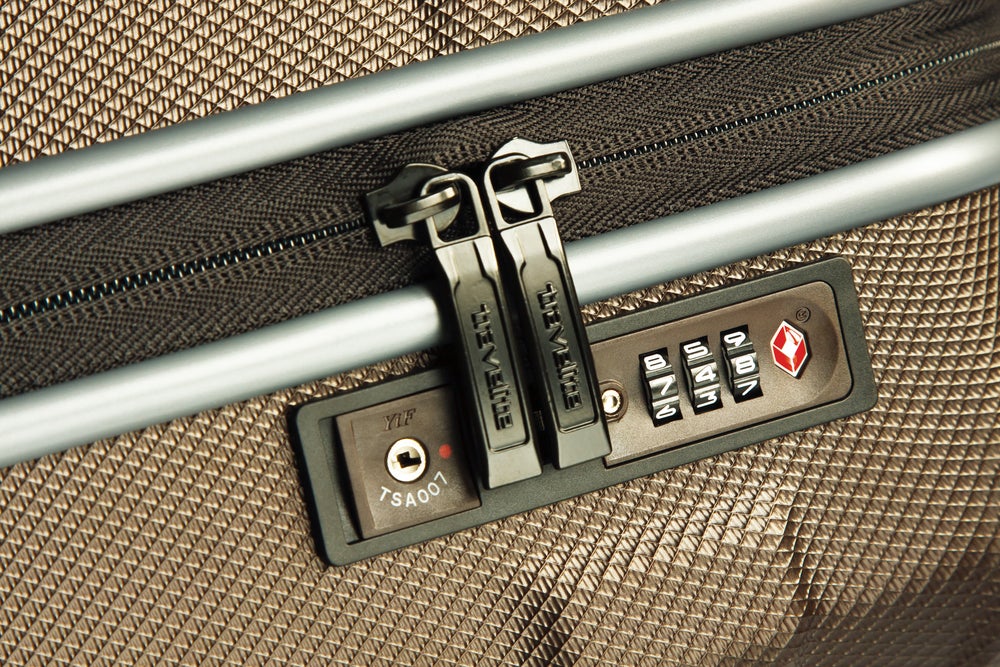
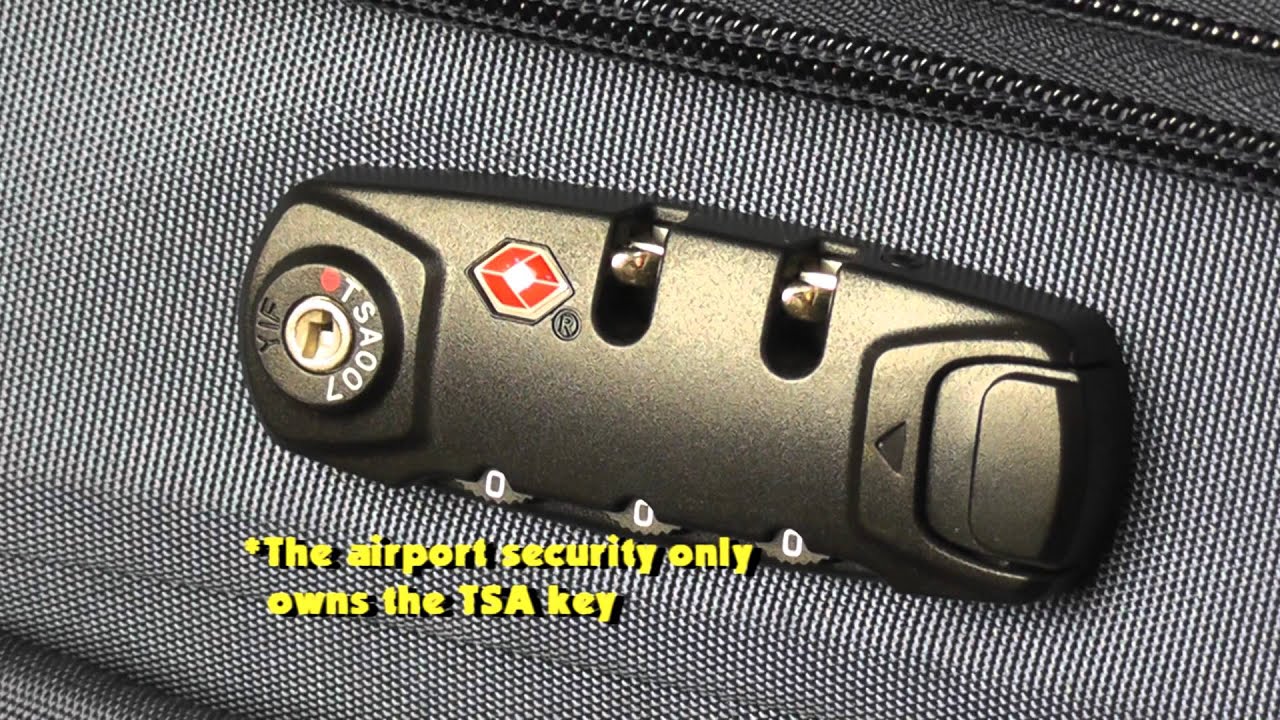
Let’s talk about the mechanics of these locks for a second. They're usually a three-digit combination. You spin the little wheels, find your secret number, and click, it’s locked. It’s pretty straightforward. They’re designed to be easy for you to use, but also to withstand the rigors of travel.
The “master key” system is the clever part, at least from a security agency’s perspective. It means they don’t have to carry a different key for every single lock out there. One master key can open all of them. It’s efficient. It’s organized. It’s probably a lot of keys, if you think about it.
However, have you ever noticed how some TSA agents seem to have a knack for knowing exactly which lock to look at? It’s like they can sense the one that contains the most intriguing contents. Perhaps they have psychic powers, or maybe they just have really good eyes. Or, and this is just a wild theory, maybe they don’t always bother with the lock if the bag doesn't trigger any alarms.
And what about when you forget your combination? That’s a whole other adventure. You’re standing at the baggage claim, desperately trying to recall that random sequence of numbers you picked. Was it your birthday? Your anniversary? That lucky lottery number from last week? The panic sets in. This is when the TSA lock feels less like a helpful tool and more like a mischievous prankster.
![The 12 Best TSA-Approved Luggage Locks for Travelers [2024]](https://upgradedpoints.com/wp-content/uploads/2022/12/Luggage-Lock.jpg)
Thankfully, most airlines and airports have ways to help you if you’re in a lock-induced panic. But still, it’s an added layer of stress that, in my humble opinion, could sometimes be avoided. If only my toothbrush could talk, it could tell me the code.
The "Unpopular" Opinion: Are They Really Necessary?
Here’s my truly unpopular opinion: do we need these specific locks? I mean, if someone really wants to get into your luggage, they probably will, lock or no lock. And if the TSA really needs to inspect your bag, they have their methods. So, is the TSA lock more of a symbolic gesture? A visual cue that says, "I'm a compliant traveler, please don't break my stuff"?
I’ve seen luggage without any locks at all get inspected. And I’ve seen luggage with fancy TSA locks get inspected. It makes me wonder about the overall effectiveness. Is it just to prevent the opportunistic thief who might be rifling through bags in a less secure environment? Perhaps. But at the airport, under constant surveillance, it feels a bit like a formality.
Think about it. You put your carefully packed clothes, your embarrassing collection of novelty t-shirts, and your essential travel snacks into your suitcase. You then attach the TSA lock, feeling a sense of security. You’ve played by the rules. You’ve done your part.

But the reality is, if your bag is flagged for inspection, they'll open it. The lock is there to facilitate their job, not necessarily to be an impenetrable barrier against all threats. It's a convenience for the security personnel, so they don't have to carry a bolt cutter everywhere.
And honestly, sometimes I find myself wishing they’d just cut the darn thing off if it makes the process quicker. The anxiety of forgetting the code, the slight paranoia that my personal combination is easily deciphered, it all adds up. I’d rather have them quickly slice through a cheap lock than have me frantically trying to remember numbers while my flight boards.
Perhaps the real security comes from the general chaos and sheer volume of luggage. It’s a haystack, and we’re all just trying to find our needle. The TSA lock is just a little red ribbon tied to our haystack piece, hoping it stands out for the right reasons.
So, the next time you see that little TSA logo on your lock, give it a nod. It’s part of the travel adventure, a small detail in the grand tapestry of getting from point A to point B. And while my "unpopular" opinion might be that it’s a bit of a charade, it’s a charade we’ve all come to accept. Happy travels, and may your combinations always be remembered!