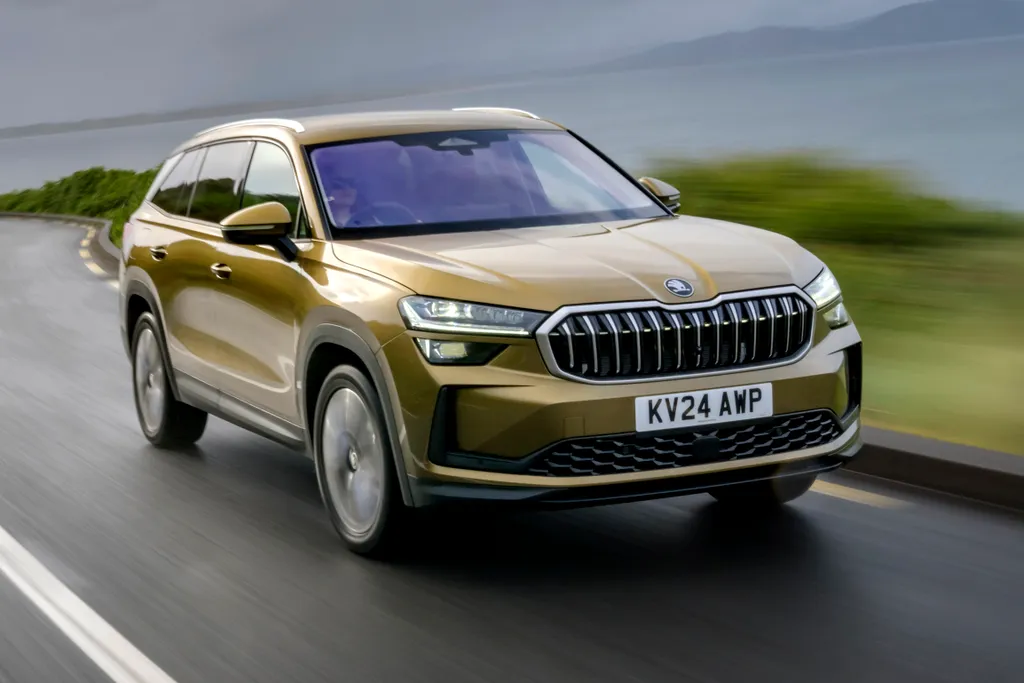
What Is A Good Mpg For Cars
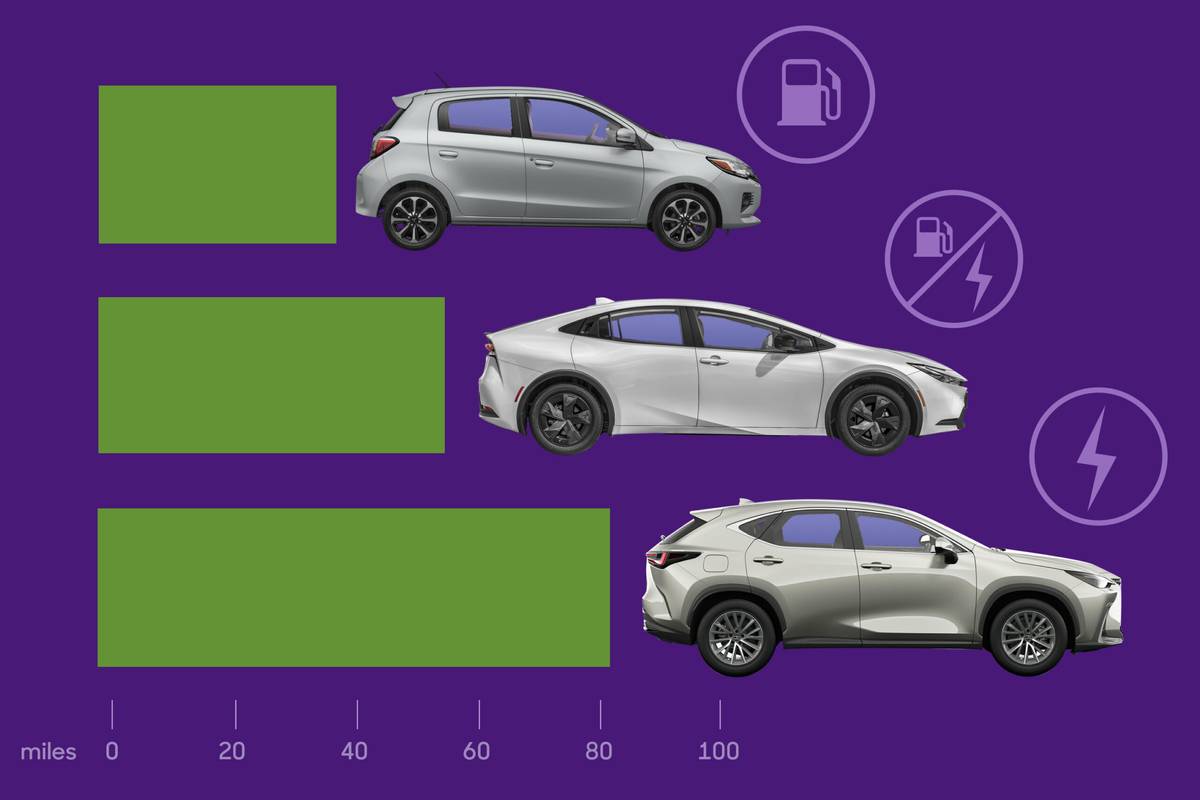
Ever found yourself staring at a car’s sticker, eyes glazing over a sea of numbers, with one prominent figure catching your attention: MPG? You're not alone! This little acronym, standing for Miles Per Gallon, is more than just a statistic; it’s the secret handshake of savvy car buyers and a gateway to a more affordable and, dare we say, fun driving experience. Why fun, you ask? Because understanding MPG is like unlocking a cheat code for your wallet, letting you cruise past gas stations with a smug grin and a lighter bank account. It’s the modern-day quest for efficiency, a bit of a puzzle, and a surprisingly popular topic of conversation at your next neighborhood barbecue.
So, what exactly is this magical MPG, and why should you care? Simply put, it’s a measure of how many miles a vehicle can travel on one gallon of fuel. Think of it as your car’s fuel-sipping superpower. The higher the MPG, the more miles you get for your buck, which translates directly into significant savings at the pump. This isn't just about saving a few dollars here and there; over the lifetime of a car, good MPG can save you thousands. Imagine that! That’s extra cash for road trips, weekend getaways, or even that fancy coffee you’ve been eyeing. Beyond your personal finances, choosing a car with better MPG also has a ripple effect on the environment. More efficient vehicles burn less fuel, which means fewer emissions polluting our air. So, you’re not just being smart with your money; you’re also doing your part for a healthier planet. It's a win-win, a double rainbow of good choices!
So, What's Considered "Good" MPG?
This is where the fun really begins, because "good" is a bit of a moving target, depending on what you drive and what you need. For a long time, anything in the 20s was considered pretty decent for a gasoline-powered car. But times, and car technology, have marched on! These days, a "good" MPG can be a bit more nuanced.
Must Read
Let’s break it down:
-
For Traditional Gasoline Cars:
If you’re looking at a standard sedan or a small SUV that runs on gasoline, aiming for an MPG in the high 20s to 30s for combined city and highway driving is generally considered very good. Cars consistently achieving 30 MPG or more are often lauded for their efficiency. For highway driving specifically, seeing numbers in the mid to high 30s is excellent, and breaking into the 40s is truly impressive for a non-hybrid. Think of it as hitting a bullseye in the MPG world!
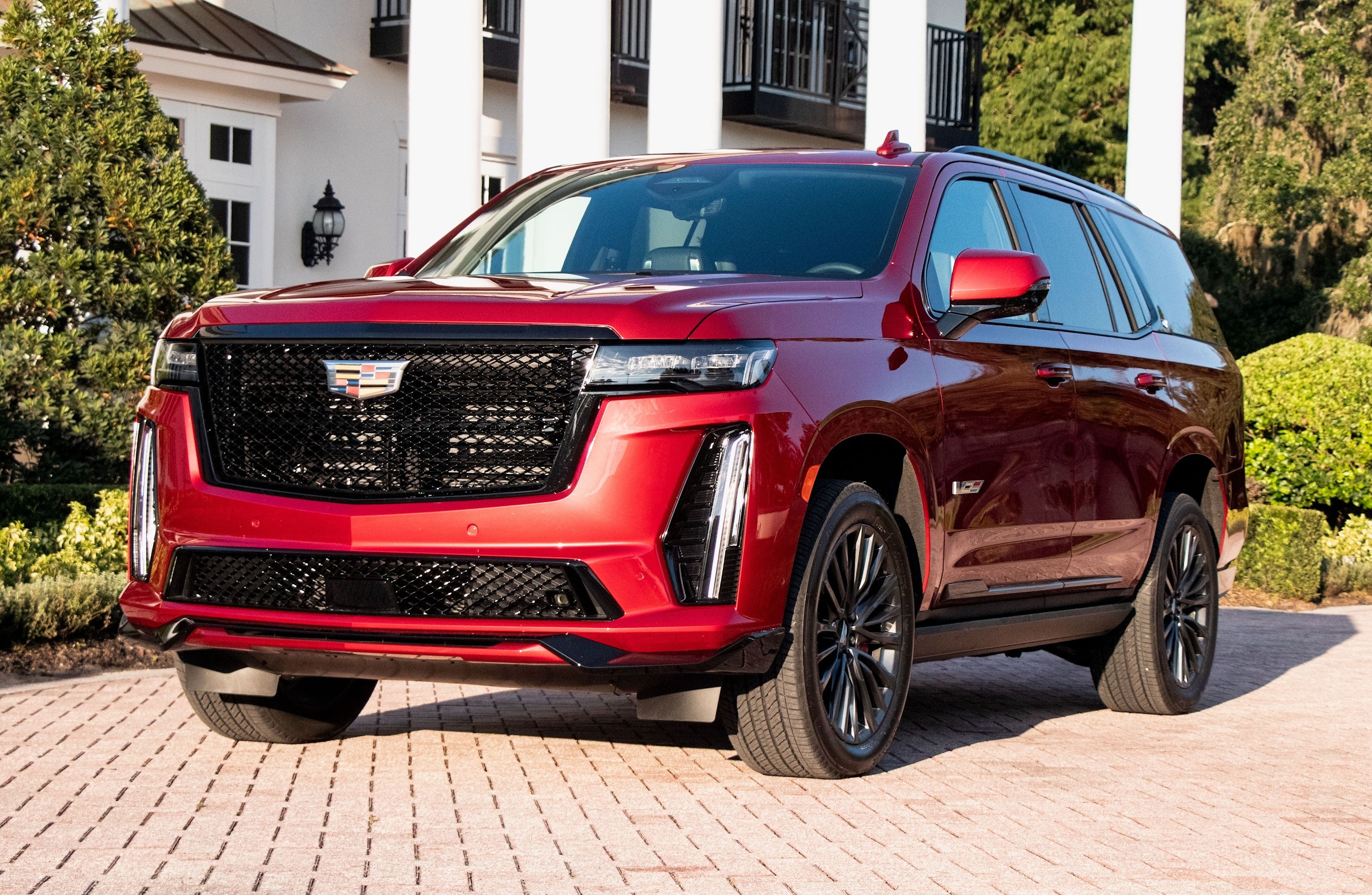
Large SUVs With The Best Gas Mileage for 2024 | CarBuzz -
For Hybrids:
Here’s where things get really interesting. Hybrid vehicles are designed for maximum fuel efficiency, often combining a gasoline engine with an electric motor. For hybrids, "good" MPG starts much higher. You'll often see these cars boasting combined MPGs in the 50s and 60s. Some of the most efficient hybrids can even push into the 70s or 80s. If a hybrid is getting 50 MPG or more, you’re looking at a champion of fuel economy!
-
For Electric Vehicles (EVs):
Now, for the electric revolution! EVs don't use gallons of gasoline, so their efficiency is measured differently. Instead of MPG, they often use MPGe (Miles Per Gallon equivalent). This metric essentially translates how far an EV can travel on the energy equivalent of one gallon of gasoline. For EVs, MPGe figures can be astronomical compared to gasoline cars. Consistently seeing MPGe ratings in the 100s is common. A good EV will often have an MPGe of 110 or higher. While not directly comparable to MPG, it highlights their incredible efficiency. And of course, if your electricity comes from renewable sources, your driving is essentially emissions-free!
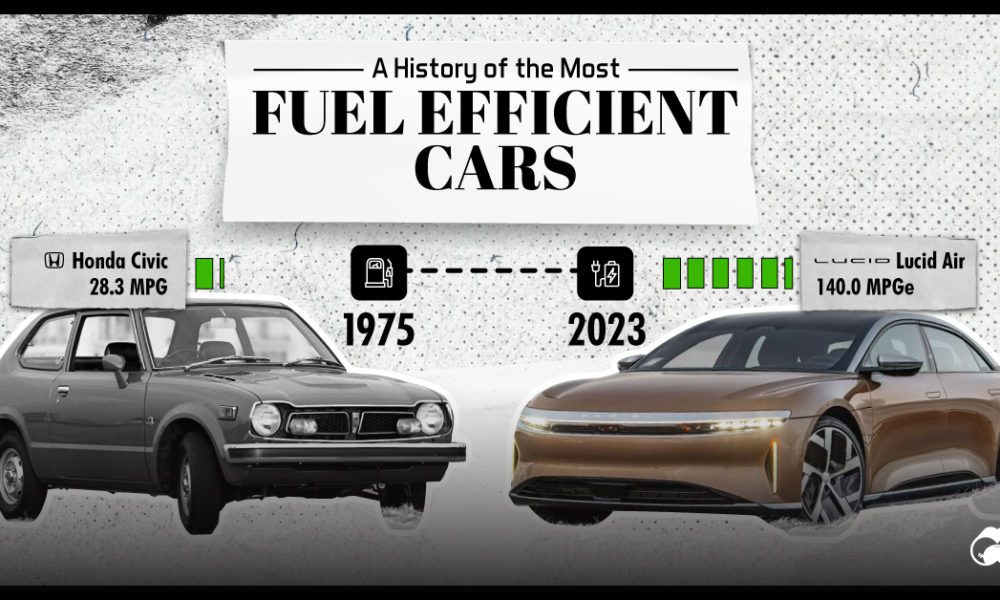
What Cars Get Best Mpg? Discover the Top Fuel-Efficient Vehicles
It’s also important to remember that the MPG you see on the sticker is often an estimate. Your actual MPG can vary based on a multitude of factors:
- Driving Habits: Aggressive acceleration and hard braking will decrease your MPG. Smooth, gentle driving is your MPG’s best friend. Think of it as a ballet on wheels!
- Driving Conditions: City driving, with its stop-and-go traffic, generally results in lower MPG than steady highway cruising.
- Vehicle Load: Carrying extra weight in your car (passengers, cargo) means your engine has to work harder, consuming more fuel.
- Tire Pressure: Underinflated tires create more rolling resistance, which can significantly impact your MPG. Keep those tires properly inflated!
- Maintenance: A well-maintained engine, with clean air filters and fresh oil, will perform more efficiently.
Ultimately, a "good" MPG is one that aligns with your driving needs and budget. If you’re a city dweller with short commutes, a moderately efficient car might be perfectly fine. If you’re a road trip warrior or have a long daily commute, investing in a more fuel-efficient vehicle, whether it's a hybrid or a gasoline car with a high MPG, will pay dividends. Don’t be afraid to do a little research, compare models, and ask questions. Understanding MPG is your superpower in navigating the car-buying jungle, ensuring you drive smarter, save more, and perhaps even contribute to a cleaner world, one mile at a time!


.jpg?w=1280&q=80&fm=webp&lossless=0)