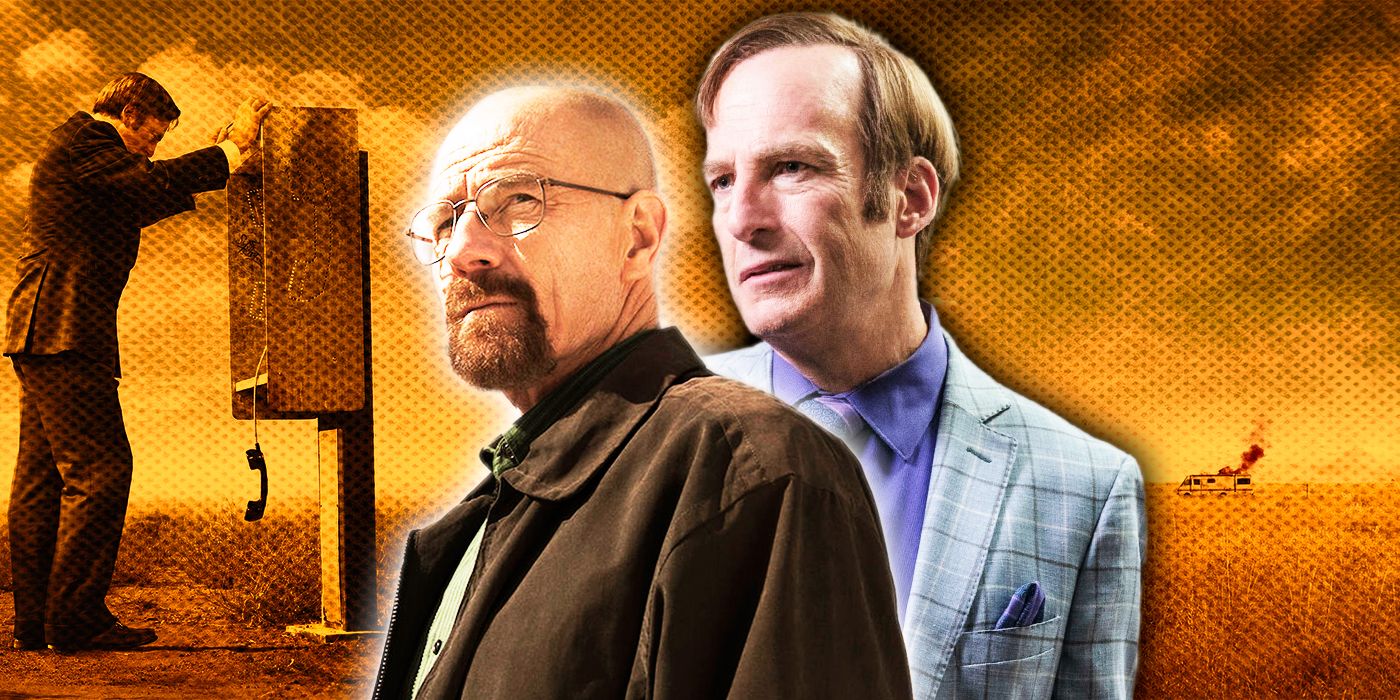
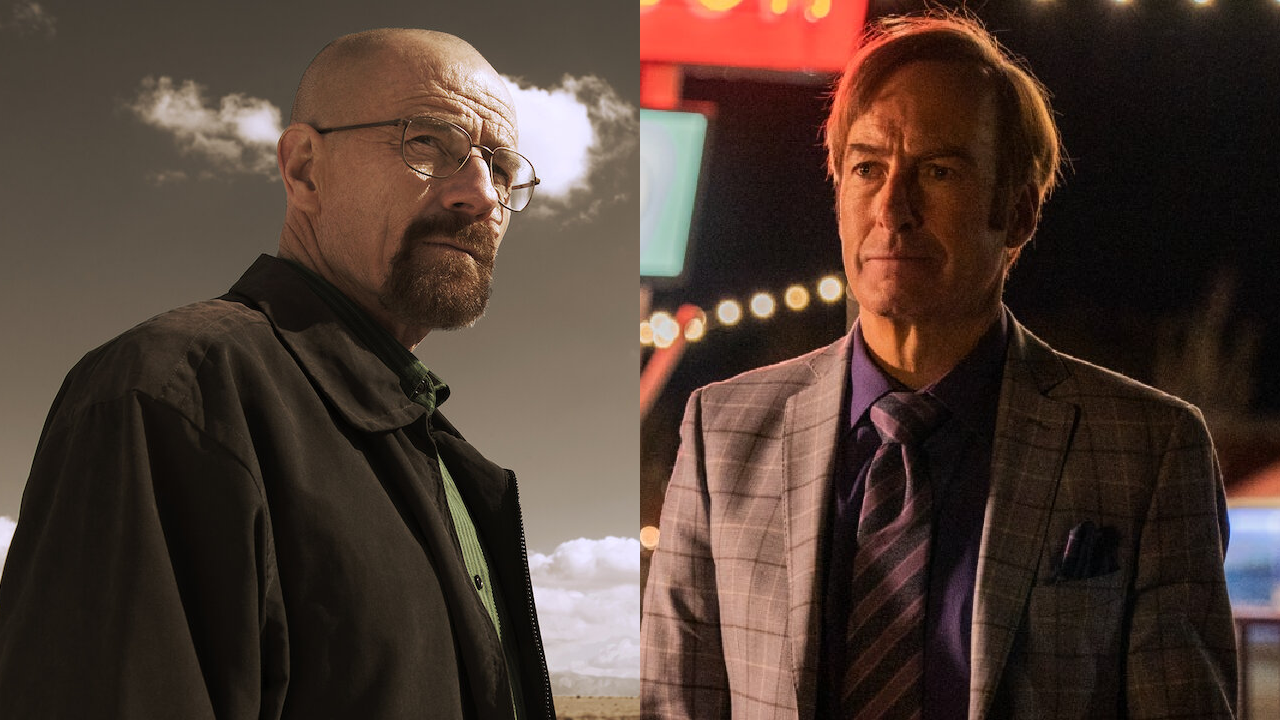
Ah, Saul Goodman. What a character. If you watched Breaking Bad, you probably have strong feelings about him. Maybe you love him. Maybe you secretly wish he'd gotten a bit more screen time. Or maybe you think he was just a slimy lawyer who deserved whatever happened to him. Well, I'm here to tell you, with all due respect to the critics and the purists, that I think we all got it wrong about what happened to Saul Goodman.
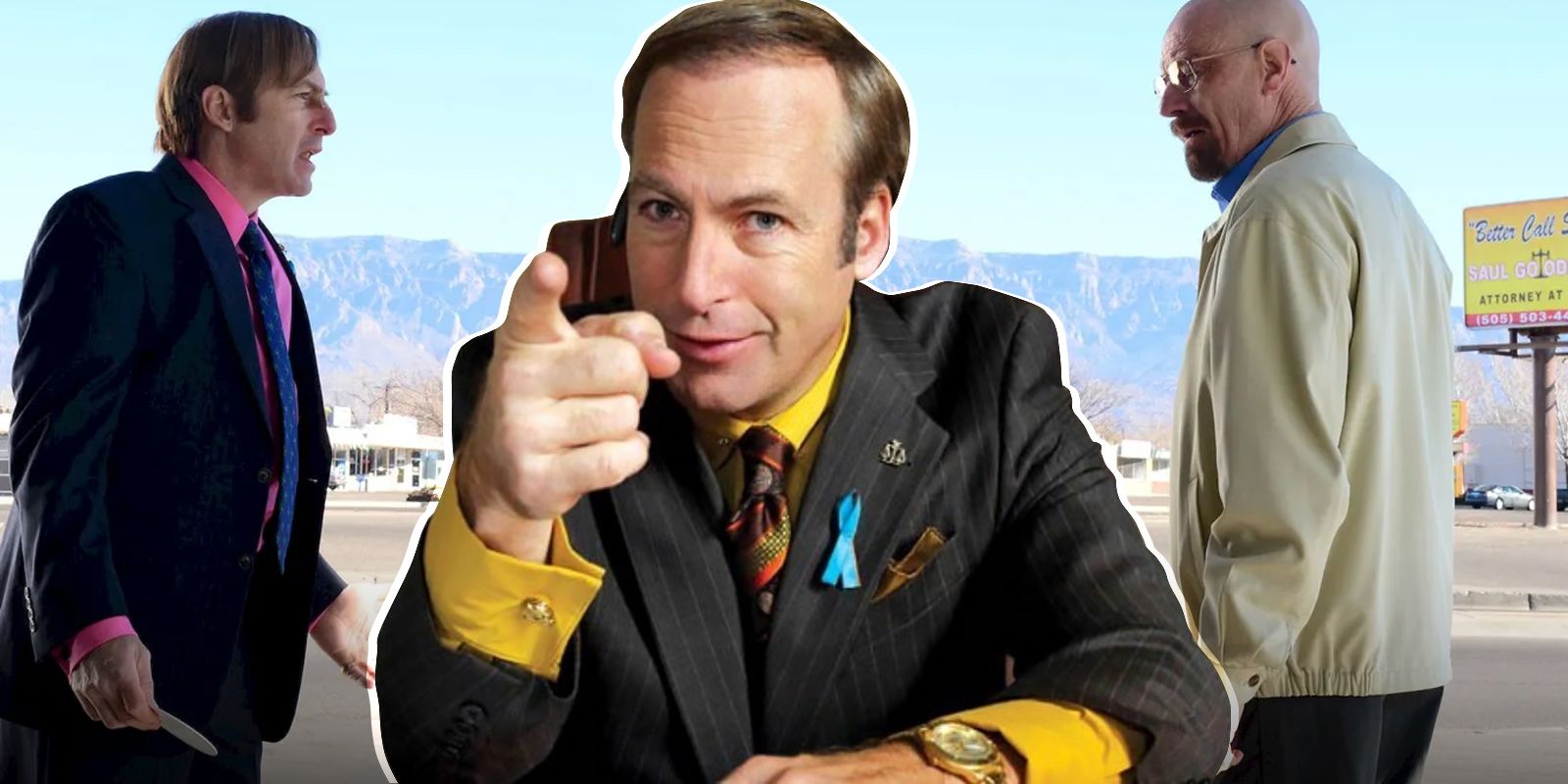
Let's be honest. When we first met him, Saul was a breath of fresh air in the otherwise grim world of Heisenberg. He was funny. He was ridiculous. He had a gold tooth and a wardrobe that screamed "cheap suit, good intentions… maybe." He was the comic relief, the guy who could get you out of anything with a wink and a shady deal. And for a while, that was enough. He was the smiling, fast-talking snake oil salesman who somehow managed to navigate the treacherous waters of Walter White's descent into darkness.
But then, things got heavy. Really heavy. We saw the consequences of Walt's actions ripple outwards, crushing everyone in its path. And Saul? He was right there in the thick of it. He was helping Walt hide money, he was helping him plan murders, he was basically the consigliere of crime. And by the end of Breaking Bad, he was gone. Vanished. We saw him shredding documents, prepping his escape, and then… poof. He became Gene Takavic, the manager of a Cinnabon in Omaha, living a life of beige mediocrity.
And that's where my "unpopular opinion" comes in. I don't think that was the end for Saul Goodman. Not really. I think what happened to him was actually… kind of a win.
Think about it. Walter White ended up dead, a pathetic shadow of his former self, coughing up his last breaths in a meth lab. Jesse Pinkman, bless his heart, was traumatized beyond belief, subjected to unimaginable horrors. Skyler White was left to pick up the pieces of their shattered family, forever tainted by her husband's crimes. Even Hank Schrader, the incorruptible DEA agent, met a brutal and untimely end.
15 Biggest Breaking Bad References in Better Call Saul
But Saul Goodman? He got away. He shed his old identity, he disappeared into the anonymity of a suburban mall, and he started over. Sure, it wasn't glamorous. I doubt he was rocking any custom-made suits or driving a limo. Cinnabon management isn't exactly the pinnacle of legal or criminal success. But he was alive. And he was free. Relatively speaking, of course.
My theory is this: Saul, the master of manipulation and evasion, saw the writing on the wall. He knew the empire was crumbling. He knew the feds were closing in. And unlike Walt, who was blinded by his own ego and his "empire business," Saul was pragmatic. He was all about self-preservation. He’d spent years building a network of fake identities and escape routes. It was his superpower, his one true talent. So, when the heat was on, he used it.
The Same Character Is Responsible For Both Breaking Bad & Better Call
He didn't go down in a blaze of glory. He didn't try to make a grand, final statement. He just… exited stage left. He traded in his flashy persona for a beige one. He traded in his high-stakes legal battles for the sweet, sweet aroma of cinnamon rolls. And in the grand scheme of things, for a man who spent his life dancing on the edge of illegality, isn't that a kind of triumph? He managed to escape the inevitable consequences that befell everyone else involved.
He was the guy who always had a plan, and his ultimate plan was to simply not get caught.
The Same Character Is Responsible For Both Breaking Bad & Better Call
So, while everyone else was dealing with the fallout, the investigations, the arrests, the deaths, Saul was… living. He was living a life, however mundane, that was free from the constant threat of prison or worse. He was the ultimate survivor. He played the game, he knew when to fold, and he managed to walk away with his life. And honestly, I find that kind of hilarious and, in a weird way, admirable.
Maybe it's an "unpopular opinion." Maybe some of you will scoff. But I like to think of Saul Goodman, not as a defeated man hiding in the shadows, but as a clever operator who pulled off his greatest trick: disappearing into plain sight and living to tell, or at least not tell, the tale. He may not have had a happy ending in the traditional sense, but he definitely had an ending where he wasn't staring down the barrel of a gun or a judge's gavel. And for Saul, that was probably the best outcome he could have hoped for.
He traded his devilish grin for a perpetually bewildered one, and while it wasn't the life he was used to, it was a life. And in the world of Breaking Bad, that's saying something. So next time you think about Saul Goodman, don't just think about the lawyer. Think about the escape artist, the survivor, the man who understood that sometimes, the smartest move is to just… fade away into the comforting scent of baked goods.