What Hand Does Your Watch Go On
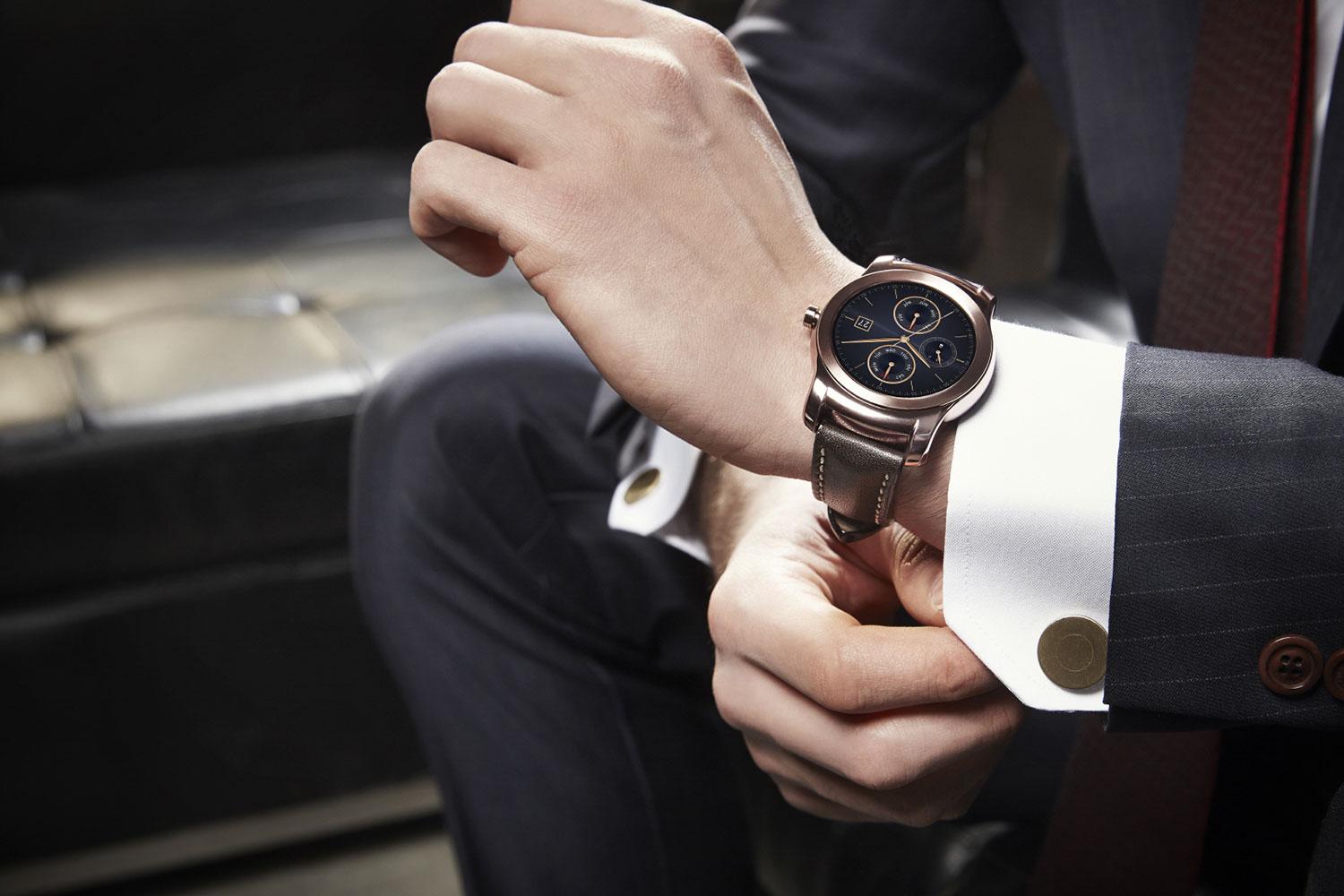
Ah, the humble wristwatch. For centuries, these ticking marvels have graced our wrists, a constant companion reminding us of the precious commodity we call time. More than just a functional gadget, a watch is often a statement piece, a touch of personal style, and a reliable anchor in our often chaotic lives. From the thrill of checking the time during a suspenseful moment in a movie to the simple satisfaction of knowing you’re precisely on schedule for your morning coffee, watches bring a sense of order and elegance to our everyday.
But beyond mere aesthetics and punctuality, what exactly is the point of a watch? In an age where our phones are glued to our hands, displaying the time with relentless notifications, you might wonder if watches are becoming obsolete. Far from it! A watch offers a discrete and convenient way to access the time without the distraction of a glowing screen. It’s a quick glance, a subtle check that keeps you present in the moment rather than pulled into the digital abyss. For professionals, a watch can convey a sense of seriousness and attention to detail. For athletes, it’s an indispensable tool for tracking performance and pushing boundaries. And for many, it’s a cherished heirloom, carrying with it memories and sentimental value.
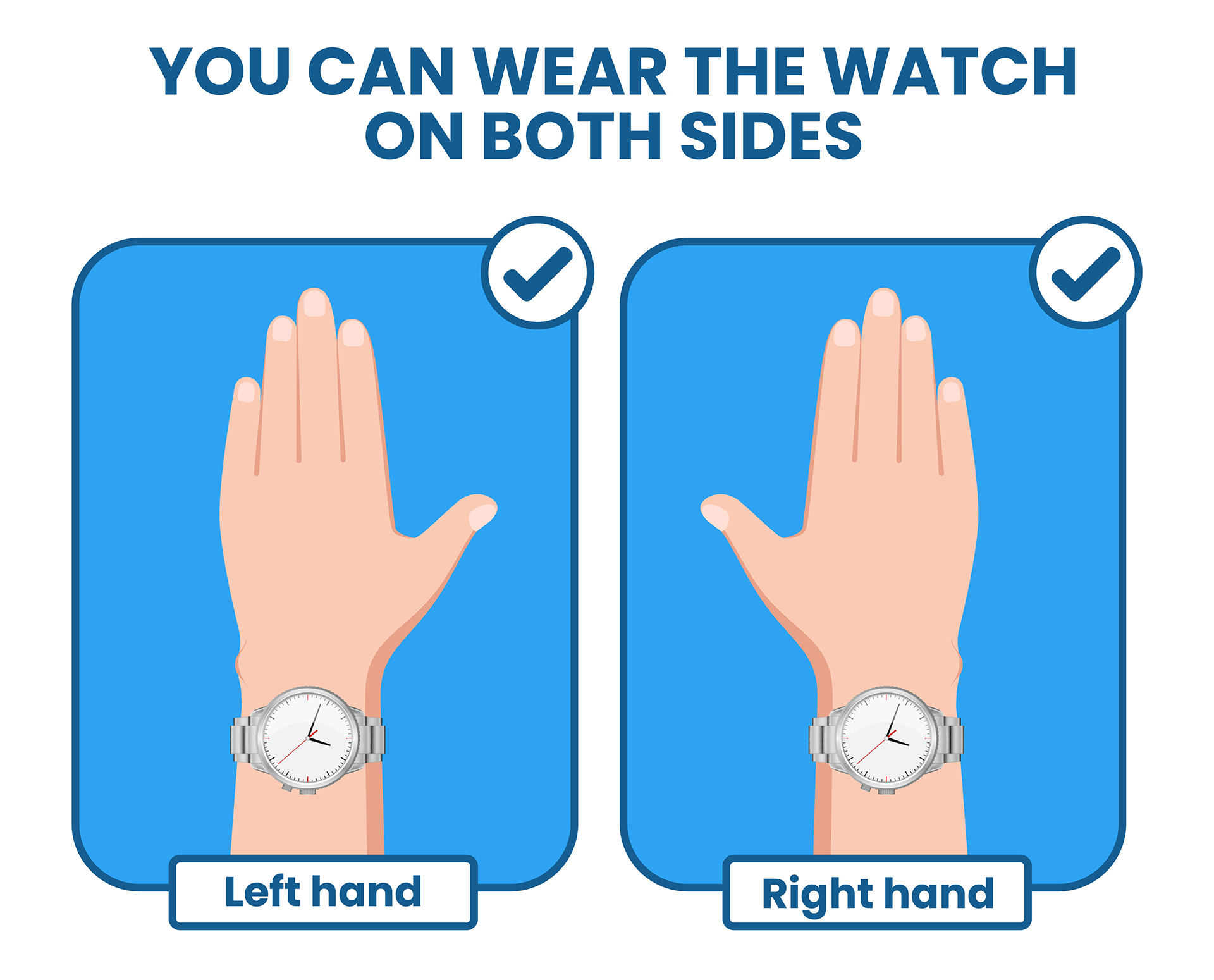
So, with all these wonderful uses, a question often arises, perhaps one you’ve pondered yourself: Which hand does your watch actually go on? For most people, the answer is surprisingly straightforward and largely based on practicality and habit. The dominant hand is typically the one people choose to leave free for other tasks. If you’re right-handed, your watch will most likely find its home on your left wrist. This allows your dominant right hand to write, eat, open doors, and perform all its dexterous duties without the hindrance of a watch. Conversely, left-handed individuals usually opt for the right wrist for the same reasons of unimpeded movement of their dominant hand.
Must Read
However, while this is the overwhelming norm, there are no hard and fast rules etched in stone. Some people, particularly those who are very active or engage in activities where their dominant wrist is more exposed to bumps and scrapes, might choose their non-dominant wrist for protection. Watch enthusiasts might also experiment for aesthetic reasons or to avoid interference with other bracelets or jewelry. Ultimately, the best wrist for your watch is the one that feels most comfortable and functional for you.
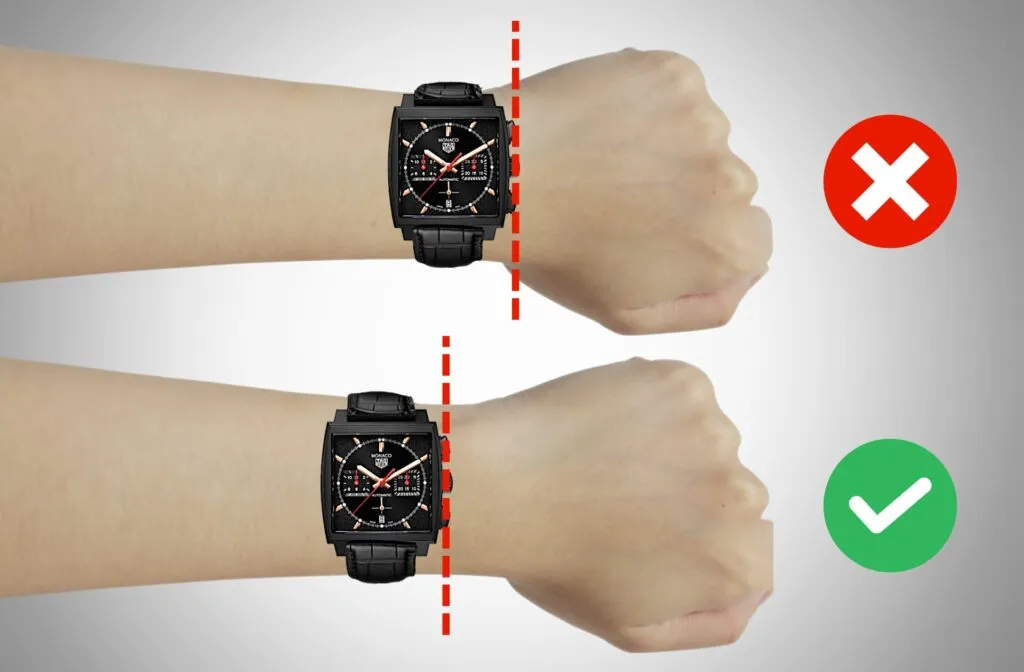
To make your watch-wearing experience even more enjoyable, consider a few tips. Firstly, ensure your watch is the right size for your wrist. A watch that’s too loose can slide around and be annoying, while one that’s too tight can be uncomfortable and even restrict circulation. Secondly, pay attention to the strap material. Leather offers a classic look and feel, while metal bracelets are durable and versatile. Fabric straps can be great for sporty or casual wear. Experimenting with different straps can breathe new life into an old watch! Finally, don't be afraid to express your personal style. Your watch is an accessory, so let it reflect who you are. Whether it’s a sleek, minimalist design or a bold, statement-making piece, wear it with confidence and enjoy the timeless elegance it brings to your day.