What Does Water Pump Do For Car
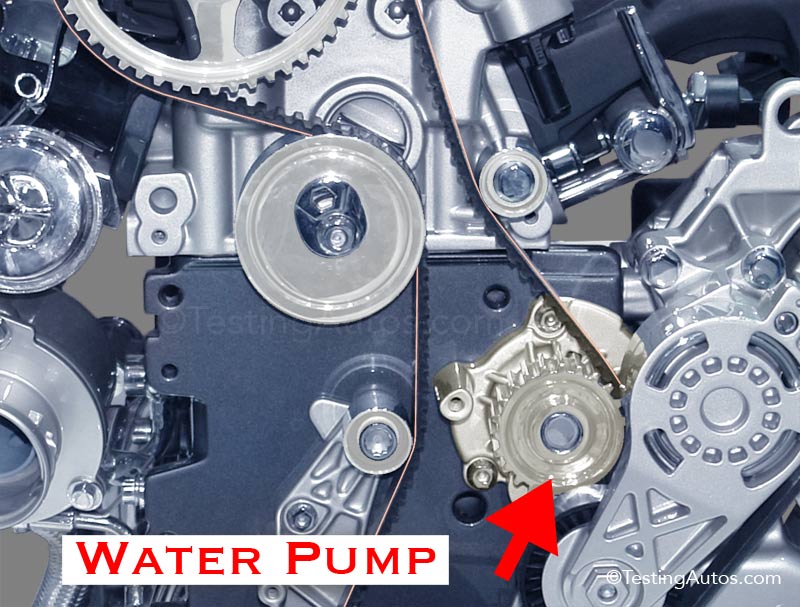
Ever wondered what makes that steady hum emanating from under the hood of your car on a hot day? It’s not just a mechanical symphony; it’s a testament to a crucial, often unsung hero: the water pump. Learning about it isn't just for gearheads; understanding this little component can give you a fascinating peek into how your car keeps its cool, and why it’s so important for its health. Think of it like understanding how your own body regulates its temperature – a little knowledge goes a long way!
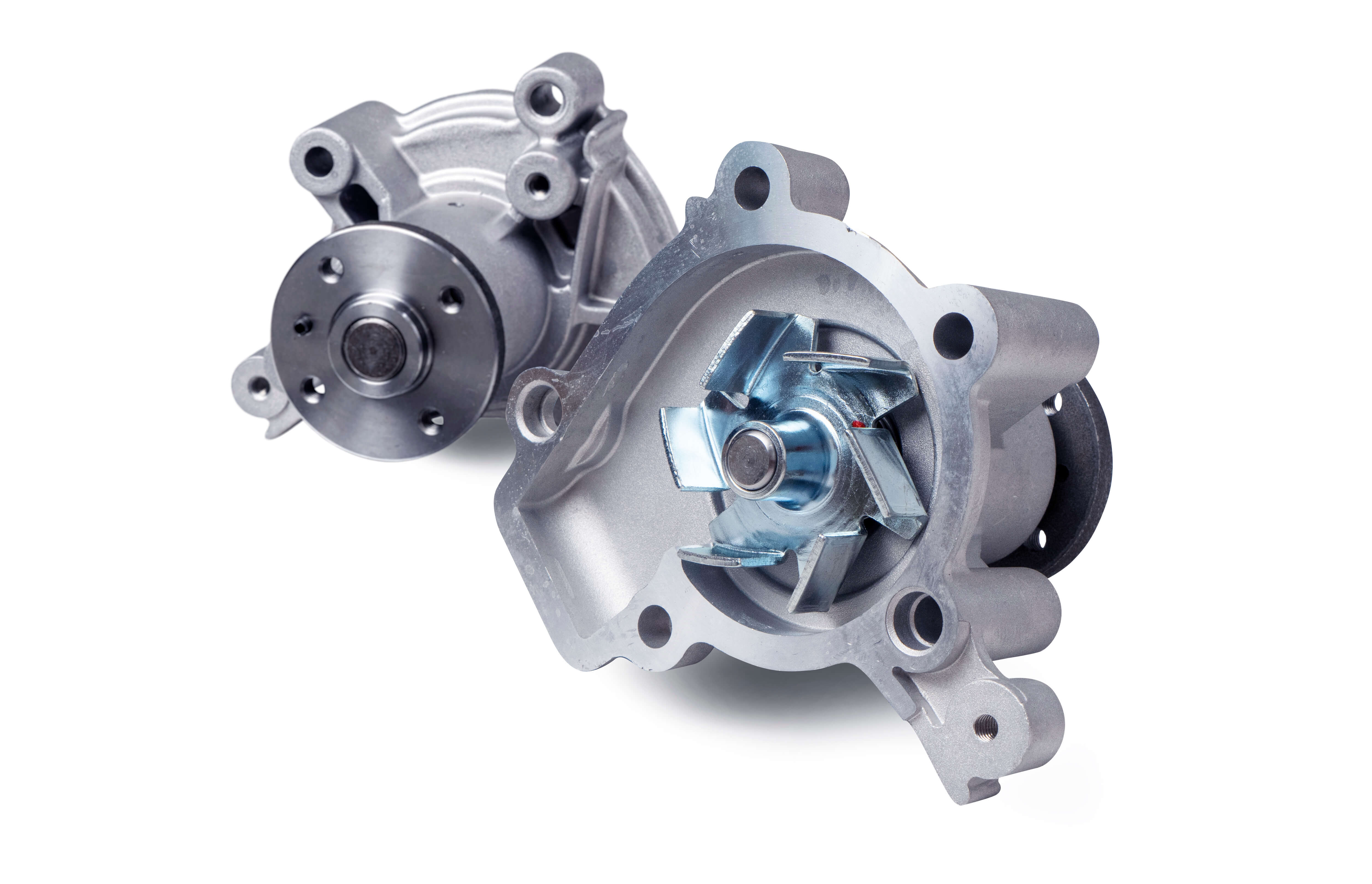
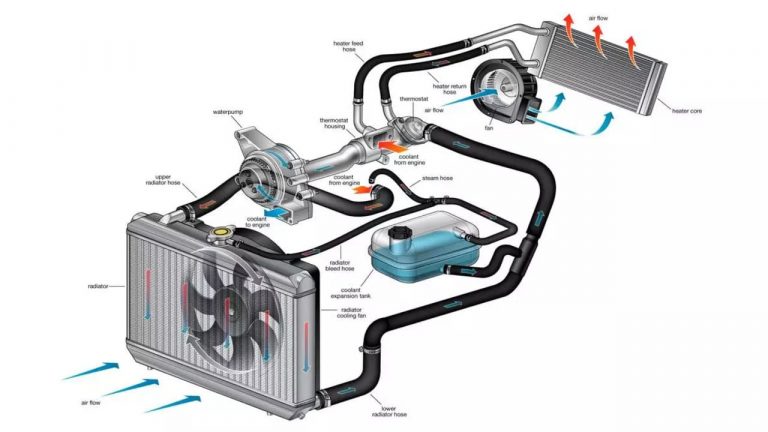
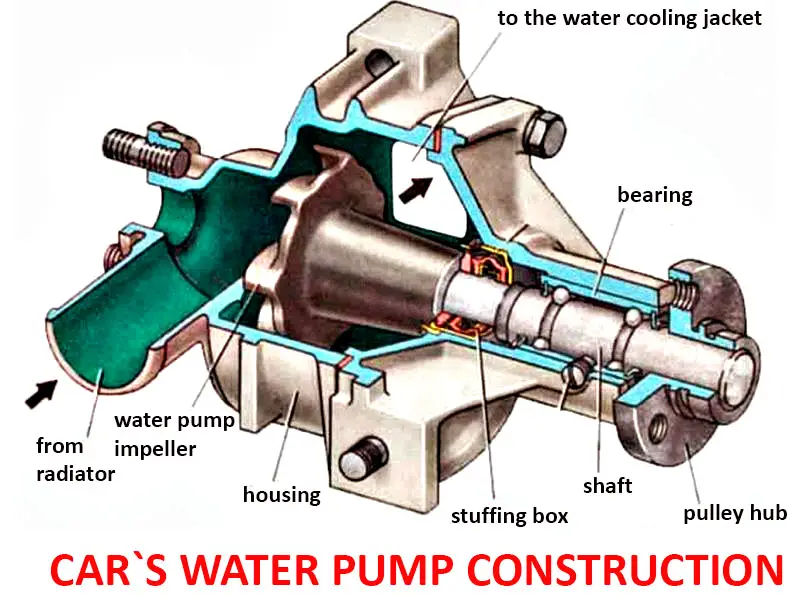
So, what exactly does this water pump do? Its primary, and arguably most vital, job is to circulate coolant throughout your car's engine. Imagine your engine as a powerhouse of energy, constantly generating heat as it burns fuel. Without a system to manage this intense temperature, your engine would quickly overheat, leading to serious damage. The water pump acts as the heart of the cooling system, diligently pushing a mixture of water and antifreeze (coolant) through the engine's channels. This coolant absorbs the excess heat, then flows to the radiator where it’s cooled down before being pumped back into the engine. It's a continuous, life-sustaining loop that keeps your engine running smoothly, even on the sweltering summer days when you’re blasting the AC.
The benefits of a functioning water pump are pretty straightforward but incredibly significant. Firstly, it prevents engine overheating, which is the most critical function. Overheating can cause parts to warp, gaskets to blow, and can ultimately lead to catastrophic engine failure. Secondly, by maintaining an optimal engine temperature, the water pump contributes to better fuel efficiency and reduced emissions. An engine that’s too cold or too hot doesn’t perform at its best. This constant, controlled temperature also helps with engine longevity, meaning your car will likely last longer and require fewer expensive repairs.
Must Read
This concept of circulation for temperature regulation isn't just confined to cars. You see it in action in various educational contexts. Think about how a science class might demonstrate heat transfer using a simple pump circulating water through a heated coil. In everyday life, even something as simple as a pond pump used for a water feature or an aquarium pump for aeration and filtration are essentially doing the same thing: moving fluid to achieve a desired outcome. It's a fundamental principle of fluid dynamics and thermodynamics that has countless applications.
If you're curious to explore this further, you don't need to be a mechanic. On a warm day, pay attention to the sounds your car makes. You might hear the fainter hum of the water pump working. Next time you're at a car show or talking to someone who enjoys working on cars, ask them about the cooling system. You could even watch some educational videos online that illustrate the water pump in action within the engine. For a hands-on, albeit simplified, experience, consider looking into small, submersible pumps for DIY projects, like creating a mini water fountain. It’s a great way to grasp the basic mechanics of how these essential components keep our world, and our vehicles, running smoothly.