What Does The Sae Mean On Oil

Hey there, car lovers and everyday drivers! Ever found yourself staring at a bottle of motor oil, your brow furrowed in a desperate attempt to decipher the hieroglyphics on the label? You know, those mysterious letters and numbers that seem to hold the secret to your car's happiness? Well, let's dive into one of the most common ones: SAE!
Think of your engine as a super-hero. It works tirelessly, battling friction and heat like a champion. And what does every superhero need? The right fuel, right? In this case, that "fuel" is motor oil, and SAE is like the superhero's secret code for its powers!
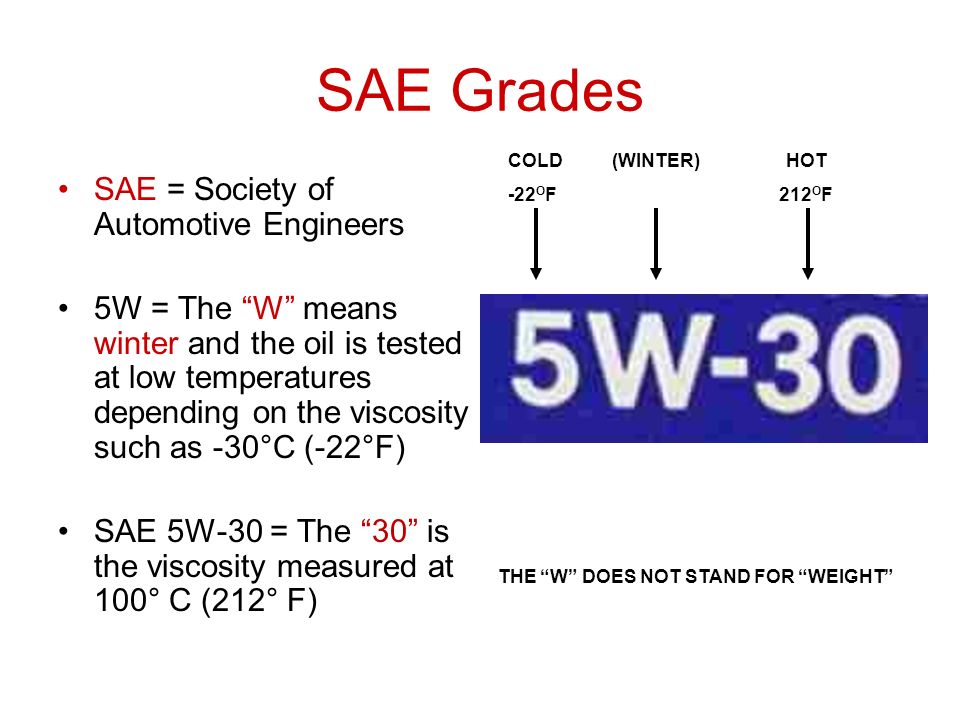
So, what exactly does this SAE stand for? Drumroll please... it's the Society of Automotive Engineers. Yep, a whole bunch of clever folks who decided to bring some order to the wild west of oil. They basically created a system to tell us how thick or thin an oil is. And let me tell you, in the world of engines, thickness matters!
Must Read
The "W" is for Wonderful!
Now, you'll usually see SAE followed by a couple of numbers, often separated by a little letter 'W'. For example, you might see something like SAE 5W-30. That 'W' is your new best friend! It stands for "Winter". So, that first number is all about how the oil behaves when it's freezing cold outside.
Imagine trying to pour honey on a chilly morning versus a warm summer day. It's a completely different experience, right? Cold honey is thick and stubborn, while warm honey flows like a dream. Motor oil is kind of the same!
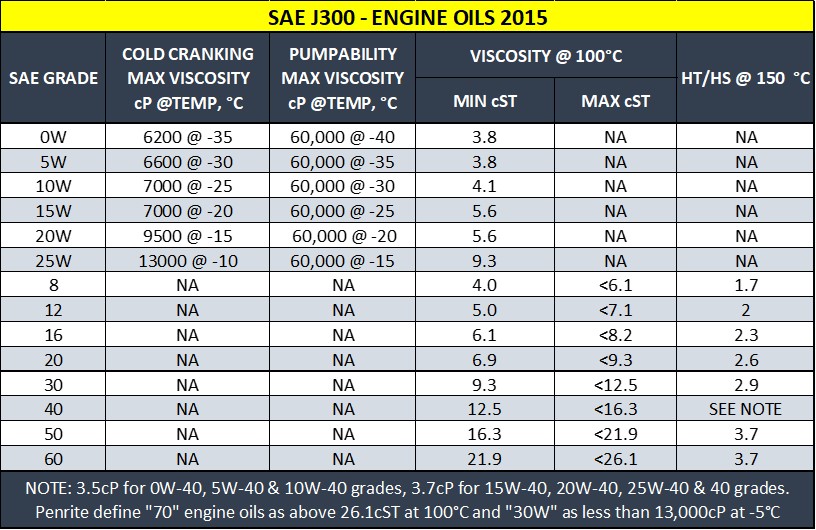
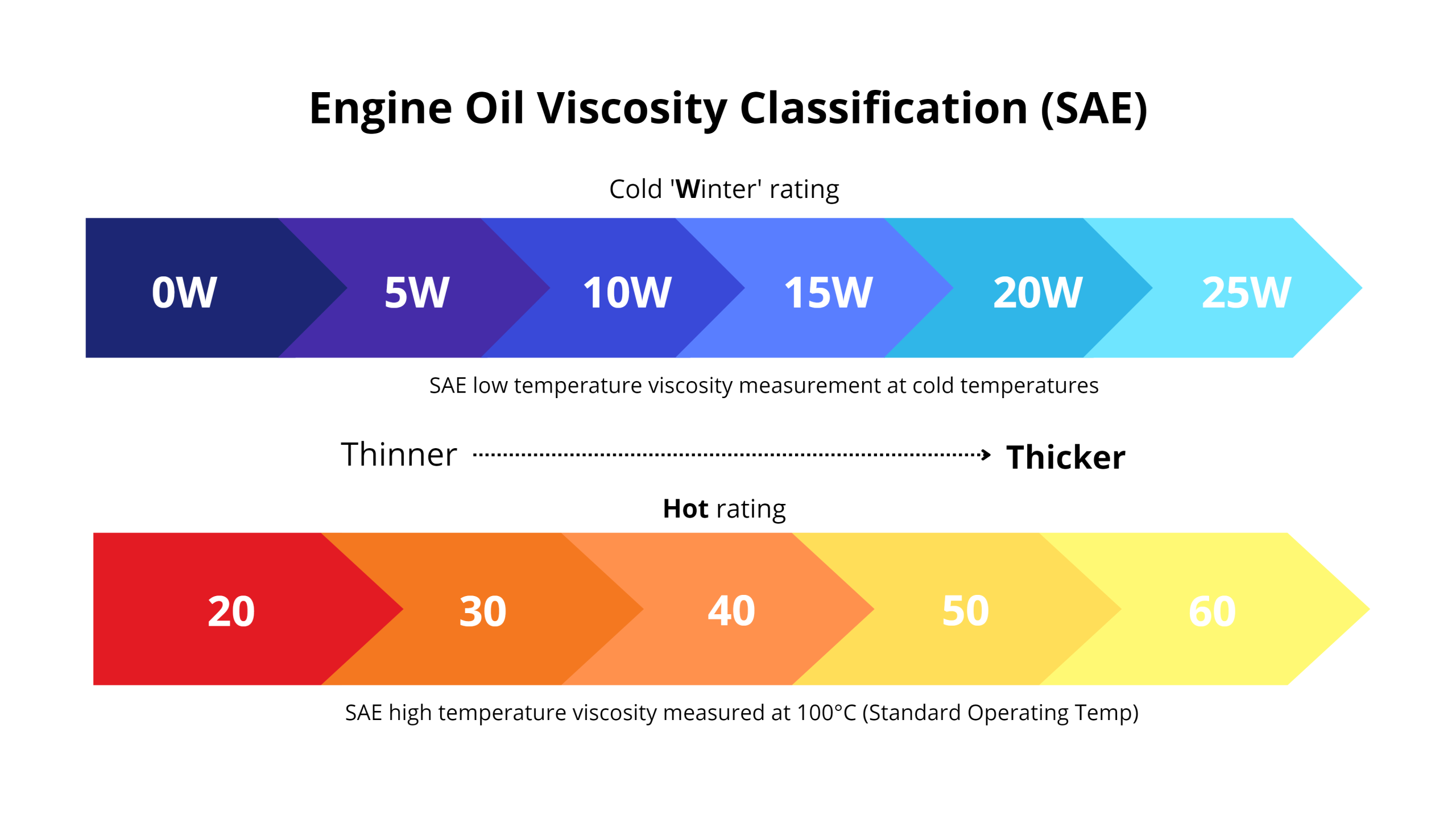
That first number, like the '5' in 5W, tells us how easily that oil can flow when your engine is as cold as a polar bear's picnic. A lower number, like 0W or 5W, means the oil is thinner when cold. This is super important for starting your car on a frosty morning.
A super thin oil at startup is like giving your engine a nice, refreshing gulp of water instead of a thick milkshake. It gets to all those nooks and crannies right away, keeping everything lubricated and happy before it even has a chance to grumble.
Think about it: when your car is sitting in the driveway during a blizzard, all the oil has drained down into the oil pan. That initial startup is when the engine parts are most vulnerable. A good, thin winter oil gets to work instantly, preventing that dreaded metal-on-metal screech.
The Second Number: Summer's Favorite Flow!
Okay, so we've conquered the cold with the 'W'. Now, what about that second number, like the '30' in 5W-30? This number tells us how thick the oil is when your engine is nice and warm, up to its operating temperature. This is like the oil's summer persona!
When your engine is purring along on a hot day, everything expands and gets hotter. The oil needs to be thick enough to create a strong protective film between all those moving metal parts. Too thin, and it's like trying to slide on a greased-up slip 'n slide – not enough protection!
A higher second number means the oil is thicker when it's hot. So, a SAE 10W-40 oil will be thicker at operating temperature than a SAE 5W-30 oil. It's like choosing between a light jacket for a breezy day and a thick duvet for a winter night – both have their purpose!
This hot-temperature viscosity is crucial for preventing wear and tear. It's the oil's job to cushion those high-speed collisions between pistons and cylinders, and a thicker oil can do a better job of that when things heat up.

Imagine trying to hold a big juicy watermelon with just your fingertips. It's going to slip, right? That's what a thin hot oil might be like for your engine's internal parts. But a thicker oil is like cupping your hands around it – much more secure!
Multi-Grade Magic: The Best of Both Worlds!
Now, here's where the real magic happens. Most modern cars use what's called multi-grade oils, like that 5W-30 we've been talking about. This is where those two numbers come together to be super smart!
A multi-grade oil is engineered to behave like a thinner oil when it's cold, and a thicker oil when it's hot. It's like having a chameleon that can change its colors to suit its environment. Your engine gets the best of both worlds, no matter the weather!
This technology is a game-changer. Without it, you'd essentially need two different oils: one for winter and one for summer. Can you imagine the hassle of changing your oil every time the seasons flipped? Your garage would be overflowing with oil cans!
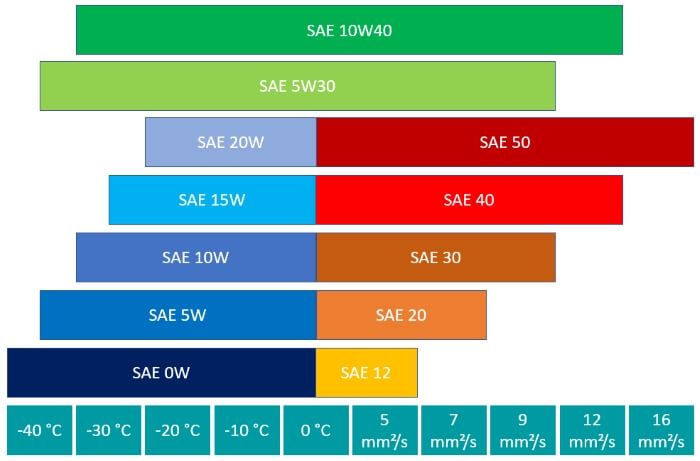
These multi-grade oils have special additives that allow them to perform optimally across a wider temperature range. They're the unsung heroes of your car's health, working tirelessly behind the scenes.
So, that SAE number on your oil bottle isn't just random jargon. It's a vital piece of information that tells you how that oil is going to protect your precious engine. It's a promise of smooth starts in the winter and reliable performance in the summer.
Why Does This Even Matter to YOU?
You might be thinking, "Okay, cool story about SAE and viscosity, but why should I care?" Well, my friends, using the right oil is like feeding your car the perfect diet. Feed it the wrong thing, and it might start to feel a bit sluggish or even get sick!
Using the correct SAE grade recommended by your car's manufacturer is super important for its longevity and performance. It's in your car's owner's manual, that magical book often hidden away like a treasure map. It's worth dusting it off!
Sticking to the recommended oil viscosity ensures your engine runs efficiently, saving you precious fuel. Plus, it helps prevent premature wear and tear, meaning fewer expensive repairs down the road. Who doesn't love saving money and avoiding headaches?
Think of it this way: would you give a world-class marathon runner a plate of pancakes for breakfast every day before a race? Probably not! They need the right fuel to perform at their peak. Your car is no different.
So, the next time you're at the auto parts store, don't just grab the first bottle of oil you see. Take a peek at that SAE number. Give your car the good stuff it deserves, and it'll thank you with countless miles of happy, smooth sailing!
It's like giving your car a warm hug on a cold day and a cool drink on a hot day, all in one bottle. Pretty neat, huh?
SAE: It's not just letters, it's your engine's best friend!
So there you have it! The mystery of SAE on oil bottles is no more. You're now officially an oil-fluencer, ready to impress your friends with your newfound knowledge. Go forth and spread the good word about the wonderful world of motor oil!