What Does The 5w 30 Oil Mean

My grandpa, bless his grease-stained overalls, used to say, "A car’s heart beats with good oil." He wasn't wrong, but sometimes, the stuff that comes out of those bottles looks like it belongs in a chemistry lab, not a gas tank. I remember staring at a bottle once, squinting at the numbers, thinking, "Is this some kind of secret code? 5W-30? What does that even mean?" It felt like I needed a decoder ring just to get an oil change.
We've all been there, right? Standing in the auto parts aisle, overwhelmed by choices. It’s like staring into a kaleidoscope of viscosity. And that little number, the "5W-30," always pops up. It's the superstar of oil grades, the MVP of motor lubrication. But what’s the real story behind it? Let’s break it down, no fancy engineering degree required. Think of it as a friendly chat over a virtual cup of coffee, where I spill the beans (or, you know, the oil).
Unpacking the 5W-30 Mystery
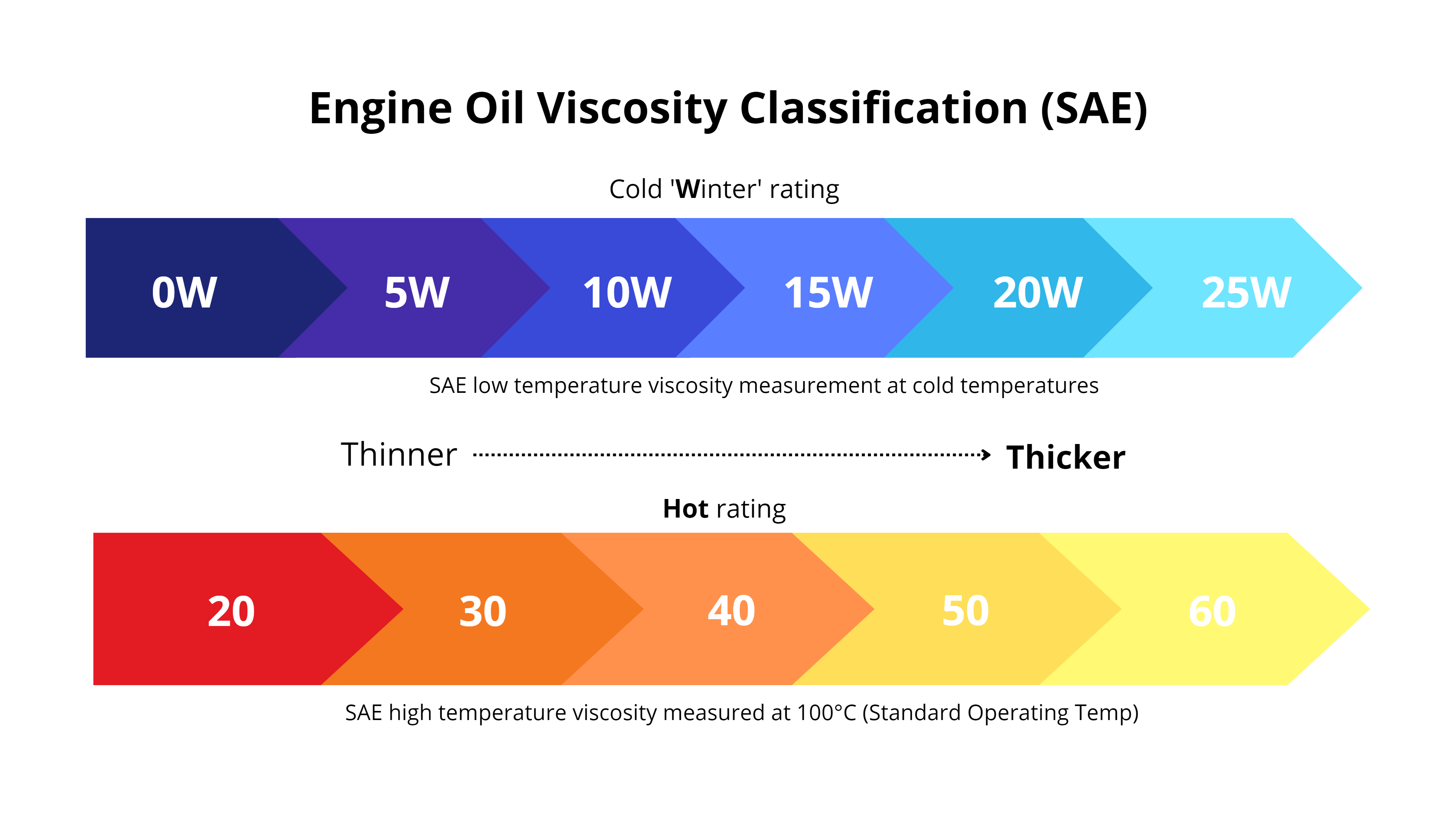
So, that "5W-30" on the bottle? It’s not some random selection of digits thrown on there to look official. It’s actually a super-smart system designed to tell you exactly how that oil is going to behave at different temperatures. Pretty neat, huh? It’s all about something called viscosity. Now, don’t let that word scare you. Viscosity is just a fancy way of saying how thick or thin a liquid is, and how well it flows. Think of honey versus water – honey is much more viscous, right?
Must Read
Our cars, bless their metal souls, operate in a pretty wide range of temperatures. It can be scorching hot under the hood on a summer day, or freezing cold on a winter morning. The oil needs to be able to handle both extremes. That’s where our friend, the "5W-30," comes in to save the day.
The "W" Factor: Cold Weather Warrior
Let’s tackle the "W" first. You see it right there, staring you in the face, next to the "5." This "W" stands for "Winter". It's like a little flag indicating that this number is all about how the oil performs when things get chilly. So, that "5" before the "W"? It tells us how the oil flows when it's cold. A lower number means the oil is thinner and flows more easily when it's cold.
Imagine trying to pour syrup on a frozen pancake versus a warm one. The cold syrup is thick and sluggish, right? If your engine oil was like that cold syrup on a frigid morning, it wouldn't be able to reach all the tiny nooks and crannies it’s supposed to lubricate. This can lead to extra wear and tear on your engine, which is the last thing you want. The "5" in 5W-30 means this oil is relatively thin when it’s cold, allowing it to get to work quickly and protect your engine from that initial startup grind.
Think about it: your engine is like a sleeping giant. When you first turn the key, it’s waking up. It needs that oil to flow smoothly right away to prevent damage. A thicker oil would take longer to get everywhere, leaving some parts vulnerable. So, that "5" is a big deal for cold starts. It’s like giving your car a warm blanket and a cup of hot cocoa on a frosty morning. Ah, sweet relief.
Now, if you lived somewhere that never dropped below, say, 70 degrees Fahrenheit, this "W" number might be less critical. But for most of us, who deal with more than just sunshine and rainbows, that "W" is a literal lifesaver for our engines. It’s the difference between a smooth start and a rough awakening.

The "30" Bit: Hot Rod Performance
Okay, so we’ve conquered the "W" and its cold-weather wisdom. Now, let’s look at the "30." This number, which comes after the dash, tells us about the oil's viscosity when it’s hot. This is about how well the oil maintains its thickness and lubricating properties under high temperatures. Remember that syrup analogy? This is the warm pancake situation.
When your engine is running, it gets hot. Really hot. The oil has to withstand this heat without breaking down or becoming too thin. If it gets too thin, it can't create a strong enough protective film between moving parts. This leads to increased friction, overheating, and potentially, serious engine damage. Nobody wants that, right? That’s a recipe for a very expensive trip to the mechanic.
The "30" indicates that this oil has a moderate viscosity at operating temperatures. It's not super thick, which would cause drag and reduce fuel efficiency, and it's not too thin, which would compromise protection. It strikes a nice balance. It's like Goldilocks' porridge – just right. It provides that essential barrier to keep your engine's metal components from grinding against each other.
So, the "30" is essentially telling you how well the oil will perform when your engine is working hard, like when you're driving on the highway or climbing a steep hill. It’s the oil's ability to hold its ground, so to speak, when the heat is on. It’s the reason why your engine doesn't seize up when you’re stuck in summer traffic.
The Magic of Multi-Grade Oils
Now, here's where it gets really cool. The "5W-30" is what we call a multi-grade oil. This means it's designed to perform well across a wider range of temperatures than a single-grade oil (like just "30"). Old-school oils were often single-grade, meaning they were good at either cold temperatures or hot temperatures, but not both. You’d have to switch them out seasonally, which sounds like a massive pain in the neck, doesn't it?
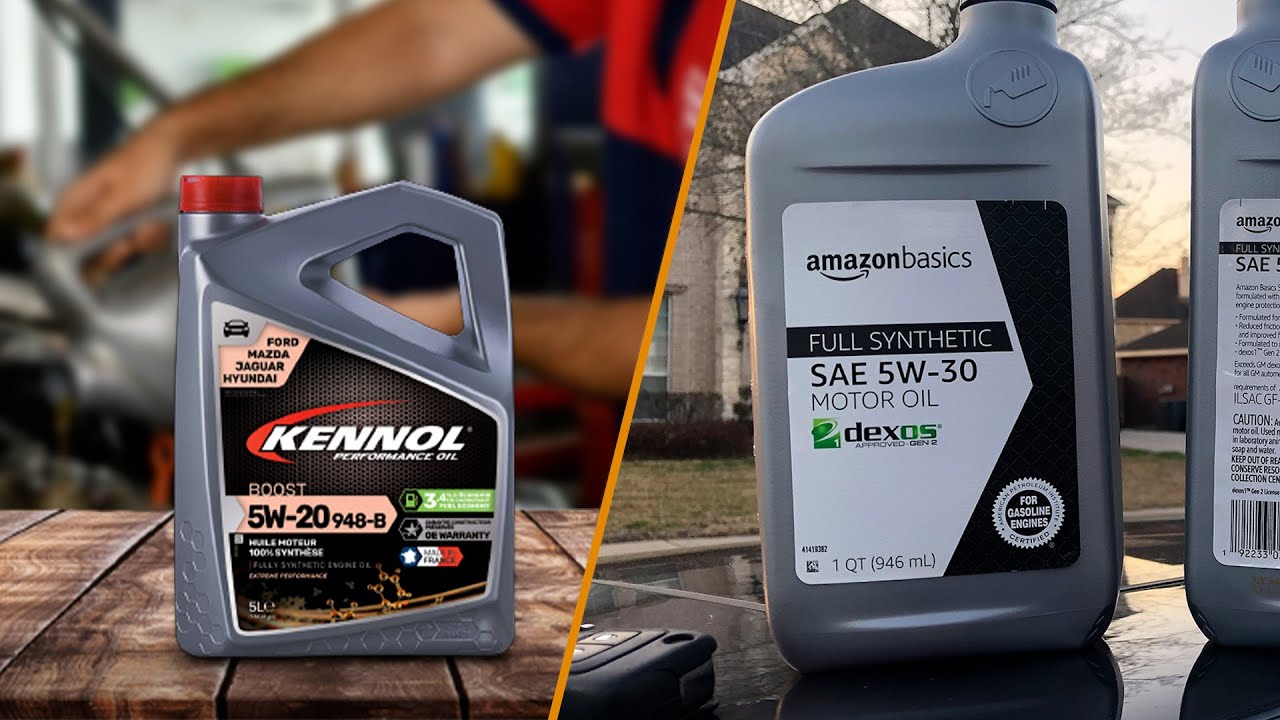
Multi-grade oils use special additives called viscosity index improvers. These clever little molecules expand when the oil heats up, helping to keep it from getting too thin. When the oil cools down, they contract, allowing it to flow more freely. It's like having a built-in thermostat for your oil! How ingenious is that? It’s this technological marvel that allows a single bottle of 5W-30 to be your engine’s best friend in both a frosty January morning and a sweltering August afternoon.
Before these multi-grade oils came along, changing your oil was a more seasonal affair. In winter, you'd use a thinner oil, and in summer, a thicker one. Can you imagine having to remember all that and actually do it? My grandpa would have had a field day, but for the rest of us, it would be a nightmare. This innovation has made car maintenance so much simpler for the average car owner.
Why 5W-30 is So Popular
So, why is 5W-30 the go-to oil for so many vehicles? Well, it's a fantastic all-rounder. For a lot of regions and a lot of common car engines, 5W-30 provides the optimal balance of cold-weather flow and hot-weather protection. It’s the compromise that works brilliantly for a huge number of everyday driving conditions.
Car manufacturers specify the type of oil their engines need for a reason. They've done extensive testing to figure out what will give their engines the best performance, longevity, and fuel efficiency. And for a vast number of cars on the road today, that magic number is 5W-30. It’s the manufacturer’s recommendation because it’s proven to work.
However, and this is a big "however," it’s crucial to always check your car’s owner's manual. Just because 5W-30 is popular doesn't mean it's the right choice for your specific car. Some engines might need a thicker oil, like a 10W-40, or a thinner one, like a 0W-20, depending on their design and the climate you drive in. Ignoring that manual is like ignoring your doctor's advice – not a great idea!
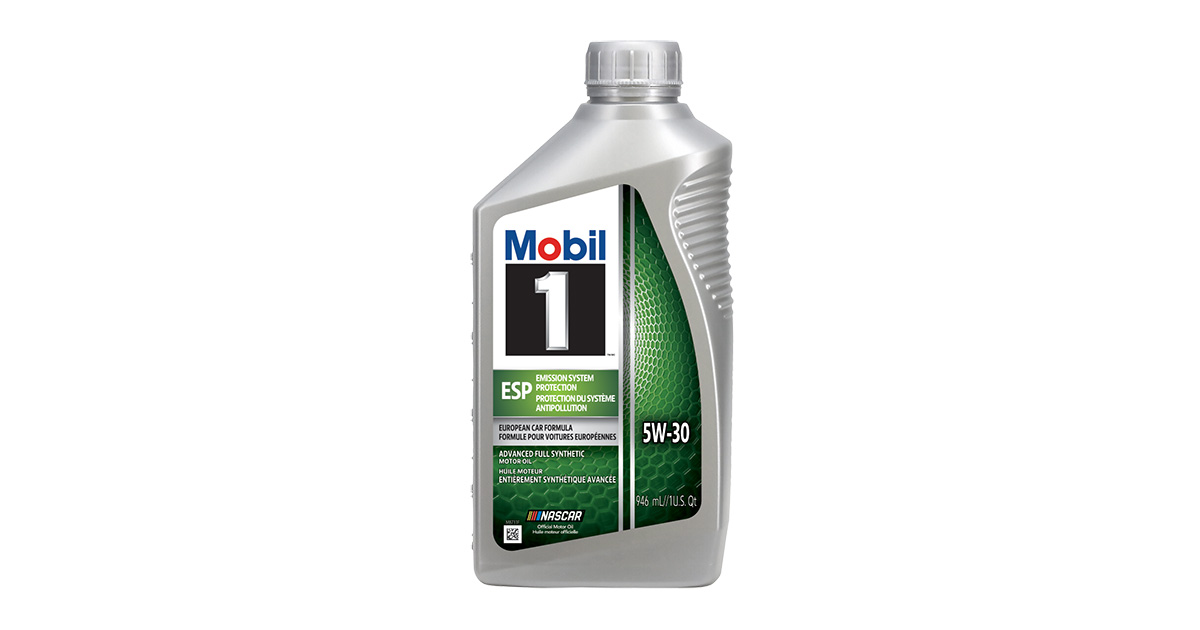
Think of it this way: your owner's manual is the recipe book for your car. The 5W-30 is just one of many ingredients. You wouldn't bake a cake with salt instead of sugar, would you? So, always consult that trusty manual. It’s there to help you make the best decision for your car’s long-term health.
What Happens If You Use the Wrong Oil?
This is where things can get a little hairy. Using an oil that isn’t the correct viscosity for your engine can lead to a cascade of problems. If you use oil that’s too thick (e.g., a 10W-40 in an engine that calls for 5W-30 in a cold climate), it won’t flow properly when cold. This means poor lubrication during startup, leading to increased friction and wear on critical engine components. Over time, this can cause premature engine failure. Yikes!
Conversely, if you use oil that’s too thin (e.g., a 0W-20 in an engine that needs 5W-30 in a hot climate), it might not provide a thick enough protective film when the engine is hot. This can lead to metal-on-metal contact, overheating, and severe damage. It’s like trying to build a sturdy wall with watery cement – it just won’t hold up under pressure.
Beyond just viscosity, there are also different types of oil: conventional, synthetic blend, and full synthetic. These have different properties and protection levels. Using a lower-quality oil than recommended could also be detrimental. It's like choosing fast food every meal instead of a balanced diet – you might get by for a while, but it's not the best for long-term health.
So, while the "5W-30" is a good starting point and a popular choice, it's your owner's manual that holds the ultimate truth. Don't guess, don't assume. Look it up. Your engine will thank you for it with miles and miles of smooth, happy driving.

Beyond the Numbers: Other Oil Considerations
While the 5W-30 tells us about viscosity, it's not the whole story of engine oil. There are other important things to consider, like the API service category (e.g., SP, SN) and the ILSAC rating (e.g., GF-6). These ratings indicate the oil's performance standards and the types of additives it contains, which are crucial for protecting your engine against wear, sludge, and other harmful deposits.
Full synthetic oils, for example, are generally more expensive but offer superior protection, better performance at extreme temperatures, and longer drain intervals. Synthetic blends offer a good middle ground, and conventional oils are the most basic. The choice often depends on your car's age, your driving habits (lots of stop-and-go traffic versus highway cruising), and your budget.
And let's not forget about the oil filter! It's the unsung hero that catches all the gunk. Changing your oil without changing the filter is like taking a shower with your dirty clothes on – not very effective. Always replace your oil filter at the same time you change your oil. It’s a simple step that makes a world of difference.
Ultimately, understanding what "5W-30" means is just the first step in becoming a more informed car owner. It’s about demystifying those labels so you can make the best choices for your vehicle’s health. It’s about empowering yourself to give your car the care it deserves. So next time you’re staring at that oil bottle, you’ll know you’re not just looking at a random number, but a carefully engineered solution for your engine’s well-being.
So, there you have it. The "5W" is your cold-weather guardian, ensuring your engine gets the lubrication it needs to start smoothly. The "30" is your hot-weather hero, keeping things protected when the engine is working its hardest. Together, they make the 5W-30 a versatile and popular choice for many vehicles. But always, always, always consult your owner's manual. Your car's heart will thank you for it!