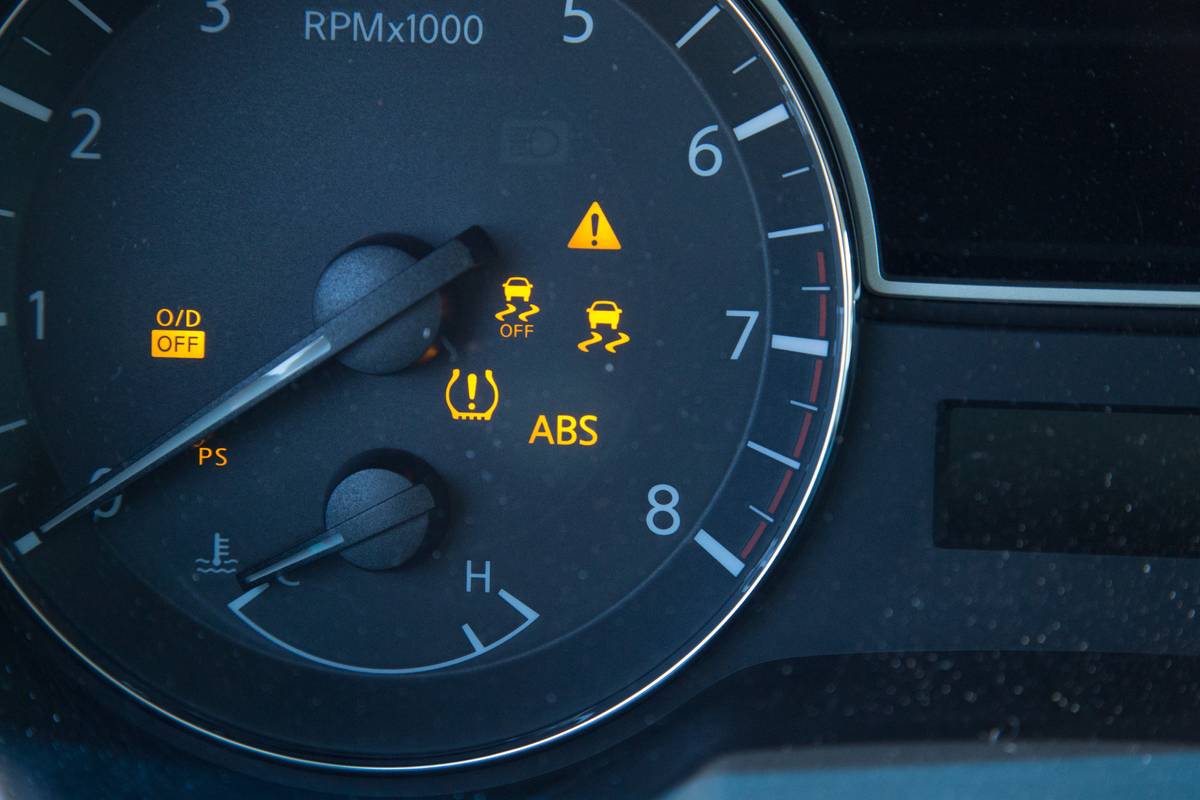
What Does Ps Mean In A Car

Ever been scrolling through car ads, maybe dreaming of that next set of wheels, and stumbled upon a mysterious acronym like "PS"? You're not alone! It's like a secret handshake in the automotive world. And let's be honest, sometimes car jargon can feel a bit like trying to decipher ancient hieroglyphs, right?
But fear not, my fellow car enthusiasts (or even those who just want to understand what that little sticker on your dream car actually means!). Today, we're going to crack the code on "PS" in a car, and trust me, it's not nearly as intimidating as it sounds. In fact, it's kind of… fun!
The Big Reveal: What Does "PS" Actually Stand For?
Okay, drumroll please… In the context of cars, "PS" most commonly stands for Pferdestärke. Now, I know what you're thinking. "Pferdestärke? That sounds like something a wizard would say!" And in a way, it kind of is! It’s German for "horsepower".
Must Read
Yep, that’s it! It’s the continental European way of measuring a car’s power. Think of it as the car world's equivalent of saying "a baker's dozen" – a little linguistic twist that means exactly what you expect when you get down to it.
Why Different Names for the Same Thing? A Little History Lesson!
So, why isn't it just "HP" everywhere? Well, cars have a rich history, and different regions of the world developed their own ways of measuring things. Back in the day, when cars were a revolutionary invention, people needed a way to quantify their performance. The brilliant James Watt is credited with developing the concept of horsepower (HP) to compare the output of steam engines. But in mainland Europe, particularly Germany, they went with Pferdestärke. It's essentially the same metric, just a different name and a slightly different calculation method in some historical contexts, though modern standards are largely harmonized.

It's like how some countries call a french fry a "chip" and others call it a "fry." Same delicious potato, different label! This little difference adds a bit of flavor to our automotive vocabulary, wouldn't you agree?
So, How Does "PS" Relate to the "HP" We Know and Love?
This is where it gets really interesting! While "PS" and "HP" are both measures of a car's power, they aren't exactly the same. Think of it like this: 1 PS is roughly equivalent to 0.986 horsepower. So, a car with 100 PS would have approximately 98.6 HP.

It's a small difference, but it's there! For everyday driving and general understanding, you can pretty much consider them interchangeable. If a car lists 150 PS, you can confidently assume it has a good amount of oomph under the hood, just like a car with 150 HP.
Why Does This Matter to You? Let's Make it Fun!
Now, why should you care about this little "PS" versus "HP" distinction? Because knowledge is power, my friends! And in the car world, understanding these terms can:
- Make You a Savvier Shopper: When you're browsing international car listings or looking at European models, you'll know exactly what you're seeing. No more head-scratching! You can confidently compare specs and make informed decisions.
- Add to Your Car Conversations: Impress your friends at your next car meet-up or even just during a casual chat. "Oh yeah, that German model comes with a healthy 200 PS. It’s a real mover!" You'll sound like a seasoned pro.
- Enhance Your Driving Experience: When you understand the numbers, you can better appreciate the engineering. That "PS" isn't just a letter; it's a promise of performance, a testament to the engineers who designed the engine to deliver that specific amount of power.
- Boost Your Confidence: Car dealerships, online forums, technical articles – they're all filled with these terms. By understanding "PS," you're removing a barrier and opening up a whole new world of automotive information. It's empowering!
Imagine you're looking at a sleek European sports car. The ad boasts "300 PS". Now you know that's a serious amount of power, ready to whisk you away on exhilarating drives. It’s not just a number; it’s the heart of the machine, thrumming with potential.

Beyond the Numbers: The Feeling of Power
Ultimately, while "PS" and "HP" are technical measurements, what they represent is the feeling of driving a powerful car. It’s the surge of acceleration, the confident overtaking, the sheer joy of having a responsive engine at your command. Whether it's measured in Pferdestärke or horsepower, that feeling is universal.
So, the next time you see "PS" on a car specification, don't shy away. Embrace it! It's a little piece of automotive heritage, a nod to international engineering, and a signal of exciting performance. It's a reminder that the language of cars, while sometimes quirky, is ultimately about the thrill of the ride.

Think about it: understanding this small detail can unlock a whole new level of appreciation for the vehicles you encounter. It’s like learning a new word in a language you love. Suddenly, the world of cars becomes even richer, even more fascinating. You’re not just looking at metal and wheels; you’re looking at finely tuned machines designed to inspire and excite.
Your Journey into Car Knowledge Starts Now!
This is just the tip of the iceberg, of course! The world of cars is brimming with fascinating acronyms, intriguing technologies, and incredible stories. From understanding different engine types to deciphering transmission codes, there's always something new and exciting to learn.
So, I encourage you: don't stop here! Dive deeper. Explore. Ask questions. The more you learn, the more you'll appreciate the intricate marvels that take us from point A to point B, and the more joy you'll find in the journey. The automotive world is waiting for you, and with every piece of knowledge you gain, you're not just learning about cars – you're embarking on an inspiring adventure!