What Does Oled Mean On A Tv
So, you're scrolling through TV options, right? And your eyes land on "OLED." Your brain immediately goes, "Ooooh... what's that fancy-sounding thing?" It's like encountering a new, exotic fruit at the farmer's market. You know it's probably good, maybe even amazing, but you're not quite sure what to expect. Well, settle in, grab a cuppa, because we're about to break down what this "OLED" buzzword actually means for your precious eyeballs and your movie nights. Think of me as your friendly neighborhood TV guru, here to demystify the tech without making your head spin like a dizzy hamster on a wheel.
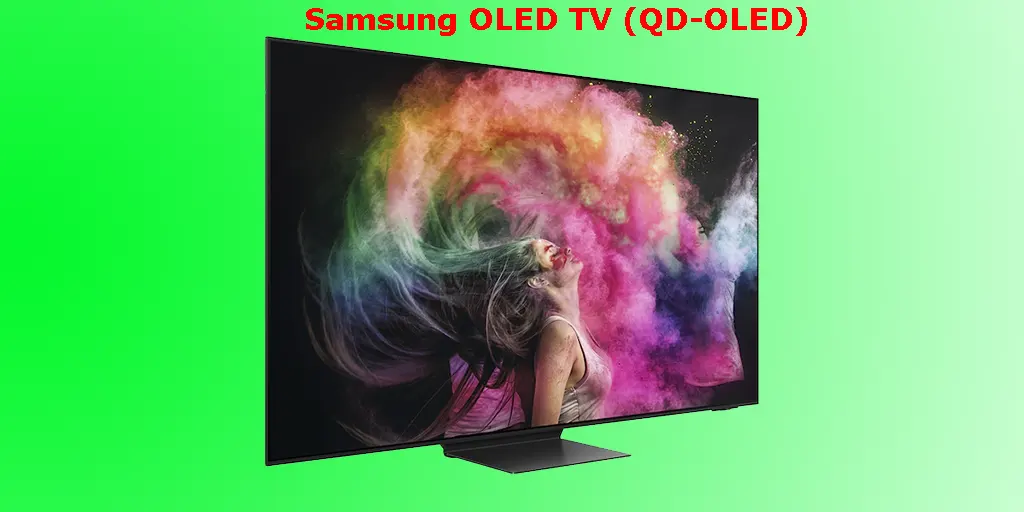
Essentially, OLED stands for Organic Light-Emitting Diode. Yeah, I know, it sounds like something a mad scientist conjured up in a dimly lit lab, probably while muttering about plasma fields and quantum entanglement. But really, it's just a different way of making a TV screen glow. And let me tell you, it glows differently. In a way that'll make your current TV look like it's powered by a couple of grumpy fireflies.
Let's take a trip down memory lane, shall we? Remember those old CRT TVs? The ones that were so deep you could practically lose a toddler behind them? They were basically giant cathode-ray tubes, zapping electrons onto a phosphorescent screen. Clunky, heavy, and the picture quality? Well, let's just say it was... quaint. Like looking at the world through a slightly smudged jam jar.
Must Read
Then came the LCD and LED TVs. These were a huge leap forward. They use a backlight (often LED lights) to shine through a layer of liquid crystals. These crystals act like tiny shutters, opening and closing to let light through and create the image. It's like having a bunch of miniature Venetian blinds for every single pixel on your screen. Pretty clever, right? And for a long time, it was the best we had. We were happy. We thought we'd reached peak TV. We were wrong.
Now, enter OLED. Here's where things get really interesting. Instead of relying on a separate backlight, each individual pixel in an OLED screen is its own little light source. It's an organic light-emitting diode, remember? This means that when a pixel needs to be black, it turns itself off. Completely. No light. Nada. Zip. Zilch.
Think about it like this: Imagine you're at a concert. With a regular LED TV, it's like there's a giant spotlight behind the whole stage, and the band members are trying to dim their own lights. Some light will always bleed through, right? You'll get a bit of a hazy glow around the darker areas. It's like trying to have a romantic candlelit dinner in a room with the overhead lights still on. You can see the candle, but it's not quite the same atmosphere.
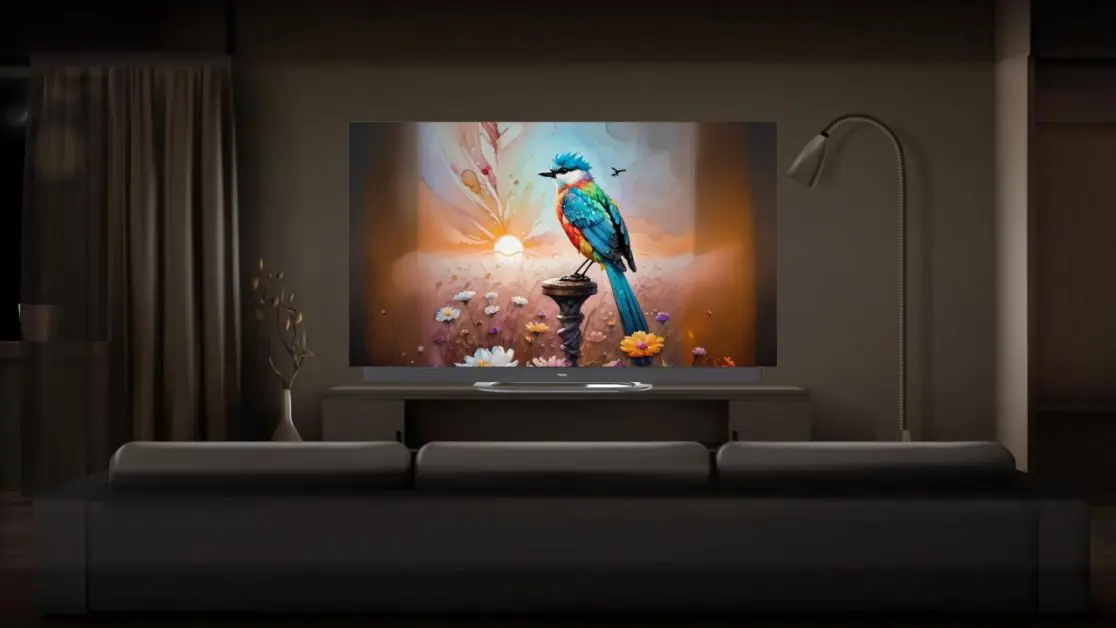
With OLED, it's like each band member has their own tiny spotlight that they can perfectly control. When they want to be dark, they just switch their spotlight off. Poof! Instant darkness. This means that when you're watching a movie with a super dark scene – think a spooky castle at midnight, or your cat creeping around in the pre-dawn gloom – those black areas are truly black. Not a dull gray, not a shadowy approximation, but actual, inky blackness.
This is a game-changer for picture quality. Because the blacks are so deep, the colors pop with an intensity you might not have seen before. It's like going from a watercolor painting to a vibrant oil masterpiece. The contrast ratio – that's the difference between the brightest white and the darkest black – is basically infinite on an OLED. This means details in both bright and dark scenes are incredibly well-defined. You can see the texture of a superhero's cape in a blinding explosion, and the subtle flicker of a candle in a villain's lair, all at the same time.
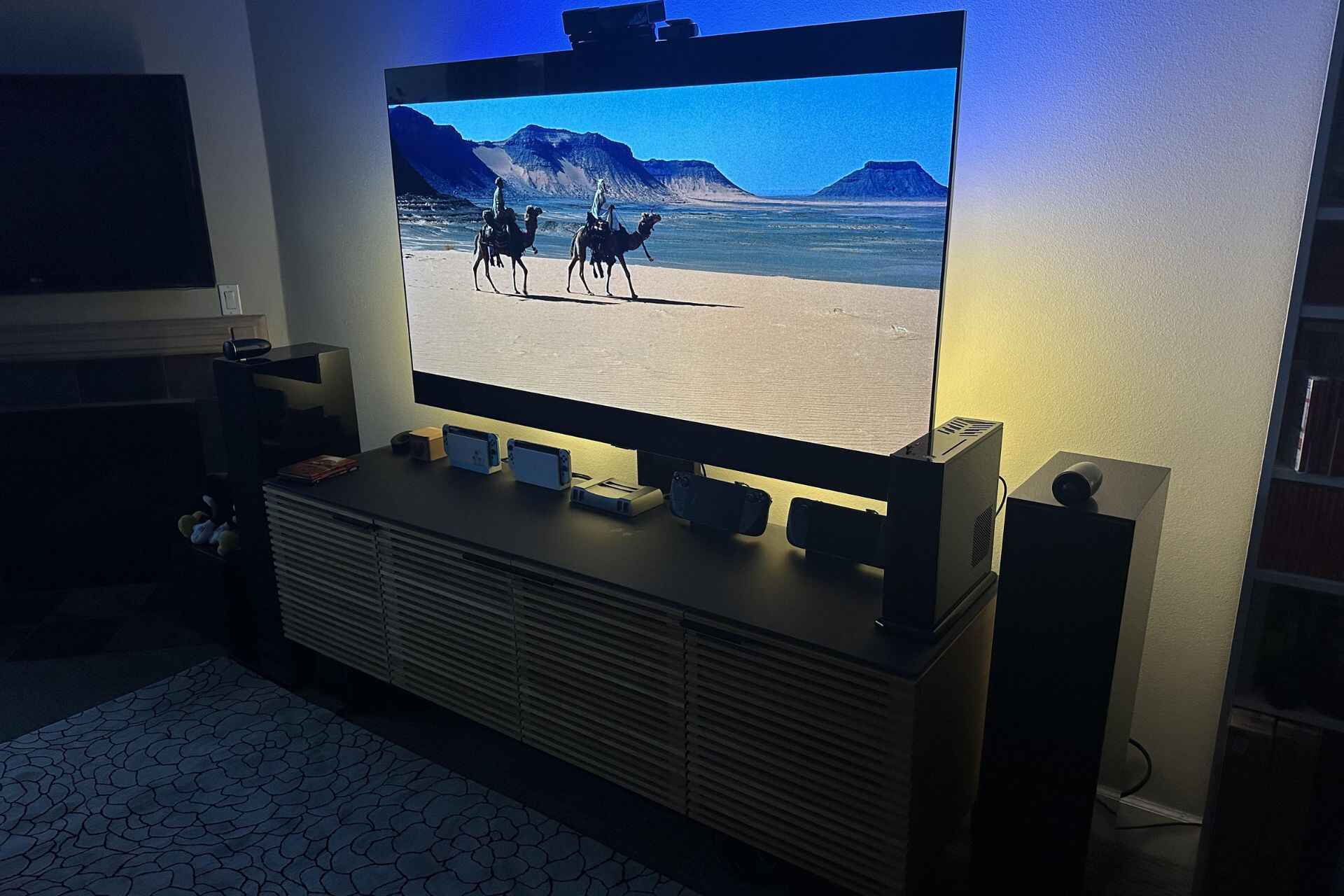
Have you ever watched a sci-fi movie on a regular TV where there's a spaceship flying through the vastness of space? On some screens, the black of space looks a bit... milky. Or you might see a faint glow around the edges of the ship where the backlight is still on. With OLED, that black is black. The stars twinkle with a pure brilliance, and the spaceship stands out in stark relief. It’s like peering out of a real spaceship window instead of looking at a slightly fuzzy photograph.
And the colors? Oh, the colors! Because each pixel can emit its own light, they can achieve a level of color accuracy and vibrancy that’s just breathtaking. Think about those nature documentaries where they show the iridescent wings of a hummingbird or the vibrant hues of a coral reef. With OLED, those colors look so lifelike, you might feel like you can reach out and touch them. It's like the difference between a cheap, plastic toy flower and a real, dew-kissed bloom. The sheer richness is uncanny.

Another cool thing about OLED is its viewing angles. You know how sometimes you have to sit directly in front of the TV to get the best picture? If you move too far to the side, the colors start to look washed out, and the contrast goes out the window. It's like trying to have a conversation with someone through a slightly frosted glass door – the details get lost. With OLED, the picture looks pretty much the same, no matter where you're sitting in the room. So, whether you're the main couch potato or relegated to the slightly-less-comfortable armchair, everyone gets a primo view. It’s perfect for those family movie nights where everyone’s vying for the best spot, or for when you’re hosting a game day and need everyone to see the action clearly.
Let's talk about motion. Ever watched a fast-paced action movie or a live sports event on a regular TV and seen a bit of motion blur? It’s like trying to read a sign while you’re riding a rollercoaster – a little smeary. OLED technology is incredibly fast at turning pixels on and off. This means that fast-moving objects on screen are rendered with incredible clarity. The ball in a tennis match doesn't leave a trailing ghost, and the car chase in your favorite action flick is sharp and precise. It’s like upgrading from a flipbook animation to a high-definition movie trailer. Smooth as butter.
Now, you might be thinking, "This sounds amazing! Is there a catch?" Well, like most things that are truly brilliant, OLED TVs tend to come with a slightly higher price tag. They're the premium option, the artisanal cheese of the TV world. You're paying for that cutting-edge technology that delivers that jaw-dropping picture. It’s like choosing between a basic sedan and a sleek sports car. Both will get you there, but one offers a significantly more exhilarating ride.
There's also the topic of "burn-in." This used to be a bigger concern with older OLED technology, but it's much less of an issue with modern sets. Essentially, burn-in is when a static image, like a channel logo or a game's HUD, is left on the screen for extended periods, and it can leave a faint "ghost" of that image behind. Think of it like leaving an old-fashioned sticker on a surface for too long – sometimes a residue remains. Manufacturers have implemented a bunch of clever tech to prevent this, like pixel-shifting and screen savers. So, unless you plan on leaving your TV on a single static image for days on end (which, let's be honest, who does that?), you're probably going to be just fine. It's like worrying about a tiny scratch on your brand-new phone screen before you've even taken it out of the box. A valid concern, but largely mitigated by modern advancements.
So, what does OLED mean for you? It means your favorite movies will look more immersive, your binge-watching sessions will be more visually stunning, and your gaming experiences will be more thrilling. It means that those dark scenes won't be a muddy mess, and those vibrant explosions will truly pop. It means that the subtle nuances in lighting and color that the filmmakers intended will be delivered to your eyes with incredible fidelity.
It's like upgrading from a standard definition photograph to a high-resolution image that you can almost step into. It's about experiencing your entertainment in a way that's more true to life, more vivid, and more engaging. If you're a cinephile, a hardcore gamer, or just someone who appreciates a darn good-looking picture, an OLED TV is definitely worth considering. It’s the difference between just watching something and truly experiencing it. So next time you see that "OLED" on the spec sheet, you can nod knowingly, maybe even with a little smug smile, because you know it's the secret ingredient to a truly spectacular viewing experience.