
What Does Epc Mean On A Car
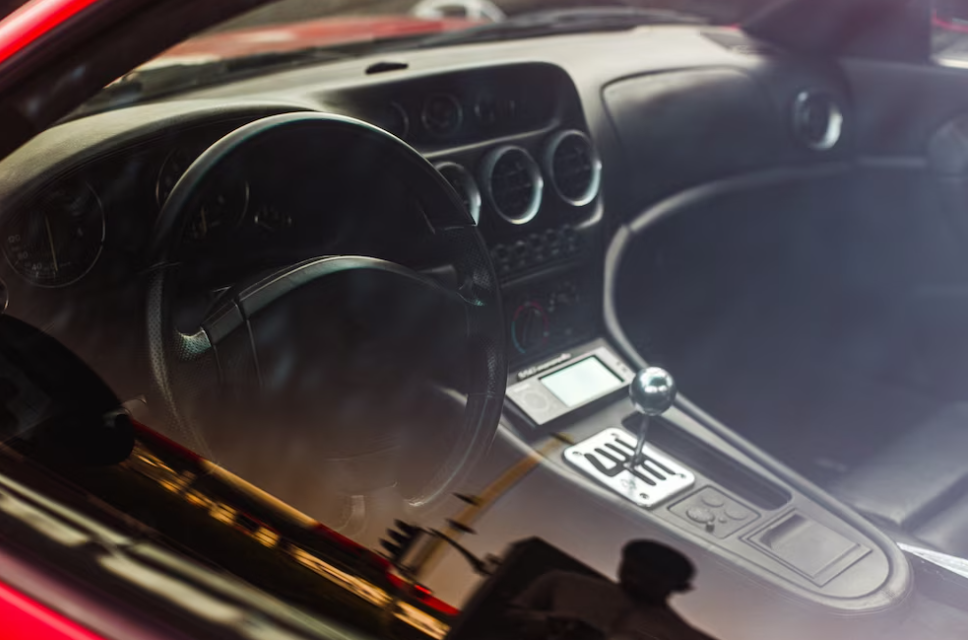
Ever been staring at a car’s dashboard, maybe while waiting for a friend or just giving your ride a good old once-over, and you’ve spotted a little abbreviation that makes you tilt your head? Like, "Hey, what’s this EPC thing?” It’s a bit of a mystery, isn’t it? Doesn’t light up every day, so it’s not like the usual ‘check engine’ light that screams for attention. So, what’s the deal with this sneaky little EPC indicator?
Let’s just say, it’s not usually something to immediately panic about. Think of it like a quiet whisper from your car’s brain, rather than a full-blown shout. It’s a little different from the red lights that mean "STOP EVERYTHING!" This one is more of a heads-up, a "Hmm, something’s a little off, let’s keep an eye on it" kind of vibe.
So, What Exactly Is Epc?
Alright, let’s get down to brass tacks. EPC stands for Electronic Power Control. Catchy, right? It’s basically a system that’s all about managing how your car’s engine gets its power and how it responds when you press that gas pedal. It’s like the conductor of an orchestra, making sure all the instruments (in this case, your engine's components) are playing in harmony.
Must Read
This system is pretty smart. It’s constantly talking to other parts of your car, like the throttle body, the engine’s computer (ECU), and even the accelerator pedal itself. It’s all about making sure that when you want to accelerate, your car does it smoothly and efficiently. It’s like having a personal trainer for your car’s speed!
Why Does It Light Up Then?
Now, the million-dollar question: why does this little light decide to make an appearance? Since the EPC system is responsible for so many different aspects of your car's performance, a light from it can mean a variety of things. It’s not a one-size-fits-all kind of warning.

One of the most common culprits is a glitch with the throttle body. This is the part that controls how much air gets into your engine. If it’s not working perfectly, or if its sensors are acting up, the EPC light might decide to show its face. It’s like a tiny traffic jam in your engine’s air supply.
Another common reason? Issues with the accelerator pedal sensor. This sensor tells the EPC system how hard you’re pressing the pedal. If it gets confused, the car might not know what you want it to do, and voilà – EPC light!
Sometimes, it can even be something as simple as a loose gas cap. Yep, you heard that right! A loose gas cap can mess with the pressure in your fuel system, and sometimes, that can trigger the EPC light. So, before you rush to the mechanic, give your gas cap a good twist!

It could also be related to the brake light switch. This might sound a bit odd, but the EPC system often communicates with your brake lights. If there’s a problem there, the EPC light might come on. It’s like a surprised reaction because one system is telling another something’s not quite right.
And in some cases, it might point to a problem with the cruise control system or even a minor issue with the engine’s computer itself. It’s like the car is saying, "Hey, my brain is a little fuzzy on this particular topic, so I'm letting you know."
Is It Serious?
This is where things get a little more nuanced. Generally, the EPC light isn’t an immediate “pull over and call for a tow truck” kind of alert. Many drivers have reported seeing the EPC light come on, and their car has continued to drive perfectly fine. It’s like when you’re listening to music, and one instrument is slightly out of tune, but the whole song is still enjoyable.
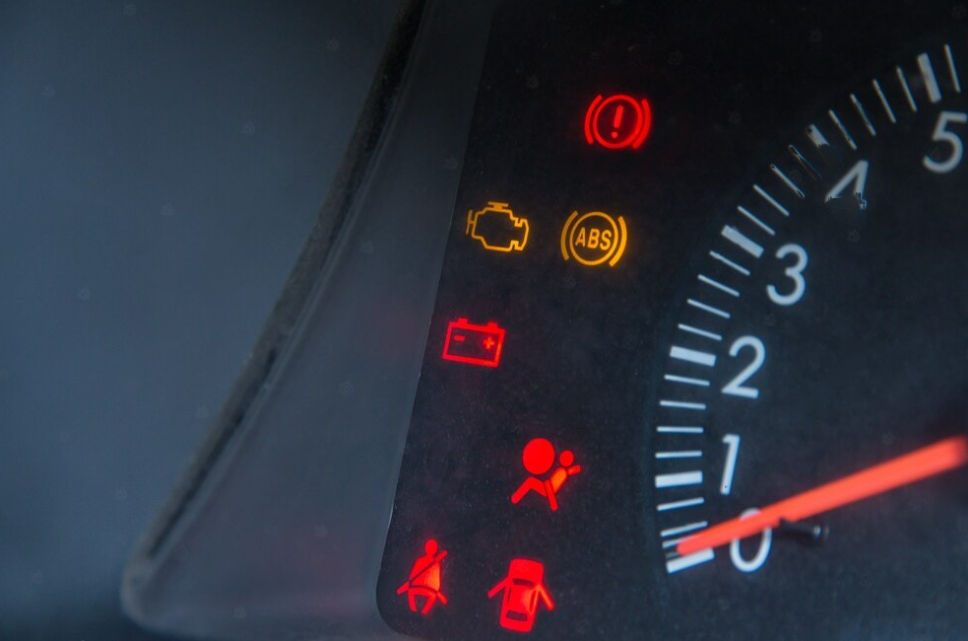
However, you might notice a difference in how your car drives. You could experience a slight loss of power, a rougher idle, or perhaps the engine might not respond as quickly when you hit the gas. It’s like your car is wearing slightly ill-fitting shoes – it can still walk, but it’s not as comfortable or as efficient.
The most important thing is to pay attention to your car’s behavior. Is it driving normally, or are you noticing any performance issues? If the car is driving fine, you could potentially leave it for a bit, but it's still a good idea to get it checked out sooner rather than later. Think of it as a reminder to get your oil changed – you can probably drive a little longer, but it’s best to do it for the car’s long-term health.
What Should You Do?
So, if that EPC light pops on, what’s your next move? First, don’t freak out. Take a deep breath. Check your gas cap to make sure it’s tight. If that doesn't do the trick, and if your car is still driving normally, your best bet is to schedule a visit to your mechanic.
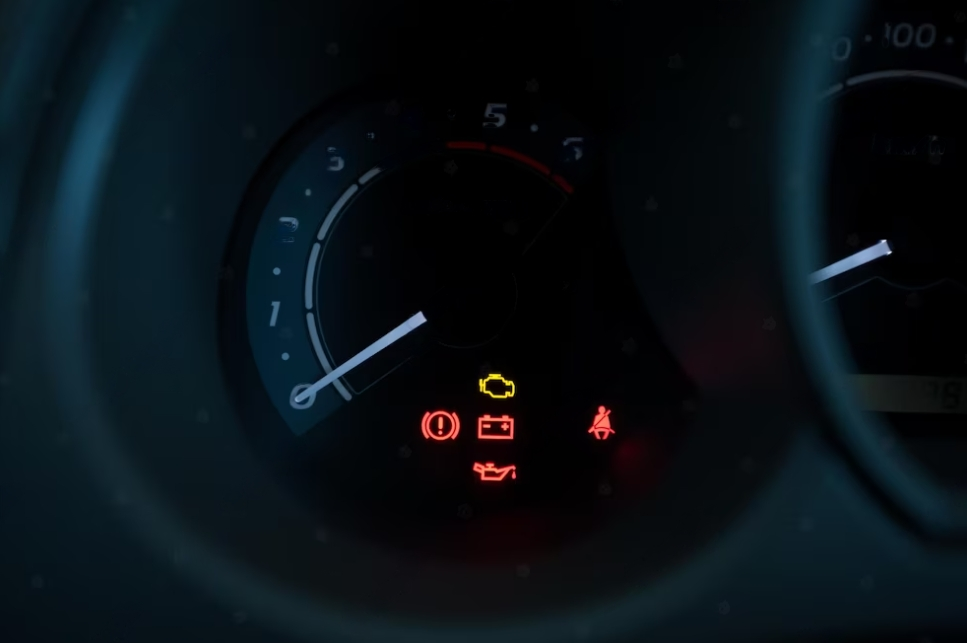
A good mechanic will have diagnostic tools that can plug into your car and read the error codes. This is like giving your car a check-up with a doctor who knows how to read its vital signs. These codes will tell them exactly what part of the EPC system is throwing a fit, allowing them to pinpoint the problem quickly.
Don’t ignore it for too long, though. While it might not be an emergency, it’s still an indicator that something isn’t quite right. Letting a small issue fester can sometimes turn into a bigger, more expensive problem down the road. It's like ignoring a little squeak in your bike – it might be nothing, but it could also be a sign that your brakes need adjusting before you have a real issue.
In the grand scheme of car warnings, the EPC light is more of a curious nudge than a dire emergency. It’s your car’s way of communicating with you, and a little bit of attention can go a long way in keeping your ride running smoothly and happily. So next time you see it, don’t sweat it too much, but do make a note to get it looked at!

