What Does Axis Mean On Eye Test
Ever wondered what those peculiar numbers and letters mean during your eye exam? You know, the ones the optometrist scribbles down and then uses to explain why you need glasses or contacts? It’s not just a secret code for eye doctors; it’s actually a fascinating peek into how your vision works! Think of it like unlocking a secret level in a video game, but this level helps you see the real world with crystal clarity. Understanding these terms isn't just for trivia night; it's a super-powered way to understand your own eyesight and make informed decisions about your vision health. So, let's demystify the lingo and make your next eye exam a breeze!
The Mysterious 'Axis': Your Eye's Secret Compass
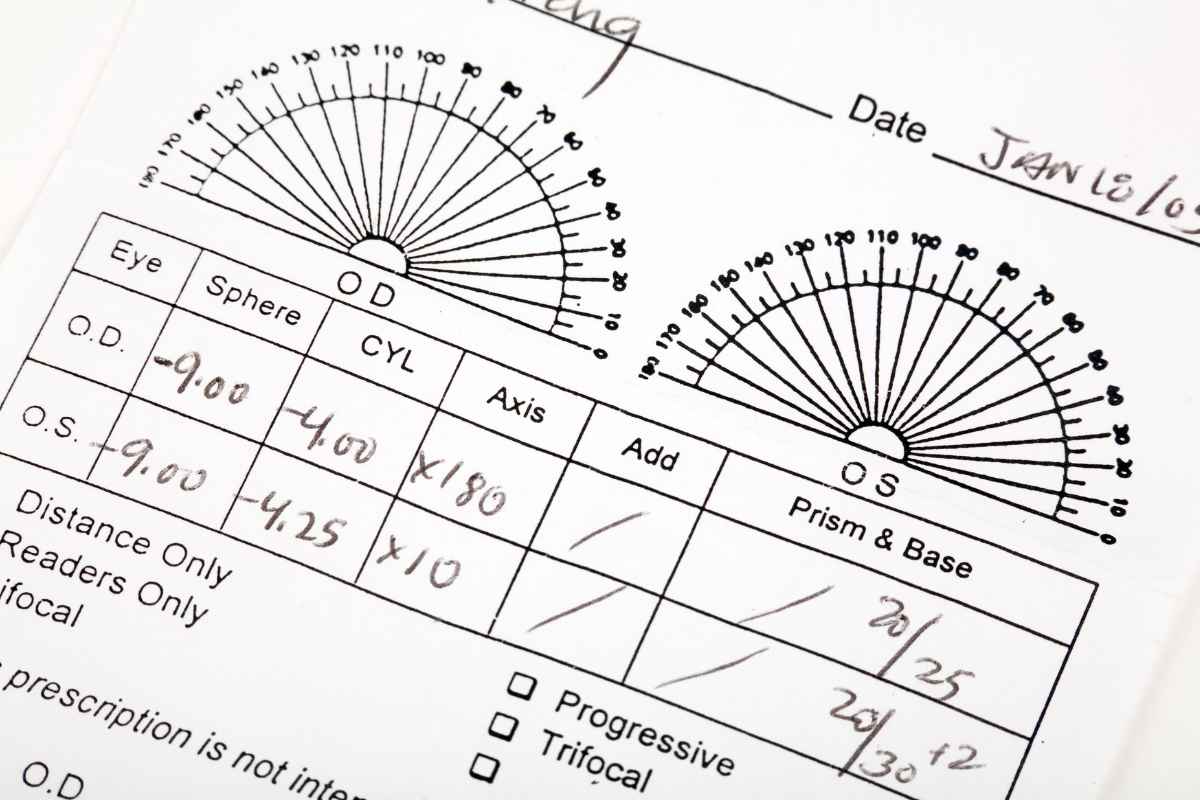
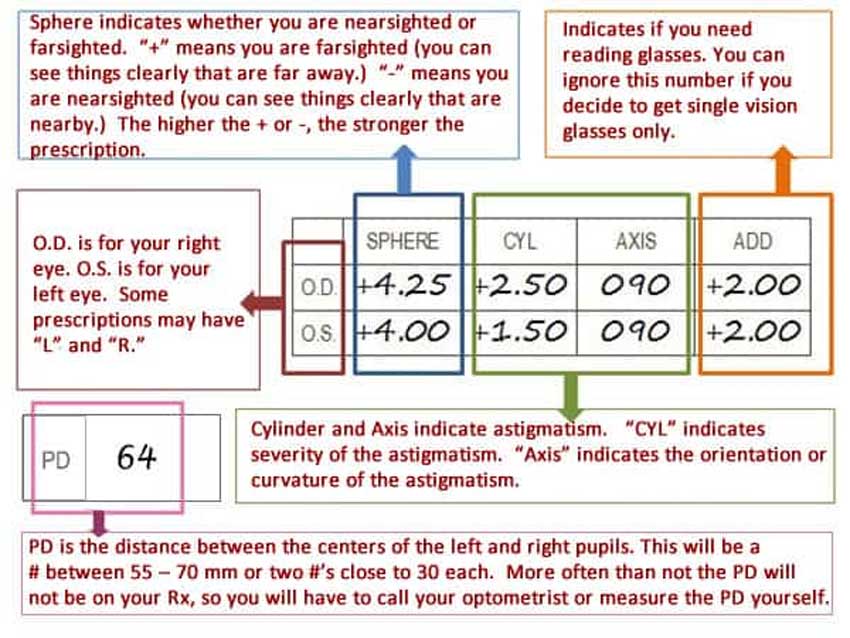
Alright, let's dive into one of the most talked-about (and sometimes confusing!) parts of your eye prescription: the Axis. You’ve probably seen it listed alongside numbers that look like prescriptions for medicine, like “-2.50” or “+1.00.” But then, bam! There’s this other number, usually somewhere between 0 and 180 degrees, often followed by a little degree symbol (°). That, my friends, is the Axis. So, what in the world is it?
Imagine your eye isn't perfectly round like a basketball. Instead, it’s more like a slightly squashed football or even an egg. This subtle difference in shape is called astigmatism. When your eye has astigmatism, the cornea (the clear front surface of your eye) or the lens inside your eye isn't uniformly curved. Instead of focusing light evenly onto your retina, it focuses it at multiple points, leading to blurry or distorted vision at all distances. It’s like trying to look through a funhouse mirror – things just aren’t quite right.
Must Read
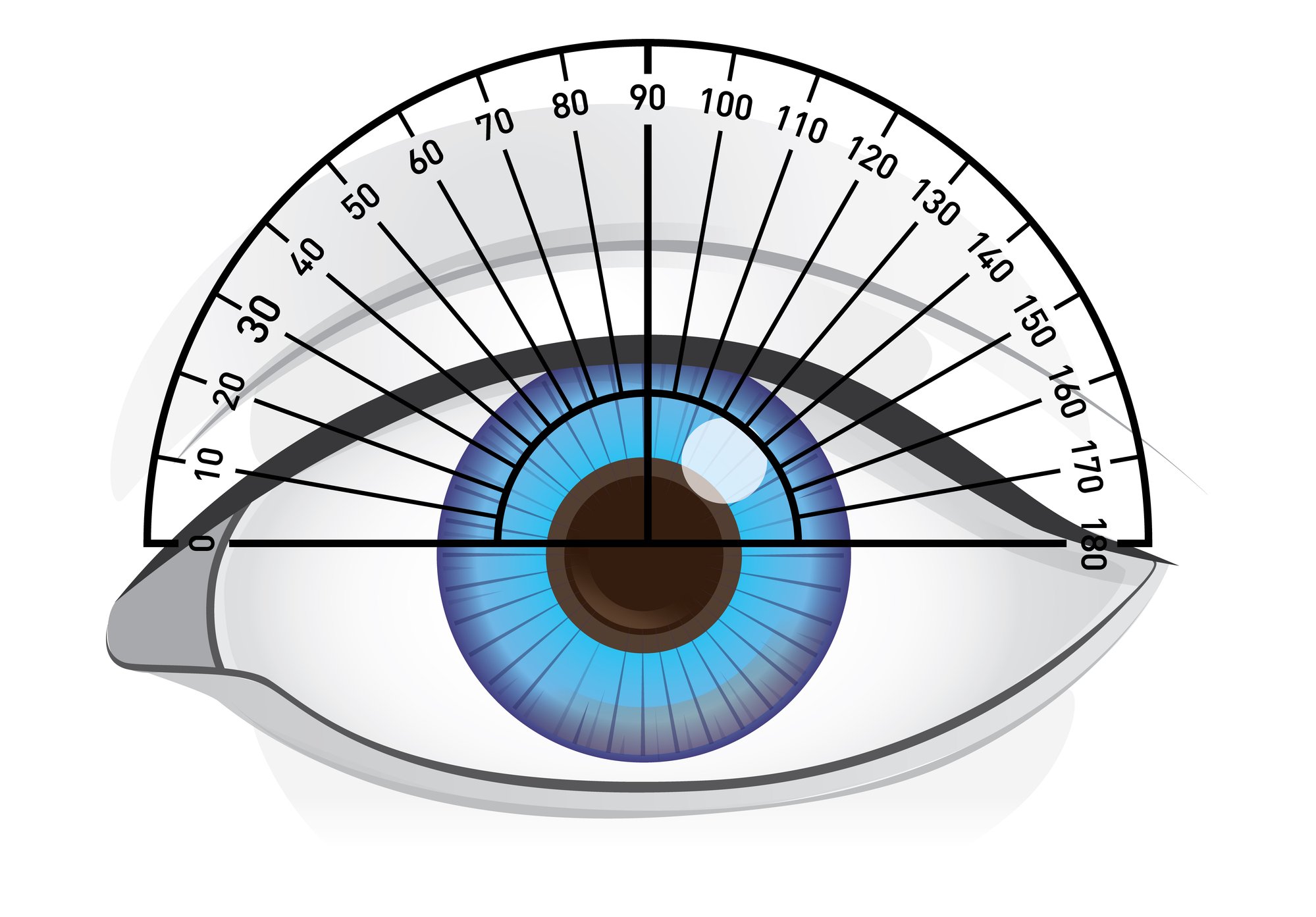
Now, here’s where the Axis comes in. It tells us the direction of this uneven curvature. Think of it as the compass pointing to where your astigmatism is strongest. If your eye were a clock face, the Axis would tell us which numbers on the clock the blur is most prominent. For instance, an Axis of 90° might mean the blur is primarily in the up-and-down direction, while an Axis of 180° could mean it's more in the side-to-side direction. Most commonly, the Axis falls somewhere in between, indicating a more complex shape. The Axis is measured in degrees, ranging from 0 to 180, and it's crucial because it tells your optometrist or ophthalmologist precisely how to correct your astigmatism.
Why Does the Axis Matter? Precision, Power!
So, why go through all this trouble to measure the Axis? Because without it, your glasses or contact lenses wouldn't be able to properly correct your astigmatism. Imagine trying to fix a slightly bent picture frame without knowing which way it’s bent. You might try to straighten it, but you could end up making it worse! The Axis provides the necessary precision.

The lenses in your glasses or contacts aren’t just simple magnifying or minifying tools. For astigmatism, they need a special kind of correction called a cylinder correction, which is often paired with the Axis. This cylinder correction is designed to counteract the uneven curvature of your eye. The Axis number tells us how to orient that cylinder correction. It's like giving the lensmaker very specific instructions on how to grind and shape the lens to match the unique contours of your eye. Without the correct Axis, the lens might be oriented incorrectly, and you’d still experience blurry or distorted vision, even with the right prescription power.
The benefits of having your Axis correctly identified and addressed are significant:

- Sharper Vision: This is the big one! Correcting astigmatism based on its Axis leads to much clearer vision at all distances, making everyday tasks like reading, driving, and recognizing faces much easier.
- Reduced Eye Strain and Headaches: When your eyes are constantly trying to compensate for blurry vision caused by uncorrected astigmatism, it can lead to significant eye strain, fatigue, and even headaches. Getting the Axis right can alleviate these discomforts.
- Improved Night Vision: Astigmatism can often make night vision particularly challenging, with lights appearing streaky or haloed. Correcting it can significantly improve how well you see in low-light conditions.
- Better Comfort with Contact Lenses: For those who wear contact lenses, accurately identifying the Axis is crucial for toric contact lenses (the ones designed to correct astigmatism). If the Axis is wrong, the lens can rotate on your eye, leading to blurry vision and discomfort.
Think of it this way: the Sphere and Cylinder numbers on your prescription address how much correction you need, while the Axis tells us in which direction that correction needs to be applied. It’s a team effort, with each number playing a vital role in helping you see the world in high definition.
The Eye Exam Experience: A Closer Look
During a typical eye exam, your eye doctor will use a special instrument called a phoropter. This large machine with a dizzying array of lenses is used to test your vision. They’ll flip lenses in and out, asking you to compare what looks clearer: "Which is better, one or two?" This process helps them determine the precise power and Axis needed to correct your vision.

They might also use a device called a keratometer or a topographer. These tools measure the curvature of your cornea and can help pinpoint the location and severity of your astigmatism, providing valuable information about the Axis. Sometimes, even with the best technology, there’s a bit of trial and error involved, as your doctor fine-tunes the prescription to achieve the best possible vision for you.
It's also important to know that the Axis can sometimes change over time. Regular eye exams are therefore essential, not just for updating your prescription for nearsightedness or farsightedness, but also to track any changes in your astigmatism and its orientation.
So, the next time you’re looking at your prescription and see that intriguing Axis number, don’t be intimidated. It’s simply a precise measurement that ensures your lenses are perfectly aligned to correct the unique shape of your eye. It’s a testament to the amazing precision of modern optometry and a key step towards enjoying the sharpest, clearest vision possible. It’s your eye’s secret compass, guiding your vision back into focus!