What Does A Flanker Do In Rugby
Ever found yourself glued to a rugby match, mesmerized by the blur of motion, the thud of collisions, and the roar of the crowd, yet utterly baffled by some of the terminology? You're not alone! Rugby, for all its raw energy and thrilling drama, can sometimes feel like a secret society with its own unique language. And one of those positions that often pops up, leaving casual viewers scratching their heads, is the flanker. So, what exactly does a flanker do in rugby? Let’s dive in, shall we?
Think of the flanker as the ultimate multitasker on the rugby field, the Swiss Army knife of the pack. They’re the guys who are everywhere, doing a little bit of everything, and often looking incredibly cool while doing it. Unlike the more specialized roles like the prop who’s built like a brick wall, or the fly-half who’s the chief strategist, the flanker is a bit more…fluid.
The Flanker: A Jack of All Trades, Master of Many
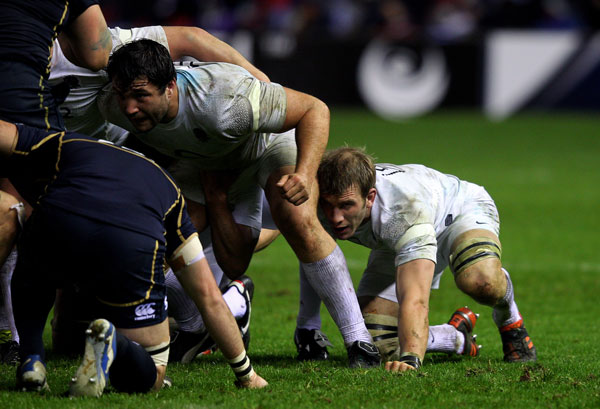
In the grand tapestry of a rugby team, the flankers are the colourful threads that weave through the entire game. They’re part of the loose forward contingent, meaning they’re the guys who operate on the edges of the scrum, rather than being the immovable objects in the front row. But don’t let that ‘loose’ tag fool you; these players are anything but! They’re the dynamos, the engines, the ones who keep the momentum going and the opposition on their toes.
Must Read
You’ll typically find two flankers on the pitch: the openside flanker and the blindside flanker. Now, the names themselves offer a clue, but it’s in their roles where the magic truly happens. These aren't just labels; they denote subtle differences in responsibility and positioning that make them crucial to a team’s success.
The Openside Flanker: The Ball-Hunting Bandit
Let’s start with the openside. Imagine a highly intelligent predator, always sniffing out opportunities. That’s your openside flanker. Their nickname? Often the "fetcher" or the "jackal".
Why the jackal, you ask? Well, picture a pack of jackals circling, waiting for their moment to pounce on any stray scraps. The openside flanker does something similar, but with much greater gusto and significantly more tackling. Their primary hunting ground is the breakdown – that chaotic, yet vital, area where the ball is contested after a tackle or a ruck is formed. They are incredibly quick to get to the ball carrier after a tackle, aiming to "strip" the ball from the opponent's grasp or, if that’s not possible, to immediately contest for possession.
Think of them as the guardians of the turnover. They’re experts at getting their bodies low, using their hands to dislodge the ball from an opponent’s grip. It’s a high-risk, high-reward job. Get it right, and you’ve just won possession back for your team, often in a position to launch an immediate attack. Get it wrong, and you might be penalized for not releasing the tackled player.

Beyond their ball-stripping prowess, opensides are also phenomenal tacklers. They're often the first line of defence when the opposition breaks through the initial line. They need incredible stamina to constantly shuttle back and forth across the field, making tackles, and then sprinting to the next breakdown. It’s a relentless cycle of action.
A little fun fact: some of the greatest openside flankers are renowned for their ability to make "dominant tackles" – tackles that not only stop the ball carrier but often push them backwards, disrupting their team's momentum. It's like delivering a polite but firm eviction notice.
The Blindside Flanker: The Tough Guy, The Workhorse
Now, let’s turn our attention to the blindside flanker. If the openside is the agile hunter, the blindside is the relentless workhorse, the guy who anchors the pack. They often have a slightly more robust build and are renowned for their brute strength and defensive capabilities.
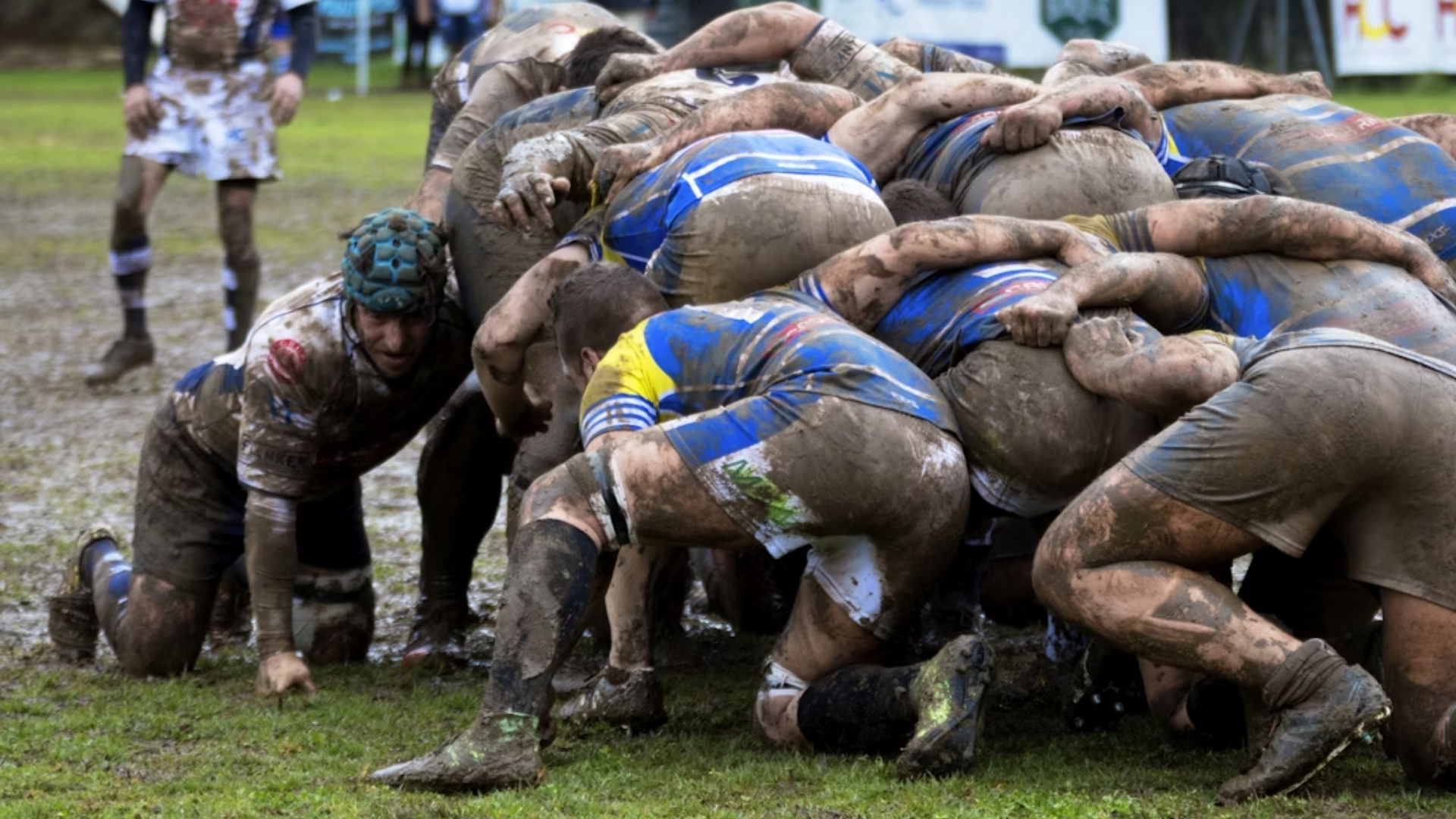
Their name comes from the 'blindside' of the scrum – the narrower side. While both flankers are involved in scrums, the blindside flanker typically operates closer to the main body of the pack. Their role in the scrum is to provide power and stability. They’re the ones digging in, pushing hard, and ensuring their team has a solid platform from which to launch attacks or defend.

But the scrum is just the beginning of their duties. The blindside flanker is an absolute tackling machine. They’re often the ones making the big, bone-jarring hits that can send shockwaves through the opposition. They’re the wall that the attacking team has to try and breach, and breaches are rare when a good blindside is on the job.
They’re also crucial in rucks. While the openside might be looking to steal the ball, the blindside’s job is often to secure possession for their team. This means getting into the ruck, driving over the ball, and ensuring their teammates can either pick it up or clear it away safely. They are the guys who provide the "meat and potatoes" of the forward pack’s effort – essential, unglamorous, but utterly vital.
Culturally, you can think of the blindside flanker as the embodiment of that classic rugby ethos: toughness, commitment, and team spirit. They’re the unsung heroes who put their bodies on the line, time and time again, for the good of the team. Imagine them as the sturdy oak in a forest – solid, dependable, and always there.
Beyond the Breakdown: The All-Rounder Advantage
While we've highlighted their specific strengths, it’s important to remember that modern flankers are expected to be complete players. The lines between openside and blindside are becoming increasingly blurred, with players needing to adapt to different situations.

Both flankers need to be excellent ball carriers themselves. They’re not just there to tackle and ruck; they are often the ones who punch holes in the opposition defence, carrying the ball with power and determination. They need to be able to break tackles, offload the ball to supporting players, or drive over the line for a try.
They also need to be good passers. While not their primary role, being able to deliver a crisp pass can unlock space for their teammates. Think of it as a little bit of flair to go with the muscle.
And let's not forget lineouts. While the second-row forwards are the primary jumpers, flankers can also be involved, either as lifters (providing the power to get their teammates airborne) or, in some cases, as targets themselves. It's another layer of their multifaceted role.
The sheer work rate required is astounding. A flanker can cover more ground in a single match than many other players. They are constantly on the move, whether it’s chasing kicks, supporting breaks, or scrambling back in defence. It's a testament to their incredible fitness and mental fortitude.
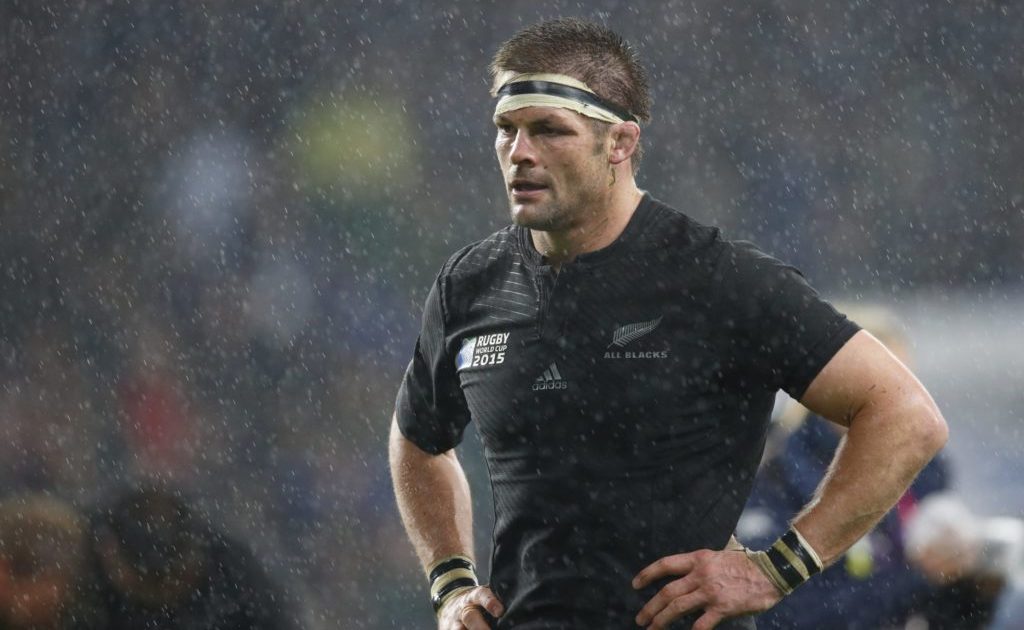
Think of the iconic All Blacks flanker, Richie McCaw. He was the epitome of the modern flanker: an incredible tackler, a master at the breakdown, a tireless carrier, and a relentless leader. He was the guy who seemed to be everywhere on the field, inspiring his teammates with his sheer commitment. His presence on the field was like a constant hum of energy, a guarantee that no loose ball would go uncontested.
Practical Tips for Aspiring Flankers (or Just Appreciating Them More!)
So, how can you cultivate that flanker spirit, whether you're on the pitch or just navigating life?
- Be Observant: Like the openside, train yourself to spot opportunities. Whether it's a loose document at work or a friend needing a hand, be the first to notice and act.
- Embrace the Grind: The blindside flanker’s dedication to the tough work is inspiring. Don’t shy away from the challenging tasks. Tackle them head-on with a smile (or at least a determined grimace).
- Develop Your Stamina: Life, like rugby, requires endurance. Prioritize your physical and mental well-being to keep going, even when things get tough.
- Be Adaptable: The best flankers can switch roles seamlessly. In life, be ready to pivot, learn new skills, and adjust your approach as situations change.
- Communicate Effectively: While not always loud, flankers are constantly communicating with their teammates through actions and subtle cues. In any team setting, clear communication is key.
- Master the Breakdown (of Tasks): Learn to efficiently deal with competing demands and prioritize your efforts to achieve the best outcomes.
A Reflection on the Flanker's Spirit
Watching a flanker in action is like witnessing controlled chaos turned into strategic advantage. They embody a spirit of selfless contribution, a willingness to do the dirty work, and an unyielding drive to win possession and momentum. They are the players who often don’t get the flashy headlines, but whose absence would be acutely felt.
In our own lives, we all have moments where we can channel our inner flanker. It’s about stepping up when needed, contributing to the collective effort, and not being afraid to get involved in the less glamorous, but utterly essential, tasks. It’s about that readiness to tackle challenges, to hunt for opportunities, and to relentlessly support those around us. The flanker teaches us that true impact often comes from being everywhere, doing everything, and doing it with an unwavering commitment to the team, whatever that team may be – family, friends, colleagues, or community.