What Do I Wear To A Funeral
Okay, let's talk about something that's not exactly a picnic, but is a really important part of life: funerals. And the big question that always pops up, usually when you’re already feeling a bit stressed, is: What do I wear? It’s like the sartorial equivalent of trying to pack for a surprise trip to the moon – you’re not quite sure what the dress code is.
First off, take a deep breath. Nobody is going to be judging your fashion choices as harshly as they might at, say, a fancy wedding or a job interview. The main goal here is to show respect, offer comfort, and generally blend in so the focus remains on remembering the person who has passed. Think of it like this: your outfit is a quiet supporting actor in a very important play. It’s not the star, but it helps set the tone.
Let’s break it down, shall we? The golden rule, and you’ve probably heard this a million times, is to dress conservatively. What does that mean in plain English? It means avoiding anything that screams for attention. No neon pink, no ripped jeans that look like they’ve been through a wrestling match, no plunging necklines, and definitely no sparkly disco balls sewn onto your blazer. We’re going for subtle, not sensational.
Must Read
Think of it like attending a really solemn, important lecture. You wouldn’t show up in your pyjamas, right? You’d wear something neat and tidy. A funeral is a bit like that, but with more emotions and probably a lot more tissues.
For most people, darker colors are the way to go. We’re talking black, of course, but navy blue, deep grey, charcoal, or even a very dark, muted brown are perfectly acceptable. It’s like when you’re feeling a bit down, you might naturally gravitate towards cozy, darker jumpers. It’s that same kind of vibe – subdued and reflective.
Let’s imagine your wardrobe. Picture your most sensible, put-together outfit. Does it feel appropriate for a quiet, respectful gathering? If you have a simple black dress or a dark-colored suit, you’re probably golden. If not, don’t panic! You don’t need to run out and buy a brand-new, funeral-specific outfit. Most of us have something in our closet that fits the bill.
For the Ladies (and everyone who identifies with traditionally feminine attire):
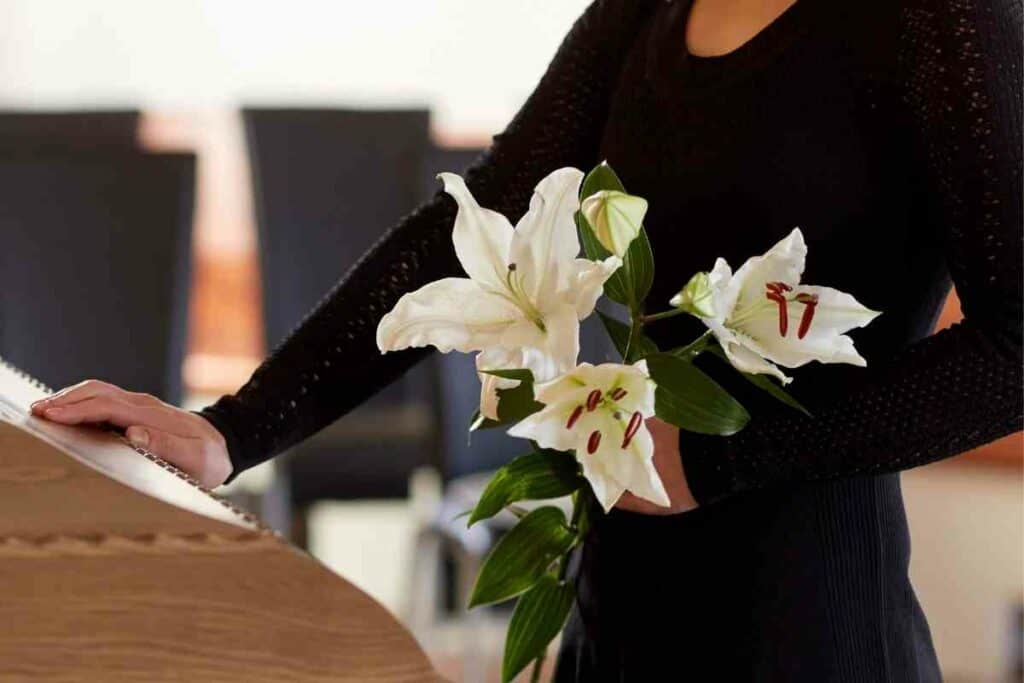
A knee-length or midi dress in a dark, solid color is a fantastic option. Think of a simple, elegant shift dress or an A-line style. If it’s a bit cooler, a nice pair of dark trousers or a skirt with a dark, modest blouse is also a winner. A cardigan or a blazer in a matching dark shade can add a layer of warmth and formality.
+(1)-1920w.jpg)
What about shoes? Again, keep it simple. Dark, closed-toe shoes are your best bet. Think ballet flats, loafers, or low heels. Avoid stilettos that click-clack like a tap-dancing convention or anything too flashy. Comfort is also key, especially if you’ll be standing for a while or walking on grass. You don’t want to be hobbling around feeling miserable.
Jewelry? Go easy. A simple necklace, a pair of understated earrings, or a watch is fine. It’s like adding a tiny pinch of salt to a dish – it enhances, but doesn’t overpower. We’re not trying to accessorize for a red carpet event here.
Makeup should be natural and understated. If you normally wear makeup, think “less is more.” If you’re feeling particularly emotional, you might want to skip the mascara to avoid those inevitable smudges, or bring a little compact for touch-ups. It’s totally okay to cry, and it’s okay to look like you’ve been crying!
For the Gents (and everyone who identifies with traditionally masculine attire):
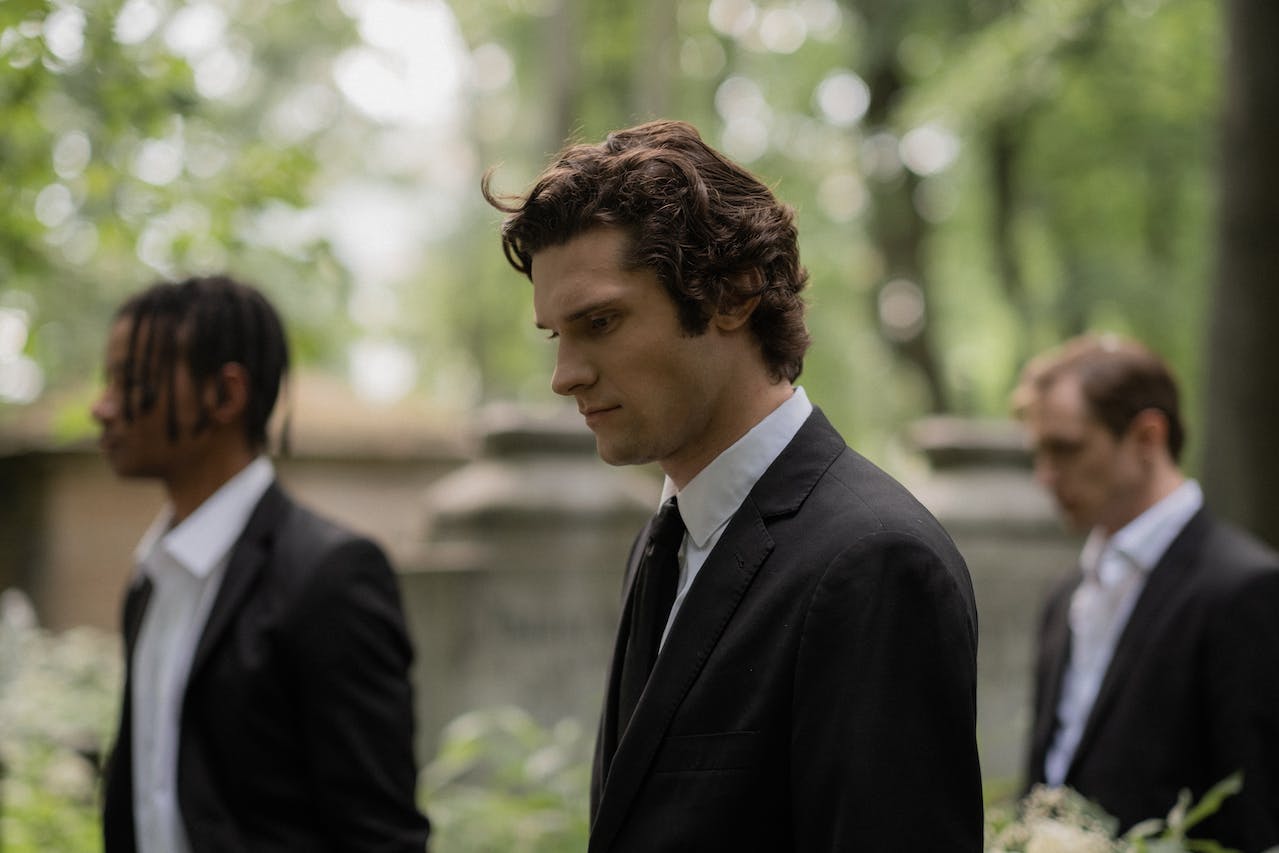
A dark suit is the classic choice here, and it’s always appropriate. If a full suit feels a bit much or isn't available, dark dress trousers with a button-down shirt and a blazer or a smart dark sweater are also perfectly suitable. Think of it as your most responsible outfit, the one you’d wear to impress your boss or your partner’s parents for the first time.
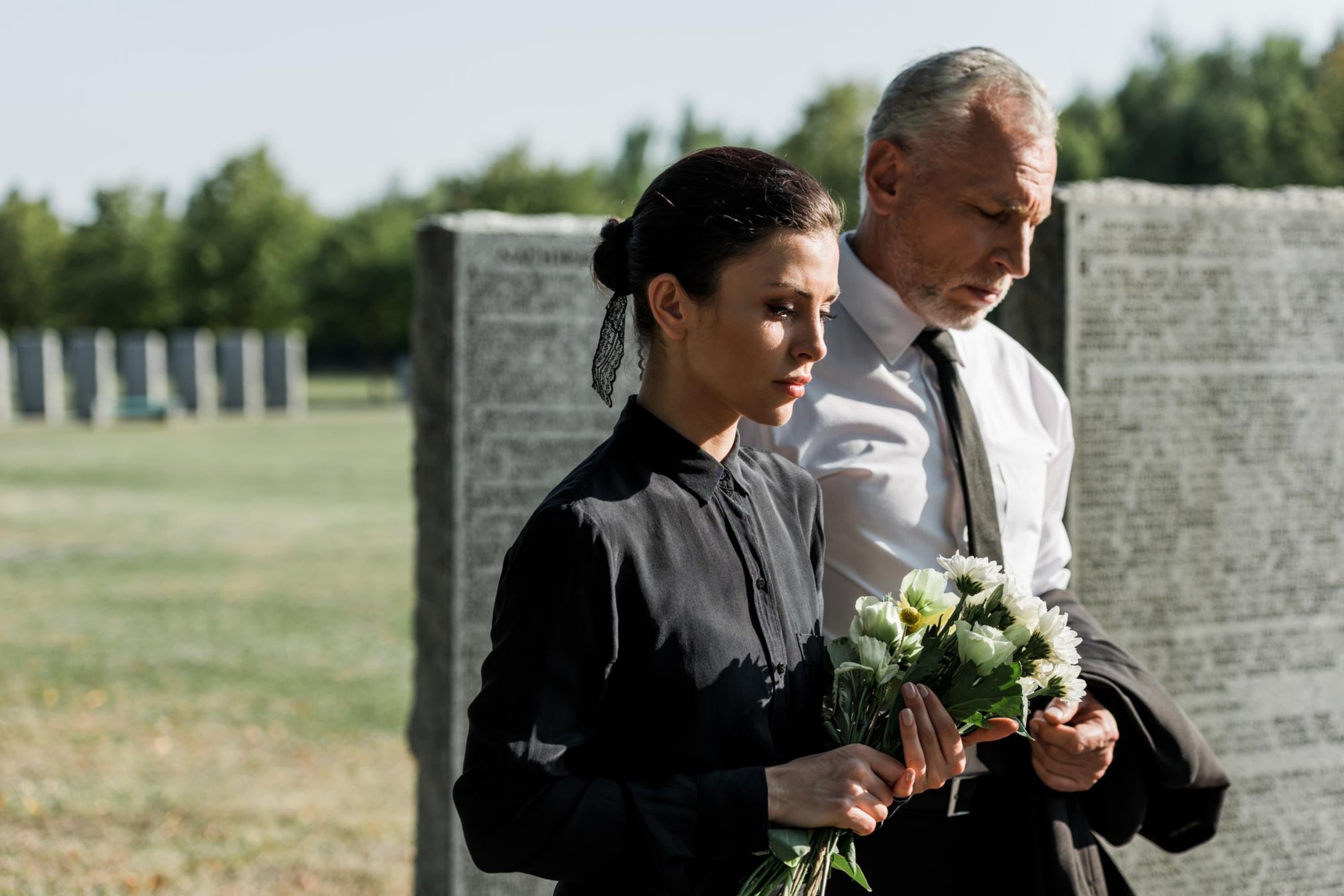
A tie is often expected with a suit, and it should also be in a dark, subdued color or pattern. No novelty ties with cartoon characters, please. A simple navy, black, or dark grey tie will do the trick. If you’re not wearing a suit, a tie might not be necessary, but your shirt should still be neat and pressed.
Shoes? Dark dress shoes, polished and in good condition. Again, comfort is important, so if you’re going to be doing a lot of walking or standing, make sure they’re not going to pinch your toes.
What about hair and grooming? Keep it neat and tidy. This is not the time for a wild hairstyle or a flamboyant beard trim. Just your usual, well-maintained look will be perfect.
What About Children?
For children, the same principles apply, but with a bit more leniency, of course. Dark, comfortable clothing is best. Think dark trousers or skirts, plain t-shirts or blouses in dark colors. For younger children, it’s about making sure they’re dressed appropriately without being overly fussy. The goal is to keep them comfortable and not drawing undue attention.

It’s also a good idea to have a conversation with older children about why people dress this way and what the funeral represents. It’s a chance to teach them about respect and empathy, even in difficult times.
Are There Exceptions?
Now, here’s where it gets interesting. Sometimes, the family of the deceased might request something different. They might ask attendees to wear a specific color in honor of their loved one – maybe their favorite color, or a color that represents a cause they were passionate about. This is especially common for celebrations of life, which can be a bit more upbeat.
If you see a request like this, follow it! It’s a beautiful way to honor the person and show support for their family. Think of it like a potluck where everyone brings their specialty dish – it’s a collective effort with a shared theme.
Always err on the side of caution if you're unsure. If you can't get specific guidance, sticking to the dark, conservative rule is always a safe bet. It shows you’ve put thought into it and that you understand the gravity of the occasion.

Why Should We Care About What We Wear?
So, why all this fuss about fabric and color? It’s not just about looking good. It’s about showing empathy and respect. When we dress appropriately, we’re silently saying, “I’m here for you,” to the grieving family. We’re acknowledging the sadness of the situation and that our presence is meant to be supportive, not distracting.
Think about it like this: if you went to a friend’s house when they’re sick, you’d probably try not to barge in with your booming music and a flashing strobe light. You’d bring soup, offer a quiet presence, and generally try to make things a little easier. Your funeral attire is your way of bringing that “soup” of respect and understanding.
It's also about creating a shared experience of remembrance. When everyone is dressed in a similar, respectful manner, it helps create a sense of unity and collective grief. It reinforces that you’re all there for the same reason, united in your sadness and in your desire to honor the person who has died.
Ultimately, your clothing is a small gesture in the grand scheme of things, but it’s a significant one. It’s a way to contribute to a sense of peace and dignity during a difficult time. So, don't stress too much. Choose something you feel comfortable and respectful in, and focus on being present, offering your condolences, and remembering the person who meant so much to so many.