What Bone Is In A T Bone Steak
Ah, the T-bone steak. Just the name conjures up images of sizzling grills, hearty appetites, and maybe a satisfied sigh after a perfectly cooked meal. It's a steakhouse classic, a barbecue showstopper, and a culinary conversation starter. But have you ever stopped to ponder the magic contained within that distinctive "T" shape? What exactly makes a T-bone steak so special? Well, prepare to have your mind – and your taste buds – enlightened, because the answer is simpler and more delicious than you might think!
Understanding what makes a T-bone tick isn't just about satisfying your curiosity; it's about unlocking a deeper appreciation for this iconic cut. Knowing its anatomy helps you choose the best steak, cook it to perfection, and even impress your friends with your newfound steak knowledge. Think of it as gaining a secret weapon in your grilling arsenal. This knowledge empowers you to make informed decisions at the butcher counter and ensures that when you bring that beautiful piece of meat home, you know exactly what you're working with.
The Star of the Show: The Bone
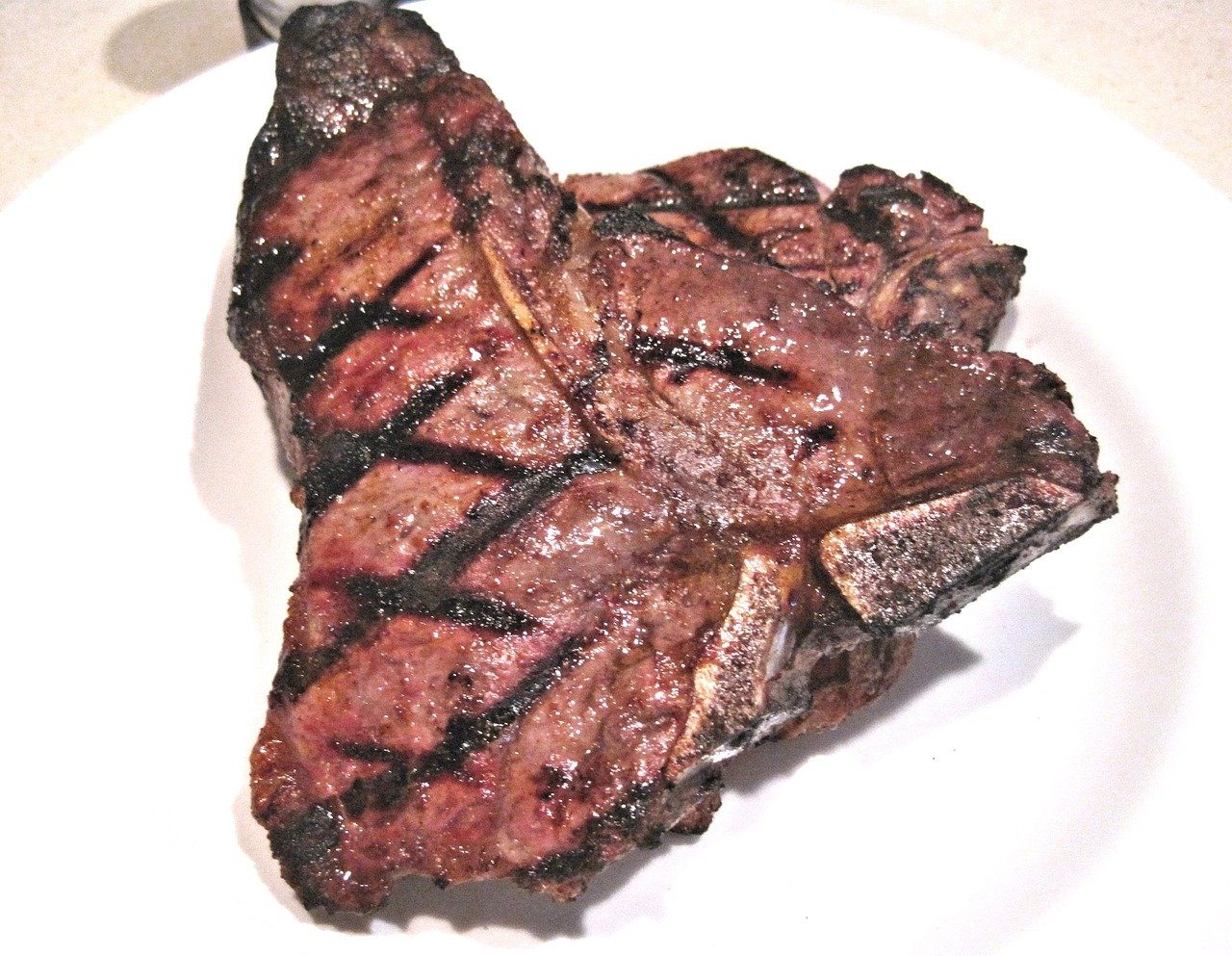
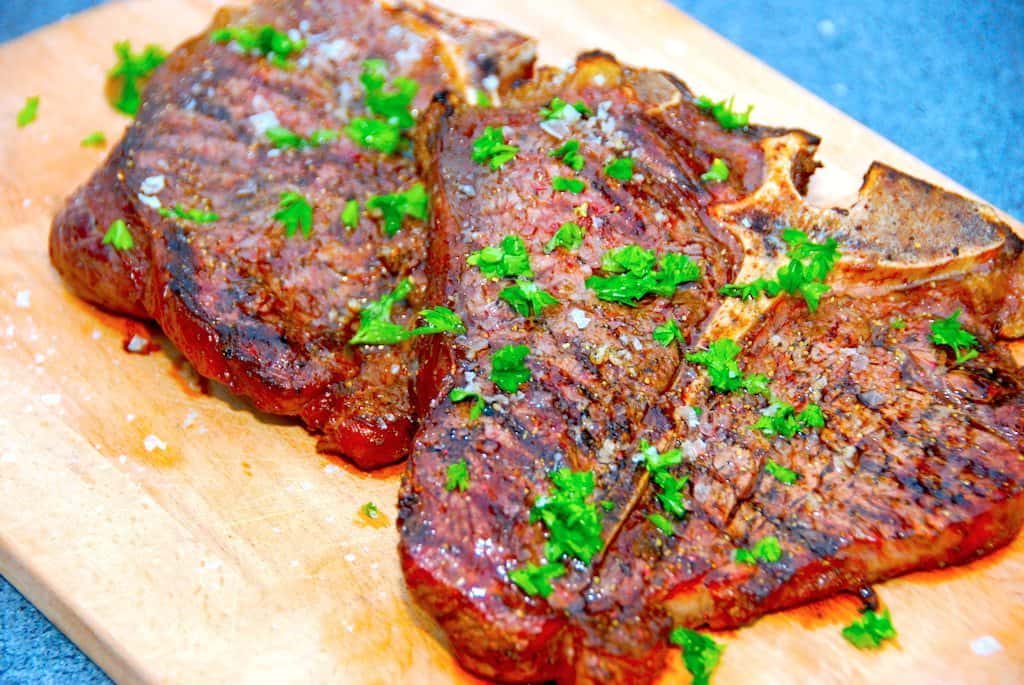
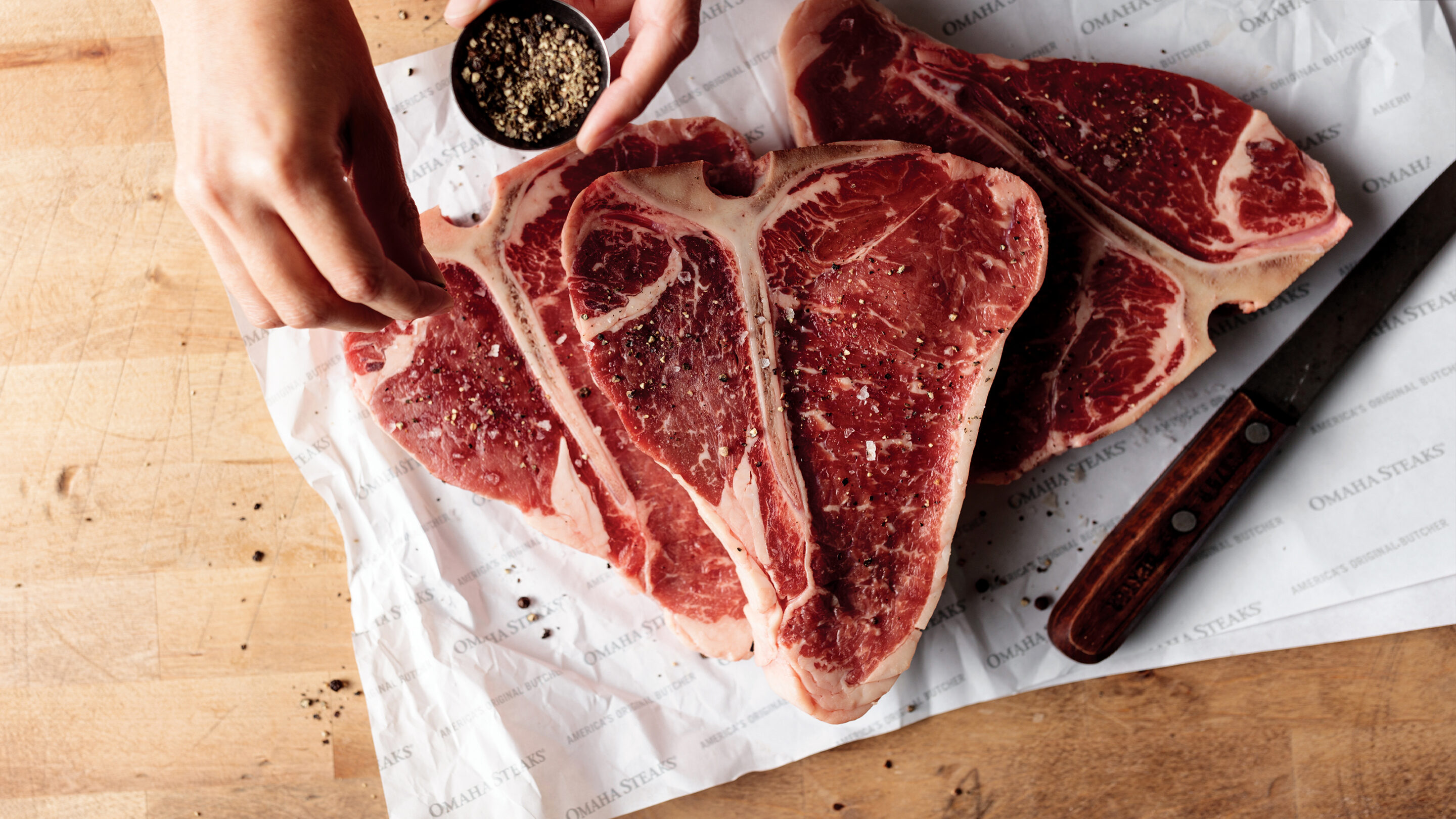
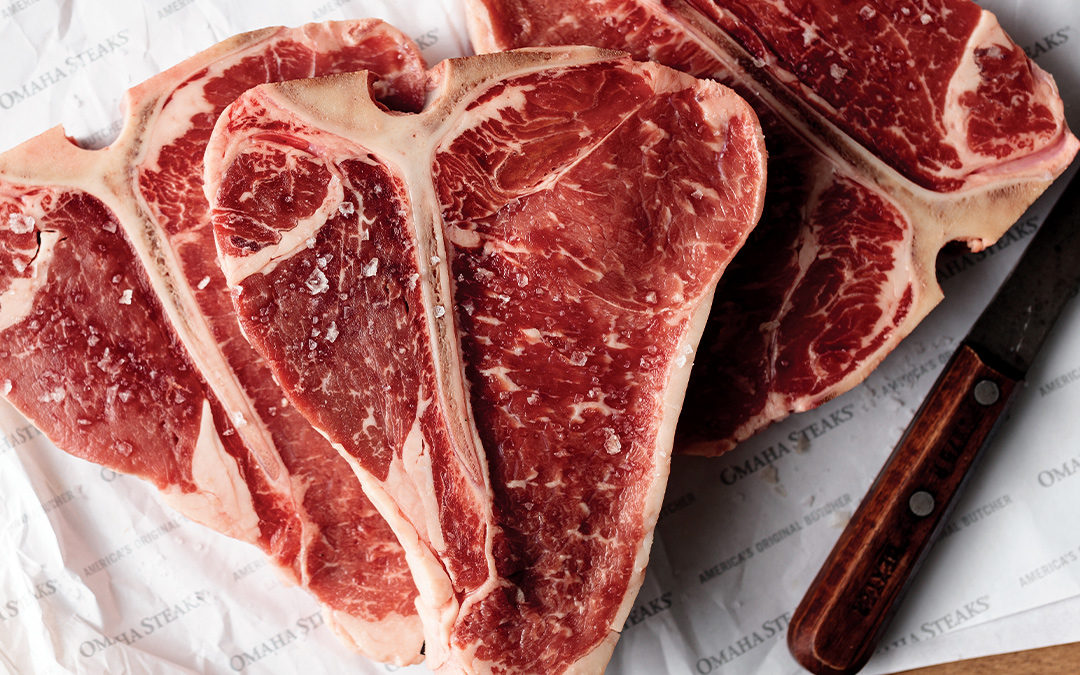
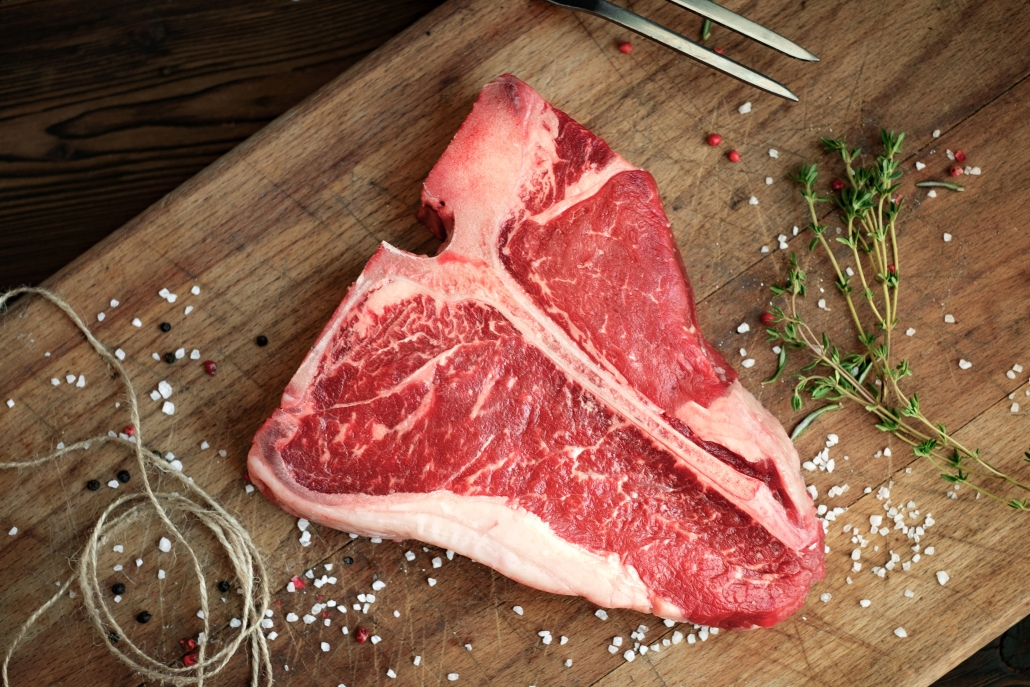
The defining feature of a T-bone steak, and the source of its name, is, of course, the bone. But it's not just any bone; it's a specific bone that divides the steak into two distinct, yet equally glorious, sections. This bone is actually part of the lumbar vertebra of the cow. Imagine a perfectly formed "T" – that's precisely what this bone looks like when you view the steak from the side. It’s a beautiful, edible landmark that signals the incredible eating experience to come.
Must Read
This vertebral bone is key to separating two of the most prized muscles from the cow's short loin: the strip loin and the tenderloin (also known as the filet mignon). These two muscles are cut from the same area of the cow, but they offer vastly different textures and flavors, making the T-bone steak a veritable surf-and-turf on a bone. The bone itself, while not typically eaten, imparts fantastic flavor and helps to insulate the meat during cooking, leading to a more evenly cooked steak.
The T-bone steak is essentially a cross-section of the cow's back, showcasing two prime cuts separated by a distinctive bone.
The Two Mouthwatering Halves
Let's dive into the two delicious components that flank that signature bone:
The Strip Loin Side
On one side of the "T" you'll find the larger portion, which comes from the strip loin, also known as the New York strip or Kansas City strip. This muscle is known for its robust, beefy flavor and a pleasing chew. It has a good amount of marbling – those little flecks of fat within the muscle – which contribute to its juiciness and tenderness when cooked. This side of the T-bone offers a satisfying, meaty bite that many steak lovers adore. It’s the workhorse of the steak, providing that classic steak experience.
The Tenderloin Side
On the other side, nestled cozily against the bone, is the smaller, more delicate portion: the tenderloin. This is where the prized filet mignon comes from. The tenderloin is incredibly tender and has a milder, more buttery flavor compared to the strip. It’s the most tender cut of beef on the entire cow because it’s a muscle that doesn't do a lot of heavy lifting. This creates a melt-in-your-mouth sensation that is pure indulgence. The contrast between the firmer texture of the strip and the delicate tenderness of the tenderloin is what makes the T-bone such a unique and sought-after steak.
Why All the Fuss?
The appeal of the T-bone steak lies in its duality. It’s like getting two incredible steaks in one! You can savor the bold flavor of the strip and then delight in the luxurious tenderness of the filet mignon, all from the same plate. This makes it a fantastic choice for sharing, or for the indecisive diner who wants a bit of everything. It’s a steak that caters to multiple preferences, ensuring everyone at the table is happy.
Furthermore, the presence of the bone adds to the overall cooking experience. The bone acts as a natural insulator, helping to protect the meat from direct heat and preventing it from overcooking too quickly. This can lead to a more evenly cooked steak, with a perfect gradient of doneness from edge to center. It also contributes a wonderful depth of flavor as it slowly releases marrow and savory goodness into the surrounding meat during the cooking process.
So, the next time you see a T-bone steak, you'll know precisely what makes it so special. It's not just a piece of beef; it's a culinary masterpiece featuring the best of both worlds, brought together by a single, iconic bone. Enjoy the journey from the robust strip to the buttery tenderloin, and appreciate the simple, yet brilliant, anatomy that makes this steak a legend.