What Are The Si Units Of Power
Ever feel like you’re just not generating enough oomph? Like your morning coffee isn’t giving you the desired pep, or your trusty old laptop is taking an eternity to boot up? Well, you're not alone! We all experience fluctuations in our personal power levels, and while we don't typically measure it in fancy scientific terms, there's a universal language for this energy output: Watts.
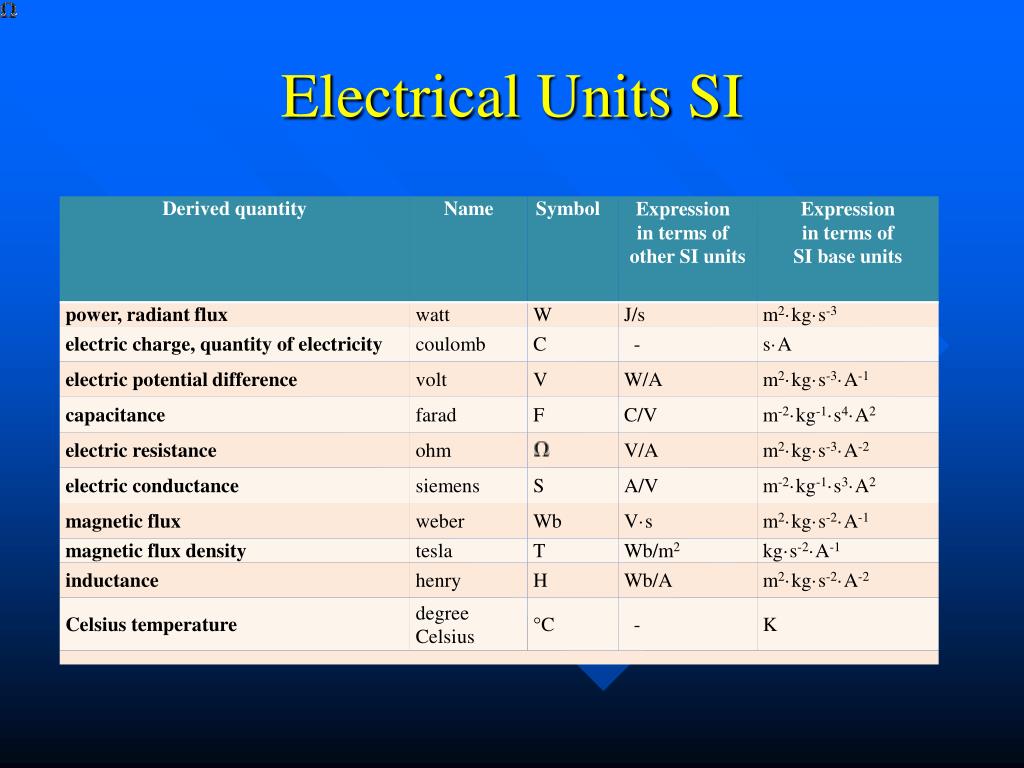
Think of it this way: whenever you see a light bulb, a hairdryer, or even your favorite gaming console, they all have a little label saying something like "60W" or "1500W." This isn't just some random number to confuse you. That number, the Watt, is the superhero of measuring power. It's the unit that tells us how quickly energy is being used or transferred. In the grand scheme of science, it's part of a magnificent, universally understood system called the SI Units. It's like the secret handshake of scientists and engineers worldwide, ensuring everyone's speaking the same power language. And guess what? The main star of this power party is our humble friend, the Watt.
So, what exactly is a Watt? Imagine you're lifting a small apple from your desk to your lap. That's a tiny bit of work, right? Now imagine you're lifting that same apple up to the ceiling. That takes more effort. Power is all about how fast you can do that work. One Watt is basically the amount of energy it takes to do one Joule of work in one second. Confused? Don't be! Think of it like this: a Joule is like a tiny unit of energy – imagine it as a single raindrop. A Watt is like the speed at which those raindrops are falling from a cloud. So, more Watts means more energy happening, faster!
Must Read
The guy we have to thank for this unit is a brilliant Scotsman named James Watt. No, not the singer – the inventor and mechanical engineer who made the steam engine so much better. He was a real go-getter, constantly tinkering and improving things. He was so good at making machines more efficient and powerful that they named this unit of power after him. It's a pretty sweet deal, honestly. Imagine if your dog was so good at fetching that they named the act of fetching after them! "Fido just fetched a record 50 Fidos of the ball!" It would be a bit strange, but you get the idea.
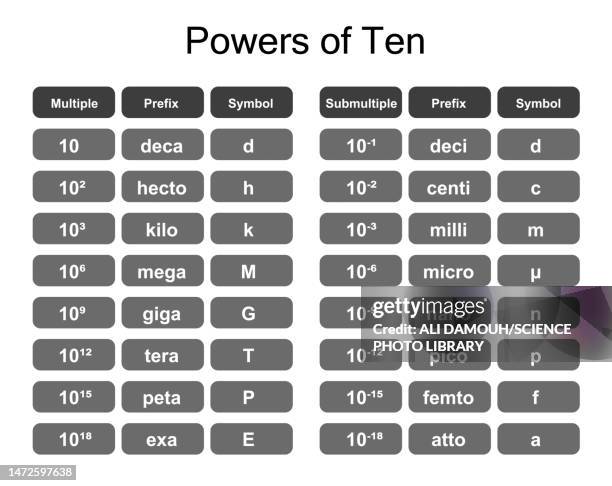
When we talk about power in the everyday sense, we often deal with pretty big numbers. That giant industrial motor? It’s probably measured in kilowatts (kW), which is just a thousand Watts. Think of it like saying "a thousand dollars" instead of "one thousand single dollar bills." It’s just easier to say. And those massive power plants that keep our cities lit? They're churning out power in the megawatts (MW) – that’s a million Watts! It’s mind-boggling to think about, but it’s all thanks to Mr. Watt and his dedication to harnessing energy.

Let's bring it back to something more relatable. Think about your home. Your toaster might be around 800 Watts. Your microwave could be 1000 Watts. Your hairdryer, if you’re rocking some serious hair-blowing action, might be a whopping 1500 Watts. That's a lot of Joules per second happening in your bathroom! It’s like a tiny energy dance party happening every time you flick a switch.
And then there’s the opposite end of the spectrum. What about something really, really small? Like the tiny amount of power your smartwatch uses to keep track of your steps? That’s measured in milliwatts (mW), which is one-thousandth of a Watt. It’s like the whisper of power compared to the shout of a powerful amplifier. It’s the subtle hum that keeps our modern gadgets alive without draining our batteries in minutes.

The beauty of the SI Units, and the Watt within it, is its universality. No matter where you go in the world, if you see a label that says "W," you know exactly what it means. It's a testament to human ingenuity and our shared desire to understand and quantify the world around us. It's a reminder that even the most complex scientific concepts can be broken down into understandable, even relatable, pieces. So next time you plug in your phone or switch on a lamp, take a moment to appreciate the silent, tireless work of the Watt, a truly heroic unit in the grand theater of energy.
It’s the invisible force that makes our modern lives possible, one Joule at a time, moving at the speed of Watts!
And the best part? You don't need a PhD to appreciate it. You just need to be curious about how things work. So, the next time you're admiring a particularly bright light bulb or marveling at how quickly your electric car charges, you can nod knowingly and think, "Ah, yes. That's a lot of Watts at play." It’s a simple concept, but it’s the backbone of so much that we take for granted. It’s the quiet hero of our everyday energy adventures.


+Standardized+prefixes+to+signify+powers+of+10.jpg)