Water In Oil And Oil In Water
Have you ever looked at something and thought, "Wow, that's just… neat!"? Well, get ready for something that might just tickle that same spot in your brain. We're talking about the magical world of water in oil and oil in water. It sounds a bit like a riddle, doesn't it?
But trust me, it's way more fun than any riddle. It's like nature's own little magic show, happening all around us, and once you start looking, you'll see it everywhere. It's about tiny things doing surprising things together.
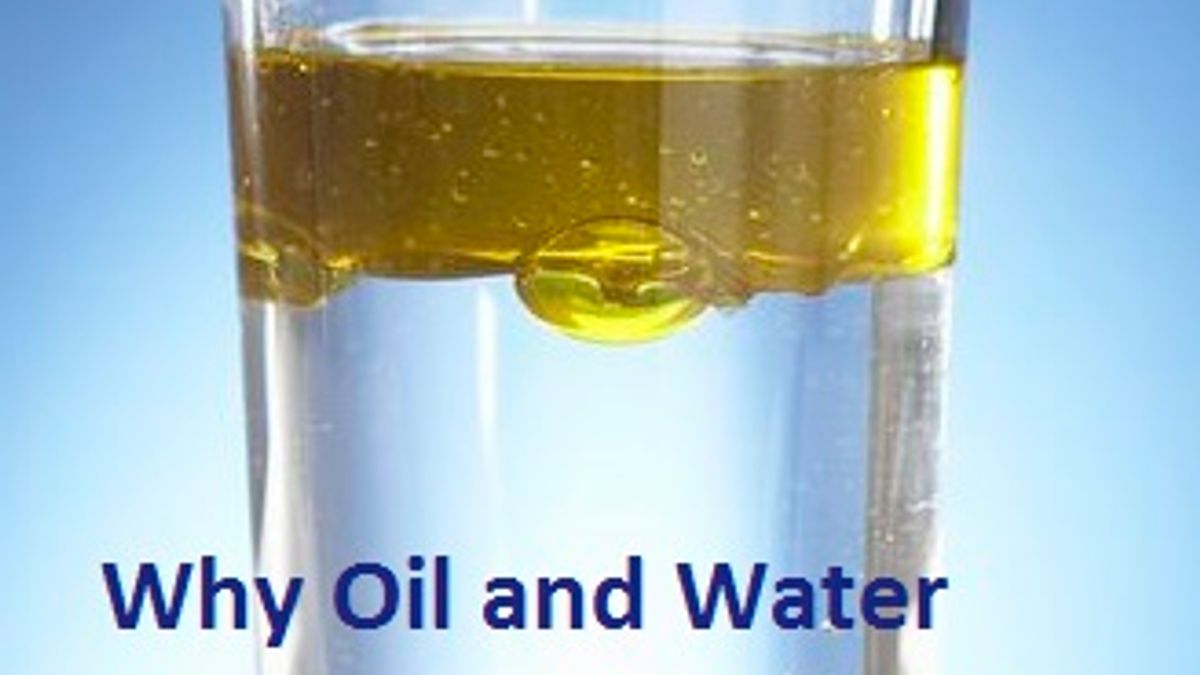
Think about it. You've got water, that clear, refreshing stuff we drink. And then you've got oil, that slippery, sometimes colorful liquid. Normally, they don't play well together. If you pour them in the same glass, they just sit there, separate and aloof.
Must Read
But what if I told you they can mix? Not perfectly, mind you, but in a way that’s totally fascinating. It’s like they’re having a secret party, and only a few people know the invitation.
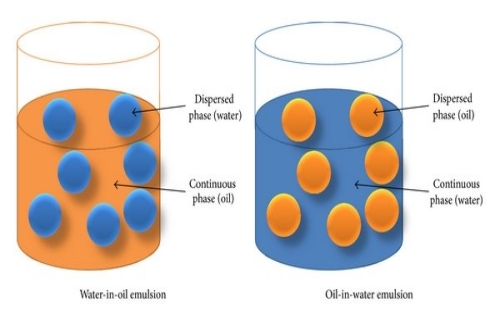
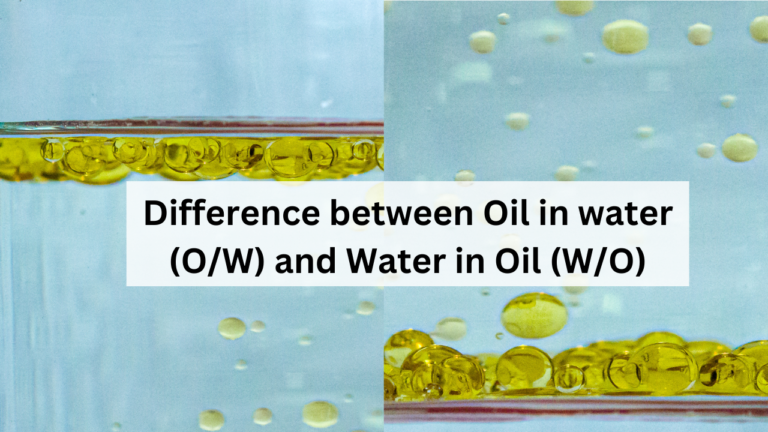
Let's start with oil in water. Imagine tiny little droplets of oil, like microscopic glitter, all scattered throughout a big pool of water. This is what happens in things like salad dressing that separates. You shake it up, and for a moment, you see that lovely cloudy, sometimes milky, appearance.
That cloudy look? That's the oil making its grand entrance into the water party. It’s not fully dissolved, but it’s dispersed. It’s like having little oil friends dancing around in the water, creating a bit of a spectacle.
And the most famous example of this? Well, think about milk! Yes, actual milk. It’s a perfect example of oil in water. Those tiny fat globules are dispersed in the watery part of milk. It’s why milk has that smooth, creamy texture.
Or what about mayonnaise? That wonderfully smooth and creamy condiment is another star performer in the oil in water category. It’s made by whisking oil into egg yolks and vinegar. The egg yolks act as something called an emulsifier, which helps those oil droplets stay happily suspended in the water-based liquids.
It’s like the egg yolk is the friendly host, introducing the oil guests to the water guests and making sure everyone gets along. Without the host, the oil and water would just go back to their separate corners.
Now, let’s flip that around and talk about water in oil. This is where the roles are reversed. Imagine tiny little droplets of water, like miniature dew drops, floating around in a big sea of oil. This is a bit less common in your everyday kitchen, but it’s super important in other places.
Think about butter. Yes, delicious, buttery butter! It’s a classic example of water in oil. The creamy texture of butter comes from tiny water droplets dispersed throughout the fat (which is the oil part). It's a fatty embrace for those little water pearls.
Another yummy example? Ice cream! The smooth, creamy texture of ice cream relies on having tiny water droplets frozen within the fatty base. It’s like a frozen wonderland where water droplets are tucked away in their oily beds.
And what about things like certain lotions and creams? Some of them are designed to be water in oil emulsions. They feel richer and more protective on your skin because the oil is the dominant ingredient, holding onto the water.
The cool thing about these mixtures, these emulsions, is that they look different and feel different depending on which liquid is the "host." Oil in water often feels lighter, more spreadable, and might feel a bit cooler on your skin.

Water in oil emulsions, on the other hand, often feel richer, heavier, and can provide a more moisturizing barrier. It's all about which one is on the outside, creating the overall impression.
Why is this so entertaining? Because it’s a constant surprise! It’s nature showing us that things aren’t always as simple as they seem. It's a visual treat, a textural delight, and a little science lesson all rolled into one.
It’s like watching a beautiful dance where the dancers don't quite mix but still move together in a mesmerizing way. The way the light hits the mixture, the way it feels on your tongue or your skin – it’s all part of the show.
And the fact that we can make these things happen? That’s even more exciting! Chefs, bakers, scientists, and even your grandma in the kitchen are all playing with these principles, creating delicious and useful things.
Consider the difference between pouring oil on water and shaking up some vinaigrette. The vinaigrette, for a little while, looks like a unified whole. It’s a temporary truce, a playful interaction between two substances that usually keep their distance.

This little bit of science is what makes everyday things so special. It adds a layer of wonder to things we might otherwise take for granted. That creamy soup, that smooth lotion, that perfect piece of butter – they all have these tiny, invisible worlds within them.
It’s a reminder that even the most ordinary ingredients can come together to create something extraordinary, through clever little interactions. These emulsions are like the unsung heroes of texture and taste.
So, next time you see milk, or butter, or even just that separated salad dressing, take a moment. Appreciate the little show that’s going on. It’s water and oil, not quite mixing, but creating something wonderful together.
It’s a simple concept, but the results are anything but. It’s a testament to how even the most basic elements can behave in surprising and delightful ways when they're given the right conditions.
It’s the magic of understanding how things work, and then seeing that magic made real in the food we eat and the products we use. It makes you look at the world with a little more curiosity, a little more appreciation for the hidden science behind everything.
So, go on, experiment a little in your mind. Think about all the places you encounter these fascinating mixtures. It’s a simple pleasure, but a deeply satisfying one. The world of emulsions is waiting, and it’s a lot more exciting than you might think!

Think of the kitchen as a laboratory for these delightful transformations. From a basic vinaigrette to a complex sauce, the dance between oil and water is a constant performance. It’s a subtle art, a gentle persuasion of ingredients.
The way an emulsifier can coax these two into a temporary, yet beautiful, union is truly remarkable. It’s like a tiny matchmaker, bringing oil and water together for a special occasion.
And the visual aspect alone is captivating. The cloudy swirl of oil in water, the creamy opacity of water in oil – it’s a feast for the eyes, a prelude to the taste and texture that follows.
It’s a gentle reminder that science isn’t just in labs; it's in our everyday lives, making our food tastier, our products work better, and our world just a little bit more interesting.
So, embrace the emulsion! Explore the delightful duets of oil and water. It’s a simple journey, but one that promises a lot of little "aha!" moments and a deeper appreciation for the wonders around us.
It’s a fascinating dance, a delightful discovery, and a testament to the surprising ways that common ingredients can come together to create something truly special. So, keep your eyes peeled for these little wonders!