Troy Bilt Riding Mower Blades Won T Disengage
Ah, the trusty Troy-Bilt. It’s the kind of machine that hums with the promise of a perfectly manicured lawn, the soundtrack to your weekend warrior dreams. You’ve probably got stories about yours – maybe it survived a rogue frisbee incident or helped you create the perfect stripe pattern for your neighborhood's informal lawn-care competition. But what happens when the soundtrack skips? What do you do when your Troy-Bilt’s mower blades decide to go on strike, refusing to disengage like a teenager facing chores?
It’s a familiar frustration, isn’t it? You’re ready to roll, the sun is shining (or at least threatening to), and then… nothing. The blades are still spinning, a low, menacing whir that screams, “Not today, chief!” It can feel like a personal affront, a betrayal by your otherwise reliable yard companion. But before you start contemplating trading it in for a flock of very efficient sheep, let’s take a deep breath and dive into the world of recalcitrant Troy-Bilt mower blades. Think of this as your friendly, low-stakes troubleshooting guide, delivered with a side of lawn-care philosophy.
The Great Blade Standoff: Why Won't They Just Cooperate?
So, your Troy-Bilt blades are playing hard to get. This isn’t usually a sign of a deeply philosophical objection to cutting grass. More often, it's a mechanical hiccup, a little kink in the system that’s preventing the disengagement mechanism from doing its job. We’re talking about things like levers, cables, pulleys, and maybe a little bit of sheer stubbornness from inanimate objects.
Must Read
Let’s break down some of the most common culprits behind this blade-locking behavior. Understanding these will give you a serious leg up in getting your Troy-Bilt back in the game, and maybe even earn you some bragging rights at the next barbecue.
The Cable Conundrum
One of the most frequent offenders is the mower deck engagement cable. This is the wire that snakes its way from your control lever (usually on the dashboard) all the way to the deck, telling the blades when to spin and when to chill. If this cable gets kinked, stretched, frayed, or simply out of adjustment, it might not be fully releasing the tension on the belt or pulley system that engages the blades.
Think of it like a bicycle brake cable. If it’s loose, your brakes won’t work. If it’s too tight, they might drag. Your mower deck engagement cable is similar. If it’s not properly tensioned, or if there’s something physically preventing it from moving freely, the mechanism that disengages the blades might be stuck in the "on" position.
Practical Tip #1: Inspect the Cable Path. Get down and dirty (figuratively, of course, unless you’re really committed!). Follow the entire length of the engagement cable from the control lever to the mower deck. Look for any obvious kinks, kinks that resemble a pretzel you forgot about, or areas where it might be rubbing against something it shouldn’t be. Sometimes, a little bit of grease or lubrication in the right spots can work wonders.

Fun Fact: The concept of a "cable" for engaging machinery has been around for centuries, evolving from simple rope systems to the complex, durable cables we use today. Imagine trying to disengage your chariot's wheels with a rope – a bit more challenging, wouldn't you say?
The Lever’s Lament
Closely related to the cable is the lever itself. This is your primary interface with the blade engagement system. If the lever mechanism is worn, bent, or has lost some of its mojo, it might not be fully retracting the cable to the disengaged position.
Sometimes, you might notice the lever feels a bit loose or doesn’t click into its detents (those little stops that hold it in place) as firmly as it used to. This can be a sign that the internal workings of the lever assembly are the source of the problem.
Practical Tip #2: Check for Free Play. With the engine off and the mower deck disengaged as much as possible, wiggle the engagement lever. Is there excessive play? Does it feel “mushy”? If so, it might be time to look at the lever assembly for wear or damage. Sometimes, a simple tightening of a bolt or a replacement of a worn bushing can solve the issue.
Cultural Reference: Think of this like your car’s gear shifter. If it feels sloppy, you lose confidence in shifting. A firm, precise lever is a sign of a well-maintained machine.
The Pulley Predicament
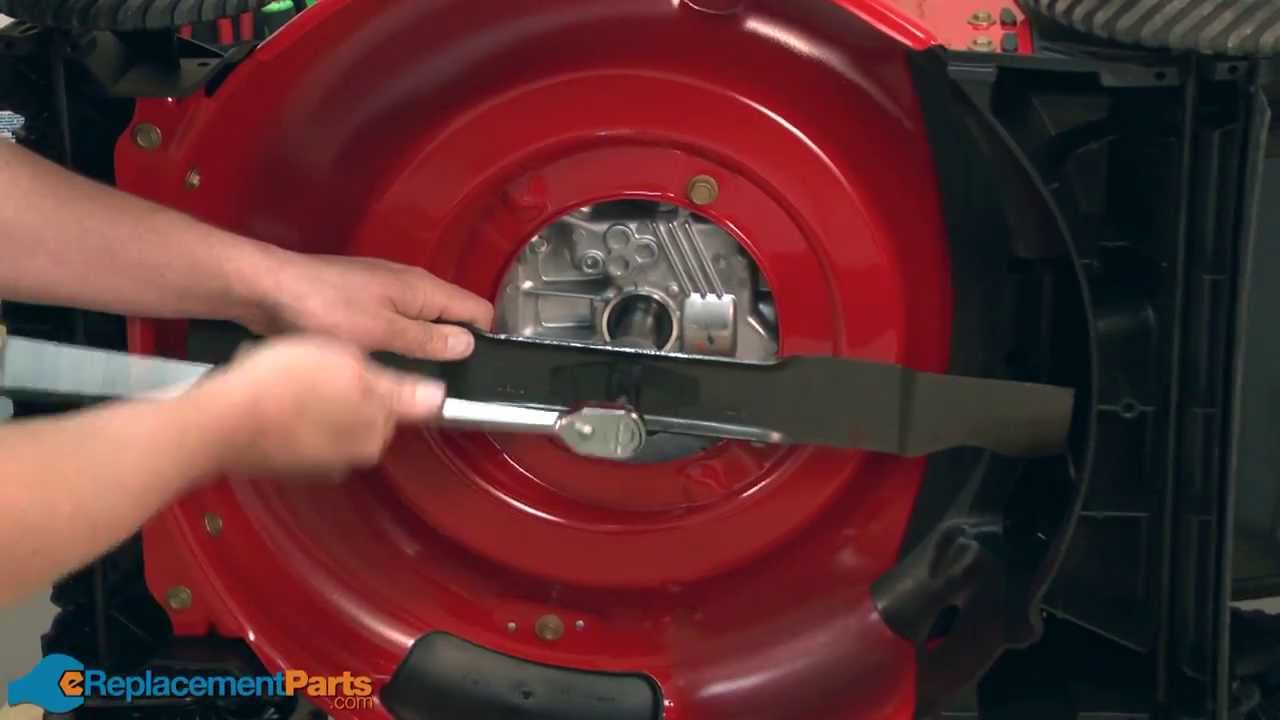
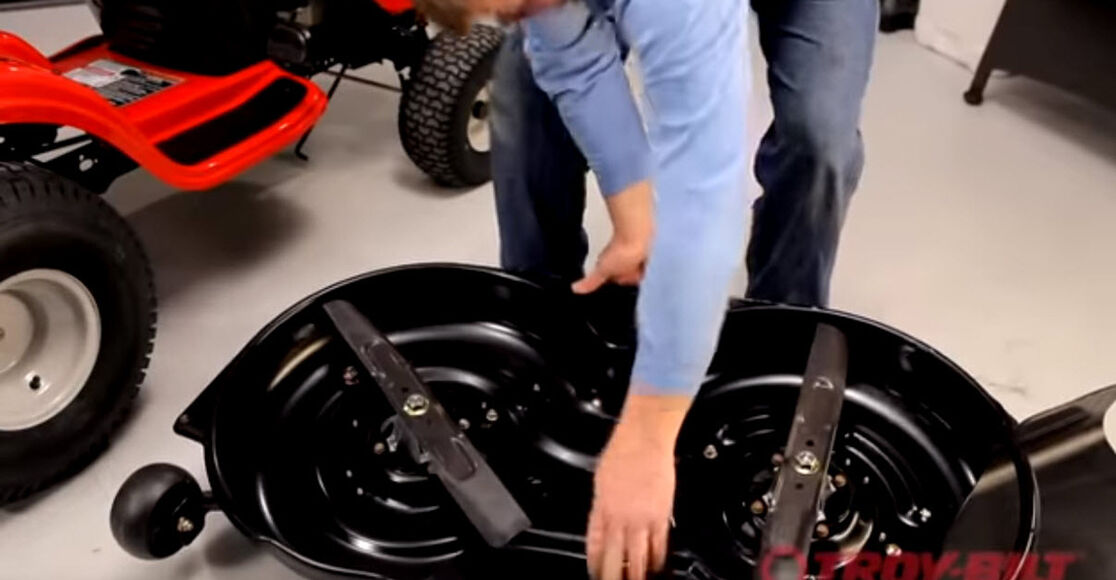
The blades on your Troy-Bilt are typically driven by a belt, which in turn is spun by a pulley connected to the engine. When you engage the blades, a separate pulley system (often involving a spring and a clutch mechanism) tightens the belt. When you disengage, this system releases the tension. If this pulley system is stuck, rusted, or if a spring has snapped, the belt might remain too tight, keeping the blades spinning even when the lever is in the "off" position.
This is a more mechanical issue, and sometimes it’s the unsung hero of the blade engagement drama. It’s the behind-the-scenes technician making sure everything is working in sync.
Practical Tip #3: Inspect the Pulleys and Belt. With the engine OFF and the spark plug disconnected (safety first!), visually inspect the pulleys on the mower deck. Look for any signs of rust, debris buildup, or damage. You can often try to manually move the tensioning pulley to see if it moves freely. Check the belt for wear and tear. A damaged belt can sometimes cause these issues, though it's less common for it to prevent disengagement.
Fun Fact: The invention of the V-belt pulley system, common in many mowers, was a game-changer for power transmission, allowing for more efficient and reliable operation compared to flat belts.
The Switch Situation
Many modern riding mowers, including Troy-Bilt models, have safety switches. These switches are designed to prevent the engine from starting or running if certain conditions aren’t met – like the mower deck not being disengaged. In some cases, a faulty or misaligned safety switch could interfere with the disengagement process, although this is less common for keeping the blades engaged and more common for preventing them from engaging in the first place.

However, it's worth noting that sometimes these systems can be interconnected. A malfunctioning switch might send an incorrect signal that indirectly affects the blade engagement mechanism.
Practical Tip #4: Locate and Test Safety Switches. Consult your Troy-Bilt owner's manual to identify the location of safety switches related to the mower deck and PTO (Power Take-Off). Sometimes, you can gently press on these switches to see if they feel loose or damaged. While testing these often requires a multimeter for a definitive diagnosis, a visual inspection can sometimes reveal issues.
The "It Just Needs a Good Jiggle" Scenario
Let’s be honest, sometimes the simplest solution is the right one. Especially after a long winter or a period of disuse, components can seize up a bit. A bit of wiggling, jiggling, and enthusiastic lever manipulation can sometimes be enough to free up a stuck cable or pulley. This isn't a permanent fix, but it can get you out of a jam and give you time to perform a more thorough diagnosis.
Practical Tip #5: Gentle Persuasion. With the engine off, try moving the engagement lever back and forth firmly but without excessive force. Sometimes, a few firm nudges can dislodge a minor obstruction or unstick a slightly seized component. If it feels like you’re going to break something, stop!
When to Call in the Professionals (or Just That Neighbor Who Knows Everything)
If you’ve gone through the above and your Troy-Bilt blades are still playing coy, it might be time to admit defeat and seek some expert help. This doesn’t mean you’re any less of a lawn-care guru. It just means you’ve reached the limit of your current DIY knowledge, and that’s perfectly okay.

When to Consider Professional Help:
- If you suspect a broken spring or a significantly damaged pulley.
- If the engagement cable is clearly severed or severely frayed.
- If you’re uncomfortable working with the mechanical components.
- If you’ve tried everything else and the problem persists.
Your local Troy-Bilt dealer or a reputable small engine repair shop can diagnose and fix these issues efficiently. And hey, think of the stories you’ll have then – “Yeah, the blades on my Troy-Bilt staged a rebellion, had to call in the cavalry!”
The Art of Lawn Care: More Than Just Cutting Grass
This whole experience, while frustrating, is also a subtle reminder of the relationship we have with our tools. Our riding mowers aren't just machines; they’re partners in the ongoing endeavor of maintaining our little slice of the world. They help us create order, beauty, and a sense of accomplishment.
When a tool breaks down, it’s not just an inconvenience; it’s an interruption of that partnership. It’s a moment to step back, assess, and perhaps learn a little more about the inner workings of something we rely on. It’s a chance to become more intimately acquainted with the gears and levers that make our lives a little bit easier, and our lawns a lot neater.
Ultimately, the issue with your Troy-Bilt blades not disengaging is usually a solvable puzzle. With a little patience, a keen eye, and perhaps a healthy dose of gentle persuasion, you can get your trusty mower back to its harmonious hum, ready to tackle whatever the green expanse throws its way. And who knows, by fixing it yourself, you might just discover a hidden talent for mechanical wizardry. The lawn, and your sense of satisfaction, will thank you for it.