Thank You For The Meal In Japan

Ever wondered what happens after you finish a fantastic meal in Japan? It’s not just about the delicious food, though that’s a huge part of it! There's a little something extra that happens, a cultural cherry on top that makes dining there so memorable. Let’s talk about the magic that is ‘Gochisōsama deshita’.
Now, this isn't some grand, formal ceremony. It’s a simple phrase, a few Japanese words, but oh boy, does it carry weight. Think of it as the ultimate compliment to your chef, your host, or even the restaurant staff. It’s more than just a ‘thank you for the food.’ It’s a deep appreciation for the entire experience. It’s like saying, “Wow, that was amazing! You truly outdid yourselves!”
Imagine you’ve just polished off a bowl of steaming ramen, the broth rich and savory, the noodles perfectly chewy. Or maybe you’ve devoured a delicate piece of sushi, each bite a burst of fresh flavor. You’re feeling utterly satisfied, that happy, full feeling you get after a truly great meal. In many places, you might just say, “That was good.” But in Japan, there’s a more heartfelt way to express that feeling.
Must Read
That’s where ‘Gochisōsama deshita’ comes in. It’s what you say when you’re completely done with your meal. It’s the final bow after the culinary performance. And it’s not just for fancy restaurants, either. You’ll hear it in bustling izakayas, quiet tea houses, and even at a friend’s dinner table. It’s a universal sign of gratitude and respect.
What makes it so special? Well, for starters, it acknowledges the effort that went into making that meal. Food in Japan is often treated with immense respect, from the sourcing of ingredients to the meticulous preparation. When you say ‘Gochisōsama deshita’, you’re not just thanking them for the ingredients; you’re thanking them for their time, their skill, their dedication, and the sheer artistry involved. It’s a recognition that a lot of hard work went into bringing that deliciousness to your plate.

And it’s not just a polite formality. There’s a genuine warmth and sincerity behind it. You’ll often see the person saying it offer a slight bow, their eyes meeting the eyes of the person they’re thanking. This little gesture adds another layer of connection. It’s a moment of shared understanding, a confirmation that the meal was, indeed, a success.
Think about the feeling you get when someone genuinely compliments your cooking. It makes you feel good, right? It’s the same principle, but elevated. In Japan, this expression is deeply ingrained in the culture of hospitality, known as ‘omotenashi’. It’s about anticipating needs and providing exceptional service without expecting anything in return. Saying ‘Gochisōsama deshita’ is the guest’s way of returning that exceptional feeling, of showing that the omotenashi was felt and appreciated.

It’s also incredibly fun to try and say it yourself! Even if your pronunciation isn't perfect, the effort is almost always met with a smile and a nod. It shows you’re engaging with the culture, not just passing through. It’s a little linguistic adventure that can unlock smiles and create warm interactions.
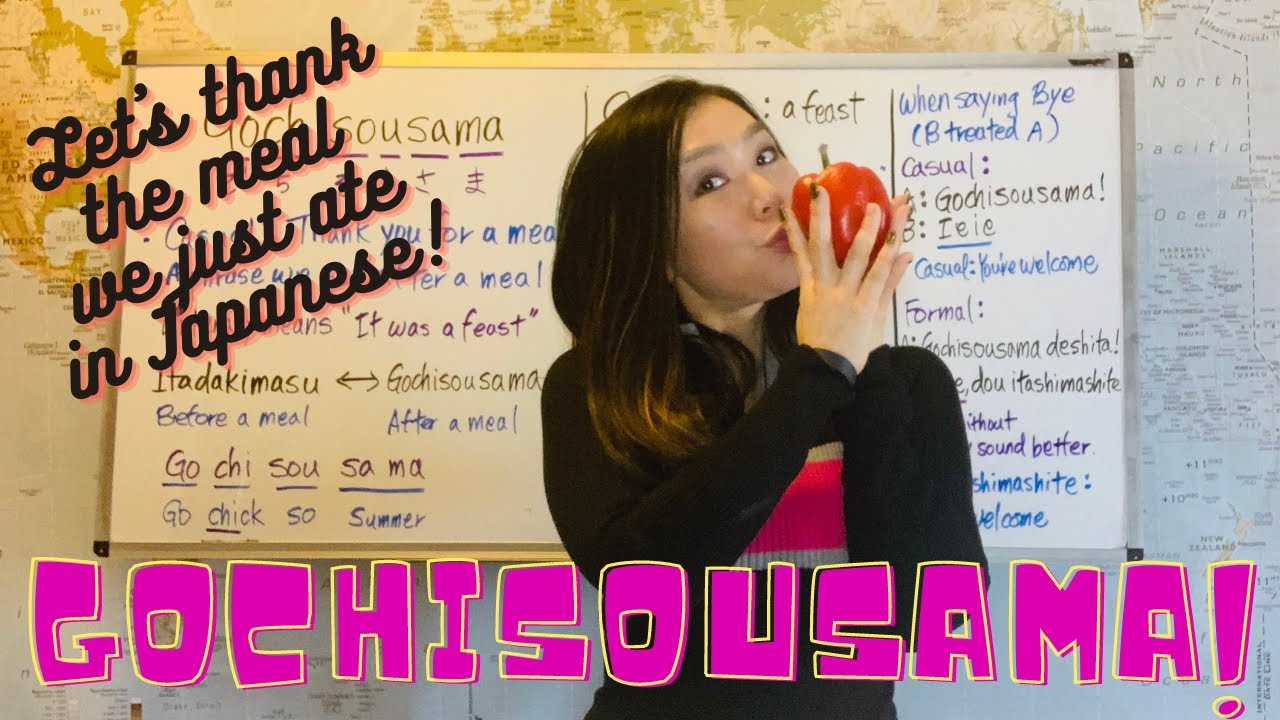
Let’s break down the phrase a little, just for fun. ‘Gochisō’ itself means a feast or a banquet. So, when you say ‘Gochisōsama’, you're basically calling the meal a feast! And ‘deshita’ is the past tense, making it “It was a feast.” Pretty straightforward, and yet, so much more profound.

You might also hear variations. If you’re eating with friends or family, they might say it to each other. Or if you’re at a place where the chef or owner is particularly involved, they might even respond with a bow and a quiet ‘Arigatō gozaimasu’ (thank you very much).
This simple phrase transforms a meal from just sustenance into a memorable experience. It’s a way to connect with the people who made your food, to acknowledge the care and passion that went into it, and to leave with a feeling of true appreciation. It's a reminder that food is more than just eating; it's about sharing, about connection, and about enjoying the moment.
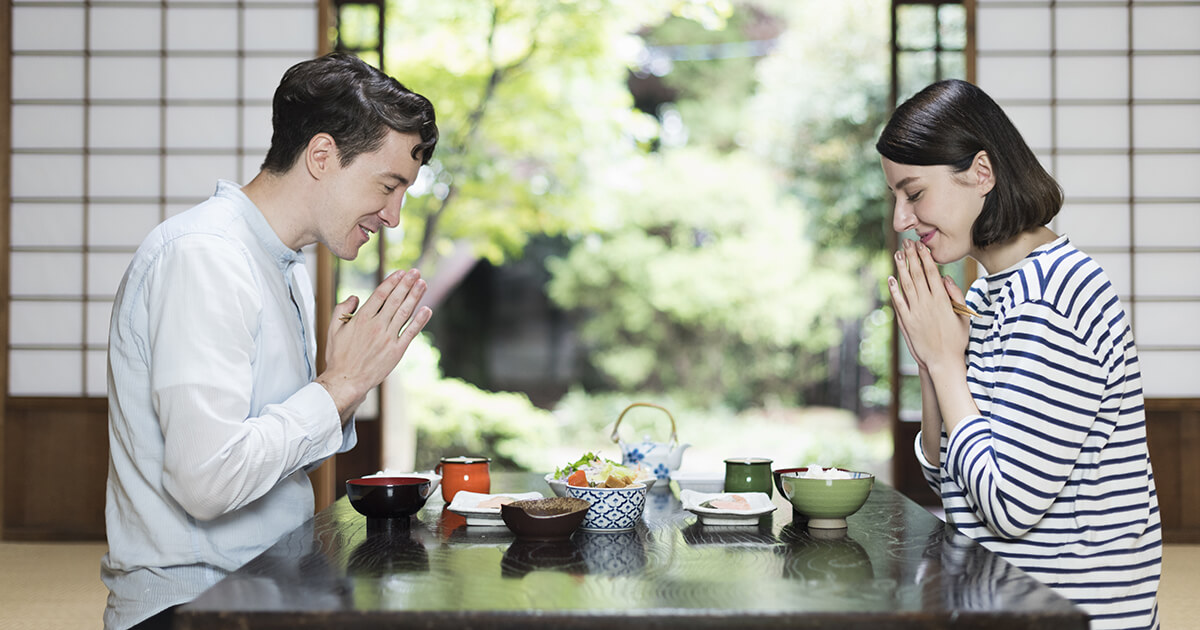
So, the next time you find yourself in Japan, savoring every delicious bite, remember to say ‘Gochisōsama deshita’. It’s your ticket to experiencing a truly authentic and heartwarming aspect of Japanese dining. It’s a little phrase that packs a big punch, and it’s guaranteed to make your culinary journey even more delightful.
It’s a testament to how a few words, delivered with sincerity, can elevate an everyday act into something truly special. It’s like the perfect soundtrack to a fantastic movie, or the finishing touch on a beautiful painting. It’s the little things that make the biggest difference, and in Japan, this is certainly true for their incredible food.
Don’t be shy about giving it a go! The locals appreciate the effort, and you’ll feel a wonderful sense of accomplishment. It’s a small step, but it’s a huge leap in experiencing the genuine warmth and hospitality that Japan has to offer. So, go forth, eat well, and say it with a smile: ‘Gochisōsama deshita’!