Term Of Respect To Man In India

Ever wondered about those polite phrases you hear in Indian movies or conversations? Understanding terms of respect for men in India isn't just about sounding knowledgeable; it's like unlocking a fun little secret to navigating social interactions with more grace and understanding. It's a way to connect on a deeper level, show appreciation, and even avoid unintentional faux pas. Think of it as a friendly guide to showing you've done your homework, and it can make your experiences, whether as a traveler, a student, or just someone curious, so much richer!
For beginners, learning a few basic terms is like getting a cheat sheet for politeness. It builds confidence and makes you feel more at ease when interacting with Indian men. For families planning a trip or hosting guests, it's a fantastic way to teach children about different cultures and the importance of respect, fostering a more inclusive and understanding environment. And for those who enjoy cultural exploration as a hobby, delving into these linguistic nuances is a rewarding journey, offering insights into the social fabric and values of India.
The most common and widely understood term of respect is 'Sir'. You'll hear this used frequently, much like in Western contexts, to address elders, superiors, or someone you're meeting for the first time in a formal setting. However, India also offers a beautiful array of indigenous terms. For instance, 'Bhaiya' or 'Bhai', meaning 'brother', is often used respectfully for men who are a little older or of similar age, especially in North India. It carries a sense of camaraderie and familiarity. In South India, terms like 'Anna' (elder brother) or 'Thambi' (younger brother) are used with similar respect, but can also extend to non-relatives to show warmth and deference. Another respectful address, particularly for older gentlemen, is 'Uncle' or 'Chacha/Mama' (depending on the side of the family), extending the concept of family respect to the wider community.
Must Read
Getting started is surprisingly simple and doesn't require a deep dive into linguistics. Start with 'Sir'. It's universally understood and always appropriate. When you feel more comfortable, try listening for the context in which 'Bhaiya' or 'Anna' are used. Observe how people interact with each other. If you're interacting with someone significantly older, a gentle nod and a smile, coupled with a respectful tone, goes a long way, even if you don't know the specific term. Don't be afraid to ask! Most people are happy to explain. For example, if you're unsure, you can politely ask, "What is a respectful way to address you?" or simply use 'Sir' and gauge their reaction.
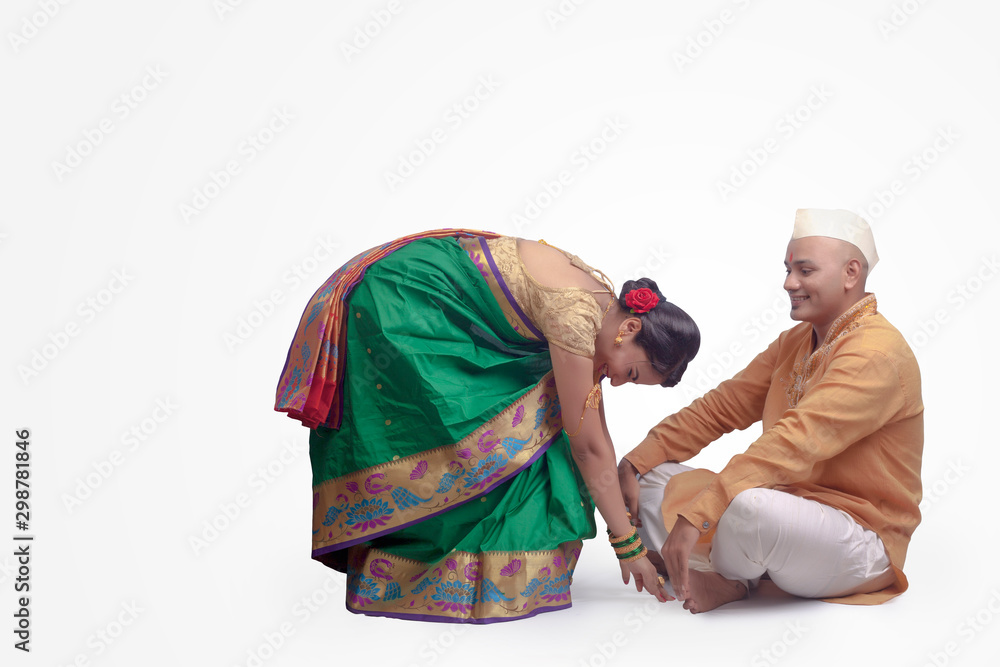
Ultimately, learning and using these terms of respect is about more than just words; it's about showing genuine regard and appreciation for the people you encounter. It’s a small gesture that can open doors, foster friendships, and make your interactions in India, or with Indian people, a lot more enjoyable and meaningful. So, dive in, have fun with it, and embrace the richness of Indian culture!