Sweet Potato Plant When To Harvest

There's something incredibly satisfying about growing your own food, and sweet potatoes are a fantastic choice for home gardeners. They're not only delicious and packed with nutrients, but their vibrant foliage can add a beautiful touch to your garden. But the million-dollar question for many is: when do you actually dig them up? Harvest time for sweet potatoes is a bit of a sweet spot, a moment of anticipation before you get to enjoy the fruits (or rather, roots!) of your labor. It’s a rewarding part of the gardening journey that’s surprisingly easy to get right.
For beginners, understanding sweet potato harvest time takes away a lot of the guesswork. Instead of wondering if you're too early or too late, you'll know precisely when to expect those starchy treasures. For families, it's a wonderful opportunity to involve kids in a hands-on learning experience. They can help with the digging and discover the magic of how food grows beneath the soil. For hobbyist gardeners, mastering sweet potato harvesting means consistently getting the best possible yield and quality, making your efforts even more worthwhile. It’s about turning a fun pastime into a truly productive one.
Sweet potatoes themselves come in a variety of colors, from the classic orange-fleshed varieties like 'Beauregard' to purple-fleshed types such as 'Okinawa' or even white-fleshed ones. Each has its own unique flavor profile and culinary uses. The harvesting principle, however, remains largely the same across these delicious variations. You’re essentially waiting for the underground tubers to reach a good size, and there are some key indicators to look for.
Must Read
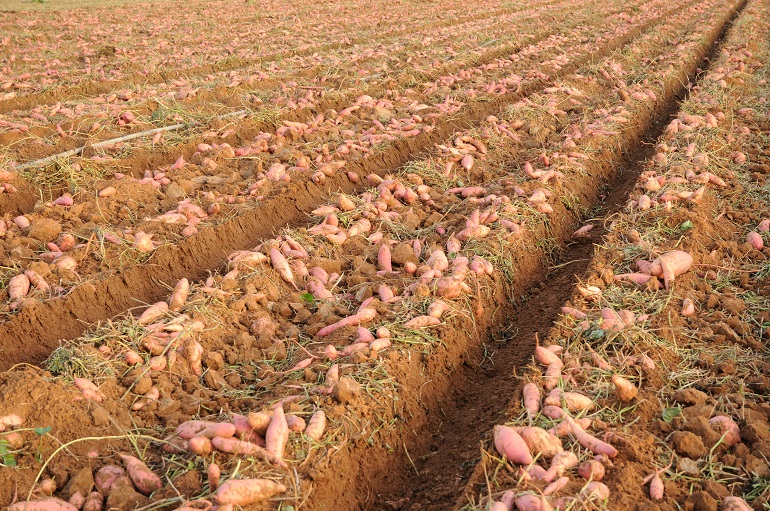
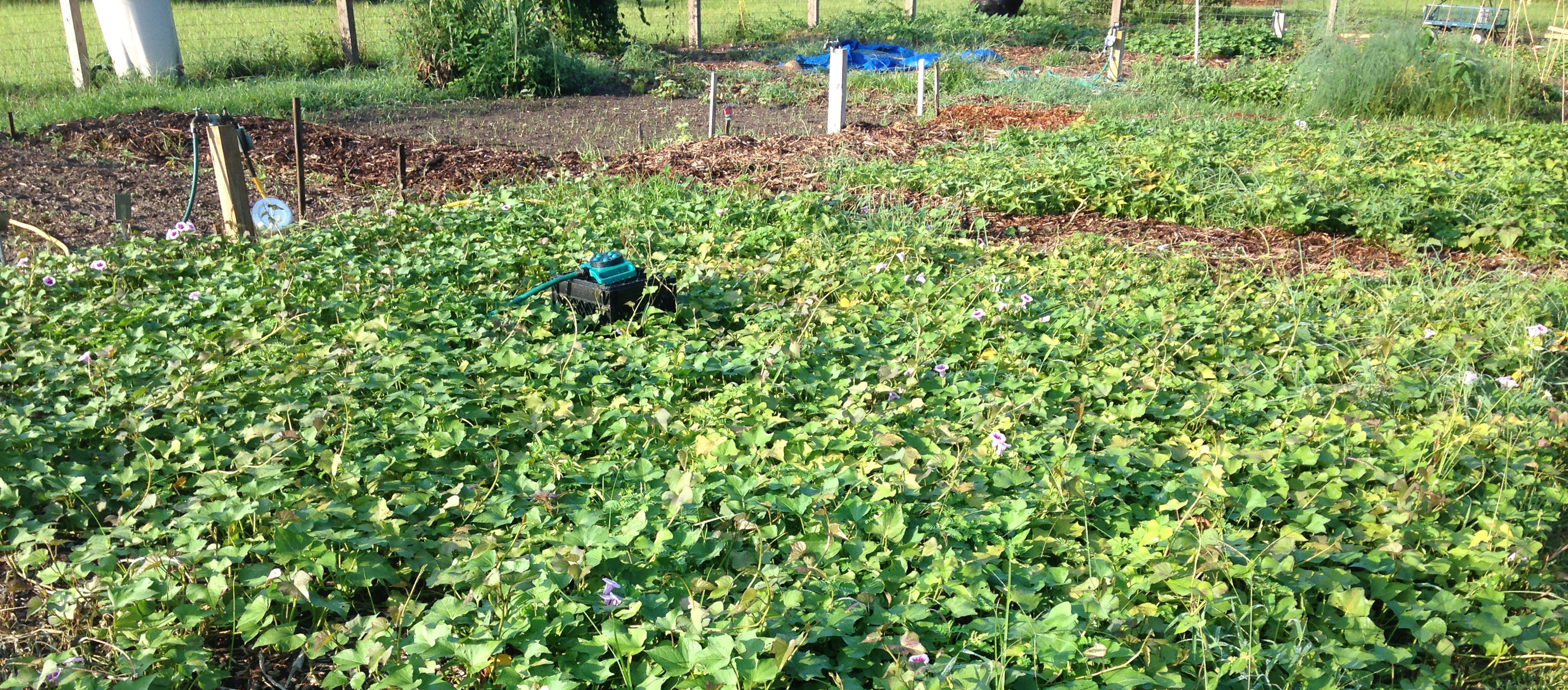
The primary sign that your sweet potatoes are ready is the weather. Sweet potatoes are warm-season crops that need a long, hot growing season. This means they are typically harvested before the first hard frost. In most climates, this translates to late summer or early fall, usually around 90 to 120 days after planting. You’ll often see the vines start to yellow or die back a bit as the weather cools, which is another subtle hint that the roots below are maturing.

Here are some simple, practical tips to get you ready for harvest: First, loosely check the soil a week or two before your estimated harvest date. Gently dig around the base of a plant with your trowel to expose one or two of the larger roots. If they’re a decent size (think a good few inches long) and have a developed skin, they’re likely ready. Don’t pull the whole plant up just to check! Second, water the plants a few days before harvesting. This helps make the soil easier to dig. However, try to keep the soil relatively dry in the days leading up to harvest if possible, as excess moisture can make curing more difficult. Finally, handle them with care. Sweet potatoes bruise easily, and any damage can affect their storage life. Digging carefully with a garden fork, keeping it several inches away from the main stem, is recommended.
Harvesting your own sweet potatoes is a truly rewarding experience. It’s a chance to connect with your food, enjoy the satisfaction of homegrown produce, and even impress your friends and family with your gardening prowess. So, keep an eye on those vines, watch the calendar, and get ready to unearth some sweet, earthy goodness!