Rolex Watch How To Spot A Fake

Ever dreamt of owning a Rolex? It’s like owning a tiny, ticking piece of history on your wrist. These watches aren’t just timekeepers; they’re legends! Think James Bond, think Hollywood glamour, think serious adventurers. Owning a Rolex is a badge of honor for many.
But here’s the funny thing about things that are super cool and valuable. People try to copy them. Lots of people try. This means there are fakes out there, and spotting them can be a bit of a detective game. It's like a treasure hunt, but instead of gold, you're looking for authenticity.
Now, don't let that scare you! It’s actually kind of exciting to learn the little secrets. It’s like getting insider knowledge on how the real magic is made. And once you know what to look for, you'll feel like a watch wizard.
Must Read
So, how do you tell a genuine Rolex from a clever imposter? It’s all about the tiny details. Think of it like spotting a fake designer handbag. The stitching, the logo, the feel – it all adds up.
Let’s start with the most obvious thing: the price. If a deal seems too good to be true for a brand-new Rolex, it probably is. These watches hold their value for a reason. Scrutinize those "amazing" online offers with extreme caution!
One of the first things you'll notice on a real Rolex is the incredible smoothness of the sweep second hand. It glides. It doesn’t tick, tick, tick like a normal clock. It’s like a gentle whisper of time passing. A fake often has a jerky, stuttering movement.
Hold a real Rolex in your hand. Feel that weight? It’s substantial. That’s because they use high-quality materials, usually Oystersteel or precious metals like gold and platinum. Fakes often feel lighter, sometimes even hollow, because they use cheaper metals.
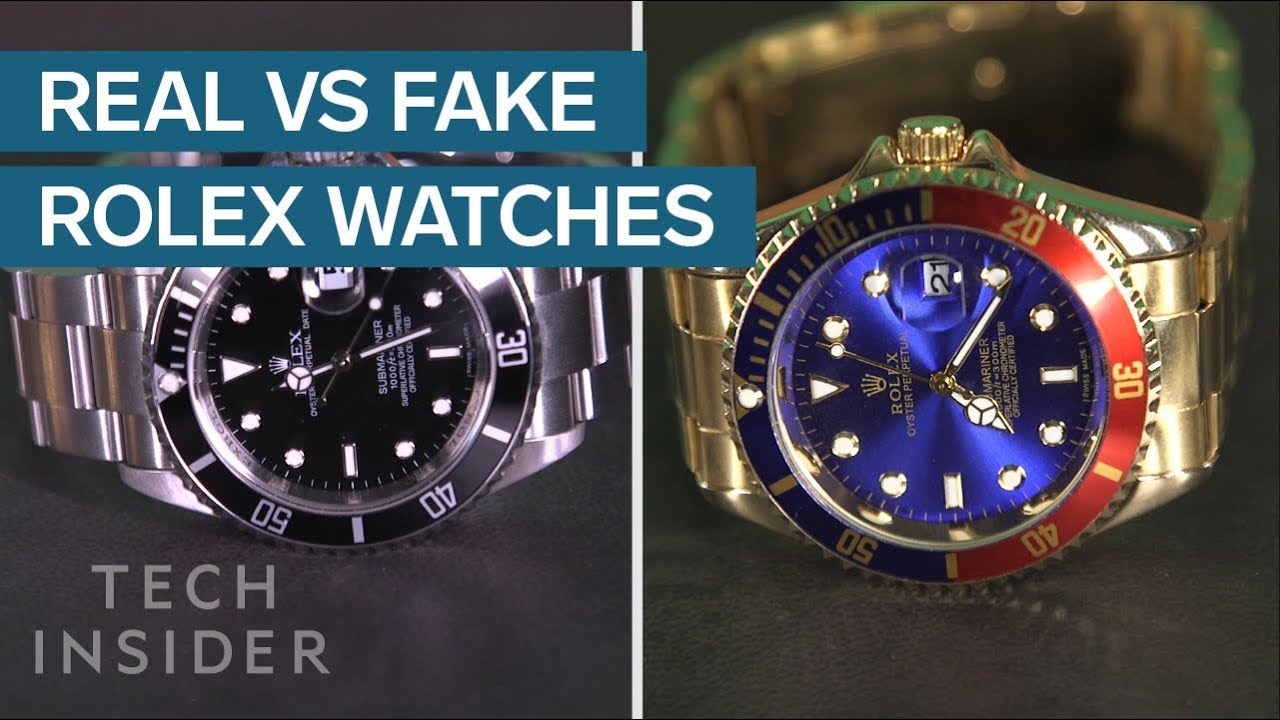
Now, let’s talk about that iconic crown. On a genuine Rolex, the crown (the little knob you use to set the time) has a very precise and satisfying click. It’s a small detail, but it speaks volumes about the craftsmanship. A fake might feel loose or just not as crisp.
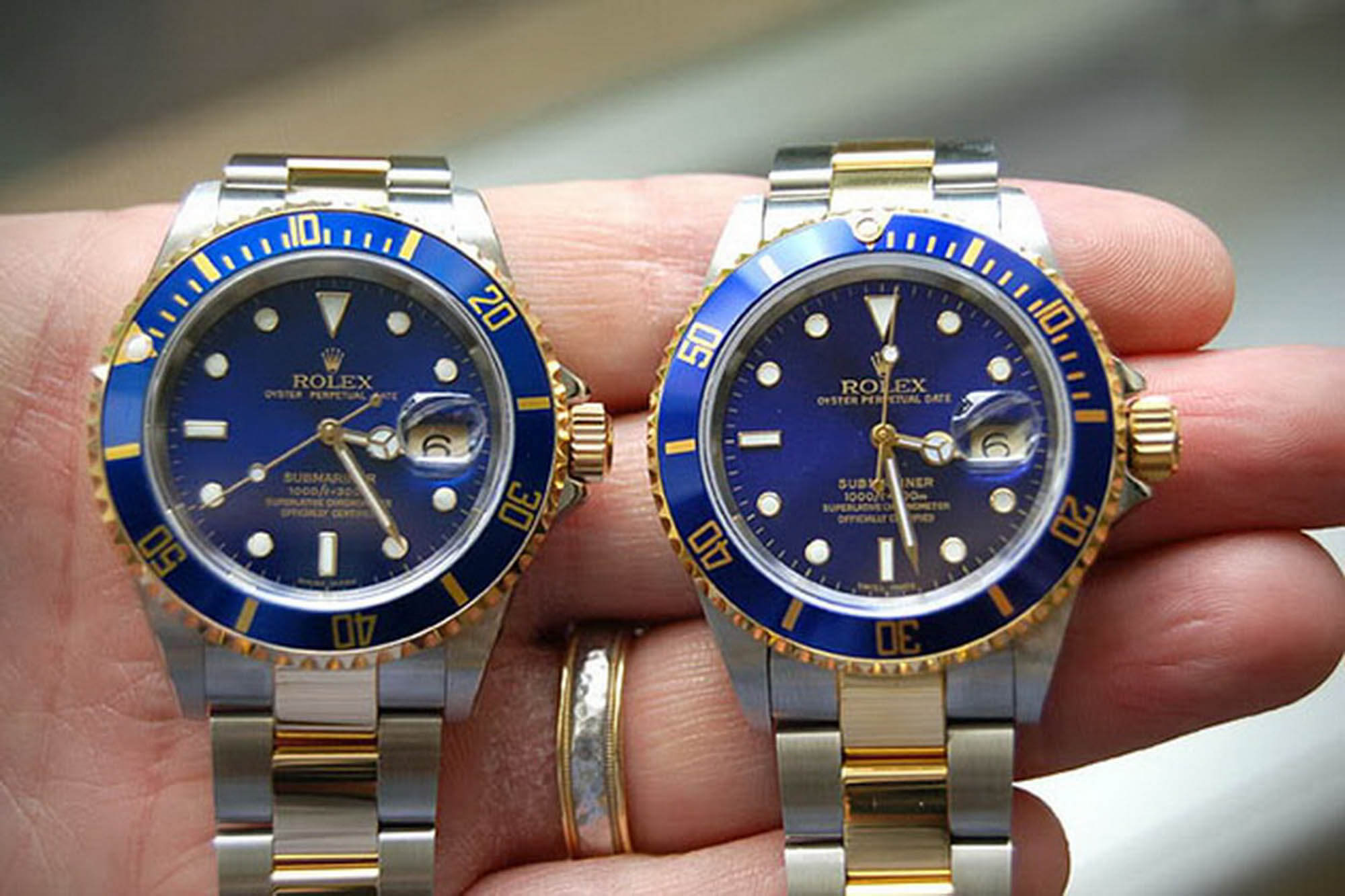
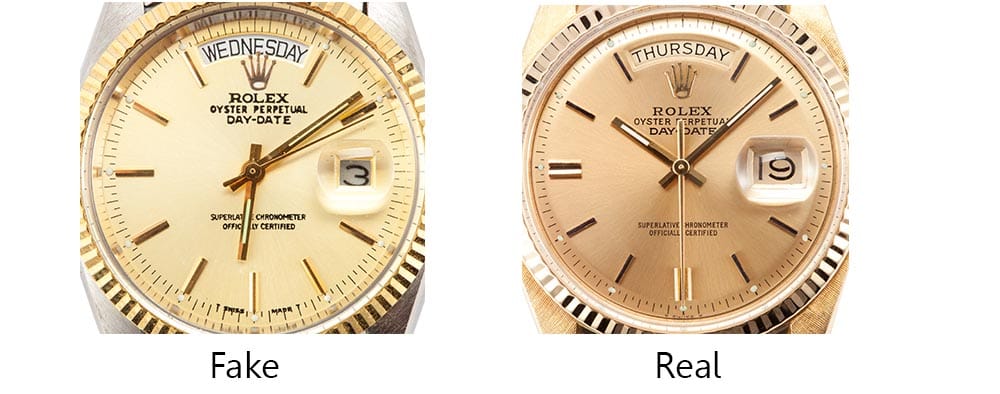
Look at the dial closely. Rolex dials are immaculate. Every single marker, every numeral, every letter is perfectly printed or applied. There are no smudges, no misalignments, no imperfections. It's like looking at a tiny piece of art under a magnifying glass.
And the magnification on the cyclops lens! You know, that little bubble over the date window? On a real Rolex, it magnifies the date by 2.5 times. It’s a very distinct magnification. You can clearly see the date jumping out at you. Fakes often have a weak or blurry magnification, or none at all.
The engravings are another big clue. On the case back, you’ll often find tiny, crisp engravings. They're sharp and clear. On many models, the serial number is also engraved between the lugs. Fakes can have blurry or shallow engravings that feel rough to the touch.
The bracelet on a real Rolex is a masterpiece in itself. It feels solid, comfortable, and perfectly engineered. The links are tight, and the clasp clicks shut with a reassuring firmness. Fakes often have loose, rattling bracelets that feel cheap and flimsy.
Think about the overall finish. Rolex watches are polished to a mirror-like shine, or brushed with incredible precision. The edges are sharp where they should be, and smooth where they need to be. There's a certain gleam to a real Rolex that's hard to replicate.
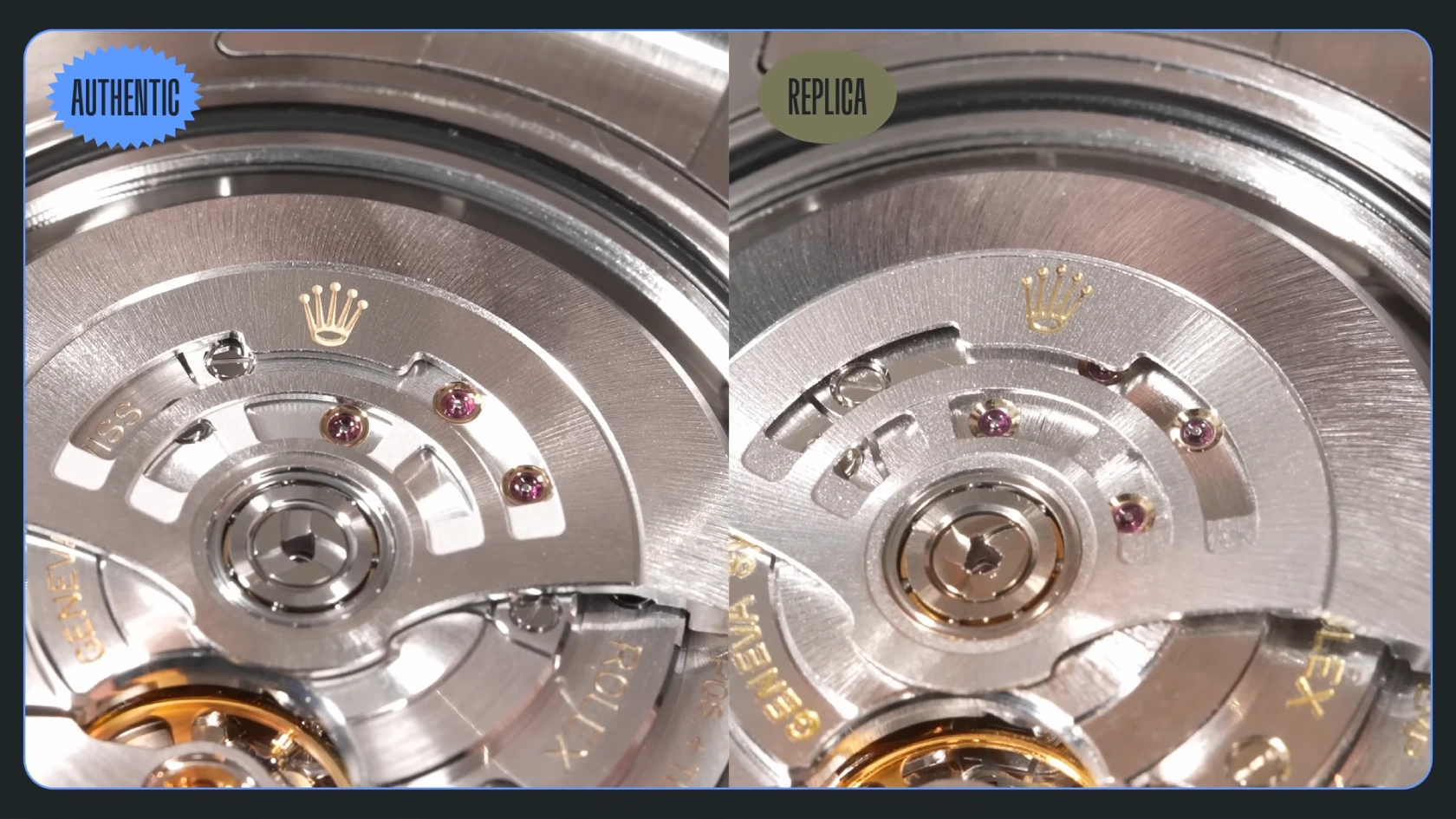
Now, let's get a bit more technical, but don't worry, it's still fun! The movement inside a Rolex is its heart. It's a complex, finely tuned machine. While you can't always see it without opening the watch, the quality of the movement can sometimes be felt in the way the watch operates.
Some Rolex watches have a laser-etched crown on the sapphire crystal. This is tiny and very difficult to see without magnification. It’s a subtle security feature that many fakes miss. It’s like a secret handshake!
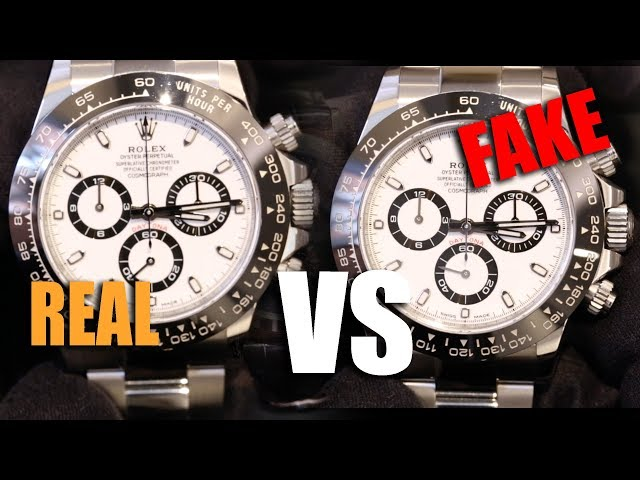
The "ROLEXROLEXROLEX" engraving around the inner bezel (the rehaut) is another tell-tale sign. On genuine watches, this engraving is incredibly precise and perfectly aligned with the hour markers. It’s a small detail, but it separates the real deal from the imitations.
Consider the lume – the glowing material on the hands and hour markers. On a real Rolex, the lume is bright, even, and lasts for a decent amount of time in the dark. Fakes often have weak, patchy, or short-lived lume.
What about the sound? While not always a definitive test, some people say that a genuine Rolex has a distinct, subtle ticking sound, while fakes can be louder or sound more tinny. It's like listening to the difference between a concert piano and a toy keyboard.
It’s important to remember that counterfeiters are getting smarter. They can produce very convincing fakes. That’s why buying from a reputable dealer or authorized Rolex retailer is always the safest bet. They know their stuff!
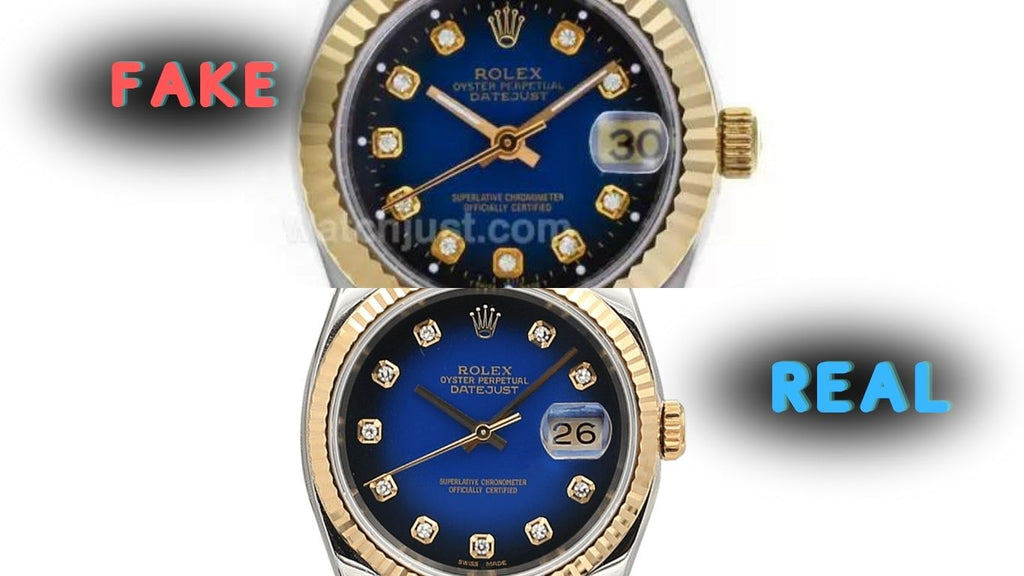
If you’re looking at a pre-owned Rolex, do your homework. Research the specific model you’re interested in. Look at pictures and videos from trusted sources to understand what a genuine one should look and feel like.
The world of Rolex watches is fascinating. It’s a blend of engineering marvels, timeless design, and a touch of aspirational luxury. Learning to spot a fake isn't just about avoiding a bad deal; it’s about appreciating the true artistry and heritage of these incredible timepieces.
So, next time you see a Rolex, whether it's on someone's wrist or in a shop window, take a closer look. See if you can spot some of these little details. It’s a fun way to engage with the brand and understand what makes a real Rolex so special.
It’s like being a watch detective, and the reward is knowing you’re looking at a piece of genuine luxury. It’s an adventure in itself, and who knows, maybe it will inspire you to start your own Rolex journey!