
Rare Native American Effigy Stones

Imagine holding a piece of ancient artistry, a stone carved by hands that walked this land thousands of years ago, not just into a simple shape, but into the likeness of a creature, an animal, or perhaps even a spirit. That’s the magic of Native American effigy stones! These aren't just rocks; they're tiny sculptures, whispers from the past, and a seriously cool way to connect with the rich history of this continent. Think of them like ancient 3D emojis or personalized prehistoric keychains, each one with its own story to tell. They’re fascinating because they offer a tangible link to the beliefs, artistic skills, and daily lives of people who lived here long before any written records we might recognize. It’s like finding a secret code left behind by our ancestors, and trying to crack it is an adventure in itself!
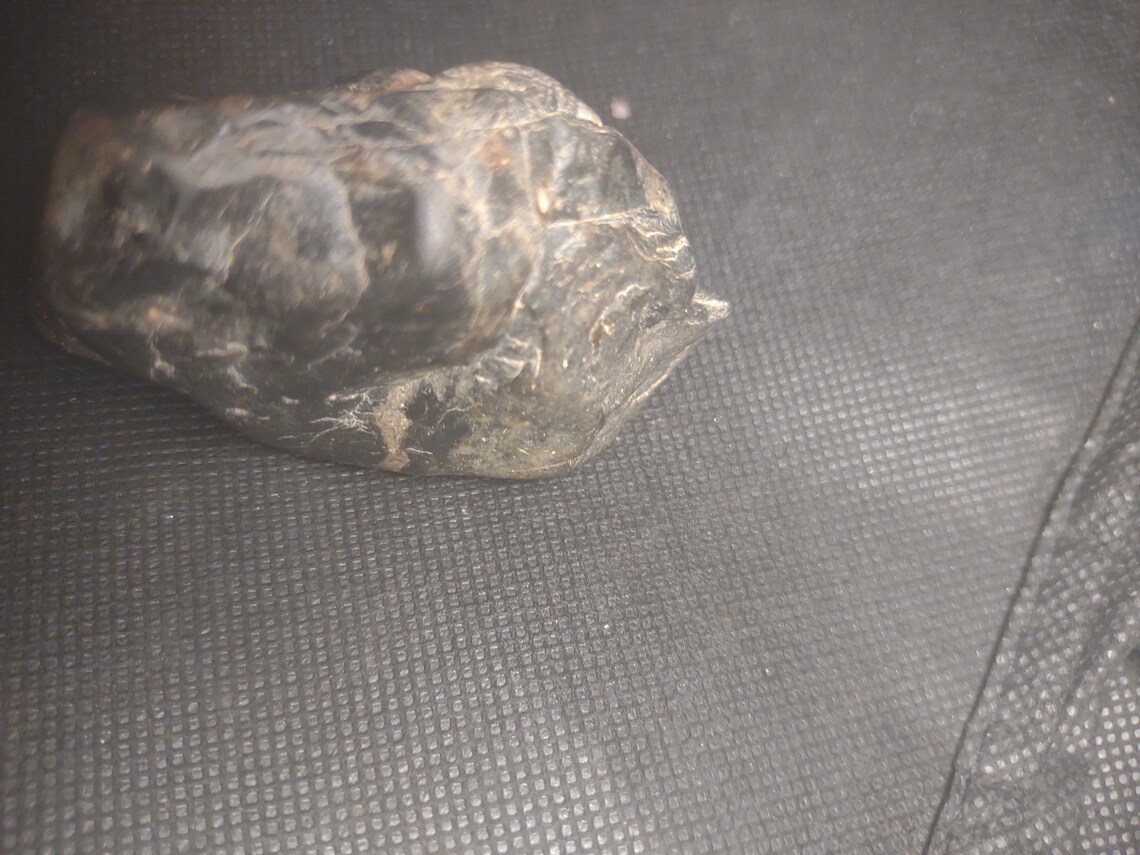
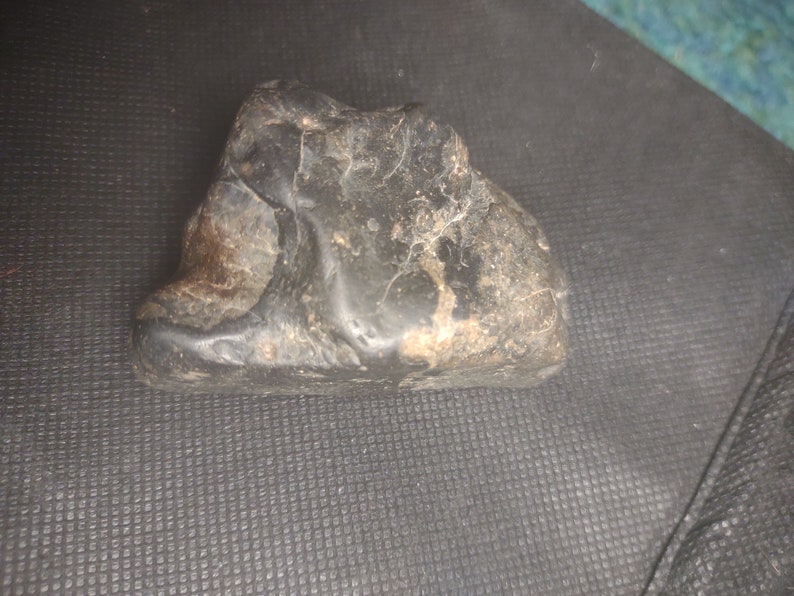
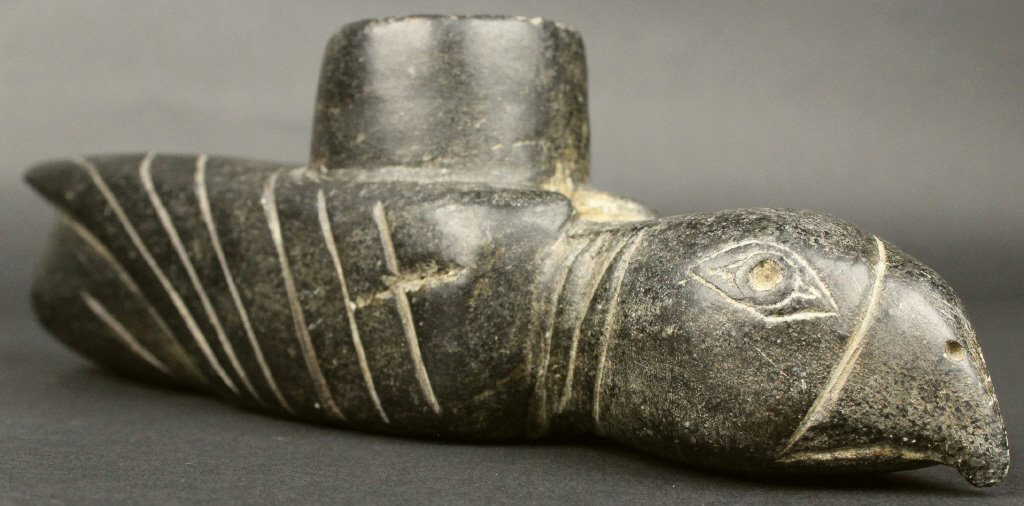
So, what exactly are these mysterious objects? Effigy stones are small, portable stones that have been carefully shaped and carved to resemble animals, birds, humans, or mythical beings. They’re found across various regions of North America, each with its own unique style and common motifs depending on the local cultures and their environments. You might find a perfectly rendered bird effigy in one area, while another region boasts intricate human-like figures. The sheer variety is mind-boggling and speaks volumes about the diverse cultures that created them. These weren't mass-produced; each one was likely a unique creation, possibly holding special significance for its owner or maker.
The Purpose: More Than Just Pretty Pictures
While they are undeniably beautiful and demonstrate incredible craftsmanship, the purpose of these effigy stones goes much deeper than mere decoration. Archaeologists and historians believe they served a variety of important functions within Native American societies. One of the most widely accepted theories is that they were used in ceremonial or spiritual practices. Imagine a shaman using a carved owl effigy during a healing ritual, or a hunter carrying a stone representing a bear for protection or to ensure a successful hunt. They could have been used as offerings, talismans, or even as teaching tools to pass down knowledge about the natural world and its spiritual connections.
Must Read
Another potential purpose was as personal adornments or symbols of status. Just as we might wear a piece of jewelry today to express ourselves or signify our affiliation with a group, these effigy stones could have been worn, carried, or displayed by individuals. A particularly well-crafted or rare effigy might have belonged to a chief or a respected elder, signifying their importance within the community. They could also have been used in games or other forms of recreation, though this is a less common theory.
Furthermore, these stones offer invaluable insights into the understanding of the natural world by the people who created them. The detailed depictions of animals, for instance, show a keen observation of anatomy and behavior. This suggests a deep connection to and respect for the animals that shared their environment. They were not just abstract representations; they were likely imbued with the spirit and essence of the creature they depicted. This connection to the animal kingdom was fundamental to many Native American belief systems, and the effigy stones are a powerful testament to that relationship.
The Benefits: Unlocking Ancient Secrets
The benefits of studying and preserving these effigy stones are enormous, not just for archaeologists, but for all of us. Firstly, they are invaluable historical documents. They provide direct evidence of the artistic capabilities, cultural practices, and belief systems of ancient peoples, often in regions where other forms of historical record are scarce. They help us fill in the gaps in our understanding of pre-Columbian North America.
Secondly, they offer a unique window into the spiritual and cosmological views of these cultures. By analyzing the types of creatures depicted and the ways they are rendered, we can begin to understand what animals and beings were considered significant, and how they were perceived in the spiritual realm. This is crucial for appreciating the depth and complexity of Native American spiritual traditions.
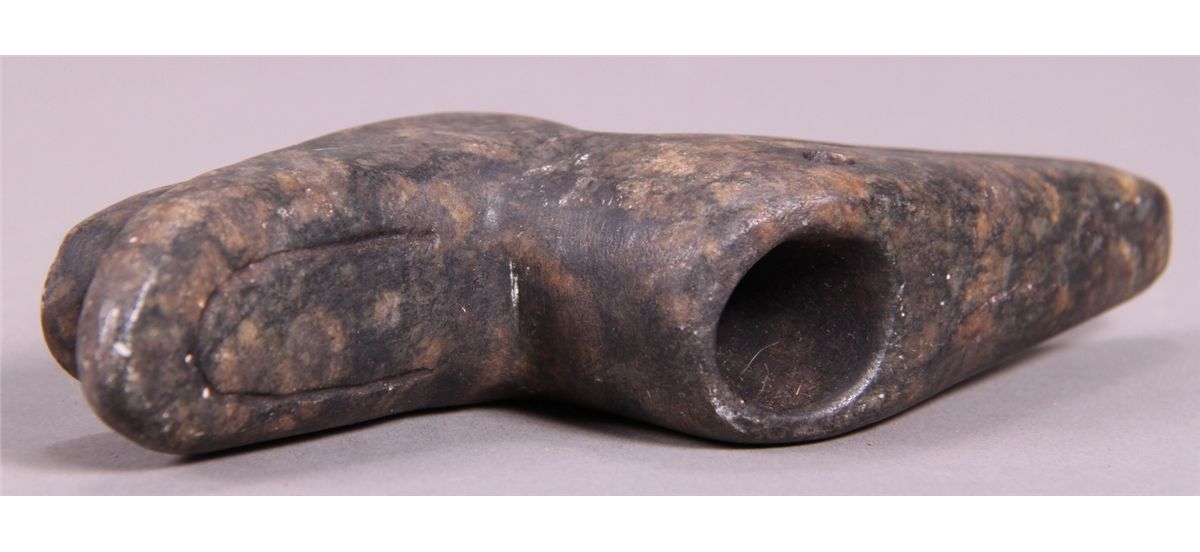
Thirdly, these stones are a testament to the artistic heritage of Native Americans. They showcase incredible skill in carving and attention to detail, demonstrating that these ancient cultures were not simply surviving, but were also creating beautiful and meaningful works of art. They challenge any lingering misconceptions about Native American cultures being solely focused on practicality.
Finally, and perhaps most importantly, the study of effigy stones fosters a deeper appreciation and respect for Native American history and heritage. By engaging with these artifacts, we can move beyond stereotypes and gain a more nuanced and accurate understanding of the diverse and sophisticated societies that thrived on this continent for millennia. They remind us that this land has a rich, complex, and beautiful past, and that its stories are still waiting to be discovered and shared. Think of each stone as a tiny ambassador from a long-gone world, eager to share its secrets.

One particular region known for its remarkable effigy stones is the Ohio River Valley. Here, archaeologists have unearthed thousands of these fascinating objects, including some of the most intricate and well-preserved examples. The cultures that inhabited this area, such as those associated with the Adena and Hopewell traditions, were highly skilled artisans and left behind a legacy of sophisticated earthworks and a wealth of portable art, including these enigmatic effigy stones. The sheer volume and diversity of finds from this area make it a prime location for understanding the prevalence and significance of these artifacts.
The materials used for these effigies also tell a story. They are typically made from relatively soft stones that are easier to carve, such as pipestone (catlinite), soapstone, and certain types of sandstone. The careful selection of these materials, often sourced from specific locations, further emphasizes the deliberate and meaningful nature of their creation. Sometimes, these stones were not just carved but also decorated with pigments, adding another layer of artistic expression and potential symbolic meaning.
When you look at an effigy stone, try to imagine the person who held it. Were they a child playing with a toy? A warrior seeking courage? A spiritual leader communing with the spirit world? The beauty of these objects lies in their ability to spark our imagination and invite us to connect with the human experience across vast stretches of time. They are a reminder that art, spirituality, and the human desire to understand and represent the world around us are timeless and universal.


![Native American Effigy Stone Arrowhead [buffalo]](https://p1.liveauctioneers.com/5755/297638/158348464_1_x.jpg?height=512&quality=70&version=1690847032)