Pain On The Ulnar Side Of Wrist

Hey there! So, you’ve been feeling a little oof on the pinky side of your wrist, huh? That little ache that sometimes feels like a tiny gremlin is tap-dancing on your ulna bone? Yeah, I’ve been there, and let me tell you, it’s no fun. It’s like your wrist is trying to tell you something, and it’s not exactly a happy ballad. More like a slightly off-key kazoo solo.
Don't worry, though! We're going to dive into this whole "pain on the ulnar side of the wrist" thing together. Think of me as your friendly neighborhood wrist whisperer, armed with knowledge and a serious appreciation for a pain-free handshake. We’ll break it down, keep it simple, and hopefully, by the end, you’ll be feeling a whole lot more informed and a lot less ouchy.
What's Up With That Pinky Side Pain?
So, what exactly is this "ulnar side" we keep talking about? Easy peasy! It’s the part of your wrist that’s on the same side as your pinky finger. You know, the side that gets all the glory when you’re giving a thumbs-up… wait, no, that’s the other side. This is the side that’s underneath your pinky when your palm is facing up. Got it? Good! We’re already halfway there.
Must Read
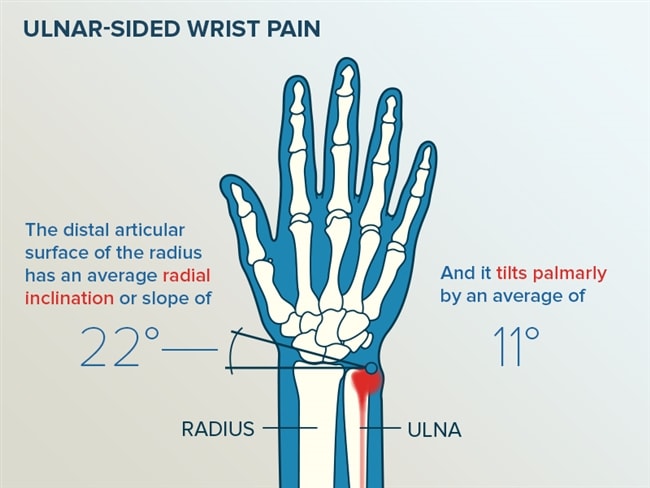
This little area is a busy hub. It’s got bones, tendons, ligaments, nerves – all sorts of tiny workers doing their thing. And when one of those workers decides to go on strike, or maybe just gets a little jammed up, that’s when you start feeling that tell-tale ache. It’s like a traffic jam in your wrist, and nobody likes a traffic jam, especially when it’s in your own body.
Common Culprits: The Usual Suspects
Alright, let’s get down to business and talk about why your wrist might be sending you these little SOS signals. There are a few common troublemakers that like to hang out in this area. Think of them as the usual suspects in our wrist mystery.
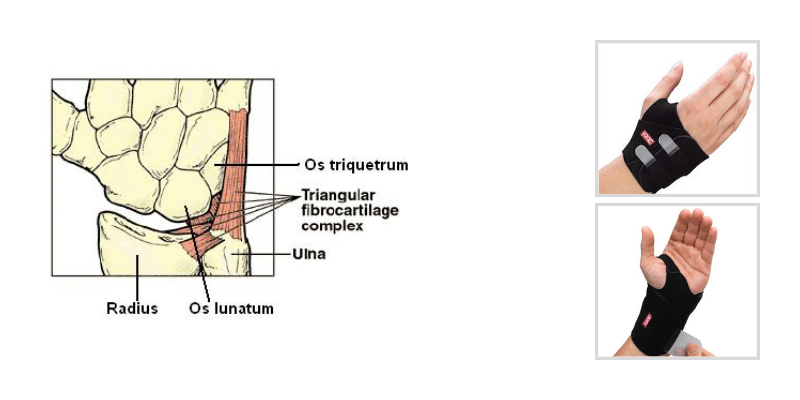
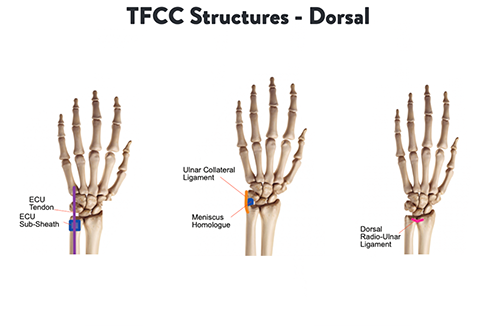
One of the most frequent offenders is TFCC tears. Now, that’s a mouthful, isn’t it? TFCC stands for the Triangular Fibrocartilage Complex. Fancy name, right? Basically, it’s a little disc-shaped piece of cartilage and ligaments that sits right there on your ulnar side, acting like a shock absorber and a stabilizer for your wrist. It’s like the tiny, unsung hero of your wrist’s intricate dance.
When you overuse your wrist, do something sudden and forceful, or even just experience wear and tear over time, this little guy can get injured. It can be a small tear, or, you know, a slightly less small tear. Symptoms can include pain, clicking, catching, and sometimes even a feeling of instability. It’s like the shock absorber in your car finally giving out – you definitely feel the bumps.
Another popular player in the pain game is tendinitis. This is when your tendons, which are like the tough ropes connecting your muscles to your bones, get inflamed and irritated. Imagine those ropes rubbing against each other a little too much. Ouch!

On the ulnar side, you might be looking at tendinitis of the extensor carpi ulnaris (ECU) tendon. This tendon helps you extend your wrist backward and to the side. If you’re doing a lot of repetitive motions that involve this, like using a mouse all day (your computer mouse, not the rodent kind, though those can be surprisingly stressful too!) or playing certain sports, this tendon can get grumpy. Think of it as your tendon saying, "Enough is enough, I need a vacation!"
Then there’s ganglion cysts. These are little lumps that can form on your wrist, and sometimes they pop up right on that ulnar side. They’re filled with a jelly-like fluid and can be as painless as a sleeping kitten or as bothersome as a mosquito at a picnic. Sometimes, if they’re pressing on a nerve, they can cause pain and tingling. They’re like tiny, unwanted party guests who refuse to leave.
And we can't forget about nerve compression. Your ulnar nerve, the one that gives you that funny bone tingle when you hit it (and yes, it runs through your wrist too!), can sometimes get squeezed. This can happen due to inflammation, a cyst, or even just swelling in the area. When a nerve is pinched, it can send out pain signals, tingling, and numbness. It's like a very important phone line getting crossed – messages get garbled and unpleasant.
When Did This Start? A Little Detective Work
To figure out what’s going on, it’s super helpful to play detective and think about when this pain started and what you were doing around that time. Did you suddenly decide to become a competitive thumb wrestler? Did you take up a new hobby that involves a lot of wrist wiggling? Or has it been a slow, creeping ache that’s been building over time?
Sometimes, a specific event can trigger the pain. You know, that one awkward fall, that awkward lift, or that moment you thought you could totally open that stubborn jar with just your wrist strength (spoiler alert: you probably couldn't). If you can pinpoint a specific incident, it’s a big clue for your doctor.
Other times, it's more about repetition. Think about your daily routine. Are you typing for hours on end? Are you spending a lot of time with your wrist in an awkward position, perhaps while scrolling through endless cat videos on your phone? Our bodies are amazing, but they can get a bit worn down by too much of a good thing, or even just a lot of the same thing. It’s like a loyal soldier who’s been on too many patrols.
What to Do When Your Wrist is Giving You the Cold Shoulder
Okay, so you’ve got this pain. What’s the game plan? First things first, don’t ignore it. Your body is usually pretty good at letting you know when something’s up. Trying to power through it can sometimes make things worse. It’s like trying to ignore a squeaky door – it just gets louder and more annoying!
For immediate relief, rest is your new best friend. Try to avoid activities that aggravate your wrist. This might mean taking a break from your favorite video game, switching hands for your mouse, or finding alternative ways to do those repetitive tasks. It’s not a punishment, it’s a spa day for your wrist!
Applying ice can also be a lifesaver. Wrap an ice pack in a thin towel and apply it to the painful area for about 15-20 minutes a few times a day. This can help reduce inflammation and numb the pain. Just be careful not to put ice directly on your skin, unless you want a frozen wrist, which is probably not the kind of "cool" you're going for.
Over-the-counter pain relievers like ibuprofen or naproxen can also help manage pain and inflammation. Just be sure to follow the dosage instructions and check with your doctor if you have any underlying health conditions or are taking other medications. We don't want any unwanted drug interactions, like your stomach deciding to start a protest.
A wrist brace or splint can provide support and limit your wrist’s movement, giving those injured tissues a chance to heal. There are different types, so your doctor or a physical therapist can help you find one that’s right for you. It’s like giving your wrist a little comforting hug.
When to Call in the Cavalry: Seeing a Doctor
Now, while these home remedies can be great for mild aches, there are times when you definitely need to call in the professionals. If your pain is severe, doesn’t improve with rest, or if you notice any of the following, it’s time to book an appointment with your doctor:
- Sudden or severe pain
- Inability to move your wrist
- Obvious deformity of the wrist
- Numbness or tingling that doesn’t go away
- Swelling that is rapidly increasing
- Signs of infection, like redness, warmth, or fever
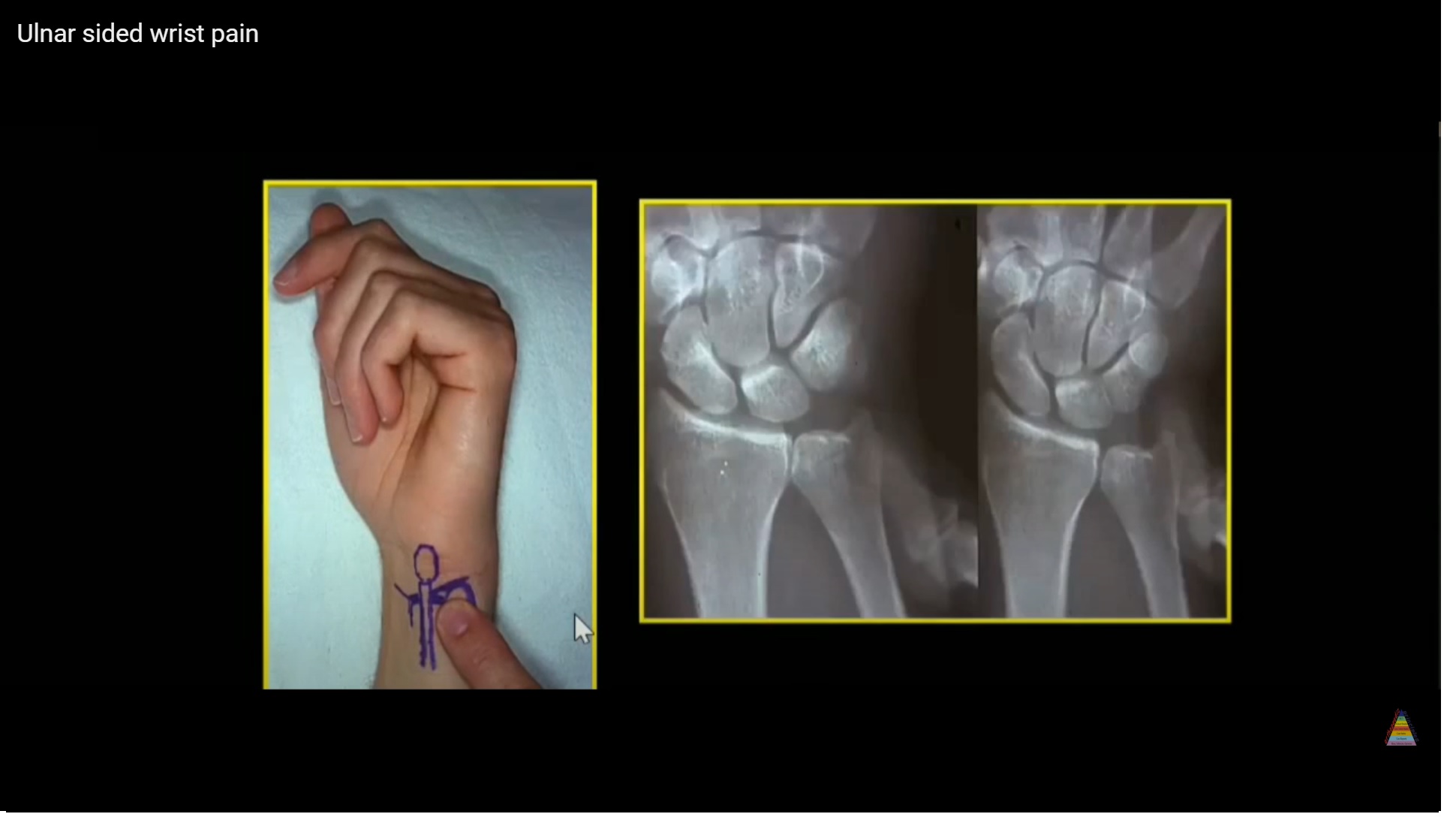
Your doctor will likely ask you about your symptoms, medical history, and perform a physical examination. They might also order imaging tests like X-rays, an MRI, or an ultrasound to get a clearer picture of what’s going on. It’s like a super-powered detective who can see inside your wrist!
Depending on the diagnosis, your doctor might recommend further treatments like physical therapy. A physical therapist is a superhero for your musculoskeletal system! They can guide you through specific exercises to strengthen your wrist, improve flexibility, and teach you techniques to prevent future injuries. They’ll help you regain your wrist’s superpowers.
In some cases, if conservative treatments aren’t enough, injections (like corticosteroids) or even surgery might be considered. But don’t let those words scare you! These are usually reserved for more complex or persistent issues, and your doctor will discuss all the options with you thoroughly. It’s always about finding the best path forward for you.
Preventing Future Wrist Woes: Be a Wrist Warrior!
Once you’re feeling better, or even if you’re just trying to keep your wrists happy and healthy, there are some proactive steps you can take. Think of yourself as a wrist warrior, ready to defend against future aches!
Ergonomics is key! Make sure your workspace is set up properly. Your wrists should be in a neutral position when you’re typing or using a mouse. Consider ergonomic keyboards, mousepads with wrist rests, and even adjusting your chair height. It’s like giving your workspace a little makeover to be wrist-friendly.
Warm up before strenuous activities and cool down afterward. This applies to sports, hobbies, or even just a long day of heavy lifting. A few minutes of gentle stretching can go a long way. Think of it as prepping your engine before a long drive.
Listen to your body! This is probably the most important tip. If you start feeling a twinge, don’t ignore it. Take a break, stretch, and reassess what you’re doing. It’s better to nip it in the bud than to deal with a full-blown wrist rebellion.
Strengthen your wrists and forearms with regular exercises. This can help improve their resilience. Think of building a strong foundation for your wrist house. But again, talk to a doctor or physical therapist before starting any new exercise program to make sure you’re doing it safely and effectively.
Take breaks! If you’re doing repetitive tasks, set a timer and remind yourself to stand up, stretch, and move around every 30-60 minutes. It’s a little interruption that can make a big difference in the long run. Your wrists will thank you!
The Uplifting Wrap-Up
So, there you have it! A friendly chat about that sometimes-pesky pain on the ulnar side of your wrist. While it can be annoying, and sometimes a bit worrying, remember that most of the time, it’s something that can be managed and healed with the right approach. You’re not alone in this wrist journey, and there are plenty of resources and experts who can help you get back to feeling like your awesome, pain-free self.
Think of this as a temporary detour, not a dead end. Your wrists are incredibly resilient, and with a little care, attention, and maybe a few less competitive thumb wrestling matches, they can get back to their strong, capable selves. So, take a deep breath, be kind to your wrist, and know that brighter, more pain-free days are definitely ahead. Go forth and… well, do whatever you do with your hands, but do it with a happy wrist! You’ve got this!