Objectives On A Microscope
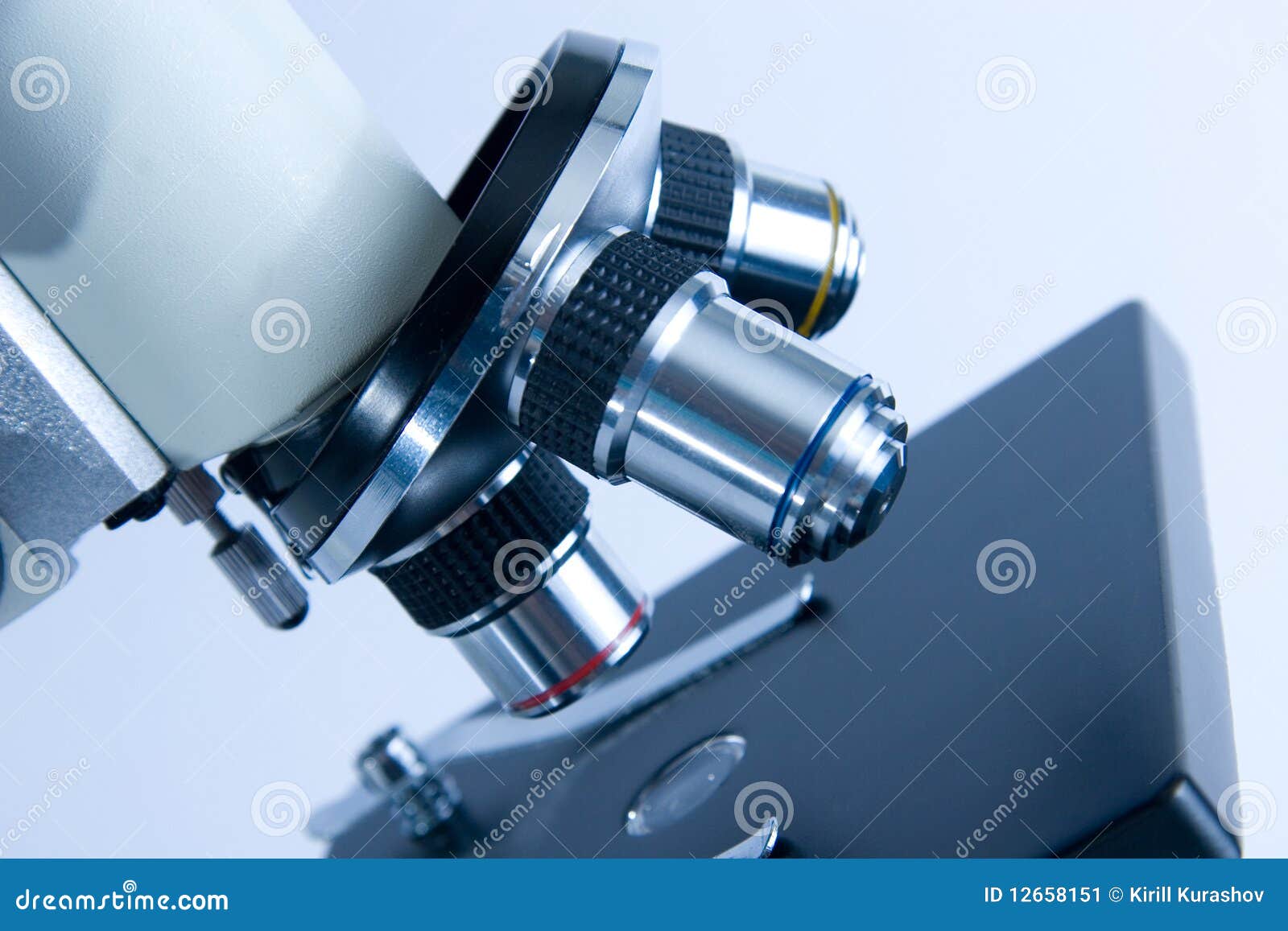
So, you’ve got this fancy microscope, right? It’s sitting there, looking all sciency and important. You’ve probably peered at a dust bunny that suddenly looks like a woolly mammoth and maybe a stray hair that seems like a rogue alien antenna. But have you ever stopped to think about the little doodads on the side, the ones that look like tiny metal mushrooms or maybe even miniature tuning forks? Yeah, those are the objectives, and they’re basically the microscope’s eyeballs. Without them, your expensive piece of glass is about as useful as a chocolate teapot in a heatwave.
Think of it like this: you want to take a selfie, but your phone only has one camera lens, and it's stuck at a weird, blurry distance. Not ideal, right? You want options! You want to zoom in on your zit with terrifying clarity or capture the majestic landscape in all its glory. The objectives on a microscope are your zoom lenses, your wide-angle lenses, your super-duper-macro lenses, all rolled into one, ready to tackle whatever microscopic mystery you throw at them. They’re the gatekeepers of the tiny world, determining how much detail you can actually, you know, see.
Now, these aren't just generic magnifying glasses. Oh no. Each objective has a specific job, a secret mission to reveal a different level of the unseen universe. They’re like a team of highly specialized spies, each with their own gadget and their own preferred level of stealth. And the coolest part? You get to switch between them like a mad scientist flipping switches on a doomsday device, but, you know, for science. Much less paperwork that way.
Must Read
The Low-Down on Magnification: More Than Just "Bigger"
The most obvious thing about objectives is their magnification power. You’ll see numbers on them, like 4x, 10x, 40x, and sometimes a whopping 100x. This number, my friends, tells you how many times bigger the object will appear than it is in real life. So, a 4x objective is like a gentle nudge into the microscopic realm. You’re not going to see individual bacteria doing the tango, but you might get a decent look at a tiny insect’s leg or a fluffy bit of mold that looks suspiciously like a tiny, fuzzy alien spaceship.
Then you’ve got your 10x. This is your workhorse, your everyday hero. It’s where things start getting interesting. You can see the intricate patterns on a butterfly’s wing (assuming you managed to get one safely into a slide, which, let's be honest, is a Herculean feat in itself), or the vibrant colors in a drop of pond water. It’s like upgrading from a blurry phone photo to a decent digital camera shot. Suddenly, the world isn’t just bigger, it’s… detailed.

The 40x? Now we're talking! This is where the serious detective work begins. You can start to make out the individual cells in a plant leaf, or the tiny, wriggling creatures that inhabit that drop of pond water. It’s like putting on a pair of super-powered reading glasses, but for the microscopic. Suddenly, that fuzzy alien spaceship mold? You can probably count its little fuzzy tentacles. You might even start to wonder if it’s secretly plotting world domination.
The Unsung Hero: The 100x Objective (and Why You Might Need Oil)
And then, there’s the 100x objective. This is the black belt of magnification, the apex predator of the objective world. With this bad boy, you’re diving deep into the cellular jungle. You’re seeing individual bacteria, maybe even some of their internal structures if you’re lucky and have a really good microscope. It’s like going from a regular TV to IMAX, but for microscopic life. You can practically feel the tiny organisms breathing (or, you know, metabolizing).
But here’s the catch, the secret handshake of the advanced microscopist: the 100x objective usually requires immersion oil. Yes, oil. Not your salad dressing, and definitely not that bottle of olive oil you use for everything. This is special optical immersion oil, and it’s designed to do something super clever. Light, when it passes from glass (like your slide) into air, bends and scatters, kind of like a poorly thrown frisbee.
This bending and scattering makes it harder for the objective lens to collect all the light information. It’s like trying to read a book through a rippling puddle. But when you put a tiny drop of immersion oil between the slide and the 100x objective, it acts as a bridge. It has a similar refractive index to glass, meaning it bends light in a similar way. This allows much more light to travel directly into the lens, resulting in a sharper, brighter, and much more detailed image. It’s like giving your microscope a super-clear, invisible contact lens. Without it, your 100x objective is about as effective as a one-eyed pirate trying to spot a submarine in a fog bank.

The Numerical Aperture: The Real Powerhouse
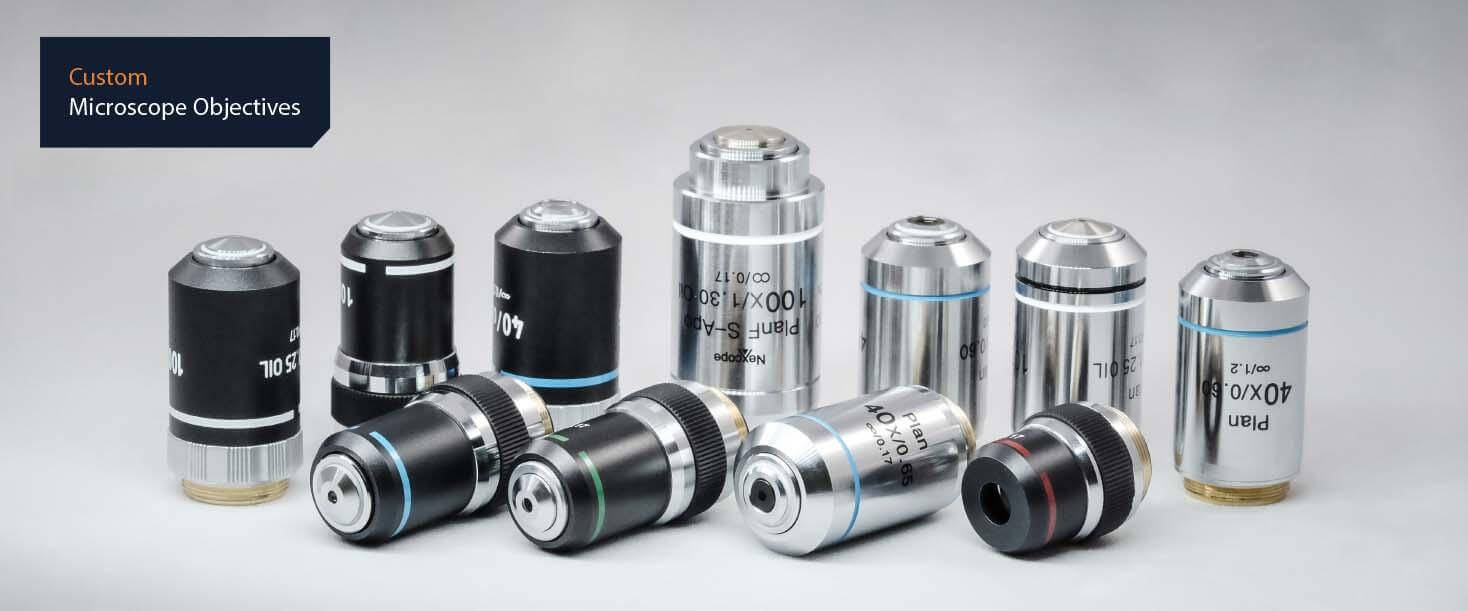
Beyond magnification, there’s another crucial number on an objective: the Numerical Aperture (NA). You’ll see it etched right there, often next to the magnification. This number is the real unsung hero, the quiet genius behind the clarity. Think of NA as the objective's ability to gather light and resolve fine detail. A higher NA means it can capture more light and distinguish between two points that are very close together. It’s like the difference between a camera with a tiny sensor and one with a massive, professional-grade sensor – more detail, better performance in low light, the whole nine yards.
A higher NA is usually paired with higher magnification, but it's not just about getting things bigger; it's about getting them clearer. An objective with a high NA can show you the tiny grooves on a diatom’s shell, or the subtle nuances of a blood cell. It’s the difference between seeing a blurry blob and seeing a perfectly formed, miniature masterpiece. So, while magnification makes things look big, the NA makes them look good.
Different Types of Objectives: Not All Heroes Wear Capes (or Cylinders)
You might also notice that objectives come in different shapes and sizes. The most common are what we call achromatic objectives. These are pretty good, correcting for a couple of different colors of light. Then you get into the fancier stuff: apochromatic objectives. These are the Ferraris of the objective world, correcting for virtually all the colors of light. They give you the most vibrant and true-to-life colors, which is super important if you're looking at stained biological samples or trying to differentiate between subtly colored microscopic structures. They’re like the difference between a regular pizza and a gourmet, truffle-infused, unicorn-tear-drizzled pizza – both are pizza, but one is an experience.
And then there are plan objectives. These are designed to give you a flat field of view. This means that the edges of your image are just as sharp and in focus as the center. Without a plan objective, you might get a nice sharp image in the middle, but the edges would look all blurry and distorted, like you’re looking through a fisheye lens. So, if you want your microscopic world to be sharp from corner to corner, you’ll want yourself some plan objectives. They’re the unsung heroes of edge-to-edge clarity, ensuring no microscopic detail is left in the blurry abyss.
So, next time you’re gazing into the miniature abyss, remember those little objectives. They’re not just pieces of metal; they’re your ticket to a universe of wonder. They’re the key to unlocking the secrets of the tiny, the builders of bridges to the unseen, and the ultimate arbiters of what you can and cannot perceive in the incredible world of microscopy. Go forth, and magnify wisely!