Ever wonder what tiny worlds are hiding just beyond our sight? From the intricate patterns on a butterfly's wing to the bustling activity of microscopic organisms, there's a universe of wonder waiting to be discovered. And the key to unlocking this hidden realm? The humble yet mighty objective lens microscope! It might sound a bit technical, but trust us, this is where the magic truly happens. Forget dusty textbooks; with an objective lens microscope, you're not just learning about science, you're diving headfirst into a visual adventure that's both incredibly fun and surprisingly useful for people of all ages and backgrounds.
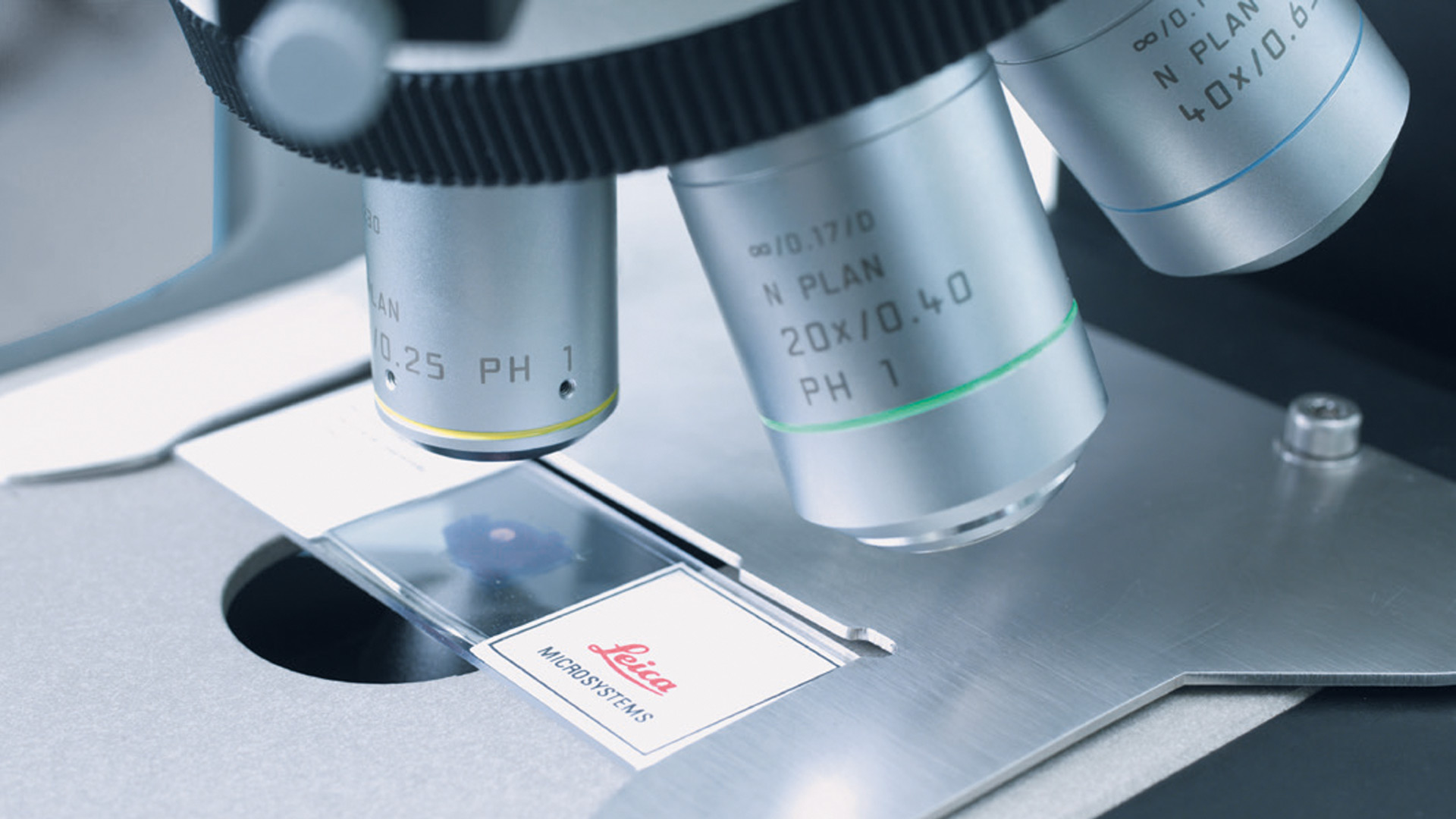
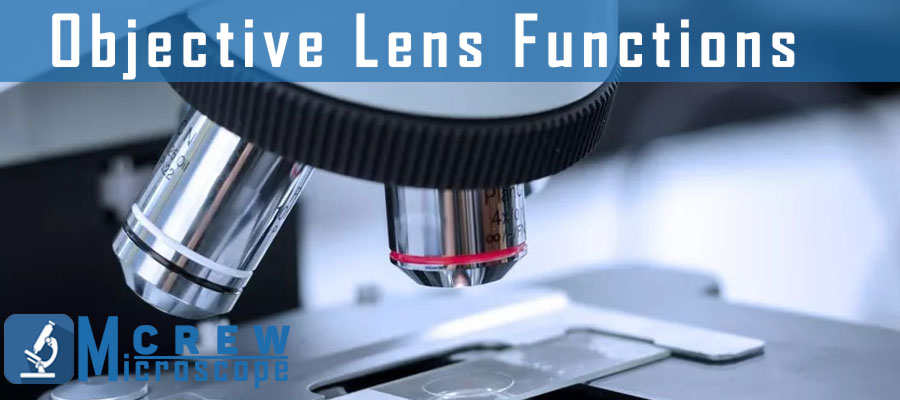
Think of an objective lens as the primary gatekeeper to the microscopic world. It's the lens closest to the specimen you're observing, and its job is absolutely crucial. Without a good objective lens, even the most sophisticated microscope is just a fancy tube. But with a quality objective, suddenly, what was once invisible becomes astonishingly clear, detailed, and vibrant. It’s like upgrading from fuzzy black-and-white TV to a crystal-clear 4K display, but for the tiniest things imaginable!
What Exactly Does This Little Lens Do?
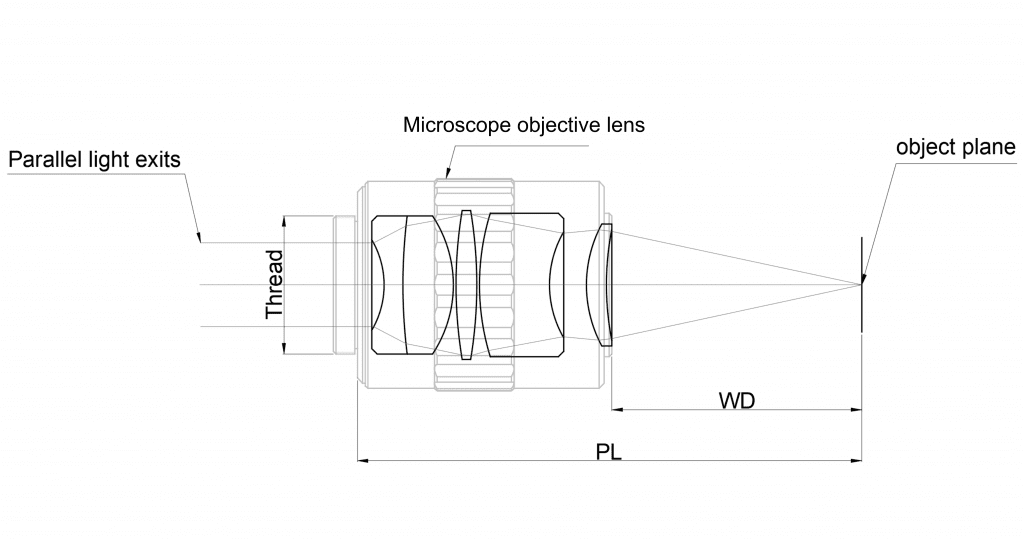
At its core, the objective lens is responsible for the initial magnification of your specimen. Light passes through the sample, then through the objective lens, which gathers that light and creates a magnified, inverted image. This image is then further magnified by the eyepiece (the lens you look through), but the quality and detail of that initial image from the objective lens are paramount. It's the foundation upon which all further magnification is built. The better the objective, the sharper and more detailed that first magnified glimpse will be.
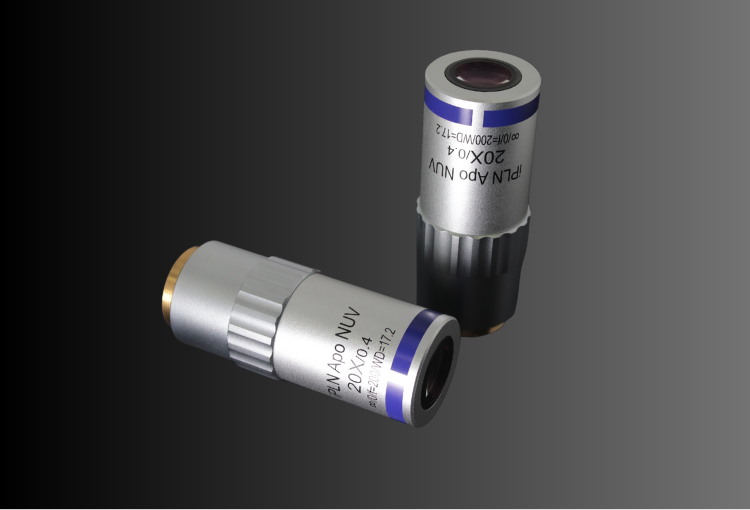
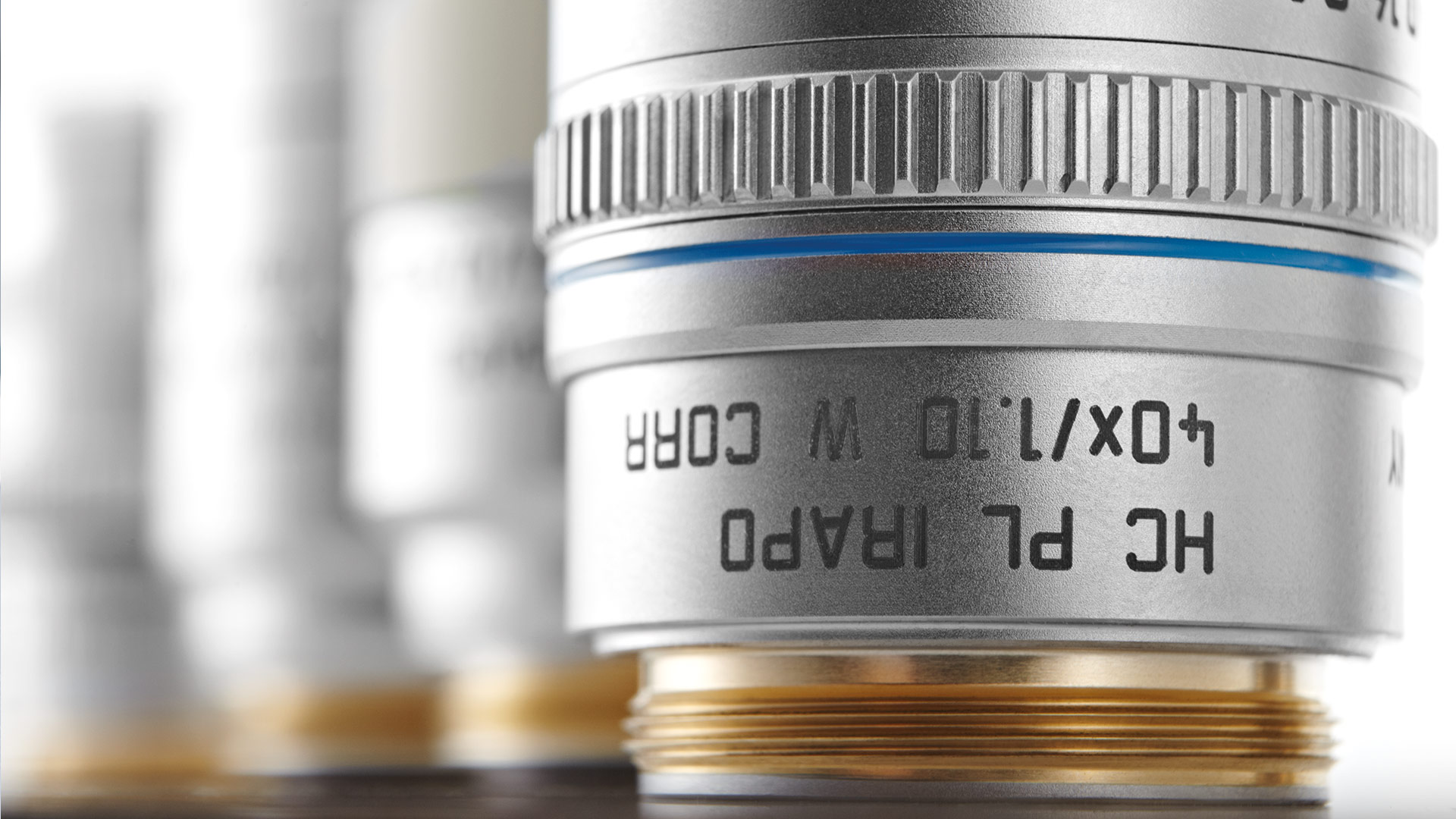
There are generally a few different types of objective lenses you'll encounter, each with its own strengths. You'll often see them described by their magnification power (like 4x, 10x, 40x, or even 100x!) and their numerical aperture (NA). While the magnification number tells you how much bigger things appear, the numerical aperture is a more advanced measure of the lens's ability to gather light and resolve fine detail. A higher NA generally means a brighter and sharper image with better contrast, allowing you to see finer structures within your sample.
Imagine trying to read a book in a dimly lit room – you might be able to make out the shapes of the letters, but the finer details, like the serifs and the subtle curves, would be lost. A good objective lens is like turning up the lights, revealing all those exquisite details you wouldn't have noticed otherwise!
This ability to reveal hidden details is where the usefulness of objective lens microscopes truly shines. For students, it transforms abstract biological concepts into tangible, observable realities. Seeing the distinct cells in a leaf, the complex structure of a pollen grain, or even the beating heart of a paramecium brings textbooks to life in an unforgettable way. It fosters a deeper understanding and a genuine curiosity for the natural world.
But it's not just for academics! Hobbyists can explore everything from the geology of their rock collection, examining crystal formations and mineral structures, to entomology, marveling at the delicate scales on insect wings or the intricate anatomy of a flea (don't worry, they're much more interesting under magnification!). Even artists and crafters can find inspiration by observing textures, patterns, and colors at a microscopic level, leading to unique creative endeavors.
Microscope Objective Lens
Why Are They So Popular?
The popularity of objective lens microscopes stems from their ability to democratize discovery. Suddenly, you don't need to be a professional scientist in a high-tech lab to explore the microscopic. Affordable and user-friendly models are readily available, putting the power of observation into the hands of anyone with a curious mind. This accessibility is a game-changer, fostering a sense of wonder and encouraging a lifelong love of learning.
Furthermore, the visual aspect is incredibly engaging. We are inherently visual creatures, and seeing something so utterly foreign yet undeniably real is a powerful experience. It sparks questions: What is this? How does it work? Are there more things like this? This cascade of curiosity is the engine of scientific progress and personal growth.
Microscope Objective Lens
When you look through a microscope with a good objective lens, you're not just looking at something small; you're looking at a whole new dimension of reality. You're seeing the building blocks of life, the intricate engineering of nature, and the often-overlooked beauty that surrounds us. The versatility of objective lenses, from low-power explorers to high-power detail discoverers, means there’s a lens for every question you might have about the miniature universe.
So, whether you're a budding scientist, a curious hobbyist, or simply someone who enjoys marveling at the complexity of the world, an objective lens microscope is your ticket to a fascinating journey. It’s a tool that promises not just magnification, but a profound shift in perspective, revealing a universe of wonder that’s been right under your nose all along. Get ready to be amazed by the unseen!