Mould On Car Seats

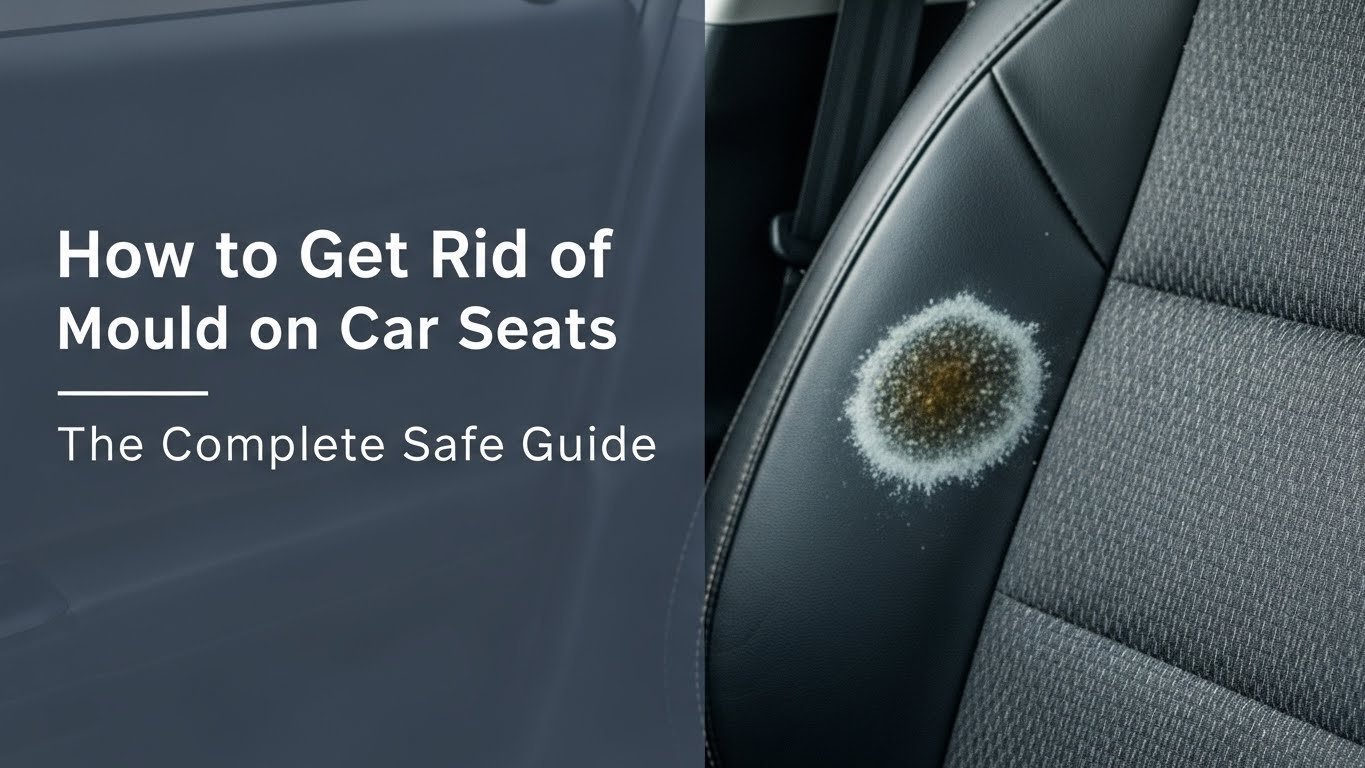
Ever noticed those fuzzy, greenish or blackish splotches appearing on your car seats, especially after a humid spell or a period of neglect? It's easy to dismiss mould as just another unsightly mess, but understanding it can actually be quite fascinating and surprisingly practical. Think of it like this: we share our world with an incredible diversity of life, and mould is just one tiny, often overlooked, part of that microscopic ecosystem. Learning about it isn't just about keeping your car clean; it's about appreciating the unseen forces at play all around us, even in the most mundane places.
So, what exactly is mould and why is it relevant to our car seats? Mould, you see, is a type of fungus. Its primary purpose in the grand scheme of things is decomposition. Moulds are nature's little recyclers, breaking down organic matter like dead plants, wood, and, yes, fabric and leather. On your car seats, it's a sign that there's moisture and organic material (like skin cells, food crumbs, or spilled drinks) that the mould finds quite appealing. The benefit of understanding this is pretty straightforward: prevention and removal. Knowing what causes mould allows you to take steps to avoid it in the first place, saving you time, money, and the unpleasantness of dealing with a mouldy interior.
While we might not be conducting formal science experiments on our car seats, the principles of mould are applied everywhere. In education, understanding mould is part of learning about biology, mycology (the study of fungi), and even public health. Think about how we teach children about hygiene and the importance of keeping things dry to prevent mould growth in bathrooms or kitchens. In daily life, this knowledge translates to recognizing that a damp gym bag left in the car is a breeding ground, or that leaving windows open during heavy rain can lead to dampness. It’s about being a bit more mindful of our environment and the conditions that allow certain organisms to thrive.
Must Read
Exploring mould on your car seats doesn't require a microscope or a lab coat. It's more about observation and gentle intervention. The first practical tip is simple: keep it dry. After a rainy drive, or if you've spilled something, make sure to dry the affected area thoroughly. Leaving windows cracked on a dry day can help with ventilation. You can also try placing a desiccant, like silica gel packets (often found in new shoe boxes), in your car to absorb excess moisture. If you do spot mould, the simplest way to explore its removal is with a mild solution of water and white vinegar. Mix equal parts, dab it onto a cloth (never directly onto the seat), and gently wipe the affected area. For more stubborn cases, a dedicated automotive upholstery cleaner designed for mould and mildew might be necessary. Always test in an inconspicuous area first! It’s a small step, but understanding and addressing mould on your car seats is a little victory in maintaining a comfortable and healthy space.