Minimum Wage Uk Yearly
Alright, settle in with your cuppa, because we're about to dive headfirst into the glorious, and sometimes slightly baffling, world of the UK's minimum wage. No, this isn't going to be your typical, snooze-fest lecture. Think of it more as a chat down the pub, but with slightly more emphasis on numbers that actually matter to your wallet. We're talking about the National Living Wage and its younger siblings, the National Minimum Wage rates. It’s like a wage hierarchy, but instead of fancy titles, everyone gets a slightly different bottom line. So, grab another biscuit, because this might get interesting!
Now, first things first, let’s clear up a common misconception. For ages, it was just the “minimum wage.” Then, someone in a suit probably had a lightbulb moment and thought, "Hang on a minute, if you're actually, you know, living and not just surviving on instant noodles and hopes and dreams, you should probably get paid a bit more, right?" And thus, the National Living Wage was born. It’s basically the older, wiser, slightly better-paid cousin of the National Minimum Wage. Crucially, it applies to workers aged 23 and over. Anyone younger, well, they get the National Minimum Wage, which, let's be honest, still sounds like a pretty decent deal when you consider the alternative could be bartering your grandmother's teacups for a loaf of bread.
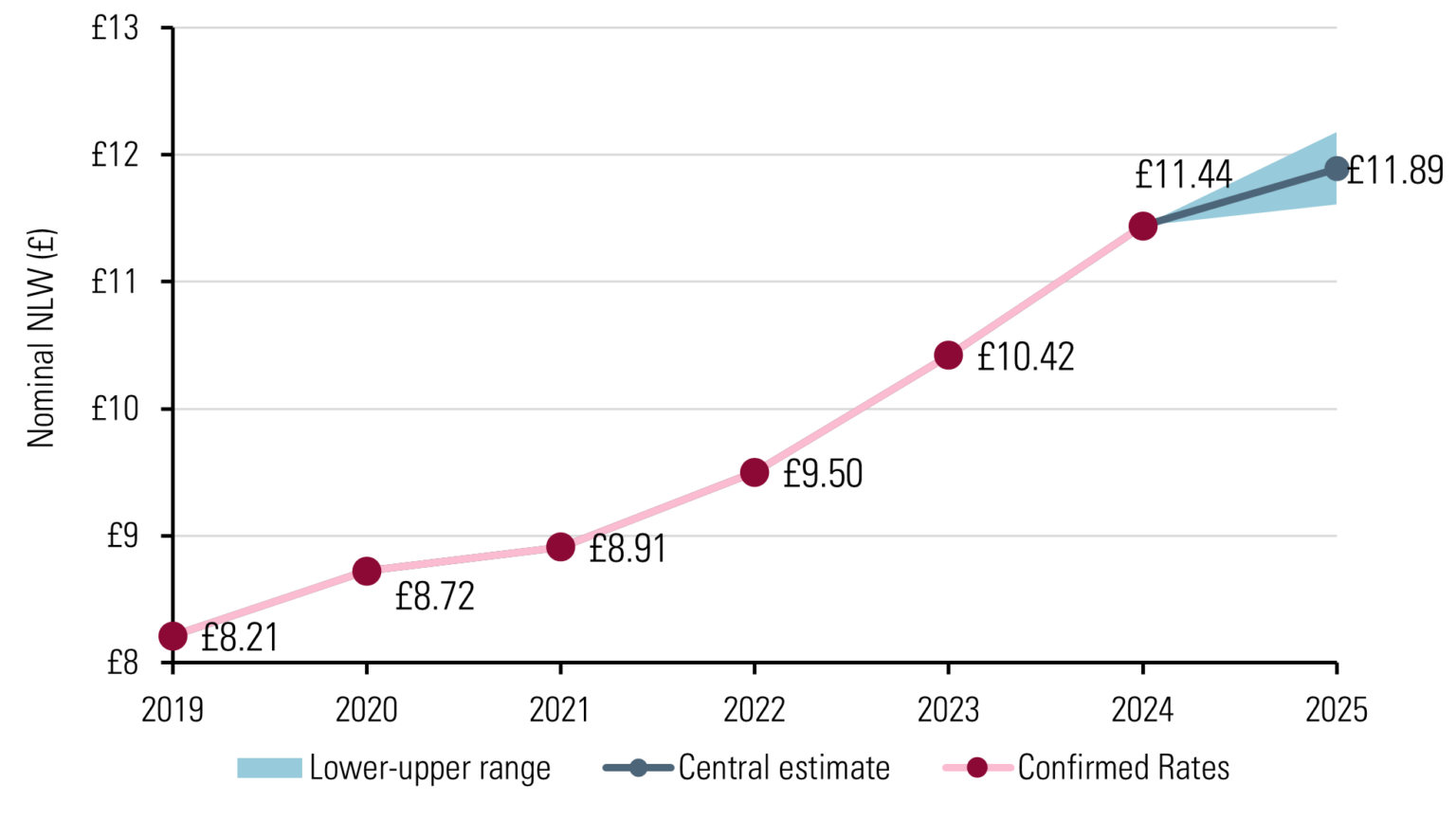
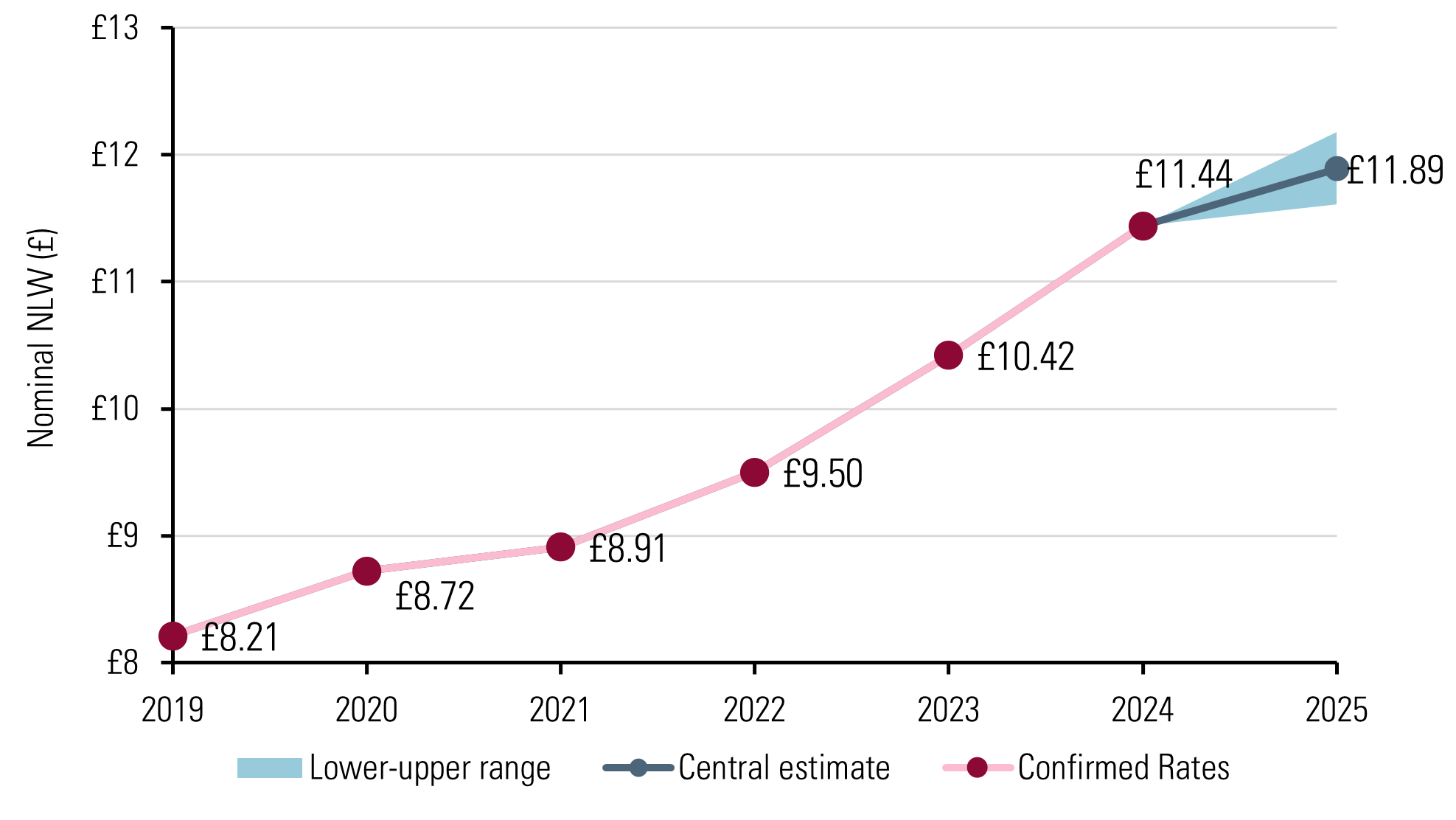
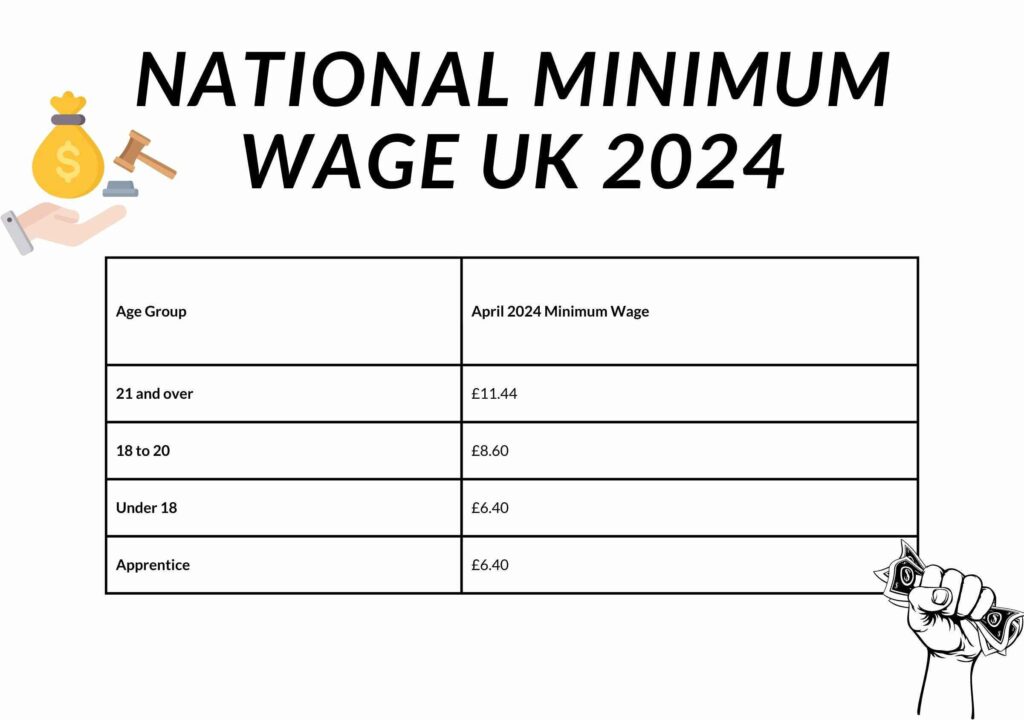
So, what are we talking about in terms of cold, hard cash? For the most recent financial year, the big one, the National Living Wage for those 23 and over, is a rather respectable £10.42 per hour. Let that sink in. If you’re working a full 40-hour week, that’s a whopping £21,673.60 a year before taxes. Imagine! That’s enough for, dare I say it, a second cup of coffee a day! Or maybe even, gasp, a spontaneous weekend trip to see your Aunt Mildred who makes those questionable sausage rolls. The possibilities are, well, slightly more numerous.
Must Read
Now, for the youngsters. The National Minimum Wage has different tiers, like a tiered cake at a particularly fancy wedding. For those aged 21-22, the rate is £10.18 per hour. Close, but not quite the same dazzling heights. Then, for the 18-20 year olds, it’s £7.49 per hour. And for the apprentices, bless their eager souls, it’s a slightly different structure, usually starting at £5.28 per hour for the first year of their apprenticeship or if they’re under 19. It’s a bit like a video game, where you start at level one and work your way up. Except, you know, it's about paying your rent.
Let’s do some mental gymnastics, shall we? If someone on the full National Living Wage works a standard 37.5-hour week, that’s roughly £20,319 a year. Still not bad, right? Enough to keep the lights on and perhaps even afford that fancy cheese you usually just gaze at longingly in the supermarket. It’s the little victories, people!

The actual figures, the ones that make your eyes water (in a good way, mostly), are set by the government each year. They’re usually announced in the autumn and then come into effect in April. Think of it as a yearly financial makeover for the nation’s workers. It’s a bit like a New Year’s resolution, but for your bank account. And the rates… they tend to creep up. It’s not a lottery win, mind you, but it’s usually an increase. It’s the government saying, "Okay, you've been doing a sterling job, have a bit more."
Now, here’s a funny thought: did you know that the concept of a minimum wage is actually older than sliced bread? Well, not that old, but it’s been around for a while. The first country to introduce a national minimum wage was New Zealand way back in 1894. Imagine the shock! People probably thought it was a joke, like a prank by the dairy industry. "What do you mean, we have to pay people for milking cows? Next, they'll want union representation and breathable air!"

But it’s not just about the hourly rate. When you multiply that hourly rate by the number of hours worked, you get your yearly earnings. So, a worker on the National Living Wage (£10.42 per hour) working a full-time 40-hour week for 52 weeks a year would theoretically earn £21,673.60. Now, of course, most of us don't work a perfectly consistent 40 hours every single week, and then there are those pesky things called taxes and National Insurance. But it gives you a good ballpark figure. It's your annual take-home potential, if you will.
It's important to remember that these are the legal minimums. Employers absolutely cannot pay you less than these rates. If they do, well, that's a whole other story involving stern-faced officials and possibly a strongly worded letter from your mum. It’s the law, folks, and breaking it is about as sensible as wearing socks with sandals to a black-tie event.
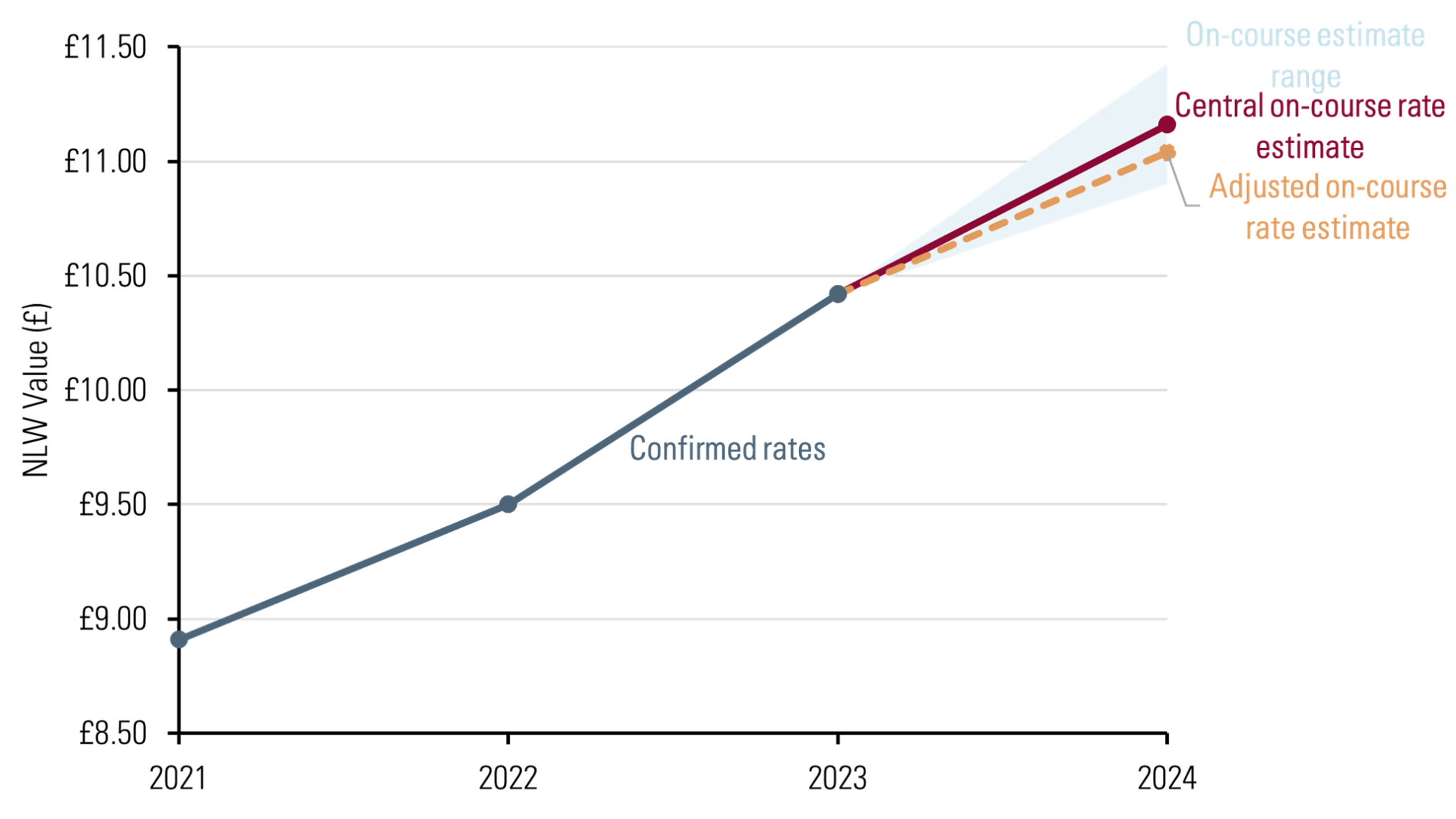
The yearly figures are essentially the culmination of that hourly rate. If the hourly rate goes up by, say, 50p, and you work 40 hours a week, that’s an extra £20 a week, which then rolls up into a nice little annual boost. It’s like finding a tenner in your old coat pocket, but much more predictable and, dare I say, more significant. Over the course of a year, those extra pennies and pounds really do add up. They can mean the difference between being able to afford that new pair of trainers or having to make do with your old faithfuls. Or, you know, affording slightly less-rubbery instant noodles.
So, there you have it. The UK's minimum wage, broken down into digestible, slightly humorous chunks. It’s not just a number; it’s a safety net, a foundation, and for many, a pathway to a slightly less stressful financial existence. And as the rates continue to evolve, it’s always worth keeping an eye on them. After all, your wallet will thank you. Now, who’s up for another biscuit? We’ve earned it!