Microscope Objective Lens Function
Ever looked at something super tiny, like a single strand of hair, and wondered what it really looks like up close? I mean, really up close? Like, see the little oil glands and all the flaky bits you never knew existed? That's where the magic of microscopes comes in, and the unsung hero of that magic is the objective lens. Think of it as the first, and arguably most important, window into that miniature world.
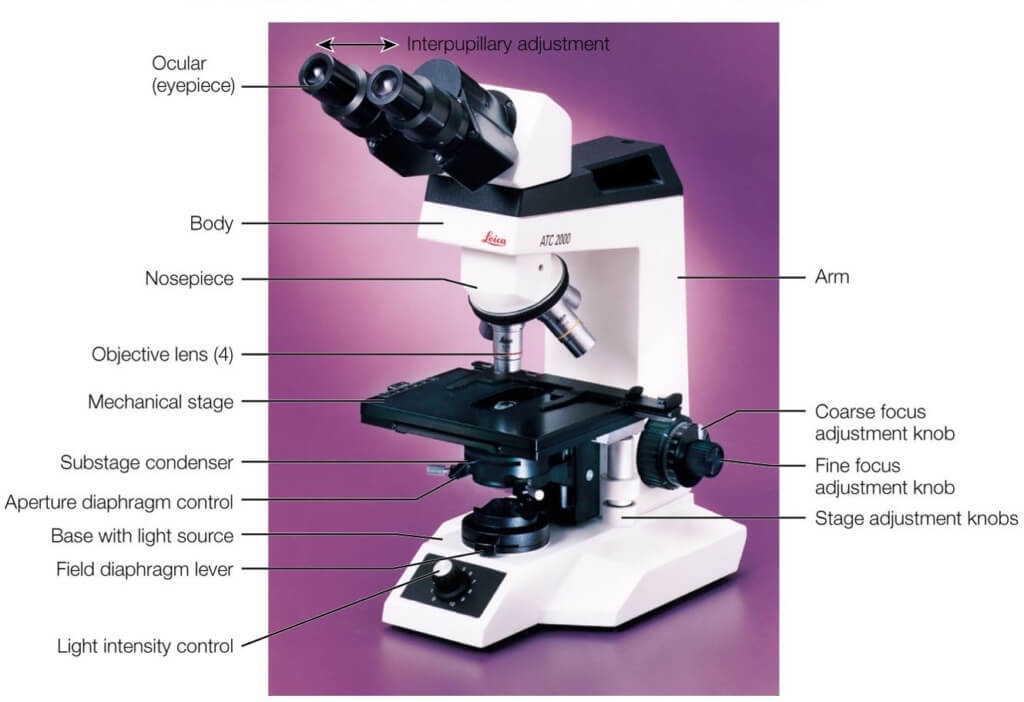
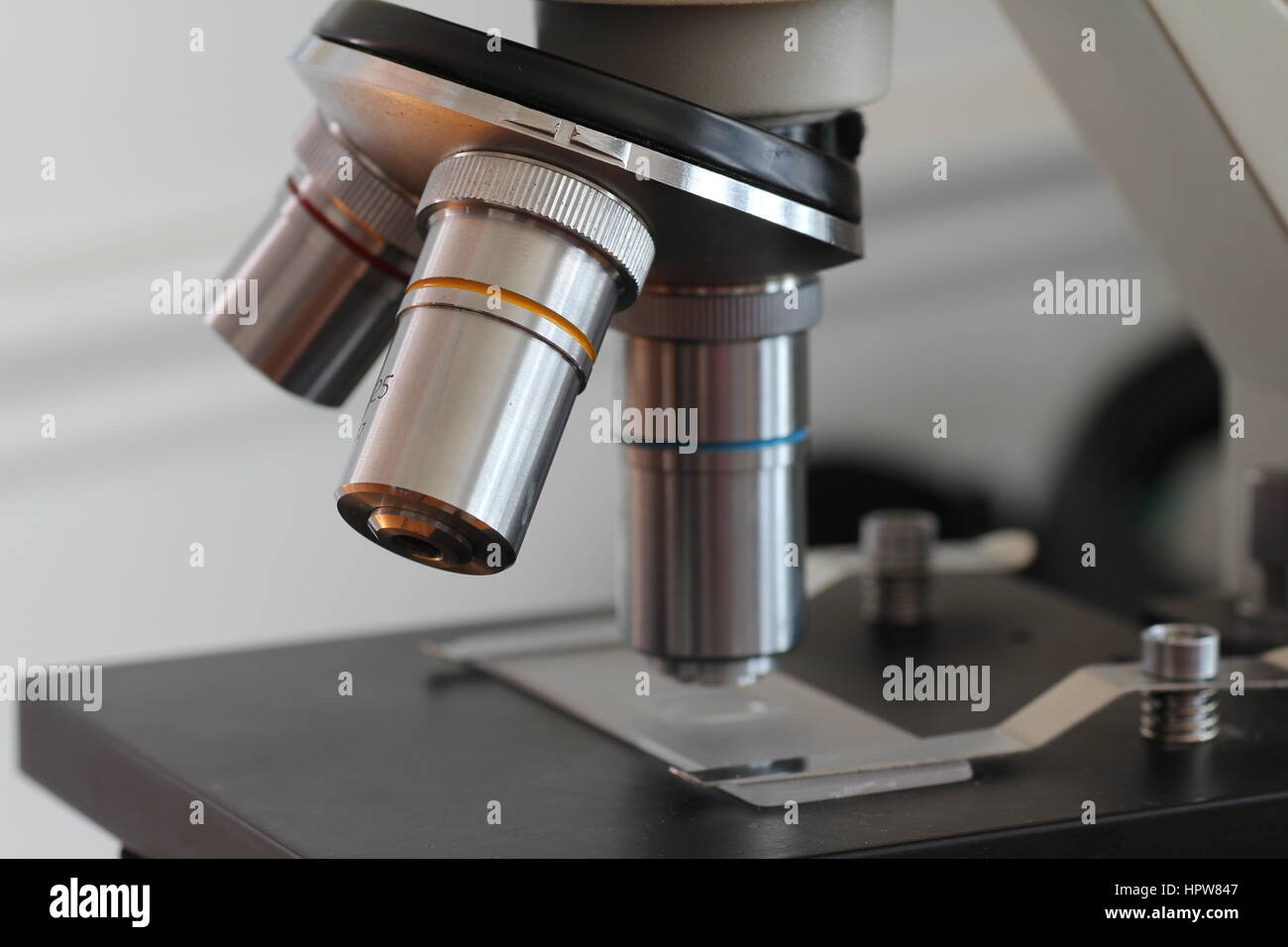
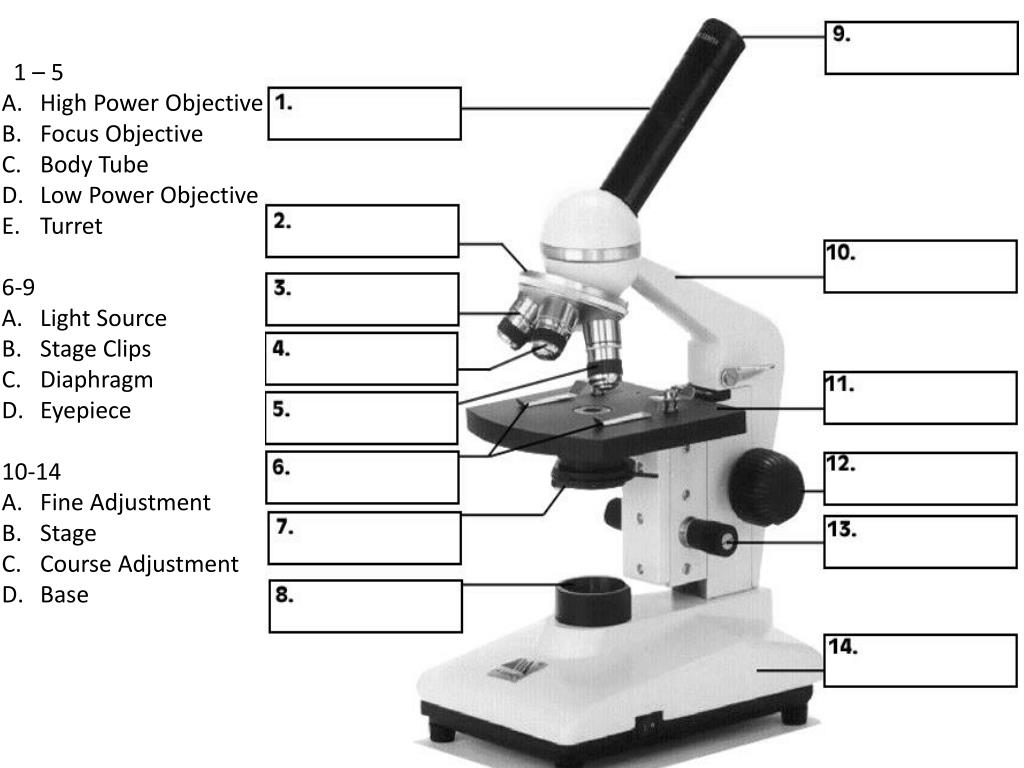
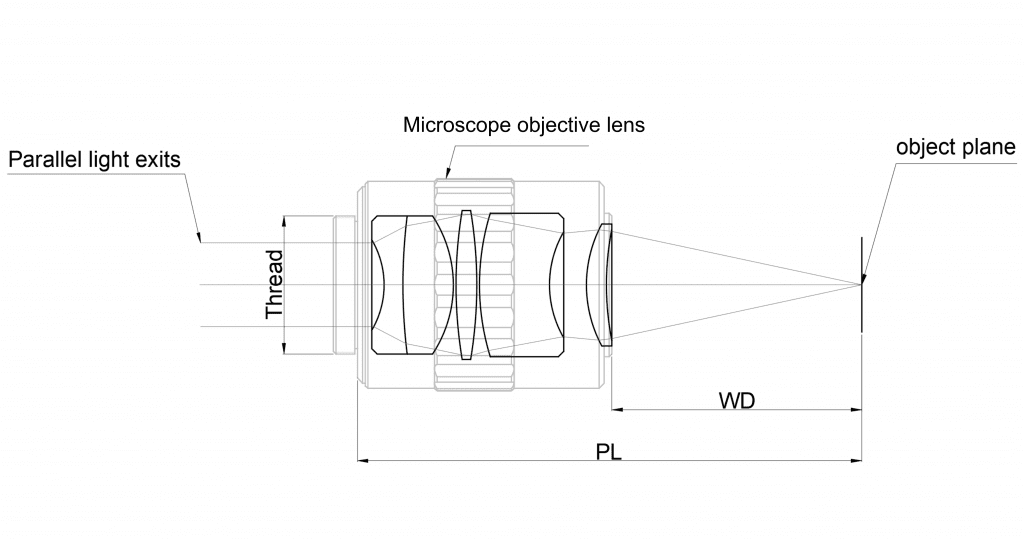
So, what is this objective lens thingy? Imagine you're trying to read a super tiny inscription on a ring. You could squint, right? But that's not going to get you very far. What you really need is to bring that inscription closer to your eye, or, more accurately, make it seem like it's much bigger. The objective lens does exactly that for microscopes. It’s the big, chunky bit that screws onto the bottom of the microscope's tube, right above where you place your slide. It's the first piece of glass that the light from your sample has to go through.
Think of it like the zoom lens on your camera. You know how you can zoom in to get a detailed shot of a distant bird? The objective lens is the microscope's version of that, but for things so small you can't even see them with the naked eye. It's the workhorse that gathers all the light from your incredibly tiny specimen and starts the process of making it appear larger.
Must Read
Why should you, an everyday person who probably hasn't looked through a microscope since biology class in high school (and maybe even then, you were mostly focused on not smudging the slide), care about this little gizmo? Well, because it's the gatekeeper to a whole universe you never knew existed! It’s the difference between looking at a plain, white piece of paper and seeing the intricate, almost alien landscape of individual paper fibers. It’s the difference between a vague idea of what a dust bunny is and seeing the incredible, diverse ecosystem of tiny mites, pollen grains, and skin cells that call it home. Fascinating, right?
The Mighty Magnifiers
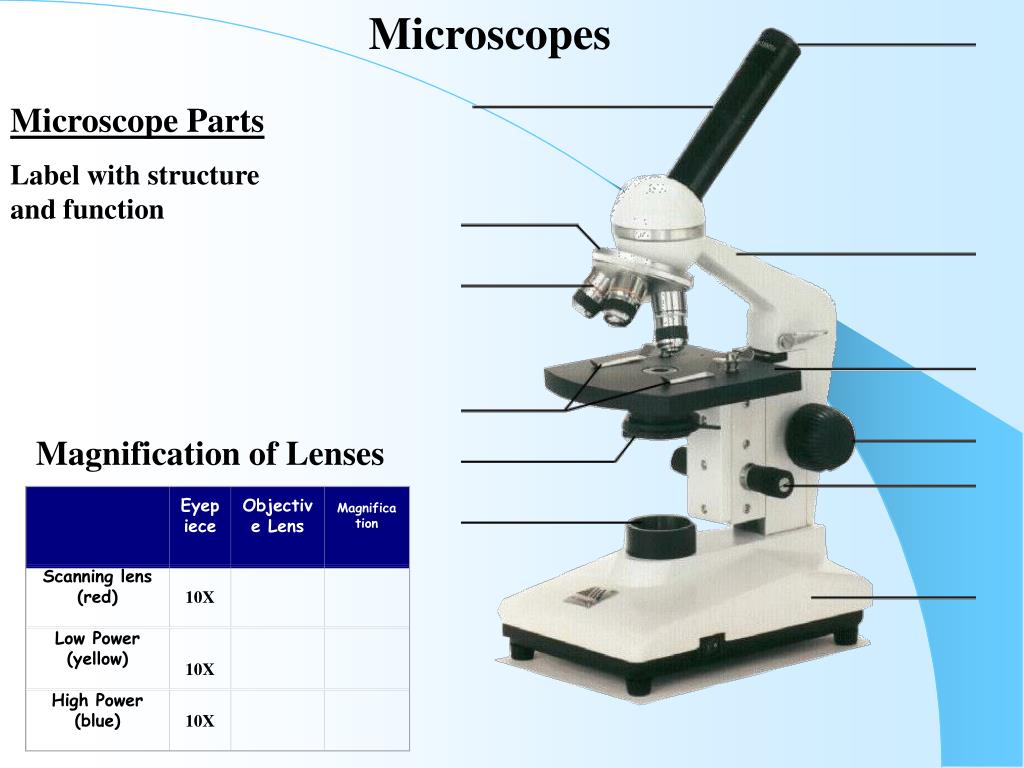
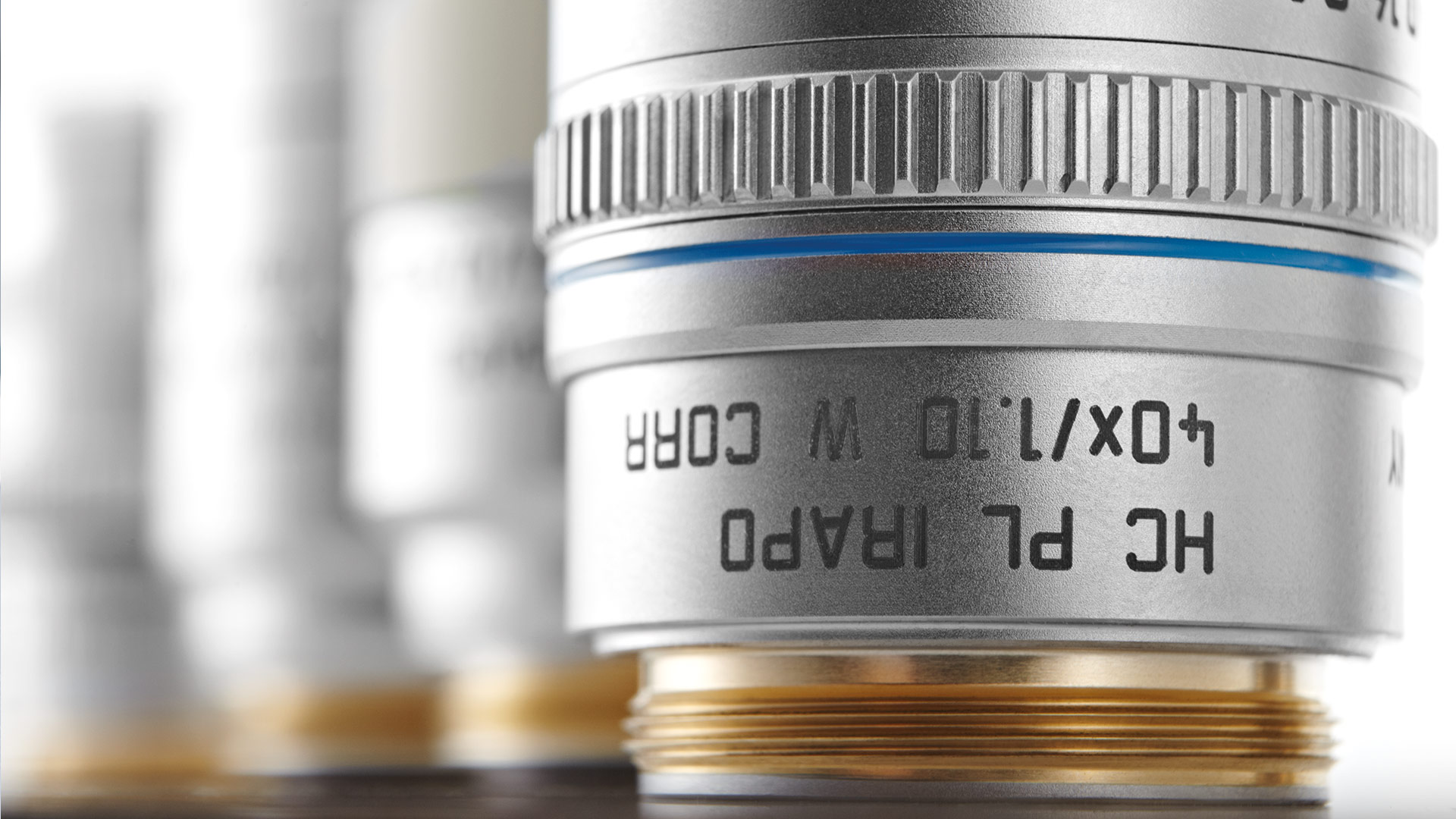
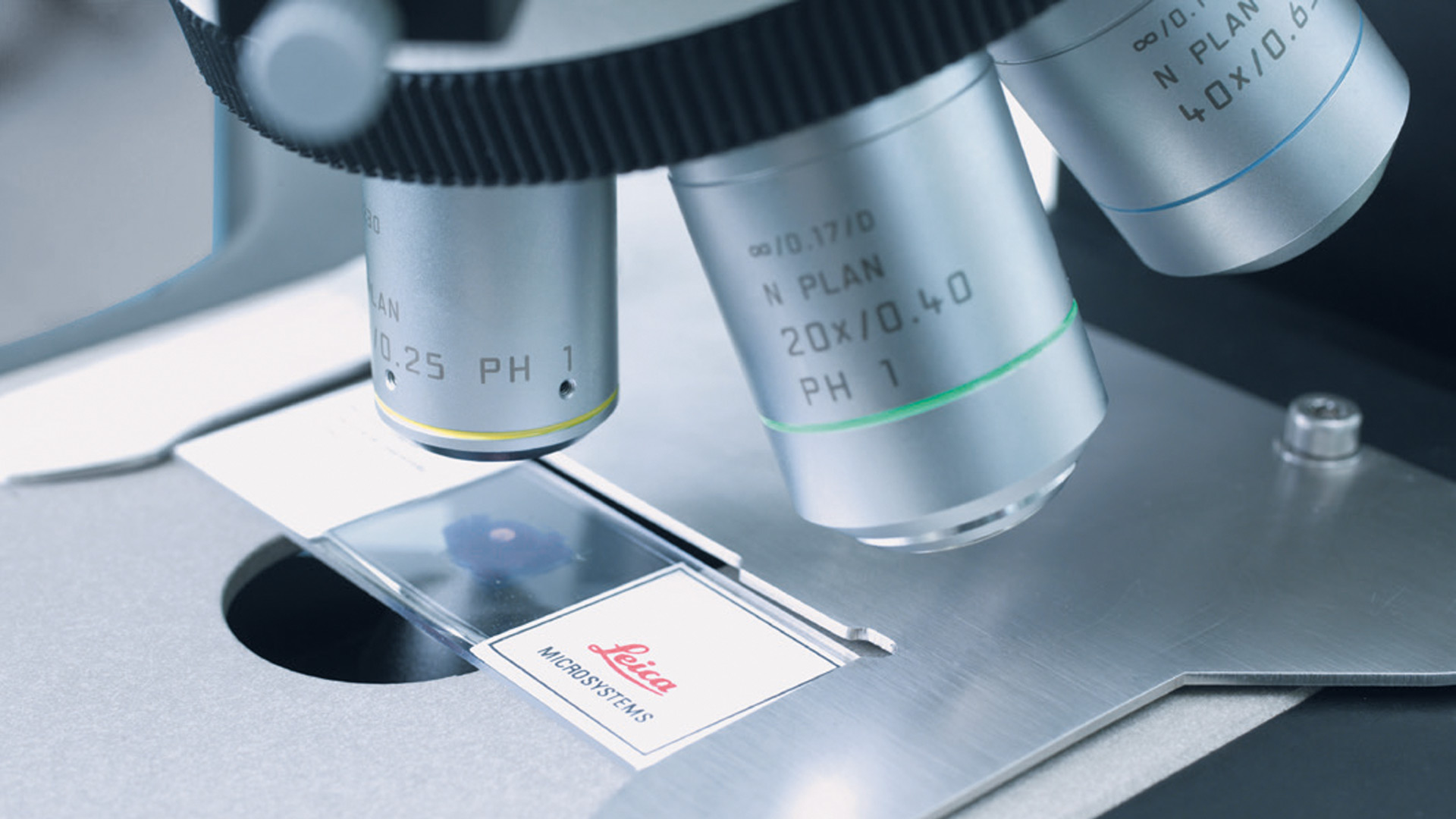
Objective lenses come in different "strengths," much like reading glasses. These strengths are called magnifications, and they're usually written on the side of the lens itself, like "4x," "10x," "40x," or even "100x." That little number tells you how many times bigger the lens makes your specimen appear. So, a 4x objective makes things look 4 times larger than they actually are. A 10x objective? You guessed it – 10 times bigger! And a whopping 100x objective? That’s like looking at something 100 times closer than you normally would. That's practically giving you a VIP backstage pass to the microscopic world!
Imagine you're looking at a fuzzy sweater. The 4x objective might let you see the overall texture and weave of the fabric. It gives you a good overview, like a quick glance from across the room. Then, you might switch to the 10x objective. Now, it's like you're holding that sweater right up to your nose. You can see the individual fibers, the way they're spun together. It's a more detailed look.
And when you go to the 40x objective? That's like putting on a magnifying glass and examining a single yarn. You can see the twists and turns within that fiber, maybe even a stray bit of lint clinging to it. The 100x is even more intense – it’s like you’re stepping into that single fiber and exploring its microscopic landscape. It’s where the real secrets start to unfold.
The trick is, you usually start with a lower magnification objective to find your area of interest, and then you switch to higher ones for more detail. It's like exploring a new city. You start by looking at a map (low magnification) to get the lay of the land, and then you walk around to explore specific neighborhoods and streets (higher magnification).
More Than Just Bigger
But it's not just about making things bigger. The objective lens also plays a crucial role in how clear and sharp that magnified image is. This is where things get a little more technical, but don't worry, we'll keep it light! Think of it like trying to see a blurry photograph. Simply making the blurry photo bigger just makes a bigger blurry photo, right? Not very helpful!
Good objective lenses are designed to be aplanatic and achromatic. Woah, big words! Let's break them down. Aplanatic basically means the lens is designed to minimize a type of distortion called spherical aberration. Imagine trying to look through a perfectly round glass ball – the edges can look a bit warped. Aplanatic lenses are shaped and designed to prevent that, giving you a much clearer view, especially around the edges of your field of vision. It’s like having a perfectly clear window instead of one with those wavy imperfections.
And achromatic? This relates to how lenses handle different colors of light. When light passes through a lens, it can sometimes split into its different colors, like a tiny prism, leading to blurry or rainbow-colored edges around your image. Achromatic lenses are specially designed with multiple pieces of glass that work together to bring all those colors back into focus at the same point. This means your image is sharp and true to life, with no weird color fringing. It’s like having a photographer’s skill in bringing out the true colors of a subject, but at a microscopic level.

So, a high-quality objective lens isn't just about making things bigger; it's about making them bigger and beautifully clear, so you can actually see the intricate details without being distracted by blur or weird colors. It’s the difference between looking at a slightly smudged drawing and a perfectly rendered masterpiece.
The Everyday Impact
Okay, so why should this matter to you? Well, the science that happens under a microscope, thanks to these objective lenses, impacts your life in more ways than you might realize. From the doctors diagnosing illnesses by looking at your blood cells (using those high-magnification objectives!) to the scientists developing new medicines, to the food safety inspectors making sure your salad is free from nasty bugs – all of it relies on the power of magnification and clarity provided by objective lenses.
Think about it: when you get your blood tested, a technician looks at your cells under a microscope. They're not just seeing blobs; they're seeing the precise shape and structure of red blood cells, white blood cells, and platelets. If something looks a bit "off" – maybe a white blood cell has an unusual shape – that’s a clue that something might be going on in your body. The objective lens is the tool that allows them to see those subtle differences that can be so important for your health.
Or consider the research into tiny organisms that help our planet, like bacteria that break down pollution or plankton that form the base of ocean food webs. Understanding these microscopic life forms is crucial for tackling environmental challenges, and it all starts with being able to see them clearly through a microscope, powered by its objective lens.
Even the simple act of looking at a drop of pond water under a basic microscope can be a revelation. You might see tiny paramecia darting around, or single-celled algae photosynthesizing. It’s a tiny, vibrant ecosystem happening right before your eyes, and the objective lens is your ticket in.
So, the next time you see a picture of something incredibly detailed at a microscopic level, or hear about a scientific breakthrough involving tiny things, remember the humble, yet powerful, objective lens. It’s the unsung hero, the first responder to the microscopic world, making the invisible visible and helping us understand the incredible complexities of life around and within us. It’s a little piece of glass that opens up a universe of wonder, and that’s pretty darn cool if you ask me!