
Kenmore Electric Clothes Dryer Not Heating
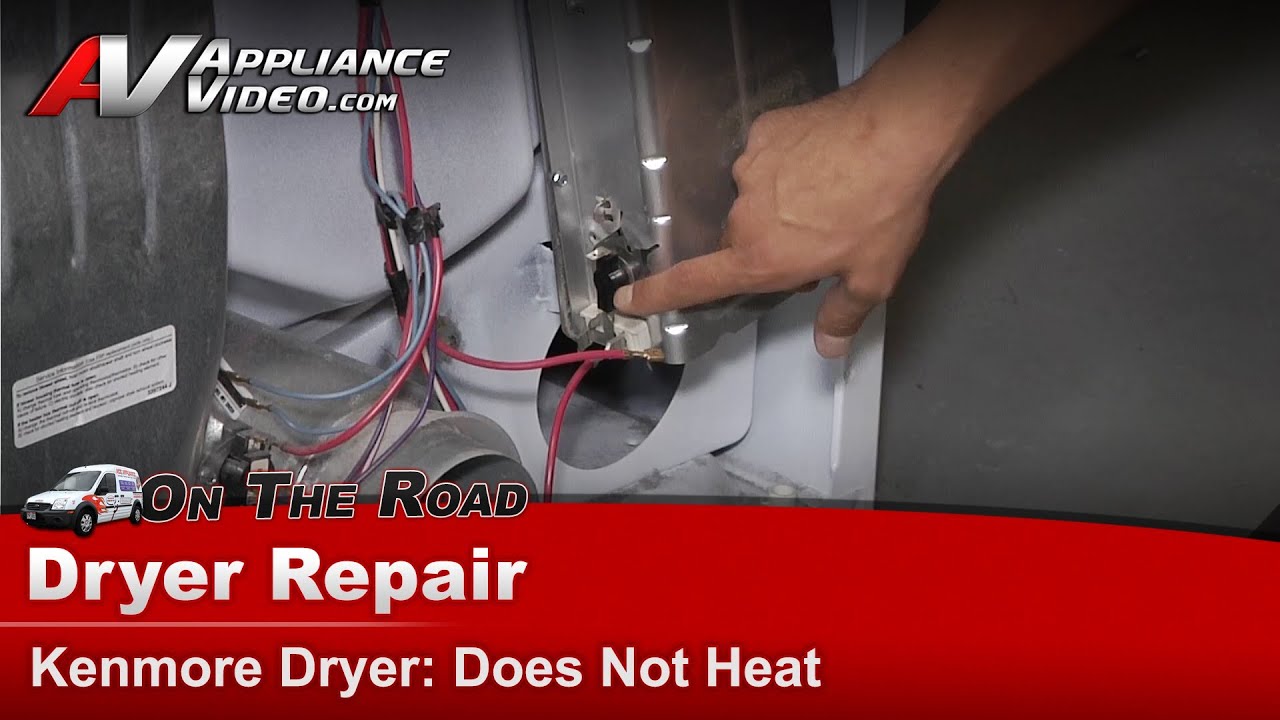
Hey there, fellow laundry adventurers! So, you’ve got a Kenmore electric dryer that’s decided to take a personal day from its primary duty – heating things up. It’s just… not heating. A bit of a bummer, right? Especially when you’re dreaming of fluffy towels and warm socks on a chilly morning. But hey, before you start picturing a dramatic dryer funeral or a desperate dash to the laundromat, let’s take a breath. It’s not the end of the world, and honestly, sometimes these dryer hiccups can be surprisingly… interesting.
Think of your dryer like a tiny, heated ecosystem. It’s got a whole cast of characters working together to get your clothes dry. When the heat decides to pack its bags, it means one of these characters has gone on strike or perhaps just needs a little nudge. And figuring out which one? That’s where the fun (yes, fun!) begins. It’s like a mini detective mystery right in your laundry room. Pretty cool when you think about it, right?
So, Why is My Kenmore Dryer Playing It Cool?
Let’s dive into the nitty-gritty, shall we? When your Kenmore dryer isn’t heating, it usually boils down to a few common culprits. And the great thing about many electric dryers is that these issues are often fixable. You don’t necessarily need to call in the cavalry immediately. Think of it as a chance to get a little hands-on and understand your appliances a bit better. It’s like unlocking a secret level in a video game, but instead of points, you get warm clothes!
Must Read
The Usual Suspects (and How to Spot Them)
First up on our "Who’s Not Doing Their Job?" list is the humble heating element. This is the real MVP when it comes to generating heat. If this guy decides to take a permanent vacation, no more warm air. How can you tell? Well, if the dryer tumbles and spins but stays stubbornly cool, the heating element is a prime suspect. It’s kind of like a light bulb burning out; it just stops doing its thing.
Next, we have the thermal fuse. This is a safety device, a little guardian angel for your dryer. Its job is to blow (or fuse, hence the name) if the dryer overheats, preventing a fire hazard. If the thermal fuse has blown, it means it did its job! But now, the dryer won't heat. So, you might need to replace this little fella. It’s a bit like a circuit breaker that sacrifices itself to protect the rest of the system.

Then there's the high-limit thermostat. This is another temperature regulator. It's there to make sure things don't get too hot. If this thermostat malfunctions, it might be stuck in the "off" position, preventing the heating element from turning on even if it's perfectly fine. Imagine a thermostat in your house that’s permanently set to "off" – no cozy warmth there!
And let’s not forget about the heating element thermostat. This one’s a bit more specific. It controls the temperature cycles. If it's faulty, it might not be signaling the heating element to power up when it should. Think of it as the conductor of the heat orchestra; if the conductor isn't giving the cue, the musicians (the heating element) can't play their warming tune.

Now, here’s a slightly different angle: lint buildup. Yep, that fluffy stuff you find in the lint trap? If it gets too much, it can really wreak havoc. A clogged vent is a classic cause of a dryer not heating properly, or even taking forever to dry. The hot air needs to escape, and if it can't, the dryer can overheat and the safety mechanisms (like the thermal fuse) might kick in. So, a good old-fashioned cleaning of your dryer vent is often a surprisingly effective fix. It’s like clearing a blocked artery for your dryer’s hot air highway. Plus, a clean vent is a fire-safe vent, which is always a win!
Another possibility, and this one is less common but worth a mention, is an issue with the control board or timer. This is the brain of your dryer. If the brain is glitching, it might not be sending the right signals to the heating components. This is usually a more complex fix, but it's good to know it's on the table.
What to Do Before Calling for Backup
Before you even think about picking up the phone, there are a few simple checks you can do yourself. They’re easy peasy and can sometimes save you a headache (and a repair bill!).
First, and this might sound ridiculously simple, but is the dryer plugged in? And I mean really plugged in? Sometimes, with the vibrations, plugs can wiggle loose. Also, check your circuit breaker. Electric dryers draw a lot of power, and it’s not uncommon for a breaker to trip. Just a quick flip of the switch can sometimes be the magic bullet. Imagine your dryer is a superhero, and the breaker is its off-switch that accidentally got flipped!
Next, give that lint trap a good cleaning. Seriously, every single time. And then, take a peek at the dryer vent hose. Is it kinked? Is there a massive buildup of lint just inside? Give it a gentle tug and see if it’s firmly attached to the wall and the dryer. This is your chance to be a dryer health inspector!

If you’re feeling a little brave and have a screwdriver handy, you might consider checking the thermal fuse. You can usually find a handy-dandy tutorial online for your specific Kenmore model. It's often located on the blower housing. If it looks visually damaged or you're testing it with a multimeter and it's showing no continuity, it’s probably blown. Replacing it is usually a straightforward DIY job if you’re comfortable with basic appliance repair. Think of yourself as a dryer surgeon, performing a life-saving operation!
When to Call in the Professionals
Now, if you’ve gone through the basic checks, cleaned the lint trap and vent, and you’re still facing a chilly dryer, it might be time to call in the pros. If you’re not comfortable poking around inside the dryer, or if you suspect a more complex issue like a faulty heating element or control board, it’s definitely wise to get an experienced technician to take a look. They have the tools and the know-how to diagnose and fix more intricate problems safely. And hey, sometimes, letting an expert handle it is the most relaxed option of all!
So, don't despair about your lukewarm Kenmore. It’s just a temporary pause in its hot-air-producing career. With a little curiosity and perhaps a few simple steps, you might just get it back to its toasty, towel-warming glory. And who knows, you might even learn something cool about how your appliances work along the way. Happy drying (soon, hopefully)!


