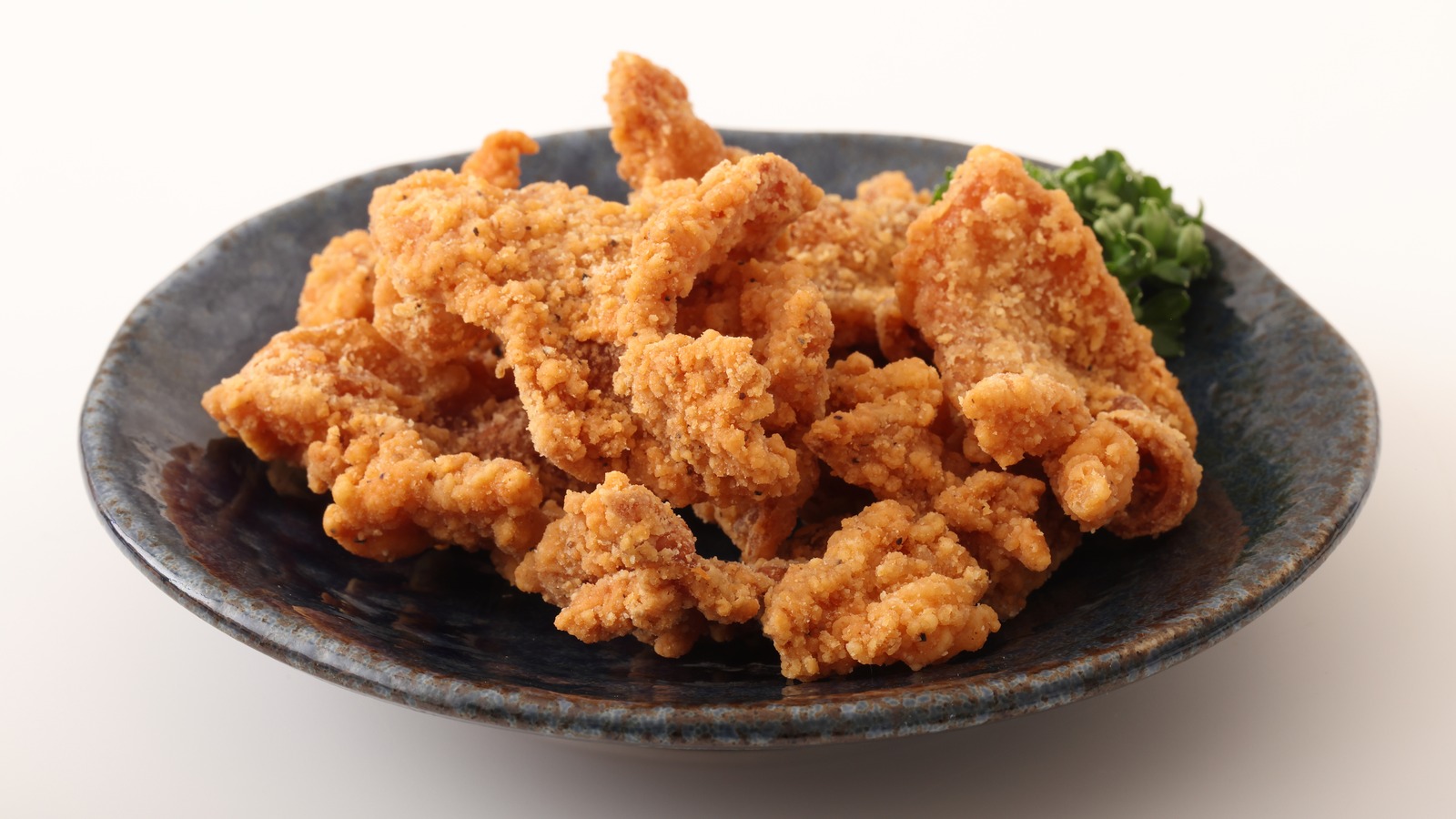
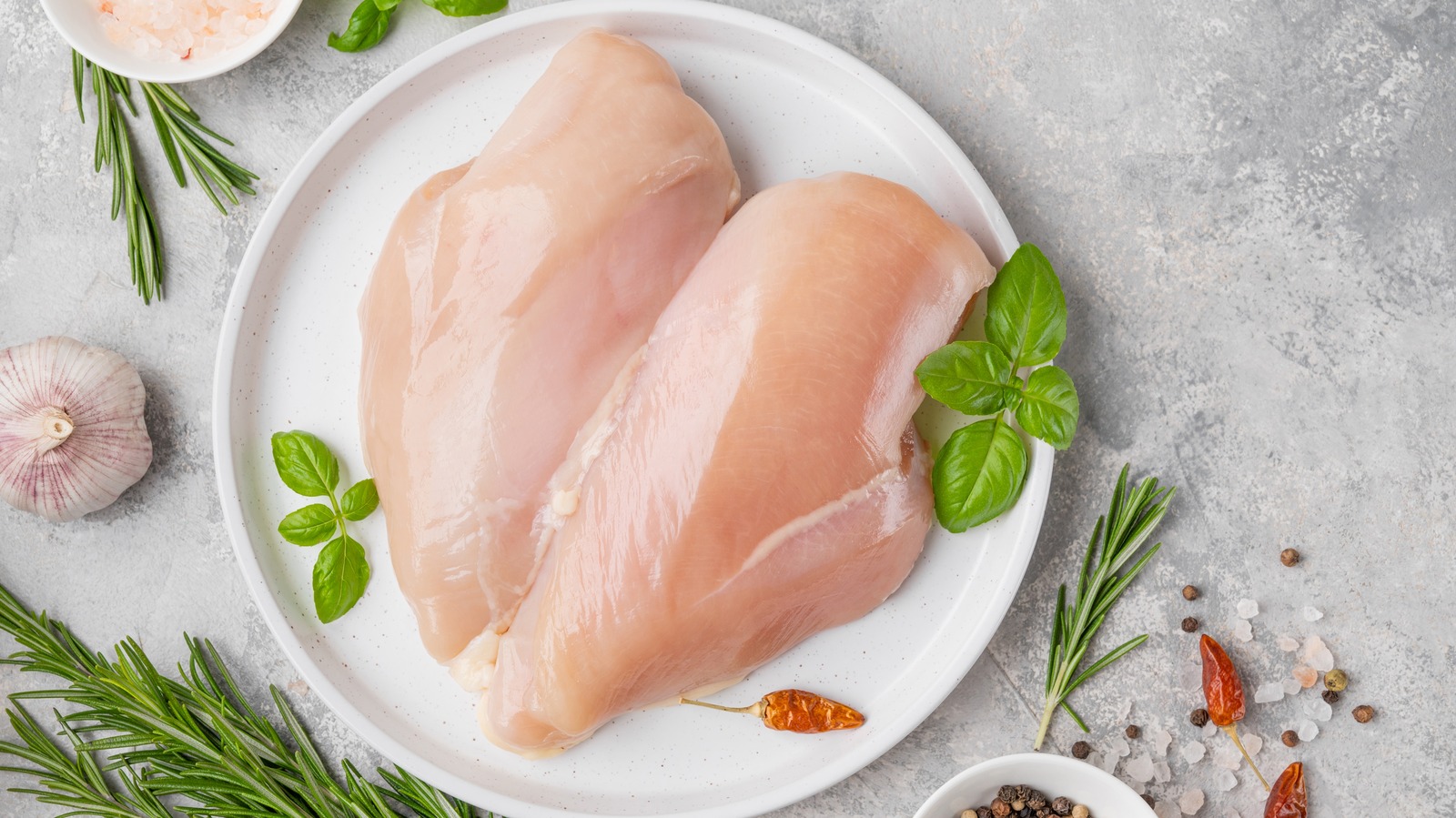
Let's talk chicken! Specifically, the wonderfully crispy, flavorful skin that makes a roast chicken sing or a fried chicken drumstick so darn satisfying. We’ve all been there, eyeing that golden-brown goodness, wondering, "Is this deliciousness actually doing me any harm?" It’s a question that pops up at dinner tables and in kitchen debates everywhere. And guess what? It’s a pretty fun topic to dive into, because the answer isn't as simple as a resounding "yes" or "no." Understanding the skinny on chicken skin helps us make informed choices that keep us happy and healthy, without sacrificing all the culinary joys life has to offer.
The purpose of exploring whether chicken skin is "bad" for you is really about finding that sweet spot between enjoying your food and looking after your well-being. It’s not about demonizing any particular food group, but rather about appreciating the nutritional nuances. For many, chicken skin is the star of the show – it adds moisture, flavor, and that irresistible crunch. The benefits of understanding its role go beyond just appeasing your taste buds. It’s about equipping yourself with knowledge so you can navigate your diet with confidence, whether you're a seasoned home cook or just someone who enjoys a good meal.
The Skinny on Chicken Skin: Is It a Health Foe or Friend?
So, let's get down to brass tacks. The immediate concern most people have when it comes to chicken skin is its fat content. And it's true, chicken skin is predominantly made up of fat. A good portion of that fat is unsaturated, which is generally considered heart-healthier than saturated fat. Think of olive oil or avocados – they’re packed with unsaturated fats too! However, the other portion is saturated fat, which is where some of the "bad rap" comes from. Consuming excessive amounts of saturated fat has been linked to an increased risk of heart disease and higher cholesterol levels.
But before you banish chicken skin to the culinary wasteland, let’s dig a little deeper. When we talk about the fat in chicken skin, we're often looking at it in isolation. However, the way chicken is cooked plays a huge role. If you're deep-frying chicken skin, you’re essentially soaking it in more fat, which definitely ups the calorie and unhealthy fat count. On the other hand, if you’re roasting a chicken with the skin on, some of that fat will render out and drip away during the cooking process. This means the skin you end up eating has less fat than raw skin.
Another point in favor of chicken skin, often overlooked, is its protein content. Yes, the meat underneath is where most of the protein resides, but the skin also contributes a small but noteworthy amount. Protein is essential for building and repairing tissues, keeping you feeling full, and supporting your metabolism. So, while it's not a protein powerhouse, it certainly doesn't detract from the overall protein you get from your chicken meal.
Eating Chicken Skin Can Be Dangerous | My Weekend Plan
And let's not forget the sheer flavor and moisture it provides! Chicken skin acts as a natural barrier, keeping the meat underneath incredibly juicy and tender. Without it, especially in roasting or grilling, chicken can sometimes turn out dry and less appealing. This flavor boost means you might need less added salt or other less healthy flavor enhancers, which can be a subtle but positive health benefit in itself. Think about it: a well-seasoned, juicy piece of chicken might satisfy you more, preventing you from reaching for extra sauces or sides.
The key takeaway is moderation and preparation method. Enjoying chicken skin occasionally, especially when prepared through healthier methods like roasting or baking, is unlikely to be detrimental to most people’s health.
Is Chicken Skin Bad For Health? - Boldsky.com
So, is chicken skin "bad for you"? The honest answer is: it depends. If you're following a strict low-fat diet or have specific health concerns like high cholesterol or heart disease, you might want to limit your intake, particularly if it's fried. However, for the average person looking to enjoy a balanced diet, chicken skin can be part of a healthy eating pattern. It's about balance. Think of it as a delicious treat to be savored rather than a daily staple to be consumed in large quantities.
The decision to eat chicken skin often comes down to your personal dietary goals and preferences. If you're aiming to reduce your calorie or fat intake, peeling it off before you eat is a simple and effective strategy. But if you're simply looking for a more flavorful and moist chicken dish, keeping the skin on and enjoying it in moderation can be a perfectly fine choice. Ultimately, food is about enjoyment and nourishment. Understanding the components, like the fat and protein in chicken skin, empowers you to make choices that align with both your health and your happiness. So next time you're faced with that golden, crispy temptation, you can make an informed and guilt-free decision!