
Is Pilates Good For A Bad Back

So, you’ve got a grumpy back, huh? Maybe it’s that old friend who decides to make an appearance after a long day, or perhaps it’s a constant companion you’re just trying to manage. We’ve all been there, right? Thinking about exercise can feel like a big ask when your back is doing its own thing. But what if I told you there’s a way to move that’s surprisingly gentle, incredibly effective, and dare I say, even a little bit fun? Yep, we’re talking about Pilates.
Now, before you picture a room full of super-flexible people contorting themselves into pretzel shapes, let’s clear the air. Pilates is for everyone, especially those with a cranky back. It’s like giving your body a much-needed spa day, but with actual exercise involved. Think of it as a secret weapon for a happier spine.
So, is Pilates good for a bad back? The resounding answer is a big, fat, enthusiastic YES!
Must Read
Why the big deal? Well, Pilates focuses on something called the "powerhouse". This isn't some fancy gym jargon; it's simply your deep abdominal muscles, your back muscles, and your pelvic floor. When these muscles are strong and working together, they act like a natural corset for your spine. This means they help support and stabilize your back, taking a load off those tired, achy areas.
Imagine your spine as a stack of building blocks. If the base isn’t stable, the whole thing is wobbly. Pilates helps strengthen that base, making your whole spinal structure more resilient. It’s all about controlled movements and precision, rather than brute force. This is music to a sore back’s ears, because it means you’re not jarring or straining anything.
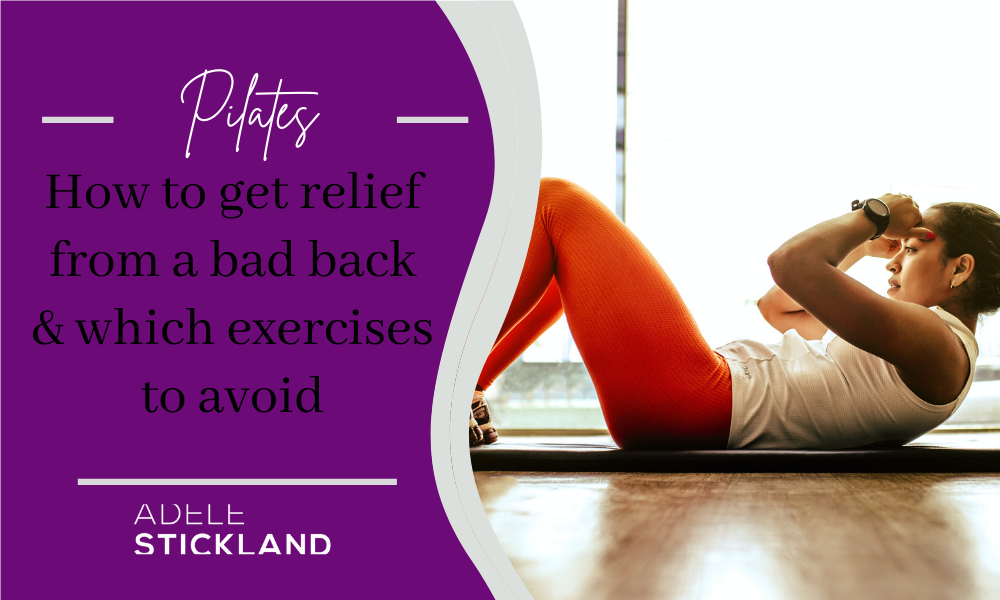
One of the coolest things about Pilates is how it teaches you to move with awareness. You start to notice how your body feels, how you’re standing, how you’re sitting. This awareness is a game-changer for back pain. Often, we develop bad habits without even realizing it, and these habits can contribute to discomfort. Pilates gently guides you to reprogram those movements, making them kinder to your back.
And the special sauce? It’s the mind-body connection. Pilates isn’t just about muscles; it’s about engaging your brain too. You’re focusing on every breath, every tiny movement. This mindful approach can actually help to release tension you didn’t even know you were holding. That tense shoulder that’s creeping up towards your ear? Pilates can help it relax. That tight jaw? Yup, that too.

Let’s talk about the exercises themselves. They’re not about showing off. They’re about finding your center and moving from there. You’ll work on strengthening your core, improving your flexibility, and enhancing your posture. All of these things are super important for a healthy back.
Think about the classic “hundred” exercise. It sounds intimidating, but it’s really just about coordinating your breath with small arm pumps. When done correctly, it’s a fantastic way to engage your core and get your blood flowing without putting undue pressure on your spine. Or how about the “roll-up”? It teaches you to articulate your spine, like rolling one vertebra at a time. This is pure gold for back mobility.
What makes Pilates so entertaining is that it’s not repetitive or boring. Even the simplest moves can feel challenging and rewarding when you focus on the quality of the movement. You’re constantly learning and discovering new ways to move your body. It’s like solving a fun puzzle, but the prize is a pain-free back!

"Pilates helps you build a stronger foundation from the inside out."
You might be wondering, “But what if I can’t even touch my toes?” Guess what? That’s perfectly okay! Pilates is adaptable. A good instructor will modify exercises to suit your needs and your back’s current mood. They’re like your personal back-pain detectives, figuring out what works best for you.
The equipment in Pilates is also a bit of a marvel. You might have seen reformers or Cadillacs. These aren’t just fancy gym toys; they use springs to provide resistance and support, making exercises more accessible and even more beneficial. The reformer can help you build strength without gravity working against you, which is a huge plus for sensitive backs. It’s like having a gentle assistant helping you along.

But even if you only have a mat and your own body, you can still reap massive rewards. Mat Pilates is incredibly effective and can be done anywhere. The focus remains the same: strong core, supported spine, and mindful movement.
The beauty of Pilates is that it’s a journey, not a race. You don’t need to be perfect from day one. Every session, you’re building on what you did before. You start to feel stronger, more flexible, and more in tune with your body. And that feeling of accomplishment? It’s incredibly motivating.
So, if your back is giving you grief, and you’re looking for a way to move that’s kind, effective, and maybe even a little bit delightful, give Pilates a whirl. It might just be the secret ingredient to unlocking a happier, healthier back. It's less about extreme effort and more about intelligent, graceful movement. And who wouldn’t want a bit more of that in their life?

