
Is Long Life Milk Bad For You
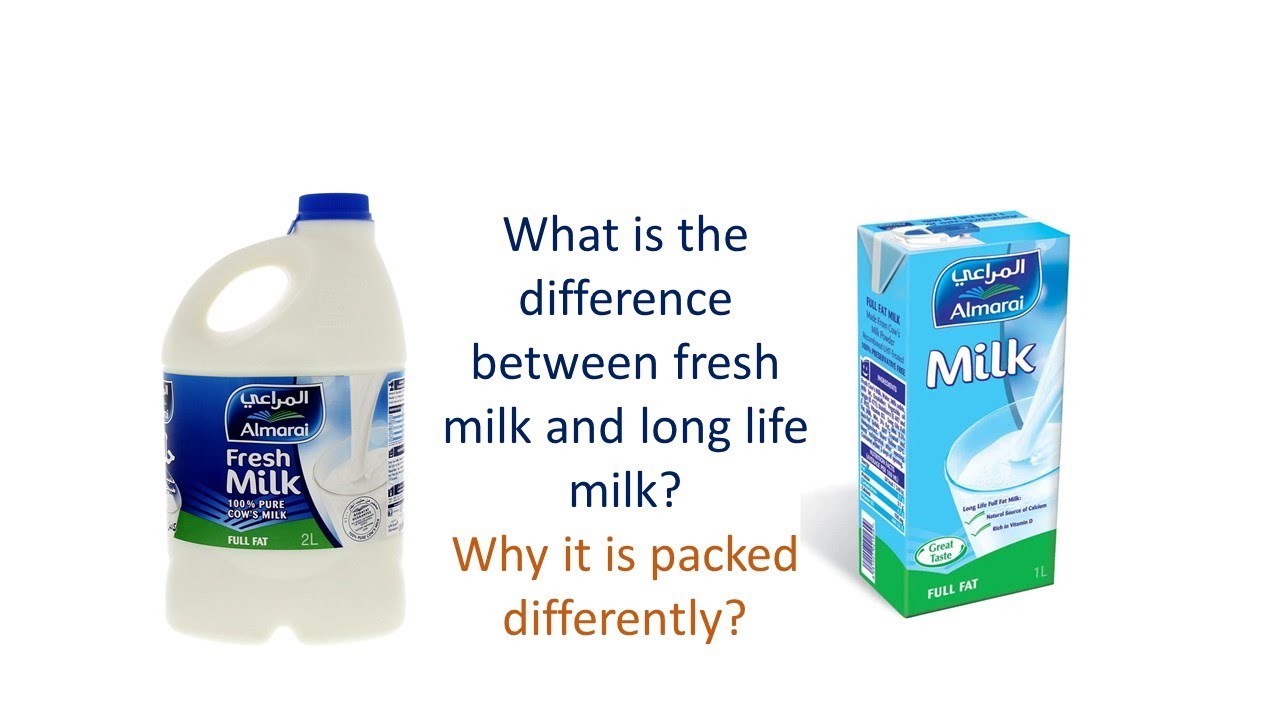
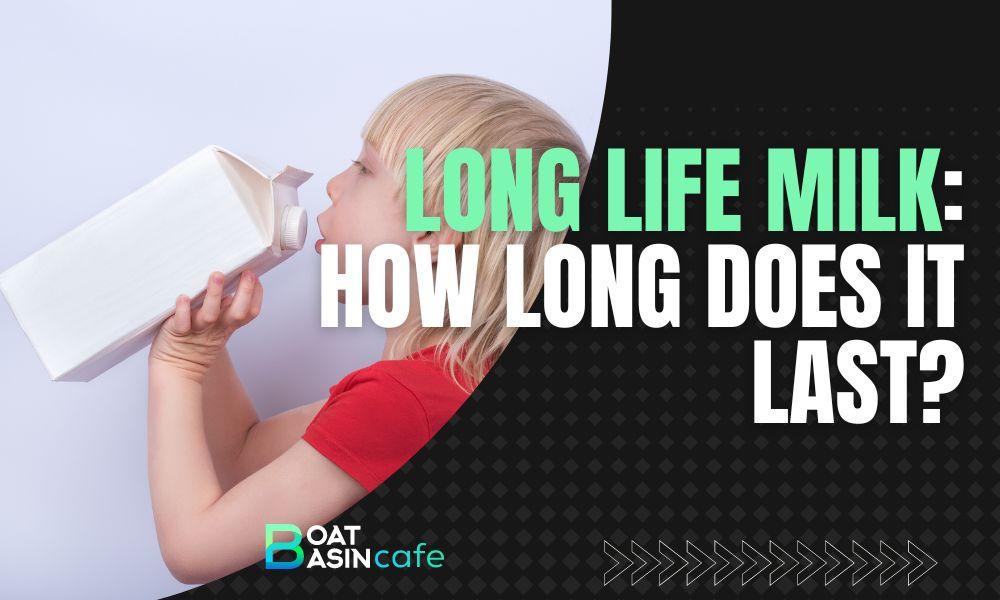
Alright, let's talk milk. Specifically, that carton chilling in your fridge that seems to have a perpetual lease on life. You know the one – you bought it, like, last Tuesday, and it’s still good until next month? That’s the magic, or perhaps the mystery, of long-life milk, also known as Ultra-High Temperature (UHT) milk. And the burning question on many a cereal-loving mind is: is this stuff actually bad for us?
Think about it. You’re rummaging through the dairy aisle, and there it is: the regular milk, already looking a bit questionable if you squint. Then, tucked away on the shelf, are these unassuming boxes, promising freshness for what feels like geological epochs. It’s like comparing a fleeting friendship to a really, really good, albeit slightly distant, relative. The latter always seems to be there when you need it, no matter how long it's been.
For years, I was the skeptic. I pictured tiny milk fairies, armed with microscopic laser beams, zapping away all the good stuff before it even reached my latte. Or maybe it was a secret government experiment involving ancient Egyptian embalming techniques for dairy. The more I thought about it, the more conspiratorial my milk-drinking habits became.
Must Read
But the truth, as it often is, is a little less dramatic and a lot more… scientific. And thankfully, not nearly as scary as my overactive imagination.
So, What Is This Magical Elixir?
Long-life milk isn't some Frankenstein's monster of dairy. It's essentially the same milk you'd find in the refrigerated section, just treated a little differently. Imagine your milk taking a super-hot, super-fast sauna. That’s UHT processing in a nutshell. The milk is heated to a scorching 135-150°C (275-302°F) for a few seconds. This isn't a leisurely soak; it’s a high-speed blitzkrieg against any pesky bacteria that might be lurking and plotting to turn your milk into a science experiment gone wrong.
This intense heat treatment does a couple of key things. First, it kills off virtually all the microorganisms – the ones that make milk go sour and lumpy, the ones that make you say, "Oh dear, that's not quite right," and then discreetly pour it down the sink. Second, it sterilizes the milk, meaning it can sit on a shelf, unopened, for months without spoiling. It’s like giving the milk a superpower to resist the passage of time.
Contrast this with pasteurized milk, the stuff you usually find in the fridge. That gets a gentler heat treatment, around 72°C (161°F) for 15 seconds. This kills most of the harmful bacteria but leaves some behind, which is why it needs to be kept cold and has a much shorter shelf life. It’s like sending your milk to a nice spa day, where it comes out feeling refreshed but still needs a cool-down period.
The Big Question: Does It Mess with the Good Stuff?
Now, for the million-dollar question, or rather, the gallon-of-milk question: does all that heat zap the nutrients? This is where things get interesting, and thankfully, not as dire as some might fear.
When it comes to the major players – protein and calcium – UHT milk holds its own. The intense heat treatment doesn't really mess with these essential nutrients. So, your bones are still getting their calcium fix, and your muscles are still getting their protein. It’s like having a really durable piece of furniture; it might get a little dinged up in transit, but its fundamental structure remains intact.
The real difference lies in the vitamins. Some of the more delicate vitamins, like Vitamin C and certain B vitamins (especially B1, B12, and folate), can be a bit more sensitive to heat. So, yes, UHT milk might have slightly lower levels of these particular vitamins compared to fresh, pasteurized milk. Think of these vitamins as being like your favorite delicate silk scarf; they don’t react well to being thrown in a hot wash.
However, here's the kicker. Most of us aren't getting our primary source of Vitamin C or B vitamins from milk alone. We're getting them from fruits, vegetables, and other fortified foods. So, while the milk might have a smidge less of these vitamins, it's unlikely to cause a gaping nutritional hole in your diet. It’s like noticing your favorite superhero is wearing slightly less sparkly boots – they’re still a superhero, and the world is still safe.
What About That Funny Taste?
Ah, the taste. This is where UHT milk often gets a bad rap, and I’ll admit, I've been there. You take a sip, and it’s… different. It can have a slightly sweeter, more "cooked" flavor. Some people describe it as a bit metallic or even like cardboard. It's not the fresh, crisp taste you might associate with milk straight from the farm (or, you know, the refrigerated aisle).
This flavor difference is a direct result of the high heat. It causes some chemical reactions to occur, altering the taste profile. It’s like comparing a perfectly roasted marshmallow to one that’s been left on the campfire for a tad too long – still enjoyable, but with a distinct caramelization that wasn’t there before.
My own journey with UHT milk's taste has been a bit of a rollercoaster. For a while, I’d wrinkle my nose at it. It just wasn't the same. Then, I’d be stuck in a situation where it was the only option – camping trips, long car rides, or a desperate late-night craving for cereal when the regular milk had mysteriously vanished (probably abducted by a sleepwalking toddler). And you know what? After a few sips, my brain seemed to adjust. The cereal still got milked, the coffee still got a creamy swirl, and the world didn’t end.
It’s a bit like listening to a song you’re not sure you like at first. You play it a few times, and suddenly you’re humming along. Your taste buds, much like your music taste, can be surprisingly adaptable.
Who Benefits Most from Long-Life Milk?
So, if it’s not inherently "bad," who is this UHT milk really for? Well, it’s a lifesaver in so many scenarios:
- The Busy Bee: For those who are constantly on the go and don't have time for daily grocery runs, UHT milk is a godsend. You can stock up and not worry about it expiring before you get around to using it. It’s like having a pantry staple that always stays fresh.
- The Traveler: Heading out on an adventure? UHT milk is perfect for camping trips, road trips, or any situation where refrigeration is scarce. No more sad, warm milk for your morning brew! It’s the ultimate non-perishable beverage companion.
- The Forgetful Forget-Me-Not: Let's be honest, we've all been there. You buy milk, get distracted by life, and then discover it’s gone off. UHT milk significantly reduces the chances of that disappointing "sour milk surprise." It’s like a milk insurance policy.
- The "Just in Case" Stockpiler: For those who like to be prepared, UHT milk offers peace of mind. You always have milk on hand for unexpected guests, last-minute baking projects, or those moments when you just need a glass of milk.
- Regions with Limited Refrigeration: In some parts of the world, access to reliable refrigeration is a luxury. UHT milk provides a safe and convenient way for people to consume milk without constant cold storage.
It's the milk equivalent of a sturdy, reliable Swiss Army knife – it might not have all the fancy bells and whistles of a specialized tool, but it gets the job done, and it does it consistently.
The Verdict: Is it "Bad"?
Here’s the simple, easy-going answer: No, long-life milk is not inherently bad for you.
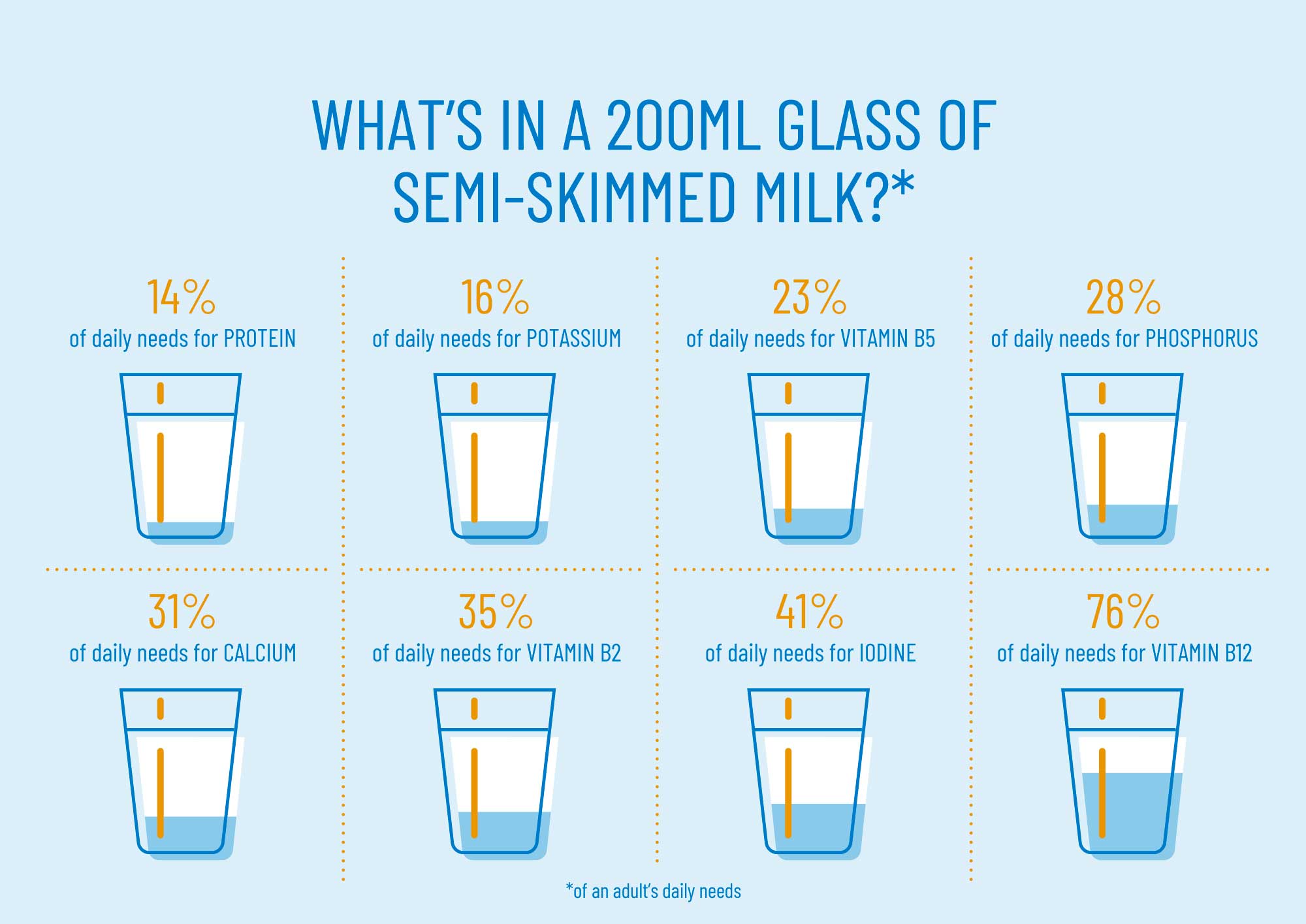
It’s a perfectly safe and nutritious alternative to fresh milk, especially when you consider its convenience and shelf stability. The nutritional differences, particularly in certain vitamins, are generally minor and unlikely to cause significant issues for most people with a balanced diet.
Think of it this way: would you say a perfectly ripe apple is "bad" because it has slightly less Vitamin C than a slightly under-ripe one? Probably not. It’s still a delicious and healthy fruit. UHT milk is in a similar boat.
The main drawbacks are the subtle taste difference and the slight reduction in some heat-sensitive vitamins. If you’re a discerning milk connoisseur who can detect the slightest hint of "cooked" flavor, or if you rely heavily on milk for your primary source of specific vitamins, then perhaps you’ll prefer fresh milk. But for the vast majority of us, UHT milk is a perfectly acceptable, even heroic, addition to our diets.
So, next time you reach for that long-life carton, don't worry. You're not poisoning yourself. You're simply choosing a milk that's been on a very efficient, albeit hot, journey to your pantry. It's ready when you are, no matter when that might be. And isn't that kind of convenient, reliable magic worth a little less Vitamin C and a slightly different taste? I, for one, am leaning towards a resounding "yes." Now, if you'll excuse me, I think it's time for some cereal, and I know exactly what's waiting for me in the cupboard.

