Is It Safe To Cut Wet Grass
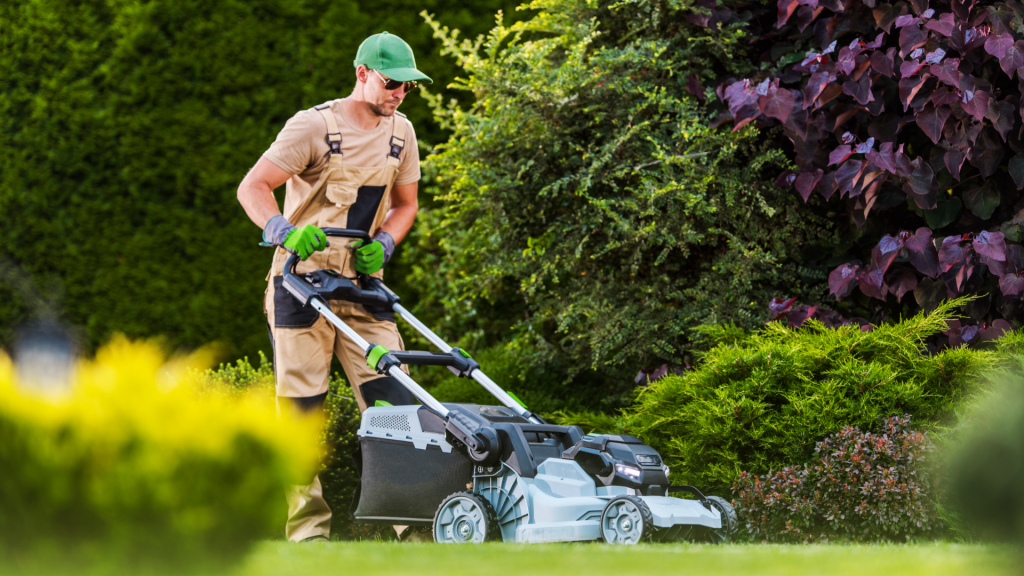
So, picture this: it’s Saturday morning. The sun is just starting to peek over the horizon, painting the sky in those gorgeous pastel shades. You’ve got your coffee, your comfiest PJs on, and you’re mentally ticking off your weekend to-do list. High on that list? Mowing the lawn. You know, that never-ending battle against nature’s relentless green growth. But then, oh no, you hear it. The tell-tale pitter-patter. Rain.
And not just a gentle sprinkle, but a proper, soaking drizzle. Your pristine lawn, so close to being tamed, is now glistening with a million tiny water droplets. Your inner lawn-care guru screams, “NOOOO!” But your practical side, the one that’s already daydreaming about that extra hour of sleep you could get if you just… did it now… whispers, “What if?”
This, my friends, is the age-old dilemma. The “mow or no-mow” quandary that plagues every homeowner with a patch of grass and an unreliable weather forecast. We’ve all been there, staring out at the damp greenery, wondering if it’s a brilliant shortcut or a recipe for disaster. Let’s dive in, shall we? Because honestly, who has time for a perfectly dry lawn all the time? (Spoiler alert: probably nobody.)
Must Read
The Siren Song of the Wet Lawn Mower
There’s a certain allure to it, isn’t there? The idea of just pushing the mower through the glistening blades, getting it done, and then curling up with a book while the rain drums on the windows. It feels… efficient. Like you’re beating the system. You’re outsmarting the weather gods!
And let’s be honest, sometimes you’re on a tight schedule. You’ve got a BBQ coming up, or guests are arriving, and that overgrown jungle in the backyard is seriously cramping your style. The rain is just a temporary inconvenience, right? A little bit of water won’t hurt anyone… or anything… significant.
Plus, think about the sound! A mower cutting through damp grass can have a different, almost muffled quality to it. It’s like nature’s ASMR, if you’re into that sort of thing. Or perhaps it’s just the sound of your impending regret. Time will tell!
So, Is It ACTUALLY Safe? The Nitty-Gritty.
Let’s cut to the chase, pun intended. The short answer is: it’s generally not recommended. While you can technically push a mower through wet grass, it’s not ideal for your lawn, your mower, or even your own personal safety.
Why? Well, several reasons. First off, wet grass is heavier and clumpier than dry grass. This means your mower is going to have to work a lot harder. Imagine trying to run through a swimming pool versus running on a track – same principle, just with more blades and less water. This extra strain can lead to a few unhappy outcomes for your trusty mower.
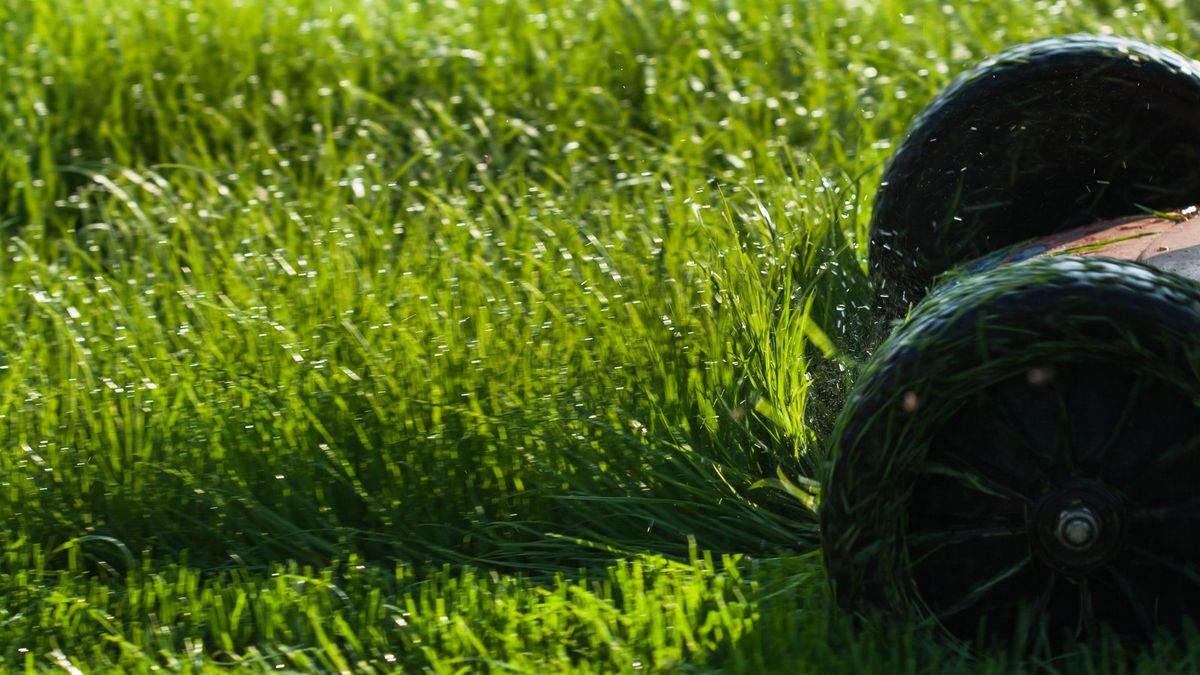
Your mower’s engine might overheat. It’s like asking a marathon runner to sprint uphill in a blizzard. Not their best performance, and they might get a bit… sore. You don't want your mower to be sore, do you?
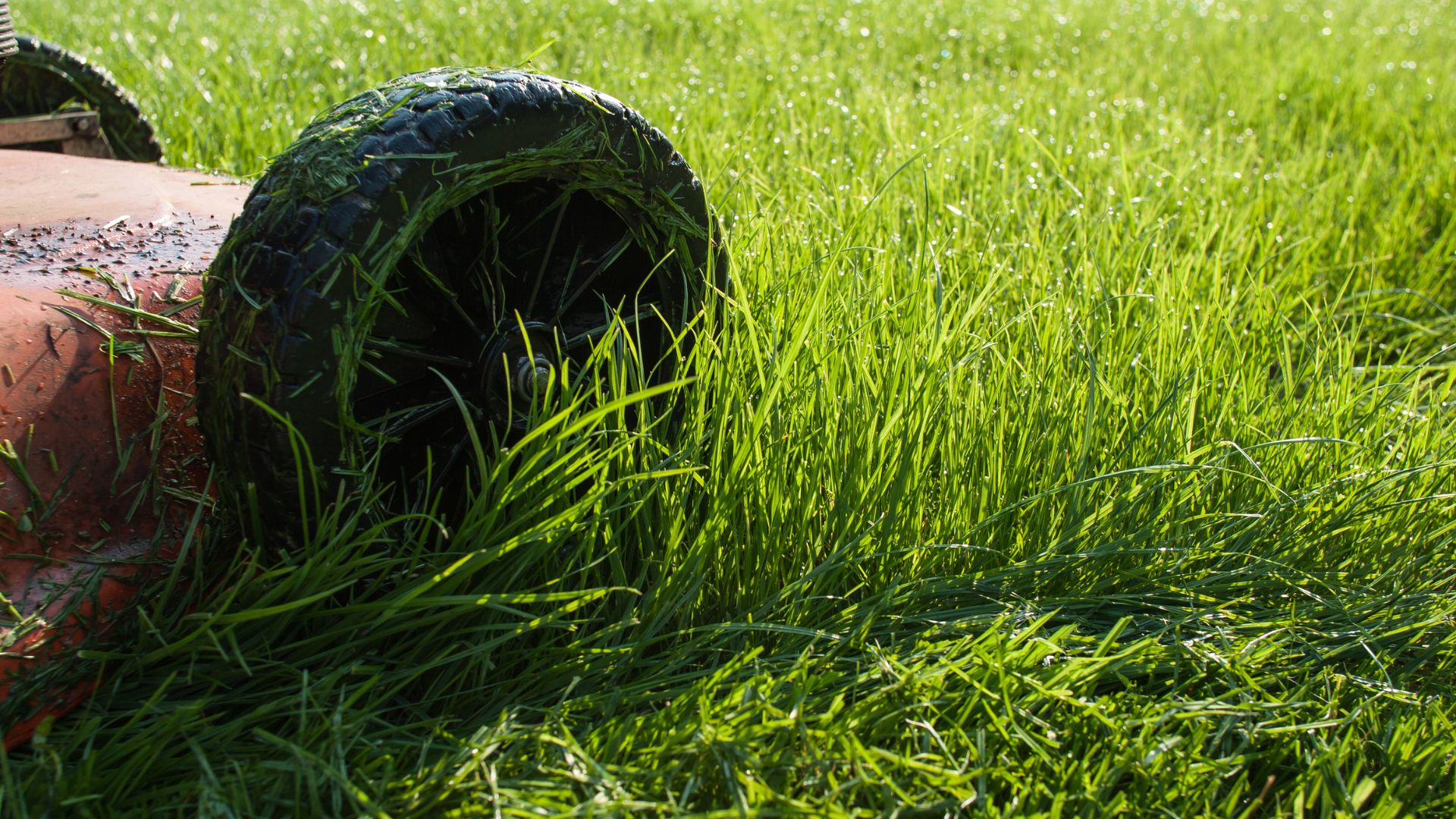
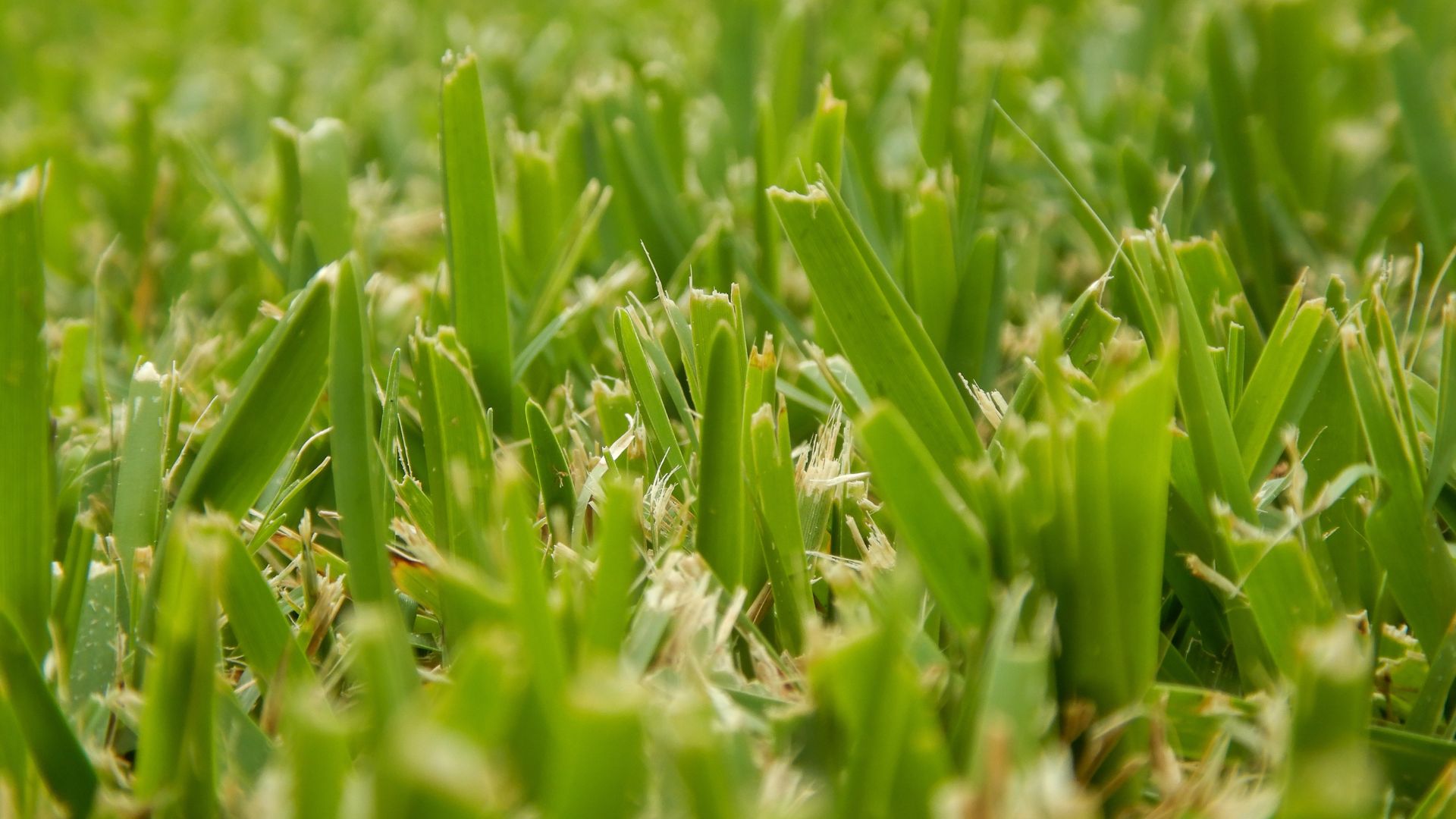
And the cutting deck? Oh boy. When grass is wet, it tends to stick to everything. This includes the underside of your mower’s deck. This build-up can create an uneven surface, leading to a patchy, uneven cut. You’ll be left with a lawn that looks like it’s been attacked by a particularly indecisive badger. Not exactly the pristine finish you were hoping for.
Furthermore, the wet grass clippings themselves can become a real nuisance. Instead of being neatly ejected, they’re more likely to clump together and get plastered all over your lawn. This creates a thick layer of wet grass that can actually smother the living grass underneath, preventing sunlight and air from reaching it. It’s like giving your lawn a soggy blanket it really didn’t ask for. Nobody likes being smothered, lawn or otherwise!
This can also be a breeding ground for fungal diseases. All that moisture and decaying organic matter? Perfect recipe for a fungal fiesta. You’ll be fighting off more than just the encroaching weeds then, won’t you?
Safety First, Especially with Electricity!
Now, let’s talk about you. Because while a less-than-perfect lawn is annoying, your well-being is far more important. And this is where mowing wet grass gets particularly dicey, especially if you have an electric mower.
Electricity and water are not friends. This is one of those fundamental rules of the universe, right up there with “don’t poke the bear” and “always pack extra socks.” If you’re using a corded electric mower, the risk of electrocution is significantly increased when everything is wet. The cord can get wet, the mower itself can have water ingress, and… well, you can connect the dots there. It’s a scenario nobody wants to be a part of.

Even with battery-powered mowers, while the risk is lower, it's not entirely absent. Water can still potentially interfere with the electronics or cause short circuits. Plus, the ground will be slippery. Think about it: wet grass is inherently slippery. Add to that the vibrating, often heavy machinery you're trying to control, and you're looking at a recipe for slips, trips, and falls.
You could easily lose your footing, fall, and… again, nobody wants to imagine that scenario. Safety is paramount, folks. Don't let a slightly overgrown lawn tempt you into a dangerous situation.
What About Gas-Powered Mowers? Are They Immune?
Ah, the trusty gas mower. They’re robust, they’re powerful, and they can sometimes feel like they can conquer anything. But even these aren’t completely in the clear when it comes to mowing wet grass.
While you don’t have the same immediate electrocution risk, the issues with clumping, uneven cutting, and potential engine strain are still very much present. Plus, the exhaust system on a gas mower gets hot. If water comes into contact with a very hot exhaust, you can potentially get steam burns. Not ideal for your morning routine!
And again, the slippery ground factor. You’re still pushing a heavy machine over potentially treacherous terrain. A loss of balance can still lead to accidents, even if it doesn’t involve electricity.

So, What Are Your Options When It Rains?
Okay, okay, I hear you. So, mowing wet grass is a bad idea. But what do you do when the rain has other plans for your lawn-care schedule? Fear not, fellow gardeners!
The simplest and most sensible option? Wait. I know, I know. It’s the answer nobody wants to hear. But honestly, a few extra hours or even a day of waiting will make a world of difference. Your lawn will be healthier, your mower will be happier, and you’ll be safer.
As a general rule of thumb, aim to mow when the grass is dry to the touch. This usually means waiting until a few hours after the rain has stopped, or even until the next day if it was a really heavy downpour.
If you’re really desperate, and it’s just a very light dew or a tiny bit of mist, and you have a well-maintained, powerful mower, you might get away with it. But even then, proceed with extreme caution. You’ll want to make sure your mower is in top condition, blades are sharp, and you’re prepared for extra cleanup.
Consider raising your cutting height. If you absolutely must mow slightly damp grass (again, not ideal!), raising your mower's cutting height can help. This way, you're not cutting too deep into the wet, dense base of the grass, which minimizes clumping and stress on the mower.
Clean your mower immediately afterwards. If you’ve braved the damp, your mower will likely be caked with grass. Use a hose (carefully, especially with electric mowers!) and a brush to remove all the debris. This prevents rust and keeps your mower running smoothly for the next dry-weather mowing session. Don't forget to dry it thoroughly afterwards too!

The Real Cost of a Wet Mow
It’s easy to think of mowing wet grass as a minor inconvenience dodged, a little bit of bravery in the face of dampness. But in reality, it can have long-term consequences for your lawn's health and your mower's lifespan.
A lawn that’s frequently mowed wet can become thinner, more susceptible to weeds, and prone to fungal infections. It’s like constantly being under the weather yourself – you just don’t bounce back as quickly and you’re more vulnerable to other issues.
Your mower, on the other hand, could face premature wear and tear. Those clogs and strains add up. You might find yourself needing repairs sooner, or even having to replace your mower earlier than expected. Suddenly, that time you “saved” by mowing in the rain seems like a pretty expensive decision.
And the safety risks? Well, those are priceless. A trip to the emergency room is definitely not on anyone’s weekend agenda, is it? So, it’s always better to err on the side of caution. Remember that anecdote at the beginning? The one about the perfect Saturday morning that turned into a damp disaster? That feeling of regret, of wishing you’d just waited, is a pretty good indicator that maybe, just maybe, the rain is trying to tell you something.
Embrace the Wait. Your Lawn Will Thank You.
Ultimately, the decision to mow wet grass is a gamble. And in most cases, it's a gamble with odds stacked against you. While a little bit of dew might not be the end of the world, a full-on rainy mowing session is best avoided.
So, the next time you find yourself staring at a glistening lawn, debating the pros and cons of a wet mow, take a deep breath. Pour yourself another coffee. And wait for the sun. Your lawn will look better, your mower will last longer, and you’ll have the peace of mind that comes with making the safe and sensible choice. And who knows, maybe that extra hour of sleep is exactly what you needed anyway!