
Is It Ok To Give Dogs Milk

Hey there, fellow dog lovers! Ever find yourself gazing at your furry best friend, maybe while you're enjoying a nice glass of milk, and a little question pops into your head: "Is it okay to give my dog milk?" It's a question that pops up more often than you might think, and honestly, it's a pretty interesting one to dive into. After all, dogs are family, right? And we want to make sure we're giving them the best. So, let's get curious and explore this milky mystery together, shall we?
Now, the first thing that probably comes to mind is, well, puppies drink milk. That's a given. But we're talking about adult dogs here, the ones who are probably more interested in chasing squirrels than their mom's udder. And the milk we're thinking of is usually the cow's milk that we humans drink. So, what's the deal?
The Lactose Dilemma: A Digestive Adventure
Here's where things get a little bit scientific, but don't worry, we'll keep it super chill. Most adult dogs, much like a lot of adult humans, are lactose intolerant. Ever heard that term before? It means their bodies don't produce enough of a special enzyme called lactase. Think of lactase as the VIP ticket holder that lets lactose (that's the sugar in milk) into the digestive system for proper breakdown. Without enough lactase, lactose can get a bit rowdy in the gut. It's like a party where the bouncer (lactase) isn't letting everyone in, and things start to get a little… chaotic.
Must Read
What does this chaotic party look like for a dog? Well, it can lead to some less-than-pleasant digestive upset. We’re talking about things like diarrhea, vomiting, gas, and general tummy discomfort. Nobody wants their dog to be feeling bleh, right? It’s probably not the most fun experience for them, and for sure not the most pleasant for you to clean up!
So, while a tiny sip might not cause a catastrophe for every single dog, it’s definitely something to be mindful of. Imagine your dog's tummy as a finely tuned instrument. Introducing a foreign element like lactose might just throw off the whole symphony. Not ideal!
Are All Dogs the Same? The Curious Case of Individuality
Now, here’s where it gets even more interesting. Just like us humans, dogs are individuals. Some might be super sensitive to lactose, while others might have a slightly more forgiving digestive system. Think of it like this: some people can chug a whole milk mustache, while others get a bit gurgly after a small amount. The same can be true for our canine companions.

There's a thought that some breeds, or even individual dogs within a breed, might be able to tolerate lactose a bit better than others. This isn't a hard and fast rule, but it's a curious observation that adds to the complexity. It's like saying some folks are born with a natural immunity to a mild bug, while others are more susceptible. You just never know for sure until you observe!
However, the general consensus, and the safest bet, is to err on the side of caution. Why risk the tummy troubles when there are plenty of other awesome things your dog can enjoy? It’s like choosing a guaranteed hit movie over a maybe-good one. You want to bring joy, not… digestive distress.
What About Other Milks? Exploring the Alternatives
Okay, so cow's milk might be a bit of a gamble. But what about those fancy non-dairy milks we're all talking about? Almond milk, oat milk, soy milk – the options are endless! Can these be a safe alternative for our pups?
Generally, unsweetened, plain versions of these plant-based milks are considered much safer than cow's milk for dogs. Why? Because they typically don't contain lactose. Score! However, there are still a few things to keep in mind. Always, always, always check the ingredients list.

Many plant-based milks can contain sweeteners, especially artificial ones like xylitol. And here’s a big, flashing siren: Xylitol is highly toxic to dogs. It can cause a rapid drop in blood sugar and even liver failure. So, if you're thinking of offering a splash of almond milk, make sure it's absolutely xylitol-free and has no added sugars. It’s like making sure your dog’s treat is actually a treat, not a tiny, furry-sized poison pill.
Other ingredients, like certain thickeners or flavorings, might also cause an upset tummy in some dogs. So, even with these alternatives, a little bit of common sense and careful label reading is key. When in doubt, it’s always best to stick to water. Water is the ultimate safe bet, after all!
The Nutritional Angle: Is Milk Even Necessary?
Let’s think about nutrition. Do dogs actually need milk in their diet after they’ve been weaned? The short answer is generally no. Adult dogs get all the essential nutrients they need from a balanced, high-quality dog food. They’re not little furry babies who need a constant milk supply for growth and development anymore.

Think of it like this: when you were a kid, you needed milk for strong bones. But as an adult, you get your calcium and other nutrients from a variety of foods. Dogs are similar. Their dietary needs change as they grow, and a good dog food is formulated to meet those adult needs perfectly.
So, while milk might seem like a nice treat, it’s not a nutritional requirement for most adult dogs. It’s more of an occasional, small indulgence, if anything. And remember, too much of anything, even something that seems harmless, can lead to imbalances. It’s like giving your dog a whole bag of treats – they might love it in the moment, but it’s not great for their long-term health.
When is Milk Actually a Thing? The Puppy Exception
Okay, we've talked a lot about adult dogs, but let's give a nod to the tiny tots. For puppies, mother's milk is the absolute best. It’s perfectly formulated by nature to provide them with everything they need to grow and develop, including antibodies that help them fight off illness. It’s the ultimate, tailor-made superfood.
In situations where a puppy is orphaned or its mother can't produce enough milk, specialized puppy milk replacers are used. These are carefully designed to mimic the nutritional profile of a mother dog's milk. They are not the same as regular cow's milk. Trying to feed a young puppy cow's milk can lead to severe digestive issues, just like in adult dogs, and can hinder their crucial early development.
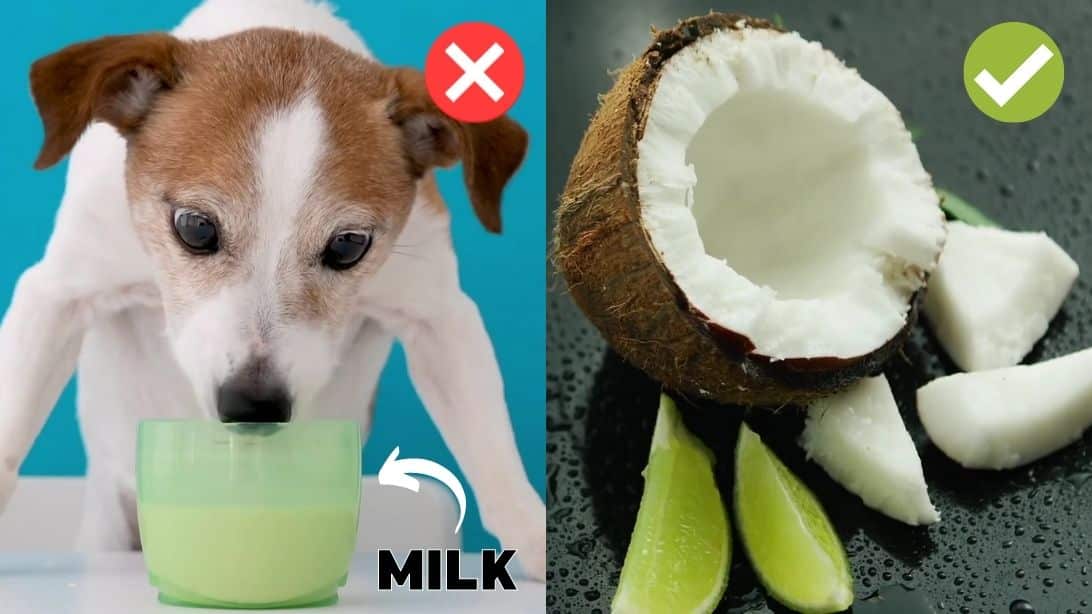
So, while milk is absolutely vital for very young puppies, it’s a different ball game once they’re weaned and growing into their adult selves. It’s like how babies need formula or breast milk, but adults don't typically drink gallons of it!
The Verdict: A Tiny Sip or a Big No-No?
So, to wrap it all up, is it okay to give dogs milk? The general answer is: it's usually best to avoid giving adult dogs cow's milk. The high likelihood of lactose intolerance means it’s more likely to cause them digestive upset than to be a beneficial treat.
If you're feeling generous and want to offer your pup a liquidy treat, think small, think plain, and think carefully about the ingredients. A tiny bit of unsweetened, plain almond or oat milk, if you've verified it’s safe, might be okay for some dogs, but it's definitely not a staple. And always observe your dog for any signs of discomfort afterwards.
Ultimately, the safest and most exciting approach is to focus on high-quality dog food and dog-specific treats. There are so many yummy and safe options out there! Your dog’s wagging tail and happy tummy will thank you for it. So, next time you’re having that glass of milk, maybe just enjoy it yourself, and offer your pup a special dog biscuit instead. It’s a win-win!

