Is It Illegal To Take Pictures Of People
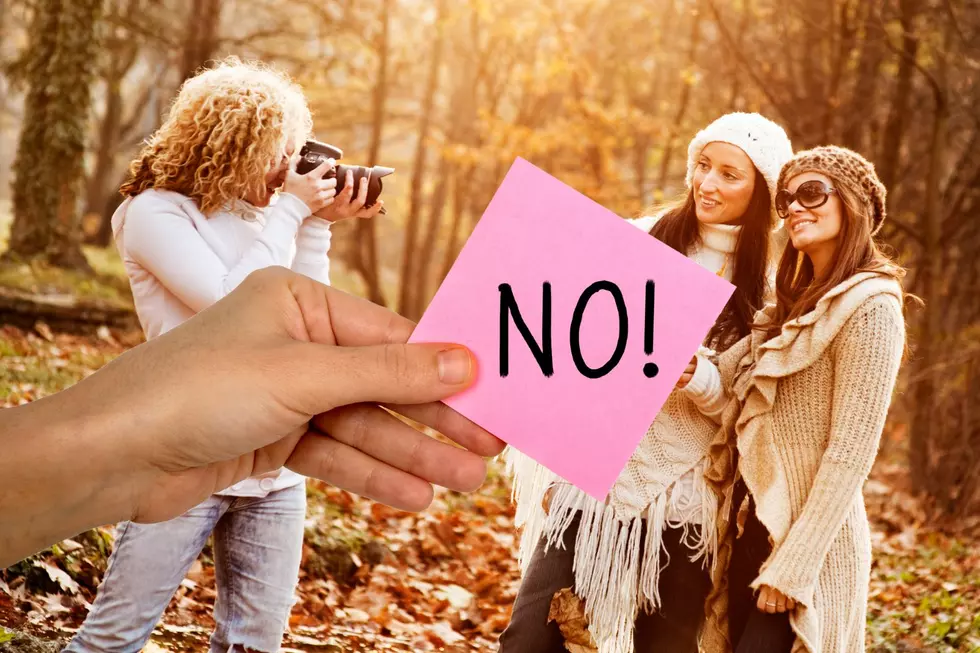
Alright, gather ‘round, you budding paparazzi and casual camera enthusiasts! Let’s talk about something that makes more people squirm than a worm on a hot sidewalk: taking pictures of people. You’ve all been there, right? You’re at a concert, a festival, or just innocently trying to capture that hilarious dog doing a backflip, and suddenly, someone’s glaring at you like you just stole their last slice of pizza. But is it actually illegal to point that lens in their general direction? Grab your latte, settle in, and let’s dive into this wonderfully murky world of privacy, pixels, and potential public humiliation.
First off, let’s get one thing straight: there’s no magic law that says, "Thou shalt not photograph thy fellow human beings under penalty of eternal digital doom." Phew! Imagine a world where every selfie was a crime. We’d all be locked up before breakfast. The reality is a bit more… nuanced. Think of it like trying to fold a fitted sheet – complicated, frustrating, and sometimes, you just end up with a crumpled mess.
The big, overarching concept here is the difference between public places and private places. It’s like the difference between your neighbor’s lawn gnome (public) and your neighbor’s actual living room (private). You generally have a lot more leeway to snap away when you’re out in the wild, amongst the bustling masses. Think of Times Square, a busy park, or even a crowded farmer’s market. If someone’s milling about in a place where they expect to be seen, and therefore have a reduced expectation of privacy, you’re usually in the clear.
Must Read
Now, that doesn’t mean you can just zoom in on Brenda from accounting’s questionable fashion choices from across the street and plaster it online. There are still… considerations. We're talking about things like nuisance and harassment. If you’re following someone around, sticking your camera in their face, and making them feel like they’re starring in a really bad episode of "Candid Camera," you might be crossing a line. Even in a public place, if your actions are clearly designed to annoy or distress someone, that’s a whole different ballgame. It’s less about the picture and more about your creepy stalker-ish demeanor.
The Nitty-Gritty: Public vs. Private
Let’s break this down further, shall we? Imagine you’re at a parade. Colorful floats, marching bands, kids with sticky faces – it’s a photographer’s paradise! You’re snapping away, capturing the joy and the chaos. Is it illegal? Nope! Everyone there is part of the public spectacle. They’re on display, for better or worse.
But then, imagine you’re at that same parade, and you spot someone stepping into a nearby cafe to escape a sudden downpour. Are you going to whip out your telephoto lens and capture their mid-sip grimace? Probably not a good idea. That cafe is their temporary private space. They’ve stepped out of the public eye. Their expectation of privacy is suddenly way higher than it was on the sidewalk. Think of it as a little bubble of personal space, and you don't want to pop it with your flash.

So, the general rule of thumb: if you can see it from a public place, and the person doesn’t have a reasonable expectation of privacy, you’re usually good to go. This is why those pesky paparazzi can sometimes get away with their lurid shots of celebrities at the beach. The beach is public, and while they might not like being photographed, their legal right to privacy is diminished.
When Things Get Tricky: The "Reasonable Expectation of Privacy" Tango
This phrase, "reasonable expectation of privacy," is your golden ticket and your potential downfall. What's reasonable? Well, that’s where the fun (and the lawsuits) come in. It’s not a fixed, universal thing. It depends on the context. For instance, you might have a reasonable expectation of privacy in your bathroom, even if your window is open on a hot day. Nobody wants a stranger’s lens peeking in while they’re attempting to sing karaoke to their reflection. That’s just… wrong.
Consider this: you’re in your backyard, doing something perfectly innocent, like tending to your prize-winning petunias or practicing your interpretive dance routine. If your neighbor has a drone that hovers over your fence to capture this spectacle, that might be crossing a line. You probably have a reasonable expectation of privacy in your own backyard, even if it’s technically outdoors. It's your little sanctuary. And nobody likes a peeping Tom, whether they’re on the ground or in the air.

Conversely, if you’re sitting on a park bench, looking like you’re about to confess your deepest secrets to a squirrel, and someone snaps a photo, you probably don’t have much of a case. You’re in a public park, surrounded by other people. You’re essentially on a stage, whether you like it or not.
Commercial Use and "Right of Publicity"
Now, things get really spicy when you start thinking about using those photos for something other than just bragging rights. This is where the legal jargon starts to sound like a foreign language spoken by a particularly angry badger. We’re talking about commercial use and the infamous "right of publicity."
Basically, if you snap a picture of someone and then try to sell it, use it in an advertisement, or slap it on a t-shirt to make a quick buck, you’ve entered a whole new legal arena. In many places, people have a right to control the commercial use of their image. This is why you don’t see random people’s faces plastered on billboards without their permission (or a hefty paycheck).
Think of it like this: if you took a fantastic photo of a stranger’s face, and then used it as the cover of your new album without their consent, they could potentially sue you into oblivion. They're saying, "Hey! That's my face! I didn't agree to be the face of your questionable musical stylings!" It’s their likeness, and they get to decide if it’s used to hawk CDs or, heaven forbid, even NFTs.
Exceptions, Exceptions, and More Exceptions!
Just when you think you've got it all figured out, the law throws in a few curveballs. There are often exceptions for things like news reporting, commentary, and artistic expression. So, a photographer covering a protest can probably take pictures of the participants, even if they don’t want to be photographed. It's newsworthy! Similarly, an artist might incorporate images of people into their work. The lines here can get blurry, and it often comes down to whether the photo is being used to tell a story, inform the public, or create something artistic, rather than just to exploit someone’s image for profit or prying eyes.
And what about those sneaky laws designed to protect children? Yes, those exist! Taking pictures of minors in certain situations can be a huge no-no, and the penalties are no laughing matter. So, if you’re at a playground, err on the side of caution. Unless you want to have a very awkward conversation with the authorities, keep your lens pointed at the swings, not the tiny humans enjoying them.

So, What's the Takeaway?
In a nutshell: be a decent human being. Most of the time, if you’re not being a creep, you’re probably fine. Snap those candid shots at a concert, capture the quirky street art, and document your cat’s latest absurd antic. But when in doubt, ask for permission. A simple "Is it okay if I take a quick photo?" can save you a world of headaches and prevent you from becoming the villain in someone else’s story. It shows respect, and frankly, most people are flattered to be asked.
Remember, the law is a complex beast, and what’s legal in one place might be frowned upon, or even illegal, in another. State laws, local ordinances, and even specific venue rules can all come into play. It’s like trying to navigate a maze blindfolded while juggling flaming torches. Fun, right?
So, go forth and photograph! But do it responsibly. Don't be that person who makes everyone uncomfortable. Use your camera to capture the beauty, the humor, and the wonder of the world, not to invade someone’s personal space or stalk your neighbor’s prize-winning petunias. And for goodness sake, always get permission before using someone’s face on your band’s album cover. Your future self, and your lawyer, will thank you.