Is It Good To Leave Toothpaste On Your Teeth
Ah, toothpaste! That minty, foamy friend we greet every morning and bid goodnight to. For many of us, the act of brushing our teeth is as routine as checking our phones or brewing our first cup of coffee. It’s a small ritual that brings a sense of cleanliness and a fresh burst of confidence, ready to face the day or settle in for a good night's sleep. But have you ever stopped to wonder what’s really happening when that minty magic coats your pearly whites? Or perhaps, more intriguingly, what happens if you let it linger a little longer?
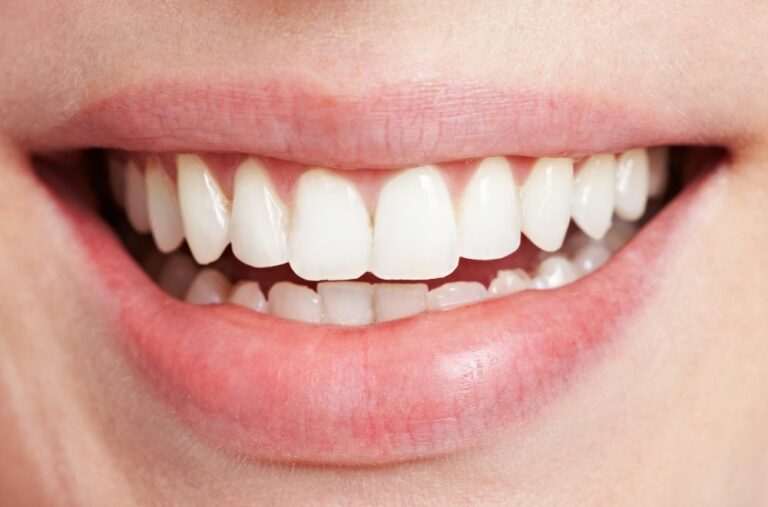
The primary purpose of toothpaste, as we all know, is to keep our mouths healthy and our smiles dazzling. It’s a superhero in disguise, armed with ingredients that fight off the bad guys: plaque and bacteria. These microscopic villains can lead to cavities, gum disease, and that dreaded dragon breath. Toothpaste, particularly those containing fluoride, plays a crucial role in strengthening tooth enamel, making it more resistant to acid attacks from the food and drinks we consume. It also often includes abrasives to gently polish away surface stains, giving you that brighter, more appealing grin. Beyond the fluoride, many toothpastes offer additional benefits like sensitivity relief, whitening power, or even gum protection.
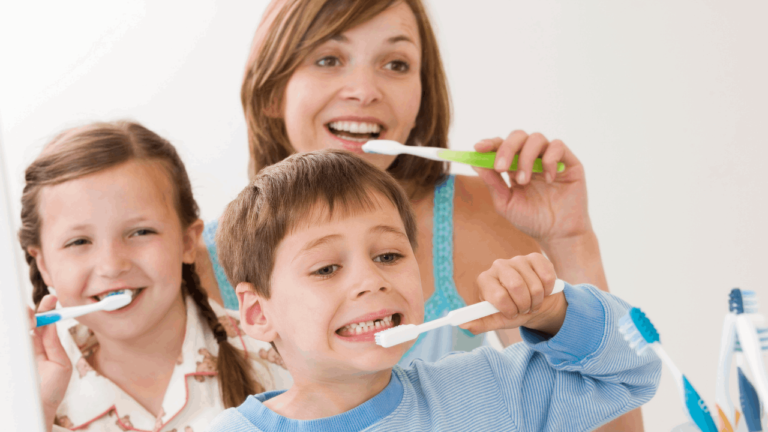
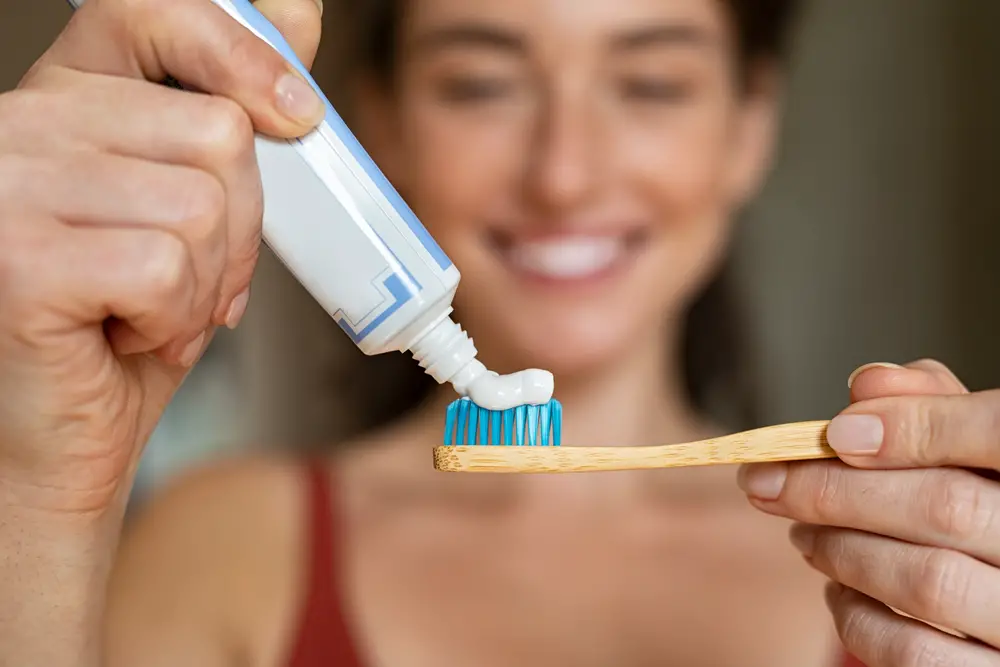
We apply toothpaste in the most straightforward way imaginable: by squeezing a pea-sized amount onto a toothbrush. Then, with a gentle, circular motion, we embark on our daily dental clean-up. Some people might even enjoy the tingle or taste and might be tempted to just… leave it there for a bit. Maybe after brushing, you get distracted by a notification, or perhaps you just like that lingering fresh feeling. It’s a simple, everyday application that directly impacts our oral hygiene and, by extension, our overall health.
Must Read
Now, let's dive into the idea of leaving toothpaste on your teeth. While the act of brushing is designed to rinse away the toothpaste and the debris it loosens, a brief period after brushing where some residue remains isn't necessarily a bad thing. In fact, it can actually be beneficial, especially when it comes to fluoride. The fluoride in your toothpaste needs time to interact with your tooth enamel. When you rinse immediately after brushing, you're washing away some of that precious fluoride before it has had a chance to fully work its magic. Think of it like letting a good conditioner sit in your hair for a few minutes before rinsing – you get better results!
So, how can you enjoy this more effectively? The key is a gentle approach. After you’ve finished your thorough brushing, try to resist the urge to immediately rinse with water. Instead, spit out the excess toothpaste and let the remaining film do its work for a few minutes. You can even do this right before bed, so your teeth benefit from the fluoride all night long. For those who find the taste too strong to leave, consider using a fluoride mouthwash after spitting out the toothpaste, but before rinsing with water, to give that fluoride an extra boost without the lingering taste. Remember, the goal isn't to have a mouth full of foam for an extended period, but rather to allow the beneficial ingredients, particularly fluoride, a bit more contact time with your enamel. It’s a simple tweak that can significantly contribute to a healthier, happier smile!