Is Grass Bad For Dogs To Eat

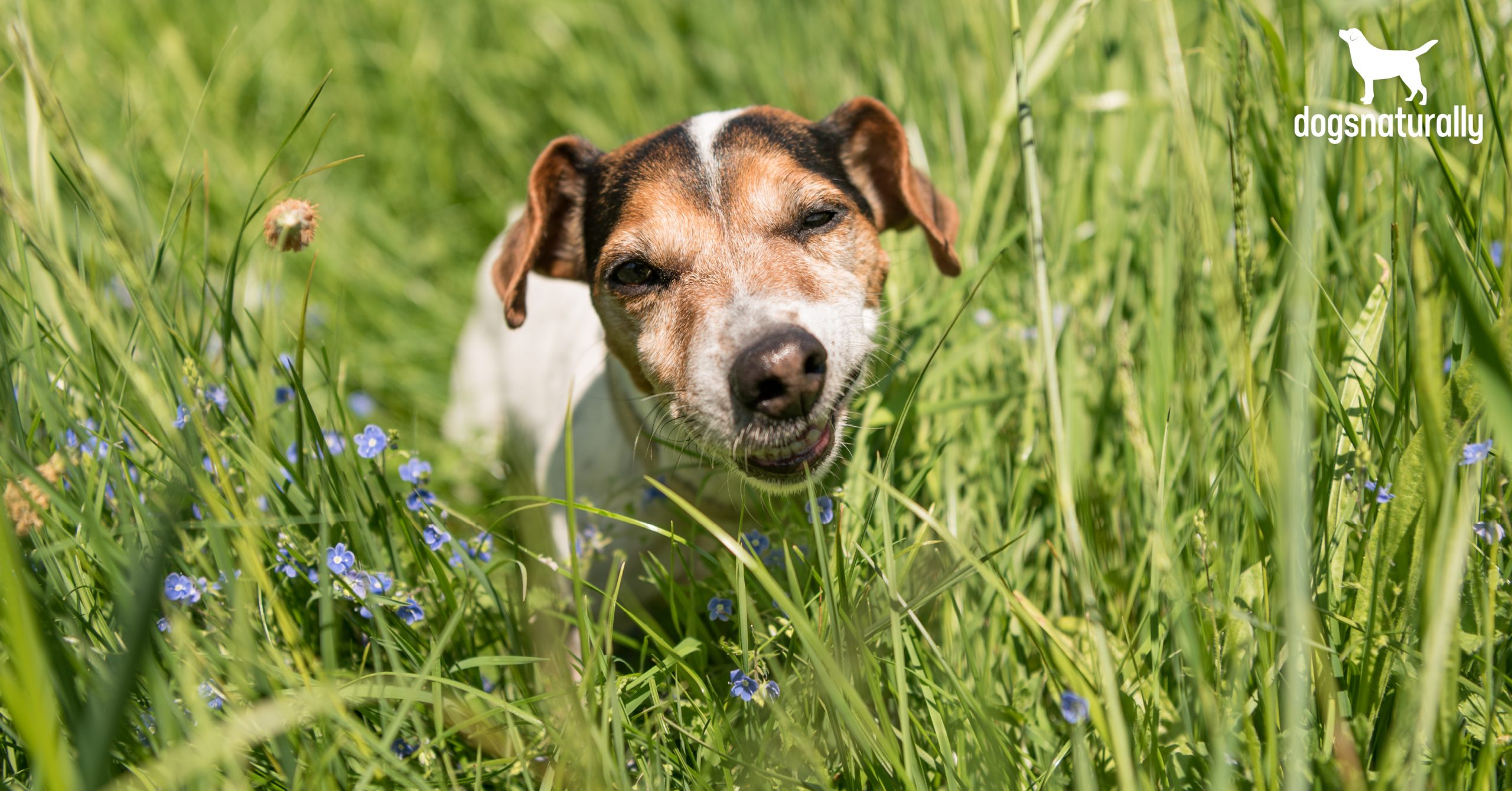
Ah, dogs and grass! It’s a classic, isn't it? You’re out in the park, maybe enjoying a leisurely stroll or tossing a frisbee, and suddenly, your furry best friend decides it's time for a snack. Out of nowhere, they’re munching away on the very thing you’ve been meticulously trying to keep pristine in your own backyard. It’s a sight that’s both endearing and, for many owners, a little bit concerning. “Is this… normal?” you might wonder, as your dog enthusiastically samples the local lawn. Well, let's dig into this leafy enigma!
Believe it or not, there are a few reasons why our canine companions seem to have a penchant for pasture. For starters, many pups simply enjoy the texture and taste of fresh grass. It can be a novel sensation, especially for younger dogs exploring the world with their mouths. Some experts also suggest that it might be an instinctive behavior, a leftover from their wolf ancestors who may have consumed vegetation to aid digestion or obtain certain nutrients. For many dogs, eating grass is a completely harmless behavior, a natural way for them to self-medicate if they’re feeling a bit off. They might do it when they have an upset stomach, and the grass can act as an emetic, helping them to vomit and feel better. Think of it as their own DIY natural remedy!
So, what are the common scenarios? You’ve got the “curious chomper,” who takes a few tentative nibbles to see what’s what. Then there's the "gourmet grazer," who seems to meticulously select the most succulent blades for a satisfying chew. And finally, the "emergency emetic," where your dog suddenly devours a patch of grass, only to promptly regurgitate a short while later. This latter scenario is often the one that sparks the most worry, but it’s important to remember that occasional grass eating and vomiting is generally not a cause for alarm.
Must Read
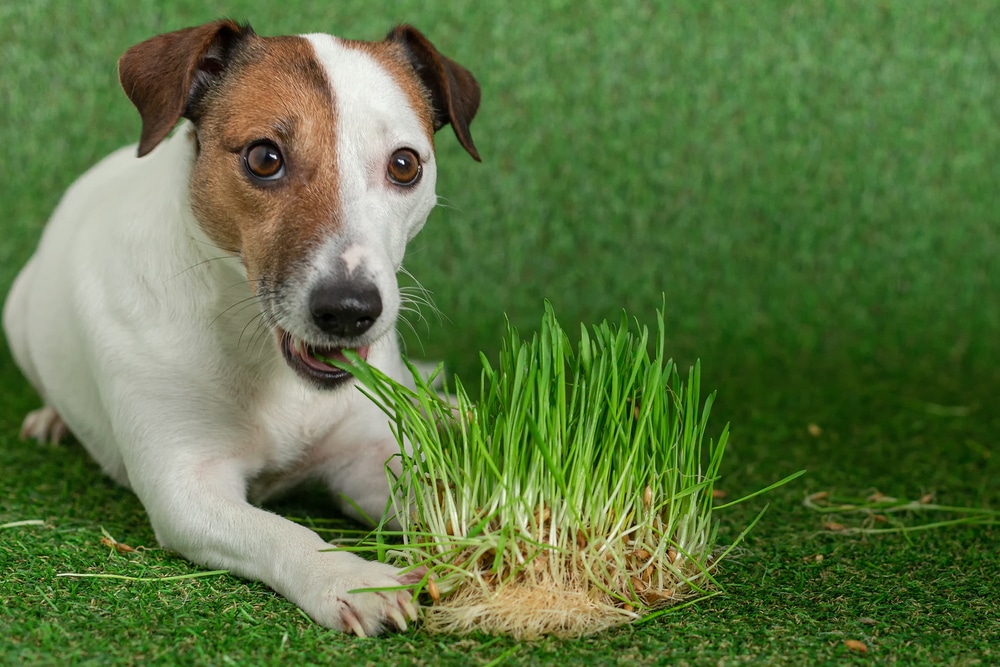
Now, if you want to make this whole grass-munching experience a little less stressful, or even encourage it in a safe way, here are a few practical tips. Firstly, ensure the grass your dog is eating is safe. Avoid areas treated with pesticides, herbicides, or fertilizers, as these can be toxic. If you have a lawn, consider planting a small patch of dog-friendly herbs like wheatgrass or oat grass indoors. This provides a safe and controlled environment for your dog to indulge their grassy cravings. Secondly, observe your dog's behavior. If they are eating excessive amounts of grass, seem lethargic, or are vomiting frequently, it’s always a good idea to consult your veterinarian. They can rule out any underlying health issues. Finally, don't panic! For most dogs, a little bit of grazing is just a normal part of their day, a simple, natural, and often beneficial behavior that adds a touch of wildness to our domesticated companions.